

Ecological pyramid with 4 tier




Try Before you Buy Download Free Sample Product
 Impress Your
 Audience
 100%
100% Editable
 Save Hours
 of Time


Our Ecological Pyramid With 4 Tier are topically designed to provide an attractive backdrop to any subject. Use them to look like a presentation pro.
People who downloaded this PowerPoint presentation also viewed the following :
Ecological pyramid with 4 tier with all 2 slides:
Use our Ecological Pyramid With 4 Tier to effectively help you save your valuable time. They are readymade to fit into any presentation structure.

FAQs for Ecological pyramid
Ecological pyramids include pyramid of numbers, pyramid of biomass, and pyramid of energy, each representing different aspects of ecosystem structure and function. These approaches differ by measuring organism quantity versus total living matter versus energy flow respectively, with energy pyramids providing the most accurate representation of ecosystem dynamics, while biomass and numbers pyramids can sometimes appear inverted in complex food webs.
Energy transfer in ecological pyramids shows decreasing energy availability at each trophic level, typically following the 10% rule where only about 10% of energy passes from producers to primary consumers, then to secondary consumers. This transfer pattern explains why ecosystems support fewer top predators than herbivores, influences food web stability, and demonstrates why shorter food chains are more energy-efficient, ultimately determining ecosystem carrying capacity and biodiversity distribution.
Producers form the foundational base of ecological pyramids by converting sunlight into chemical energy through photosynthesis, supporting all higher trophic levels. These primary organisms, including plants, algae, and phytoplankton, determine ecosystem capacity and energy flow patterns, with their biomass and productivity ultimately dictating the structure and stability of entire food webs.
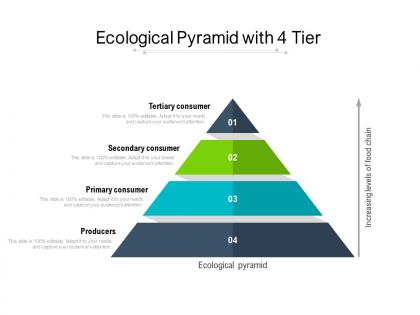
Ecological pyramids illustrate trophic levels by displaying the hierarchical structure of energy, biomass, or organism numbers at each feeding level within ecosystems. These visual representations demonstrate how primary producers form the base, followed by primary consumers, secondary consumers, and apex predators, with each level typically showing decreased quantities, ultimately revealing energy flow patterns and ecosystem stability across diverse environments like forests, grasslands, and aquatic systems.
Human activities like deforestation, pollution, and overharvesting, along with climate change, invasive species, and natural disasters can disrupt ecological pyramid balance. These disruptions affect energy flow and species populations throughout food webs, with many ecosystems experiencing cascading effects that ultimately compromise biodiversity, resource availability, and environmental stability across multiple trophic levels.
Ecological pyramids help understand food chains and food webs by illustrating energy transfer efficiency, biomass distribution, and numerical relationships between trophic levels, revealing how ecosystems maintain balance through predator-prey dynamics. These visual representations enable researchers and environmental managers to assess ecosystem health, predict population changes, and develop conservation strategies, with marine biologists and forest ecologists finding that pyramid analysis delivers crucial insights for sustainable resource management.
Biomass decreases significantly as you move up trophic levels in an ecological pyramid, with primary producers containing the most biomass, followed by primary consumers, secondary consumers, and apex predators. This pattern reflects energy transfer efficiency of approximately 10% between levels, with ecosystems like grasslands and forests demonstrating how this biomass distribution enables sustainable food webs and resource allocation throughout natural communities.
Primary consumers convert plant energy into forms accessible to higher trophic levels, while secondary consumers regulate herbivore populations and maintain ecological balance. These levels facilitate efficient energy transfer throughout ecosystems, with many environmental organizations finding that understanding consumer relationships enables better conservation strategies, sustainable resource management, and biodiversity protection across various habitats.
Ecological pyramids inform conservation by revealing energy flow inefficiencies, population dynamics, and ecosystem stability patterns that guide habitat protection, species reintroduction programs, and sustainable harvesting quotas. Through biomass and energy analysis, conservation organizations can identify critical trophic levels, optimize protected area designs, and develop resource management strategies that maintain ecosystem balance while supporting human communities, ultimately delivering both environmental preservation and economic sustainability.
Human activities significantly disrupt ecological pyramids through habitat destruction, pollution, overfishing, and climate change, often reducing primary producer biomass and eliminating top predators. These disruptions create inverted pyramids in marine ecosystems, agricultural monocultures, and urban environments, ultimately compromising biodiversity and ecosystem stability while reducing natural resource availability for future generations.
Ecological pyramids enable biodiversity analysis by visualizing species distribution, energy flow patterns, and population dynamics across trophic levels within ecosystems. These models help researchers identify biodiversity hotspots, assess ecosystem stability, and monitor conservation efforts, with many environmental organizations finding that pyramid data enhances habitat protection strategies and species management decisions.
Ecological pyramids face limitations including incomplete species representation, seasonal population variations, difficulty measuring energy transfers accurately, and oversimplification of complex food web interactions. While these constraints present challenges, many ecological researchers find that combining pyramid data with advanced modeling techniques and long-term studies ultimately delivers more comprehensive ecosystem understanding and enhanced conservation strategies.
Terrestrial ecosystems typically display traditional pyramid shapes with broad producer bases and narrow top predator levels, while aquatic ecosystems often feature inverted biomass pyramids where zooplankton biomass exceeds phytoplankton biomass due to rapid turnover rates. These structural differences enable different energy transfer efficiencies and trophic dynamics, with aquatic systems supporting more complex food webs through faster nutrient cycling, ultimately delivering distinct ecological stability patterns across environmental consultancies and conservation organizations.
Methods for measuring ecological pyramid data include biomass sampling, population counts, energy flow measurements, stable isotope analysis, and remote sensing technologies. These approaches enhance ecological research by quantifying trophic relationships, tracking energy transfer efficiency, and monitoring ecosystem health, with many conservation organizations and research institutions finding that combining multiple measurement techniques delivers more comprehensive understanding of ecosystem dynamics and enables better resource management strategies.
Climate change affects ecological pyramid dynamics by altering species distribution, disrupting food webs, and shifting energy flow patterns across trophic levels. These environmental changes impact primary productivity, predator-prey relationships, and habitat availability, with ecosystems like coral reefs, arctic tundra, and temperate forests experiencing restructured biomass distributions, ultimately requiring adaptive management strategies for ecological stability.
No Reviews