


Economic Environment Powerpoint Presentation Slides




Try Before you Buy Download Free Sample Product
 Impress Your
 Audience
 100%
100% Editable
 Save Hours
 of Time


Deeply analyze the factors impacting your organization using our content ready Economic Environment PowerPoint Presentation Slides. Unveil the prime elements of economic business environment like economic conditions, economic systems, economic policies, international environment, and economic legislations with these business analysis PPT templates. Take advantage of these environmental analysis PowerPoint visuals to depict the microeconomic as well as the macroeconomic factors. Showcase numerous factors including industry competitors, demand size, supply, suppliers, distribution chain, inflation, interest rates, exchange rates, employment rates amongst others. You can also present other dimensions of the business environment such as political, legal, social, and technological factors using this environmental assessment PPT deck. Take the assistance of these business climate analysis PowerPoint infographics to showcase the four degrees of economic activity namely primary, secondary, tertiary, and quaternary stage. Utilize these business factors PowerPoint layouts to portray the measurement of income through GDP, GNP, and per capita income. Download these business climate analysis PowerPoint slides and create a strong financial foundation for long-term growth.
People who downloaded this PowerPoint presentation also viewed the following :
Content of this Powerpoint Presentation
Slide 1: This slide introduces Economic Environment. Mention your Company name and begin.
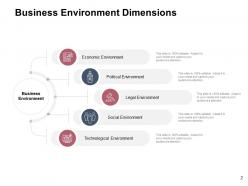
Slide 2: This slide showcases Business Environment Dimensions such as- Business Environment, Technological Environment, Economic Environment, Political Environment, Legal Environment, Social Environment.
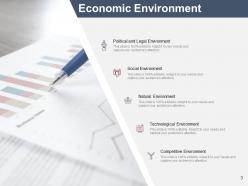
Slide 3: This slide describes Economic Environment
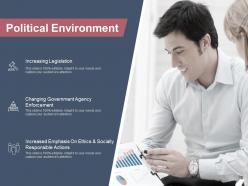
Slide 4: This slide describes Political Environment.
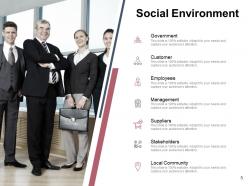
Slide 5: This slide depicts Social Environment.
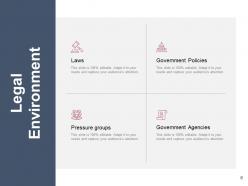
Slide 6: This slide showcases Legal Environment
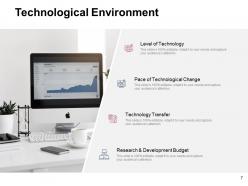
Slide 7: This slide depicts Technological Environment
Slide 8: This is Economic Environment Icons Slide.
Slide 9: This slide displays Graphs & Charts.
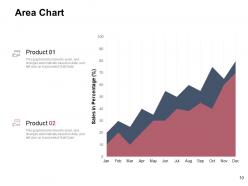
Slide 10: This slide displays Area Chart.
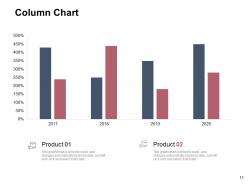
Slide 11: This slide displays Column Chart with products comparison.
Slide 12: This slide is titled as Additional Slides for moving forward.
Slide 13: This is Our Team slide with Names and Designations.
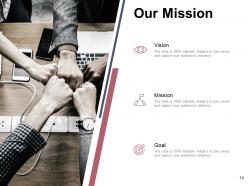
Slide 14: This is Our Mission slide with Vision, Goal and Mission.
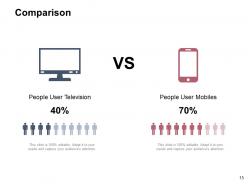
Slide 15: This slide showcases Comparison between Television Users and Mobile Users.
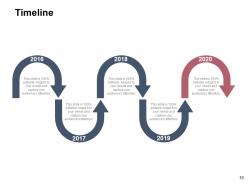
Slide 16: This slide depicts Timeline process.
Slide 17: This is Puzzle slide.
Slide 18: This slide is titled as Post it Notes. Post your Important notes.
Slide 19: This is Idea Generation generation slide to highlight important information, facts.
Slide 20: This is Thank You slide with Email address, address and contact number
Economic Environment Powerpoint Presentation Slides with all 20 slides:
Our Economic Environment Powerpoint Presentation Slides are focused on effective communication. They are committed to creating a firm connection.
FAQs for Economic Environment
Start with the basics - GDP growth, unemployment, inflation, interest rates. That stuff gives you the foundation. Then look at what industries dominate the area and how income's distributed, since that's what actually affects day-to-day business operations. Tax policies and regulations can honestly make or break you sometimes, even if the other numbers look great. Demographics are huge too - population trends and education levels tell you where things are headed long-term. Oh, and don't sleep on infrastructure quality. I'd grab all the macro data first, then dig into whatever specifics matter for your situation.
So inflation basically makes everything cost more - your materials, paying employees, all of it. Your margins get squeezed hard. You'll probably have to bump up prices, but then customers get super picky about spending. They'll wait on big purchases or hunt for cheaper options. Honestly, it's kind of amazing how quickly people turn into extreme bargain hunters when their wallets feel tight. Low inflation isn't perfect either though - usually means demand is pretty weak. Just watch your biggest cost areas closely and don't lock yourself into rigid pricing. You need wiggle room.
Honestly, government policies control pretty much everything in business. Interest rates, taxes, regulations - it all trickles down to your costs and what customers can actually afford. When the Fed changes rates, suddenly borrowing gets cheaper or more expensive. Fiscal policy shifts how much cash people have to spend. Trade stuff can mess up your supply chain real quick (trust me on that one). Here's the thing though - policy changes aren't just obstacles. They create opportunities too if you're paying attention. I'd definitely watch for policy announcements and factor that into your planning.
Honestly, don't try tracking everything - you'll go crazy. Pick 3-5 indicators that actually matter for your space. Leading stuff like employment numbers and consumer confidence are gold since they show what's coming. Then throw in some current data like GDP for context. I learned this the hard way after drowning in spreadsheets for months. Month-to-month changes are mostly just noise anyway. Set up alerts for when your key metrics hit certain levels, but focus on 6-12 month trends instead. A simple monthly dashboard works way better than obsessing over every data point. You'll spot shifts before everyone else catches on.
Honestly, global trade messes with your local economy way more than you'd think. Trade wars jack up prices at Target. New trade deals either bring jobs to town or ship them to Mexico - kinda depressing tbh. Your wages, what businesses survive, even which industries grow here - it all connects back to international stuff. Supply chain issues make everything cost more locally. I used to ignore trade news but now I pay attention since it actually affects my day-to-day life. Those economic ripple effects are real.
Look, the economy basically controls whether starting a business feels impossible or totally doable right now. Strong economy means customers actually spend money, banks say yes to loans, and investors throw cash at new ideas. Recession? Everything's harder but honestly some genius companies started during crap times - necessity breeds creativity I guess. Your main concerns are interest rates (loan costs), unemployment (can you find good people?), and whether your industry's thriving or dying. Just keep an eye on these trends so you're not launching a luxury service right when everyone's broke.
So basically, interest rates and economic growth work opposite each other. Low rates = businesses and people borrow more easily, so the economy grows faster. High rates make borrowing expensive, which slows everything down. Think of it like the Fed controlling the economy's gas and brake pedals. They'll drop rates to boost growth or raise them to cool off inflation. Oh, and this stuff really matters for investing too - I always try to pay attention to where rates are headed because it tells you a lot about what's coming next economically.
Economic cycles mess with industries in totally different ways. Food and utilities? They're bulletproof because people still gotta eat and keep the lights on. But luxury stuff gets destroyed - I mean, who's dropping cash on a yacht when layoffs are happening? Discount stores like Walmart actually crush it during recessions since everyone's penny-pinching. Construction and manufacturing get hit hard too because companies stop investing when they're scared. It's really about whether you're selling must-haves or want-to-haves. Position yourself accordingly and you'll be fine.
Honestly, spread out your revenue streams - don't rely on just one big client or market. When business is rolling, sock away cash for the rough patches (I know, way easier to say than actually do). Try to keep your costs flexible with variable contracts instead of being locked into fixed deals. Supply chain stuff is huge too - always have backup suppliers lined up because you never know. Oh, and if your business deals with foreign currencies or commodities, look into hedging against those price swings. The whole thing comes down to gaming out different scenarios before you're scrambling.
Honestly, automation and AI are completely flipping everything upside down right now. Jobs are vanishing but new ones pop up too - though the new stuff requires way different skills. Remote work and gig economy stuff has gone crazy since COVID, but that's honestly just scratching the surface. Supply chains are getting automated, companies are obsessed with data now, and if you don't have tech skills you're kinda screwed. I mean, routine jobs are basically toast at this point. My advice? Don't get comfortable anywhere and keep picking up digital skills whenever you can. This whole thing isn't slowing down.
Dude, consumer confidence is basically everything for the economy. People feel optimistic about money? They spend more. Businesses make bank, hire more workers. But flip that around - folks get nervous and suddenly everyone's hoarding cash like squirrels with nuts. Sales tank, companies start cutting jobs, and boom, recession territory. What's wild is how fast it can change. One bad news cycle or political drama and confidence just nosedives. I always check those monthly reports before making any big moves with my business. It's like checking the weather, you know?
Honestly, demographic tracking is way more crucial than most people realize. Your customer base shifts constantly - age, income, where they live, all of it changes pretty quickly. Compare your current customers to local census data and see where the gaps are. Maybe your area's getting younger but you're still targeting older folks? That's a problem. Switch up your products, marketing channels, even how you hire based on these trends. Like if everyone's aging in your market, better make your stuff more accessible and advertise where they actually hang out. It's basic but most businesses totally ignore it.
Yo, so recessions totally mess with spending habits long-term. People get way more careful about money - like my dad still clips coupons religiously after 2008, it's actually kind of endearing. They stick to essentials and become obsessed with saving. Value brands and discount stores see a huge boost. Big purchases? Forget it, people get super paranoid about debt. Here's the weird part though - this "scared money" behavior lasts way longer than the actual recession, sometimes 5-10 years. So when you're planning stuff, don't expect consumers to bounce back to their old ways anytime soon.
So currency swings mess with your costs and returns big time when you're doing international stuff. Your home currency gets stronger? Exports cost more for foreign buyers (sales tank), but hey, imports get cheaper for you. It's like a seesaw thing. Investments get tricky too - currency moves can wreck your returns even when the actual asset does great. I've seen people lose money on a 10% stock gain because the foreign currency tanked 15%. Wild, right? Definitely look into hedging or just factor that currency risk into your plans upfront.
Honestly, you can get way ahead of those quarterly reports by tracking stuff in real-time. Google Analytics and social media sentiment show you what's happening before it hits the news. Your customers are basically broadcasting the economy's health through what they buy - pretty wild when you think about it. Check competitor pricing, supply chain costs, employment rates in your area. Build some dashboards to watch the economic factors that actually matter for your business. Consumer spending patterns tell you everything. Way better than waiting around for official data that's already months old.
No Reviews