


Business Environmental Scanning Powerpoint Presentation Slides




Try Before you Buy Download Free Sample Product
 Impress Your
 Audience
 100%
100% Editable
 Save Hours
 of Time


Determine the future direction of the organization by utilizing Business Environmental Scanning Powerpoint Presentation Slides. Showcase the techniques of environmental scanning such as SWOT analysis, PESTLE analysis, interviews, surveys, focus groups, market research, etc. You can elaborate on the environmental changes that have an impact on the working of the business firm by using business environment PowerPoint templates.You can mention various environmental scanning techniques like SWOT analysis, PESTLE analysis, interviews, surveys, focus groups, market research etc . Create an understanding of the internal and external environment factors by taking the assistance of environmental analysis PPT layout. Analyse rapid changes taking place in the environment that has a great impact on the working of the business firm. Take advantage of PESTLE analysis PowerPoint graphics to describe the factors that indirectly or directly affect the organization. Analyse opportunities and threats of the organization by downloading our ready to use business analysis PPT Presentation.
People who downloaded this PowerPoint presentation also viewed the following :
Content of this Powerpoint Presentation
Slide 1: This slide introduces Business Environmental Scanning. State your company name and begin.
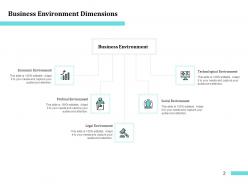
Slide 2: This slide showcases Business Environment Dimensions describing- Business Environment, Economic Environment, Political Environment, Legal Environment, Social Environment.
Slide 3: This slide describes Economic Environment.
Slide 4: This slide showcases Political Environment with Increasing Legislation, Changing Government Agency Enforcement, Increased Emphasis on Ethics & Socially Responsible Actions.
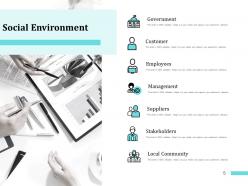
Slide 5: This slide describes the Social Environment with Government, Customer, Stakeholders, Suppliers, Management, employees etc.
Slide 6: This slide showcases Legal Environment describing- Laws, Government Policies, Governement agencies, Pressure groups etc.
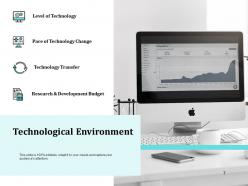
Slide 7: This slide describes Technological Environment with- Research & Development Budget, Level of Technology, Technology Transfer, Pace of Technology Change.
Slide 8: This is Business Environmental Scanning Icons Slide.
Slide 9: This slide displays Graphs & Charts.
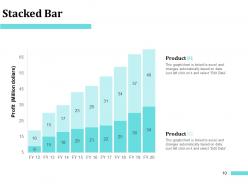
Slide 10: This slide displays Stacked Bar chart with product comparison.
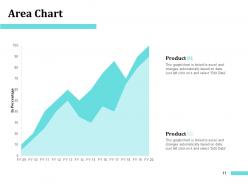
Slide 11: This slide showcases Area Chart with product comparison.
Slide 12: This slide is titled as Additional Slides for moving forward.
Slide 13: This is Our Team slide with names and designation.
Slide 14: This is Our Mission slide with Vision, Mission and Goals.
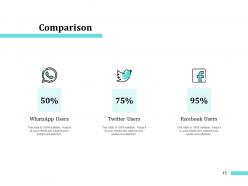
Slide 15: This slide showcases Comparison between wahtsapp users, twitter users, facebook users.
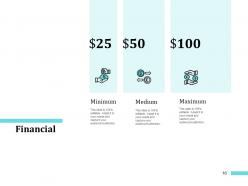
Slide 16: This is Financial slide showcasing Minimum, Medium, Maximum.
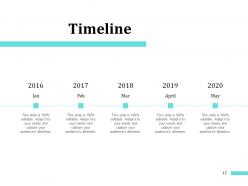
Slide 17: This is five years Timeline slide.
Slide 18: This slide is titled as Post it Notes. Post your important notes.
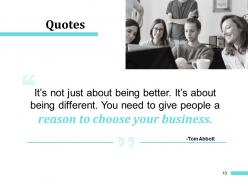
Slide 19: This is Quotes slide.
Slide 20: This is Thank You slide with address, email address and contact number.
Business Environmental Scanning Powerpoint Presentation Slides with all 20 slides:
Amaze the cynics with our Business Environmental Scanning Powerpoint Presentation Slides. They will be forced to become believers.






FAQs for Business Environmental Scanning
You need four main things: collect data systematically, get input from stakeholders, analyze trends, and review regularly. Monitor internal stuff like your company's performance plus external factors - competitors, regulations, tech changes, economic shifts. Honestly, it's super easy to drown in all this information (I've been there). Look for patterns and early warning signs that might mess with your strategy. Oh, and set up quarterly check-ins to see what you've actually learned. Don't overthink it - just focus on what's really impacting your industry right now and adjust from there.
Dude, tech has totally changed how we track what's happening around our businesses. AI can crunch crazy amounts of market data now. Social media sentiment tracking too - stuff that would've needed whole teams before. Real-time competitor monitoring is pretty wild. Honestly though? Sometimes I think there's almost too much info available. Like, you can get completely buried in data if you're not careful. The trick is figuring out what actually matters for your decisions instead of just collecting everything. Way faster than the old days but you've gotta stay focused.
Think of SWOT as your sorting system for all that data you're collecting. External stuff - threats and opportunities - comes straight from scanning your industry and competitors. Internal strengths and weaknesses? That's from looking at your own organization. Honestly, it beats having a massive pile of random information with no structure. The trick is refreshing your SWOT every quarter with new findings. Otherwise you're making decisions based on old info, which is basically useless. Four simple categories make everything way more manageable - I'd start there and just keep updating as you learn more.
Honestly, start with Google Alerts or Hootsuite for tracking keywords around your industry and competitors. Twitter's trending section is clutch for catching stuff early. TikTok's weirdly accurate at showing what's about to blow up - their algorithm is scary good. I'd also watch hashtag performance and sentiment shifts since those usually hint at bigger changes coming. LinkedIn has decent industry insights too, though I don't check it as much. Just spend like 15 minutes each week scrolling through your social listening dashboard. You'll start noticing patterns that could either help your business or mess with it. The key is consistency - don't skip weeks or you'll miss the buildup.
So competitor analysis is like your early warning system - you're basically spying on what everyone else is doing before they blindside you. Pick maybe 3-5 main competitors and stalk their product launches, partnerships, all that stuff. Don't just look at what they're doing now though. Watch how they're setting up for what's coming next. Honestly, most companies are terrible at this and just react to everything. You want to spot the gaps they're missing and figure out your counter-moves ahead of time. It's kinda like chess but with quarterly earnings lol.
You've gotta stay on top of political and legal stuff or you'll get caught off guard. New regulations, policy changes, tax reforms - they can totally mess with your business if you're not paying attention. GDPR was a perfect example - companies that saw it coming had time to prepare while others were scrambling last minute. I always tell people to make this scanning part of their regular routine, not something you do when things go sideways. Spot changes early and you can adjust your compliance, pivot your model, or even jump into new markets before your competitors figure it out. It's honestly just good business sense.
SWOT analysis is the obvious place to start, but PESTLE's better for big picture stuff. IBISWorld and Mintel have amazing industry reports - just prepare your wallet lol. Google Alerts is clutch for tracking trends automatically. I probably spend way too much time scrolling competitor websites, but you'd be surprised what you find. Government databases are boring but free and reliable. Start with Google Trends and news aggregators since they won't cost you anything. Trade publications are solid too. Once you get the hang of it, that's when you can justify paying for the fancier tools.
Honestly, just use whatever you find to make your next calls - tweak your products, change pricing, whatever makes sense. If your scan shows a competitor tanking or new rules coming? Jump on that opportunity or get compliant early. Think of it like insider info that's actually legal lol. The trick is being ready to move instead of just hoarding data like some business dragon. I'd test small stuff first though. Run pilots before you bet the farm on some huge pivot. Most companies collect tons of intel then just... sit on it. Don't be those guys.
Honestly, the hardest part is just drowning in too much information - you'll go crazy trying to read everything. Plus you end up overthinking obvious stuff while completely missing the weird little signals that actually matter. My advice? Figure out exactly what you're looking for first, then set some boundaries. Automated tools help filter things, but don't trust them completely. Get other people involved too since they'll spot patterns you miss. Oh, and here's the thing - perfectionism will kill you here. Better to move on decent insights than wait around forever for the "perfect" data. Time constraints are real, so just build a regular review process and stick with it.
Totally doable on no budget! Google Alerts are your best friend - set them up for industry stuff you care about. LinkedIn is where I waste half my day but honestly, you'll catch trends and see what competitors are doing. Free newsletters work great too. Join some local business groups or online forums where your people hang out - that's where the real intel is. Oh and social media stalking of competitors is fair game lol. Just block out like 30 minutes each week to scan everything and write down what matters. Make it a habit and you're golden.
Look, you can't just do one big scan and call it quits. Business stuff changes literally every day - new competitors pop up, regulations shift, customers want different things. Think of it like checking the weather once in winter and assuming you're good for months (yeah right). Missing stuff between your regular checks means you'll be blindsided by opportunities or threats. Your strategy gets stale fast. I'd set up some Google alerts for your industry keywords and maybe spend 30 minutes each week just seeing what's happening. Trust me, staying plugged in beats scrambling to catch up later.
So you'll want to focus on what actually moves the needle in your specific industry. Tech companies should watch data privacy rules, new technologies, and VC funding trends. Healthcare? Track FDA stuff, demographics, and policy changes religiously. Finance obsesses over interest rates (obviously), while retail cares more about consumer habits and supply chain mess. Match your scanning speed to how fast things change - tech moves crazy fast so maybe weekly, but utilities can probably get away with monthly check-ins. Honestly, just pick 3-5 external factors that have historically rocked your industry and build everything around those core things.
Track prediction accuracy first - how often did your team spot trends before competitors? Response time matters too (from spotting something to actually doing something about it). Coverage is huge - are you scanning political, economic, social, tech stuff comprehensively? Also check if people actually read your reports. Honestly, most environmental scanning docs are deadly boring and get ignored. But here's what really counts: ROI. Can you point to specific decisions or dodged bullets that came straight from your scanning work? That's your golden metric right there. Start with maybe 3-4 measures and expand later.
Honestly, cultural awareness is like having the right glasses on when you're looking at different markets. We totally bombed some Southeast Asia research a few years back because we read everything through our own lens. You'll miss huge signals about consumer behavior and competition if you don't get local values and communication styles. Bringing actual local voices into your scanning process? Total game changer. Other companies overlook opportunities because they're basically flying blind. Short version - understand the culture or you're just guessing at what the data actually means.
Honestly, AI is already changing environmental scanning in ways that'll hit your work soon. Instead of those quarterly reports, you're gonna need real-time dashboards - the whole industry's moving that direction. Climate risks and ESG stuff? That's not optional anymore, it's core business now. The pace is kinda nuts if I'm being real. You'll also have to track social media sentiment since everyone expects total transparency these days. My advice? Start playing with automated scanning tools now. Way better than being behind the curve later when this stuff becomes standard. Predictive analytics are replacing the old reactive approach pretty much everywhere.
No Reviews