


Electrical Service Contractor Proposal Powerpoint Presentation Slides




Try Before you Buy Download Free Sample Product
 Impress Your
 Audience
 100%
100% Editable
 Save Hours
 of Time


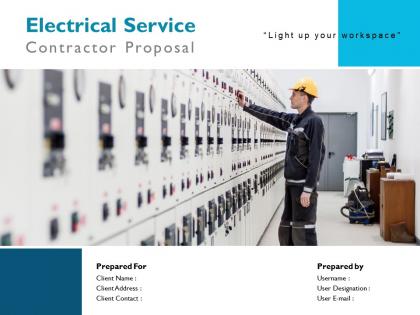
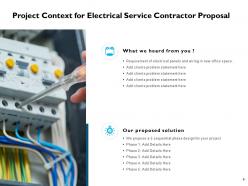
Introducing Electrical Service Contractor Proposal Powerpoint Presentation Slides to impress your clients and prospects. Retain the current clients and build a network of new clientele by employing this electrical proposal template. Project the worth and value of your services when it comes to any electrical project whether it involves installation or maintenance. Place a convincing bid and reinstate the hiring of your services by making use of this attention-grabbing electrical business PowerPoint layout. Showcase your experience in handling some of the most complex electrical projects here. Qualified personnel is always a boon for a company. So, state your qualifications and previous achievements to gain the trust and loyalty of your customers. State the specifics of your electrical services whether it involves residential, commercial or governmental projects. Maintain the integrity of your business by testifying that you are a result-oriented organization. This PowerPoint complete deck is a useful tool for electricians, electrical agencies, construction businesses, contractors and any other group of individuals looking to create an impressive pitch. With various sections and subsections like project context, certifications, terms, and conditions, about us and others, this PPT theme is worth the investment. Apart from this our electrical contract PowerPoint visual can help you present your investment details as accurately as possible, helping the client make the right decision. With a fully editable layout, you can add the information and stats as deemed fit for your organization. Edit the format, design and other attributes to make it adaptable to your brand and its requirements. So, grab our electrical business sample contract PPT graphic now, to land new projects every day and increase your clientele.
People who downloaded this PowerPoint presentation also viewed the following :
Electrical Service Contractor Proposal Powerpoint Presentation Slides with all 25 slides:
Use our Electrical Service Contractor Proposal Powerpoint Presentation Slides to effectively help you save your valuable time. They are readymade to fit into any presentation structure.










FAQs for Electrical Service Contractor Proposal
Your proposal should hit the basics: scope of work breakdown, materials with specs, labor costs, and timeline. Include your licensing and insurance info too - people always ask for that stuff anyway. Don't skip permits/inspections because that'll come back to haunt you later. Payment schedule needs to be super clear upfront. Oh, and definitely add some references or photos from past jobs since electrical work freaks people out if they don't trust you. Warranties are good to mention. Honestly, the more detailed you are now, the fewer headaches you'll have later when they start nitpicking everything.
Start with your licenses and certifications - clients always check those first. After that, show specific project examples that match what they're looking for. Include actual details like project size, timeline, stuff like that. Photos of finished work are huge too. Don't just say "20 years experience" because honestly, every contractor says that. Client testimonials work really well. Make sure you mention any master electrician credentials your team has, plus specialty training or manufacturer certs. The whole thing is about being specific rather than vague - show them exactly why you're their guy for this particular job.
Start with NEC standards - that's your baseline for any electrical proposal. Local building codes matter too, obviously. OSHA safety requirements are non-negotiable. State licensing regs will vary depending on where you're working. Commercial clients can be super anal about IEEE standards, so heads up on that. Oh, and if you're dealing with any hazardous stuff, don't forget environmental regulations for disposal. Always call out exactly which codes you're following in the proposal itself. Makes you look legit and covers your ass if something goes sideways later.
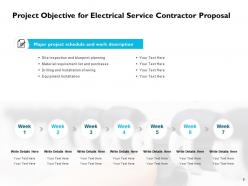
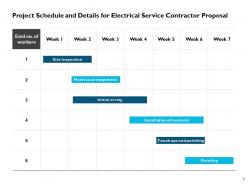
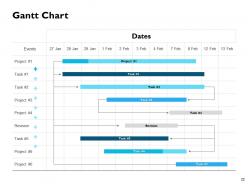
Dude, break your project into phases with actual dates and what gets done when. Mobilization first, then rough-in, inspections, finish work, testing - you know the drill. Always pad your timeline because permits are basically a black hole where time goes to die. Gantt charts work great if your client's into that visual stuff. Here's the key thing though - tie payments to finishing milestones, not just calendar dates. Saves your ass if things get delayed. Oh, and definitely mention weather delays and material shortages upfront so they can't act surprised later.
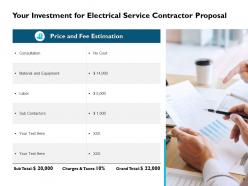
Honestly, break your services into tiers - basic stuff versus the fancy options. That way clients pick what they can actually afford. I always throw in different material choices too because not everyone needs top-shelf everything, right? Bundled packages usually crush competitors who price everything separately. Your warranty and how fast you respond? Those sell just as much as price does. Oh, and definitely scope out what others are charging first. You want to be competitive but not stupid about it - there's a sweet spot where you're not the cheapest OR the most expensive.
Oh man, definitely put warranty info right in there - clients always check that stuff when they're shopping around. Be super specific about what you'll cover and for how long, because trust me, people will assume way more than you actually promised. I had a buddy who learned that lesson the expensive way lol. Break down parts vs labor coverage too since that gets confusing. Honestly, good warranty terms can totally set you apart from other contractors if yours are solid. Don't just bury it somewhere - make it obvious and sell it as a benefit.
Dude, testimonials are like your proof you're not just talking out of your ass. People want to see you've actually solved problems like theirs before. I always tell clients to skip straight to the "what others said" part - way more honest than all that technical jargon anyway. Case studies work even better since they walk through your whole process. Just make sure you ask permission first (learned that one the hard way). Real names and specific details make all the difference. It's basically showing instead of just telling, you know?
You gotta match your proposal to who you're talking to. Homeowners want to hear about safety and warranties - they're worried about their family and investment. Commercial guys? Show them efficiency numbers and compliance stuff. Industrial clients obsess over downtime (seriously, they'll lose their minds if you shut down their operation for too long). Don't send the same generic proposal to everyone - it's painfully obvious and clients can smell it from a mile away. Homeowners don't need technical jargon that would make sense for a facilities manager. Always drop in specific details about their building or something you noticed during your site visit. Shows you actually care.
Dude, definitely lead with your OSHA stuff and lockout/tagout procedures right at the top. Safety certs and your clean record? Pure gold - clients love seeing that. Get specific too - arc flash protocols, confined space work if it applies, how you'll play nice with other trades. Insurance and bonding details are boring but necessary. Oh, and don't just list training hours like a robot. Actually explain your protocols so it feels real, not like you're going through some corporate checklist. The whole safety thing can make or break these bids honestly.
Definitely push the energy-efficient stuff - LED upgrades, smart controls, high-efficiency panels. People eat that up right now. Get specific with your numbers though. Show them projected savings and ROI calculations because clients love seeing actual dollar amounts. Mention any green certs your team has or solar experience. Honestly, I'd even bring up LEED credits if it applies to their project. The whole sustainability angle is huge these days, so don't hold back on it. You're basically showing them you think bigger picture than just the immediate electrical work - like their long-term costs and environmental impact.
Dude, definitely look into Jobber, ServiceTitan, or FieldEdge - they're made for electrical work and automatically fill in your pricing and material costs. Way better than messing around with Word docs forever. PandaDoc or Proposify work too if you want more flexibility with customizing stuff. Most of them sync with QuickBooks which is honestly a lifesaver since you won't have to enter everything twice. I'd grab a free trial first - my buddy saved like 3 hours a week once he switched. Just pick whichever one feels right with how you already do things.
Honestly, visuals are huge for technical proposals - they turn confusing electrical stuff into something clients can actually wrap their heads around. Like, you can show circuit layouts and load calculations way faster than explaining it all in text. Nobody wants to read through paragraphs of dense technical jargon when they're trying to figure out what they're paying for, right? Charts work really well for cost comparisons and energy savings too. Just make sure your diagrams actually help tell the story instead of being random decoration. Oh, and don't forget clear labels - sounds obvious but you'd be surprised how often people skip that.
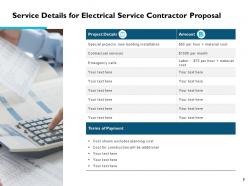
Dude, scope creep will kill you - be super specific about what electrical work you're covering. Panel upgrades, permits, all that stuff needs to be spelled out. Your pricing breakdown should be crystal clear too. Labor, materials, change order fees, everything transparent from the start. Timeline-wise, don't get lazy with generic estimates because they'll bite you later. Oh, and electrical work always has surprises, so build in contingencies for weird stuff you'll inevitably find behind walls. Make sure your license and insurance info is current and easy to find - contractors forget this more than you'd think.
Hey! So first things first - get back to them fast, like within a day if you can. Shows you actually care about their business. Go through each thing they mentioned one by one instead of giving some generic response. Scope changes, money stuff, timeline issues - tackle it all directly. Here's the thing that took me forever to learn: don't get all defensive when they question your pricing (even though it stings a bit). Just walk them through why you priced it that way. Oh, and if they want big changes? Make a whole new proposal with version numbers. Trust me on this one - it saves so much confusion later. Get everything confirmed in writing before you start though.
Wait about a week, then send a quick email asking if they need anything else. After that, hit them up every 7-10 days - but don't be that annoying person who won't leave them alone! Each time you reach out, make it worth their while. Share something useful like project updates or answer questions they might have. Honestly, most clients actually like when contractors stay in touch without being weird about it. If it's been 3-4 weeks with radio silence, just ask straight up about their timeline. Oh, and set phone reminders or you'll totally forget to follow up consistently.
-
Thanks
-
It saves your time and decrease your efforts in half.
-
Professional and unique presentations.
-
Easily Editable.
-
Use of icon with content is very relateable, informative and appealing.
-
Nice and innovative design.
-
Innovative and Colorful designs.