


Painting contractors proposal template powerpoint presentation slides




Try Before you Buy Download Free Sample Product
 Impress Your
 Audience
 100%
100% Editable
 Save Hours
 of Time


Find the ideal image in our Painting Contractors Proposal Template Powerpoint Presentation Slides. Discover an array that happen to fit he bill.
People who downloaded this PowerPoint presentation also viewed the following :
Painting contractors proposal template powerpoint presentation slides with all 30 slides:
Discover an array of images that fit the bill in our Painting Contractors Proposal Template Powerpoint Presentation Slides. Choose one that appears ideal.




FAQs for Painting contractors proposal template
Dude, you'll want to nail down the scope of work first - what exactly you're painting and how. Materials list with specific brands and quantities is huge. Break down your labor costs and give them a realistic timeline with actual dates. The boring legal stuff matters too - licensing, insurance, warranty info. Surface prep is where most people screw up honestly, so be super specific about that part. Oh and definitely add a change order section because something always comes up halfway through. I learned that the hard way. Keep everything itemized so nobody's surprised when the bill comes.
Look, a solid proposal is basically your first impression - and it shows you're not some fly-by-night contractor. Break down your scope, timeline, and costs clearly so there's zero confusion later. Clients hate surprises (trust me on this one). You'll stand out when yours actually addresses their specific project instead of looking like a template. Make it easy to scan with bullet points and clear sections. Most homeowners are swamped and won't read a wall of text. When they can quickly see what they're getting for their money, you're way more likely to land the job.
Dude, you NEED a detailed scope of work - it's like your safety net against nightmare clients. Break everything down room by room: which surfaces, how many coats, prep work, materials, timeline, all of it. I've watched too many contractors get screwed because they wrote some vague proposal and suddenly the client thinks they're getting their whole house painted for the price of one room. The more specific you are, the better you can price things out. Plus clients actually trust you more when they see you've thought through every detail. Honestly saves everyone headaches later.
Dude, multiple pricing tiers are a game changer. Clients feel way more in control when they can choose between options. I usually do three levels - basic, middle, and premium. Here's the thing though - most people automatically gravitate toward the middle option anyway, it's weird but true. You're not stuck with just one price that might scare them off. Structure it like "good, better, best" so the value differences are obvious. Way better odds of landing the job since you're covering different budget ranges. Trust me on this one.
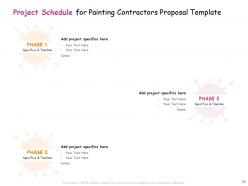
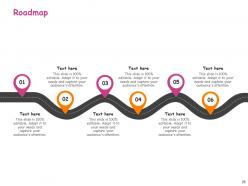
Look, the timeline is basically your roadmap that shows clients when you'll start and wrap up each phase. Homeowners love this stuff because they can plan around it - like when to move furniture or whatever. Break it down into prep, priming, painting, cleanup so there's no confusion. Always pad in buffer days though, trust me on this one. Weather happens, supplies get delayed, life gets messy. It also protects you when things go sideways (and they will). Honestly, skipping timelines in proposals is just asking for headaches later. Set those expectations right from the start.
Dude, photos are everything in painting proposals. Clients can't picture what you're talking about without visuals - throw in some before/after shots from similar jobs, color samples, maybe even a quick sketch on your phone. Trust me, even crappy phone drawings work better than walls of text. Your past work builds credibility and honestly makes it way easier to justify your prices when they see the actual transformation. Most contractors just send boring written bids, so you'll automatically stand out. I always include at least 2-3 project photos minimum.
Definitely add disclaimers about color differences - samples never look exactly the same on their actual walls because of lighting and texture. Timeline stuff is huge too since weather screws everything up, plus their "perfect" walls always need way more prep than they think. I learned that one the hard way! Cover yourself on extra costs if you find damage during prep work. Don't forget liability limits for existing surface problems and warranty exclusions for normal wear. Specify what's NOT included in your base price upfront. Saves you from those annoying "I thought that was included" conversations later.
Definitely throw in a portfolio with solid before/after shots - that's what people actually care about. List your certifications and experience too. Client testimonials are huge because nobody trusts contractor websites anymore lol. Oh, and don't forget insurance info plus any manufacturer certs you've got. Team size matters. Specialized techniques you use should get a mention. Honestly, showing beats telling every time. Real examples of your work hit way harder than saying you're "reliable and professional" like every other guy with a truck.
Honestly, the trick is making each proposal feel custom-made. Switch up your project descriptions to match what they actually need - like if it's residential vs commercial or whatever timeline they're working with. I always drop in something specific about their property or industry so they know I was actually listening during our call. Swap out portfolio photos for similar work you've done. Same with testimonials - try to use ones from comparable projects if you've got them. Oh, and definitely adjust your pricing structure based on their situation. Sounds obvious but you'd be surprised how many people just change the name and send the same thing to everyone.
Don't just stick testimonials at the end - spread them around! Right after you explain your painting process, throw in something like "Sarah M. said our prep work was the most thorough she'd ever seen." I'd definitely add before/after photos with client quotes as captions (people eat that stuff up). Create a "Recent Projects" section with 3-4 similar jobs - include names, project details, and short testimonials. Just make sure you get permission first obviously. Match the testimonials to whatever services you're actually proposing for this specific client.
Get your payment schedule locked in first - I usually do 20% upfront, 50% halfway through, then 30% when it's done. Specify how you want to be paid and definitely include late fees because some clients will absolutely push those boundaries. Be super clear about what triggers each payment too. Long projects? Add material cost escalation clauses since prices change. Oh, and include lien rights language - sounds intimidating but it's just covering your ass legally. Trust me, being crystal clear from the start saves you from those weird money conversations later when things get awkward.
Okay so here's the thing - when clients can actually understand your proposal, they trust you way more. Jargon makes people suspicious, like you're hiding something or trying to sound smarter than you are. I've watched contractors blow deals because their proposals read like engineering textbooks. Nobody has time for that. Break everything down into normal words. If you have to use technical terms, just explain them quickly. The client should finish reading and think "yeah, this person actually gets what I need." Short sentences work. So do longer ones that flow naturally when you're explaining the trickier stuff.
So for painting proposals, I'd probably start with Canva - their templates actually look pretty professional and it's free. Jobber and PaintScout are made specifically for contractors if you want something fancier. ServiceTitan's another good one but might be overkill if you're small. Google Docs works fine too, honestly I used that for way longer than I should have. Once you start getting busier, PandaDoc's worth it for the e-signature stuff - saves you from chasing people down. I'd mess around with the free options first, see what clicks for you.
Dude, you HAVE to follow up - I can't stress this enough. Most homeowners get tons of proposals, so you need to stay on their radar. I've watched so many painters just send their quote and then... nothing. Such a rookie mistake! Plus following up gives you chances to answer questions or tweak your bid if needed. Wait 2-3 days, then shoot them a quick "hey, did you get my proposal?" email. After that, check in weekly until they give you a real answer. Trust me, the painters who follow up consistently are the ones booking jobs.
Dude, scope and timeline are huge - be super specific or clients will flip when things take longer than expected. Never lowball to get the job, you'll hate yourself when you're losing money. Paint quality matters too, spell out exactly what prep work you're doing and who handles cleanup. Weather delays are gonna happen (especially if you're in a place with actual seasons lol), so put that in writing along with how you handle changes. Oh and break down your pricing - people get weird when they see one big number. Basically just be realistic upfront and don't leave room for confusion.
No Reviews