


Contractor services proposal powerpoint presentation slides




Try Before you Buy Download Free Sample Product
 Impress Your
 Audience
 100%
100% Editable
 Save Hours
 of Time


Present your home refurbishing skills and techniques by incorporating our content ready Contractor Services Proposal PowerPoint Presentation Slides. Convince your potential client to hire your company as a contractor for their home renovation project. You can highlight that your firm provides unique solutions by suggesting appropriate changes that bring a fresh look to your client’s premises. The full responsibility your agency takes in maintaining hygiene and cleanliness can be illustrated with the help of our professionally designed residence renovation bid PPT theme. Introduce your qualified team to emphasize the high standard services your organization provides for catering to the needs of its consumers. Project context and objectives can be listed effectively and the solutions can be suggested by employing our home construction agreement PowerPoint template. The factors on which the cost is estimated can be explained effectively to your clients with this contractor’s services PPT visuals. You can also mention the project specifications including blueprints, drawings, or plans here. The description of each phase namely mobilization, groundwork, substructure, superstructure, masonry, services, finishing and completion can be elucidated by utilizing our home establishment contract PowerPoint slideshow. The completion time can be highlighted to get an estimate of the duration of the entire redecoration procedure performed by your enterprise. Additionally, investment approximation can be mentioned in our customizable home refurbishing contract PPT visuals. Give your organization an overview where you can state the relevant information such as employee strength, geographic presence, certifications, headquarters, etc. Download our residential remodeling bid PowerPoint template and showcase your proficient architectural skills.
People who downloaded this PowerPoint presentation also viewed the following :
Content of this Powerpoint Presentation
Slide 1: This slide introduces Contractor Services Proposal. State Company name, Client information and User information.
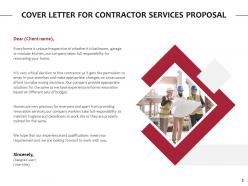
Slide 2: This slide displays Cover letter.
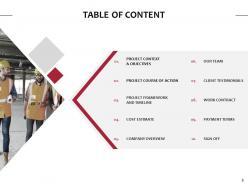
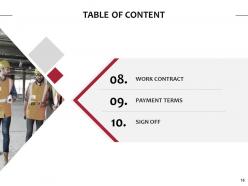
Slide 3: This slide displays Table of Content of the presentation.
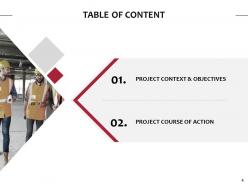
Slide 4: This slide displays the Table of the Context- with Project Context & Objectives Project Course Of Action.
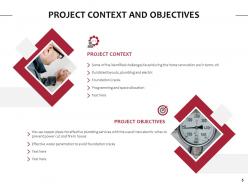
Slide 5: This slide describes Project Context And Objectives.
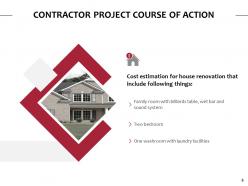
Slide 6: This slide showcases Contractor Project Course Of Action.
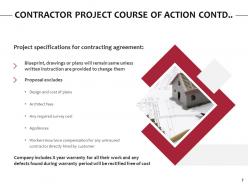
Slide 7: This slide is continued with Contractor Project Course Of Action.
Slide 8: This slide displays the Table of the Content of the Presentation.
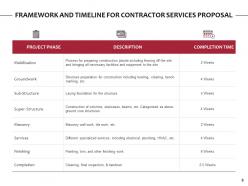
Slide 9: This slide depicts Framework And Timeline For Contractor Services Proposal.
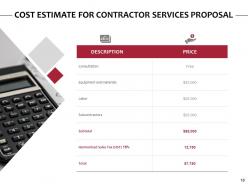
Slide 10: This slide presents Cost Estimate For Contractor Services Proposal.
Slide 11: This slide displays Table of Content with- Company Overview, Client Testimonials.
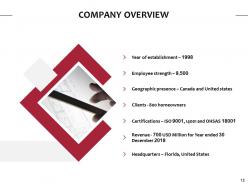
Slide 12: This slide depicts Company Overview.
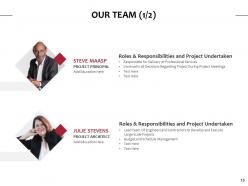
Slide 13: This is Our Team slide with names and designations.
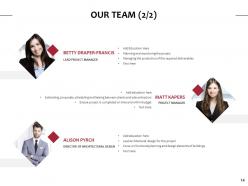
Slide 14: This is Our Team slide with names and designations.
Slide 15: This slide displays Client Testimonials.
Slide 16: This slide displays Table of Content with- Work contract, Sign Off, Payment terms.
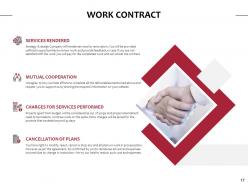
Slide 17: This slide displays Work Contract with Services Rendered, Mutual cooperation, Charges for services performed.
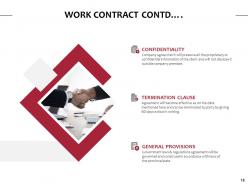
Slide 18: This slide is continued with Work Contract.
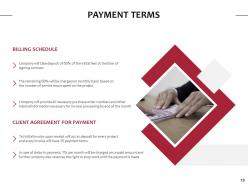
Slide 19: This slide showcases Client Agreement For Payment.
Slide 20: This is Sign Off slide.
Slide 21: This is Contact us slide with Address, Contact number and Email address.
Slide 22: This slide is titled as Additional Slides for moving forward.
Slide 23: This is About us slide to showcase company specifications.
Slide 24: This is Our Mission slide with Goal, Vision and Mission.
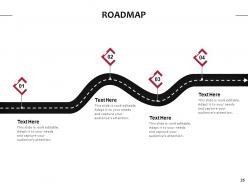
Slide 25: This slide depicts Roadmap process.
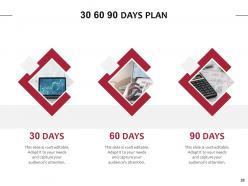
Slide 26: This is 30 60 90 Days plan slide.
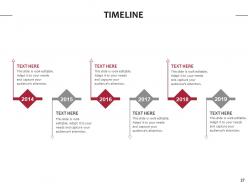
Slide 27: This slide showcases Timeline process.
Contractor services proposal powerpoint presentation slides with all 27 slides:
Eliminate the chance of any controversy with our Contractor Services Proposal Powerpoint Presentation Slides. It helps expose false information.

FAQs for Contractor services proposal
Okay so the big ones are scope of work (be crazy specific here), timeline with milestones, and itemized pricing. Include your credentials and past work too. Payment schedules matter - people want to know exactly when they're paying what. Oh, and spell out your revision policy upfront because that's where things get messy later. Insurance info is boring but necessary. I'd add a quick section about your actual process so they know what to expect. Honestly, most proposals die because the scope is too vague - like, what exactly are you NOT doing? Format it so it's easy to scan first, then they'll read deeper if they're hooked.
Don't just list your basic qualifications - everyone does that. Instead, show specific results with real numbers. Like, did you finish 30% faster than expected? Prevent some expensive screwup? Those stories matter way more than saying you're "reliable and experienced" (yawn). Get testimonials that actually tell what happened, not just "great work!" Oh, and throw in something extra - maybe a detailed timeline or extended warranty. Honestly, clients just want to know you'll reduce their headaches and deliver results. Show them exactly how you've done that before.
Dude, scope creep will destroy you if you're not specific upfront. Don't lowball just to get the gig - learned that one the hard way lol. Timeline buffers are clutch because everything takes longer than expected. Also spell out your revision policy, payment schedule, and what happens if they disappear halfway through (happens more than you'd think). Being vague about deliverables is basically asking for trouble. Oh and define what's NOT included too - saves so many headaches later. Honestly, over-communicate everything in the beginning even if it feels awkward.
Dude, customizing proposals is everything. You can't just copy-paste the same thing everywhere - learned that one the hard way! Different clients have totally different budgets and pain points. So you've gotta research their company first, then adjust your whole approach. The timeline, pricing, even how you talk about the project. Takes maybe an extra hour but it's so worth it. Shows you actually get what they need instead of looking like every other contractor spamming generic pitches. Honestly, it's what separates the pros from everyone else fighting for scraps.
Dude, design is huge for proposals - clients are judging you before they read anything. I learned this the hard way after sending out some pretty ugly ones early on. Clean fonts and decent spacing show you're not sloppy. Charts beat boring text blocks every time, especially for pricing breakdowns. Your logo needs to be there but don't go crazy with it. White space is your friend - cramped pages look amateur. Good design basically guides their eyes to the important stuff like costs and timelines. Trust me, make it scannable or it's getting tossed.
Dude, first thing - break everything down line by line and tack on 10-15% extra as your buffer. Price each task based on what you actually charge per hour plus materials, not some random number that feels right. Seriously, I've watched so many people underbid themselves into a nightmare. Material costs are all over the place right now so double-check those prices. Oh and document your assumptions in the proposal - saves your ass when they inevitably want to add stuff. Your best bet though? Look at what you spent on similar jobs before. That data's worth its weight in gold.
Break your timeline into actual phases with real dates, not vague "Q2" nonsense. Show them when you need their feedback or materials - clients love forgetting about that part. Always pad your schedule because Murphy's Law is real in this business. Dependencies matter too - if one thing gets delayed, what else gets screwed? Don't promise the moon just to win the project. Mention your team's current workload and any holidays coming up. Honestly, half of winning projects is just proving you've thought it through instead of winging it.
Honestly, testimonials and case studies are your best proof you actually know what you're doing. Anyone can say they're amazing, but showing a specific project where you saved money and finished early? That hits different. Plus when clients see others raving about your work, they trust you way faster than some fancy sales pitch. I always tell people to pick testimonials that match what they're pitching – like if you're going after a tech client, don't show them your restaurant work, you know? It's all about giving them evidence you can handle their specific situation.
Be upfront about risks but do it smart. Make a "Risk Management" section that lists potential problems AND your solutions - shows you're prepared, not just paranoid. I hate when people dump scary scenarios without fixes! For each risk, explain exactly what you'll do if it happens. Like "if X goes wrong, we'll immediately do Y." Build your contingencies right into the timeline and budget instead of hiding them somewhere. Way better than surprising people later. Shows you actually thought this through instead of just winging it.
Oh man, legal stuff absolutely matters when you're writing contractor proposals. I've watched so many people get screwed over because they thought they could wing it with vague language. You gotta spell out scope boundaries, who owns what IP, liability limits, termination clauses - all that fun stuff. Payment terms need to match local contract laws too. Don't forget insurance coverage and compliance requirements. Here's the thing though - write your proposal like it's already the actual contract, because half the time that's exactly what happens once everyone signs off. Better safe than sorry, trust me on this one.
Definitely break your payment into chunks - I usually do 30% upfront, 40% at midpoint, then 30% when it's done. That way you're not waiting forever for money (learned that the hard way). Make sure you're super clear about what triggers each payment too, like specific deliverables or milestones. Don't forget to specify net 15 or net 30 days - honestly, clients will take forever if you don't set boundaries. Late fees are your friend here. Also match your payment schedule to the actual timeline so you're not stuck waiting months between checks.
Put your unique selling point right up front in the executive summary - seriously, don't hide it later in the proposal. What makes you different? Maybe it's your expertise, speed, or approach. Show don't tell with real examples and numbers instead of boring "quality service" talk. I honestly can't believe how many proposals sound identical! Add a whole section comparing you to competitors. Be super clear about your value that others can't match. If they can't quickly see why you're special, they'll just go with whoever's cheapest. Trust me on this one.
Dude, try Proposify or PandaDoc first - both have solid contractor templates and you can customize everything without looking like an amateur. Bidsketch is solid too, especially for service work. Honestly? If money's tight, Canva works fine but you'll be doing more manual stuff. I used PandaDoc for like six months and loved how clean everything looked. The whole point is getting templates so you're not building proposals from zero each time. Both Proposify and PandaDoc have free trials, so test drive them and see which one doesn't make you want to throw your laptop out the window.
Definitely set up some kind of feedback system after you submit proposals. Most clients will actually tell you what went wrong (or right) if you just ask - even when you lose. I used to skip this step completely, which was dumb in hindsight. Keep notes on what they say. Maybe you're always pricing too high or your timelines sound unrealistic. Whatever patterns come up, work them into your next proposal template. Oh and here's the thing - don't just collect feedback and forget about it. Make a quick checklist from past comments to run through before hitting send on future proposals.
Dude, this is what separates you from contractors who ghost after sending proposals. Within a week, shoot them a quick message confirming they got everything. Answer questions. Show you actually care about their project - honestly, half these people can't even be bothered to follow up properly. Keep it casual though. Something like "Hey, wanted to check if you needed clarification on anything from my proposal." Clients notice good communication almost as much as your skills. You'll stay on their radar when decision time comes. Just set yourself a reminder so you don't forget.
No Reviews