

Commercial proposal powerpoint presentation slides





Try Before you Buy Download Free Sample Product
 Impress Your
 Audience
 100%
100% Editable
 Save Hours
 of Time


Our Commercial Proposal Powerpoint Presentation Slides are topically designed to provide an attractive backdrop to any subject. Use them to look like a presentation pro.
People who downloaded this PowerPoint presentation also viewed the following :
Commercial proposal powerpoint presentation slides with all 32 slides:
Use our Commercial Proposal Powerpoint Presentation Slides to effectively help you save your valuable time. They are readymade to fit into any presentation structure.


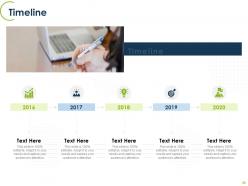
FAQs for Commercial proposal
Okay so first thing - nail the problem statement so they know you actually get what's bugging them. Then lay out your solution with real deliverables, not vague promises. Timelines and pricing need to be realistic (nobody believes you can rebuild their entire system in two weeks lol). Most clients honestly skip straight to the ROI section, so make that solid. Throw in some relevant case studies from their industry if you've got them. Keep your executive summary short because that's all some people read. Oh, and end with super clear next steps - like "call me Tuesday" level of specific.
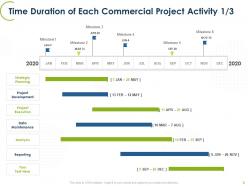
Dude, visuals are game-changers for proposals. People zone out reading walls of text, but throw in a chart showing ROI? Now they're paying attention. Mockups let clients actually picture your solution working for them - way better than describing it. I swear, timelines make even the craziest projects look doable somehow. Had a colleague land a huge deal basically because of one before/after slide. Sounds ridiculous but it's true. Just don't get carried away with flashy animations or whatever. Clean visuals that back up your main points are what work. Oh, and they're lifesavers during presentations when you need to keep people engaged.
Here's the thing - stop making proposals all about YOUR company. Focus on fixing their actual problems instead. Pricing and timelines need to be specific too because nobody wants nasty surprises down the road. Proofread it! I've seen brilliant solutions get tossed because of dumb typos. Generic templates are the worst - at least pretend you know what industry they're in. Keep it short since these decision-makers are swamped. Oh, and always end with a clear next step so they don't just sit there wondering what you want them to do.
Dude, you HAVE to customize that proposal. Generic ones literally get tossed - I've watched companies blow massive deals because they sent the same boring template to everyone. Dig into their actual problems and speak their language. Reference stuff they told you in meetings. Show them you actually listened, you know? The extra hour you spend tailoring each section will totally pay off. Cookie-cutter proposals just scream "we don't care about your business." Trust me, your win rate goes through the roof when clients feel like you actually get what they're dealing with.
Dude, market research is literally everything when you're writing proposals. Skip it and you're basically throwing darts blindfolded. I learned this the hard way watching proposals tank because someone thought they knew what the client wanted. Research shows you their actual pain points, budget reality, and how they talk about their problems. Then you can price things right and speak their language. Start with industry reports and competitor stuff - though honestly, nothing beats actually talking to their people first if you can swing it. Makes all the difference.
Think of your proposal like telling a story - sounds weird but trust me on this. Start with where they're struggling right now, then show them the path forward, and paint that picture of success at the end. I literally structure it like "here's your current mess, here's how we fix it, here's you winning." Skip the generic benefits stuff. Get specific about scenarios and actual outcomes instead. Oh, and try starting with "Imagine if..." next time rather than those boring bullet points. Way more engaging than the usual corporate speak everyone expects.
Put your best stuff right up front in the executive summary. Don't be vague - use real numbers like "cut costs by 30%" instead of just saying you're "cost-effective." I'd actually create a whole section comparing you to competitors because people want to see the differences laid out clearly. Bold your key points since everyone skims anyway. Customer testimonials are gold - they prove you're not just talking. Oh, and make sure each part of your proposal circles back to why you're the smart pick. It sounds obvious but you'd be surprised how many people forget this.
Okay so here's what actually works - break your pricing into chunks instead of one massive number that'll scare them off. I used to just throw out the total and wonder why people ghosted me lol. Always talk about what they're getting before you mention cost. Give them 2-3 options too, people love feeling like they have control. Your favorite package should be the middle one and call it "recommended" or whatever. Don't just say "marketing services: $5000" - spell out exactly what they're paying for. Honestly, being super transparent is way better than trying to be mysterious. Wrap it up with simple next steps and don't make your payment terms feel pushy.
Definitely follow up, but don't be annoying about it. Send a quick confirmation email within 24-48 hours first. Then wait about a week before checking if they need anything clarified - this actually reveals useful stuff about their timeline or concerns. Space out your next follow-ups every 1-2 weeks, but include something valuable like case studies or industry insights instead of just "touching base" (hate that phrase). After a month of radio silence, just ask directly about their timeline. Each time you reach out should give them something useful, not just remind them you're still breathing.
Honestly, competitor analysis is a game changer for proposals. You get to see exactly what everyone else is offering and - this is the good part - find those gaps where you can shine. Pricing becomes way less of a guesswork situation too. I always think it's like getting insider info before a big meeting. Plus you'll catch industry standards you might've totally missed otherwise. The real trick though? Don't just mimic what they're doing. Use what you learned to show why you're actually the better pick. It's about standing out, not blending in.
Honestly, I always look at the immediate vibe first - were people asking questions or just staring blankly? Good engagement usually means they're actually considering it. After that, watch what happens next. Are they booking follow-ups or asking for references pretty quickly? That's your real tell. Obviously conversion rate matters most - how many pitches actually close. But don't ignore the "nos" either, especially if they give you solid reasons why. I track my win percentage and how long decisions take. The quality of questions is huge too. Detailed questions about implementation? You're probably in good shape. Generic "we'll get back to you" responses... not so much.
Dude, templates are such a lifesaver. You basically build one solid proposal structure, then just swap in the client details - company name, what they need, pricing, whatever. No more staring at a blank page every damn time. Your branding stays consistent, payment terms are already there, and you won't accidentally forget to mention deliverables (been there). I probably save like 2 hours per proposal now? Start simple with one template and tweak it as you learn what works.
So break up your proposal with clear headings and consistent fonts - white space is your friend here. Executive summary first, then problem/solution/timeline/pricing. Short paragraphs work best. Bullet points are clutch because honestly, no one's reading dense paragraphs anymore. Contact info and next steps go at the bottom where people can actually find them. Don't be afraid to throw in some visuals if they make sense. Oh, and always export as PDF - learned that the hard way when formatting got completely butchered in an email once.
Figure out how they actually make decisions first - that's gonna drive everything else. Who's the real decision-maker? Some companies are all about consensus while others have one person who just decides. Timeline matters too. If they're penny-pinchers, hit them with pricing upfront. Committee situation? Give your internal champion stuff they can easily share around (trust me, this happens more than you think). The whole point is matching your proposal to how their brain works. Short version: mirror their process and you're way more likely to win.
Honestly, just start with Canva - their proposal templates are solid and you can't really go wrong. PowerPoint works too if you're broke lol. Adobe Creative Suite is obviously amazing but kinda overkill unless you're doing this professionally. I've been seeing people make crazy good proposals in Notion lately which is weird but cool. Figma's great for custom layouts. Oh and there's these newer tools like Pitch and Beautiful.ai that are built specifically for this stuff. My brother swears by InDesign but that's more if you want to get serious about design. Start simple, then upgrade when you actually know what you need.
-
This is one of the best slide for all business.
Thanks a lot -
Innovative and Colorful designs.
-
Thanks for all your great templates they have saved me lots of time and accelerate my presentations. Great product, keep them up!
-
Editable templates with innovative design and color combination.
-
Excellent template with unique design.
-
Great product with highly impressive and engaging designs.