

Price proposal powerpoint presentation slides





Try Before you Buy Download Free Sample Product
 Impress Your
 Audience
 100%
100% Editable
 Save Hours
 of Time


Enhance your confidence in getting it correct with our Price Proposal Powerpoint Presentation Slides. It ensures consistency improves.
People who downloaded this PowerPoint presentation also viewed the following :
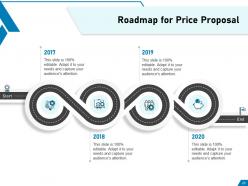
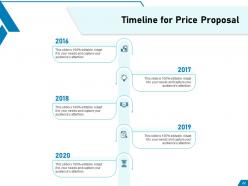
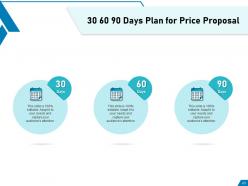
Price proposal powerpoint presentation slides with all 23 slides:
Conduct happening events with our Price Proposal Powerpoint Presentation Slides. Folks will come flocking for a good experience.

FAQs for Price proposal
Start with your pricing structure right upfront - don't make them hunt for it. Break down what's in each package, show them the value immediately. Honestly, too many people bury the good stuff on slide 12 and wonder why they lose people. Throw in competitor comparisons if they make you look good, plus payment terms and your timeline. Oh, and scope assumptions - super important. The real trick is figuring out what they'll push back on and addressing it first. Practice those transitions too so you're not just robotically reading slides.
Honestly, visuals are a game-changer for pricing stuff. People's eyes just glaze over when you throw spreadsheets at them - I learned that the hard way. Charts work great for tiered pricing, and comparison tables make it super obvious why one option's better than another. ROI calculations? Nobody wants to do math in their head during a presentation. Graphs showing savings over time or breaking down bundles help people actually get why you priced things that way. Oh, and stick to one main visual per pricing point you're covering. Any more than that and you'll lose them again.
Dude, prep is everything here. Do your homework on their company first - budget issues, past vendors, obvious pain points. That way you can guess what they'll hit you with. Practice the hard questions with your team beforehand (seriously saved my ass multiple times). Don't wait for them to bring up concerns - address the big ones upfront in your slides. "Too expensive," long timelines, whatever. Have backup solutions ready and actual data to prove your points. Oh, and role-playing those curveball questions? Game changer. You'll walk in way more confident.
You've gotta speak their language, honestly. Healthcare people want to hear about patient outcomes and compliance costs. Tech folks? They're all about scalability and how fast you can integrate. Manufacturing cares about efficiency and avoiding downtime - that's their bread and butter. Don't make my mistake of using the same ROI pitch for a nonprofit that you'd use with some Fortune 500 exec. Research their pain points first. Some industries love getting into the technical weeds, others just want the big picture strategy stuff. Pro tip: ask your contact what metrics their leadership actually tracks. Saves you from guessing wrong.
Look, dry numbers kill deals. You need stories instead. When you share how another client went from struggling with [their exact problem] to crushing it after working with you, suddenly your price makes perfect sense. I've watched proposals go from "meh" to "yes!" just because someone told a real customer story instead of rattling off features. Stories give context to your pricing - it stops feeling random and starts feeling like a smart investment. Oh, and don't reveal your price until after you've painted the picture of their success. Trust me on this one.
Always talk about benefits first - never lead with price. Show them the problem you're fixing and how it'll change their business. I like saying "here's what you get" instead of "here's what it costs." Paint that picture of their life being better, then connect your actual deliverables to stuff they actually care about. Time saved, more revenue, fewer headaches - that kind of thing. Don't just rattle off features! Once you've built up all that value (this part takes patience honestly), then present your pricing as investing in those outcomes. Not just another expense.
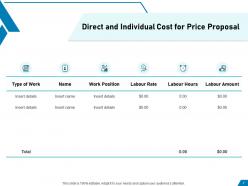
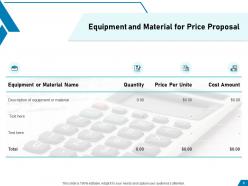
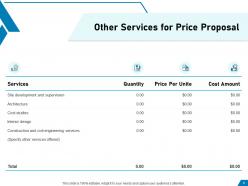
Break your costs down into clean chunks - labor, materials, overhead - with subtotals for each. Charts beat paragraph dumps every time. I learned this the hard way after sending a client a novel-length estimate once. Short explanations for each line item help too, so they're not staring at mystery numbers. Show different pricing tiers if you've got them, and definitely separate one-time stuff from monthly costs. The goal? Make it super easy for them to scan and defend your pricing when their boss inevitably asks questions.
Definitely include competitive analysis - it's what makes clients take you seriously. I've watched solid proposals crash and burn because they pretended competitors didn't exist. Pick 2-3 areas where you actually beat the competition and spell those out clearly. Maybe it's faster delivery, better track record, whatever makes you stand out. Honestly, clients need this stuff to justify picking you when their boss inevitably asks "why not the cheaper option?" Even just one slide works. Shows you get the market and aren't living in some fantasy bubble.
Lead with the executive summary - price, timeline, main benefits right up front. Walk them through your methodology next so they get how you landed on those numbers. Honestly, this part's crucial for building trust. Break costs down by category or phase, but definitely spell out what's NOT included - saves you headaches with scope creep later. Address their likely concerns before they ask, and throw in some comparison options if you've got them. End with clear next steps and decision timeline. Oh, and keep detailed breakdowns in appendices just in case, but don't dump all that data into your main slides.
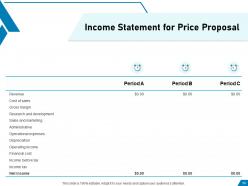
Start with competitive benchmarking - show how your pricing stacks up against similar solutions. Cost breakdowns help too, like breaking down labor, materials, overhead. ROI projections are clutch since everyone wants to see potential returns. Charts and graphs honestly make anything look more legit, even basic data. Case studies from similar clients work well for proving value. The whole point is making your numbers feel objective, not like you just pulled them out of thin air. Oh, and always have 2-3 solid data points ready to shut down the "too expensive" pushback.
PowerPoint and Google Slides are fine for basic stuff, but honestly? Canva or Pitch will make your proposals look way better without any design skills. PandaDoc and Proposify are solid for more complex pricing - they've got templates made specifically for proposals plus interactive tables. I've watched people spend forever trying to format things in PowerPoint when these other tools basically do it for you. Kinda ridiculous really. If you're gonna be doing proposals regularly, definitely go beyond the standard presentation apps. Most have free versions so you can test them out first and see what clicks with how you work.
Okay so definitely practice out loud - I know talking to your mirror feels ridiculous but it actually helps. Work on hitting your main value points and smooth transitions between price stuff and benefits. Time it too so you don't run over. Oh and record yourself if you can! You'll catch all those "um"s and spots where you're rushing. Body language matters way more than people think - confidence really does sell itself. The big thing though? Have answers ready for their pushback questions. Do at least 3 full run-throughs before the real deal.
Don't lead with the price - that's like showing up to a first date talking about splitting the check. Build up what they're actually getting first. I've seen so many people apologize for their rates or get all weird about it, which just screams "I don't believe in my own value." Bad look. Keep your pricing structure simple too. Nobody wants to decode some complicated breakdown with seventeen different tiers. Stay confident when you present it. Each cost should connect to something specific they'll benefit from. Oh, and never act defensive about your numbers - it kills your credibility instantly.
Shoot them a quick email within a day or two. Ask specific stuff - how was the structure, pricing clear enough, any red flags? Way better than those lame "how'd we do" questions everyone sends. What clicked for them vs what felt confusing - that's the good stuff right there. For big proposals, maybe ask for a 15-minute call to chat through it. Oh, and definitely ask what would make your next pitch stronger for their team. Keep notes on all this feedback because you'll start seeing patterns across clients. Trust me, it actually helps you get better instead of just guessing what went wrong.
Just be straight up about everything - no sketchy hidden fees or fake "discounts" where you jack up the original price first. Don't promise stuff your team can't actually deliver either. I've watched so many companies completely blow up deals because they oversold what they could do just to win the contract. Present realistic timelines, and honestly? Don't trash competitors with bogus comparisons - that always backfires anyway. Think about how you'd want pricing presented to you if you were buying. Keep it real and you'll save yourself a ton of headaches later.
No Reviews