

Employee Handbook Template Powerpoint Presentation Slides





Try Before you Buy Download Free Sample Product
 Impress Your
 Audience
 100%
100% Editable
 Save Hours
 of Time


The Employee Handbook Template is an invaluable tool for companies seeking to ensure that their employees fully understand their responsibilities and expectations. This comprehensive template covers all the essential aspects of company policies and procedures, including an introduction that outlines the purpose of the handbook and the companys core values. Additionally, the Employee Manual handbook covers critical policies such as confidentiality, non-discrimination, anti-harassment, and substance abuse, among others. The section on electronic and other communications highlights policies that employees should observe concerning personal use, copyright laws, email and other electronic communication, and security. The handbooks total rewards section covers essential aspects of compensation such as direct compensation and incentive pay, personal time off, and a quality work environment. The safe harbor policy and standards of conduct sections are also included, detailing expected behavior from employees. Furthermore, the handbook emphasizes the importance of customer service and caring for the companys IT systems. Our template is 100 percent editable, providing companies with a flexible tool that they can customize to meet their specific needs.
People who downloaded this PowerPoint presentation also viewed the following :
Content of this Powerpoint Presentation
Slide 1: This slide introduces Employee Handbook Template. Commence by stating Your Company Name.
Slide 2: This slide incorporates the Table of contents.
Slide 3: This slide reveals the Introduction of handbook.
Slide 4: This is our Welcome to the team slide.
Slide 5: This is Our core values slide for listing the firm's values.
Slide 6: This slide portrays the Statement on ethics.
Slide 7: This slide talks about Confidentiality and non-disclosure.
Slide 8: This slide highlights the Non-discrimination policy of the company.
Slide 9: This slide represents the Anti-harassment rule.
Slide 10: This slide elucidates the Substance abuse.
Slide 11: This slide showcases information on Electronic and other communications.
Slide 12: This slide talks about the Personal Use.
Slide 13: This slide states the Copyright Laws.
Slide 14: This slide presents the Email and other electronic communication.
Slide 15: This slide mentions about Security.
Slide 16: This slide focuses on Caring for the Company’s IT Systems.
Slide 17: This slide depicts the Total rewards.
Slide 18: This slide illustrates the Personal time off (PTO).
Slide 19: This slide talks about the Quality work environment.
Slide 20: This slide portrays the Flexible work schedules.
Slide 21: This slide provides information on Travel.
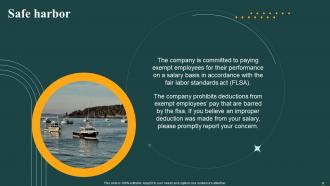
Slide 22: This slide displays the Safe harbor.
Slide 23: This slide exhibits the Standards of conduct.
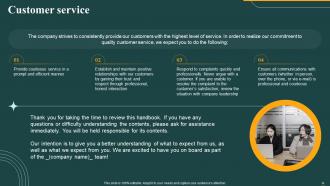
Slide 24: This slide highlights information regarding Customer service.
Slide 25: This is the Acknowledgment slide.
Slide 26: This is our Thank you slide.
Slide 27: This is the Icons slide containing all the Icons used in the plan.
Slide 28: This slide is used for displaying some Additional information.
Slide 29: This slide contains the Post it notes for reminders and deadlines.
Slide 30: This is Our goal slide. State your firm's goals here.
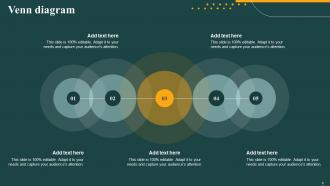
Slide 31: This slide showcases the Venn diagram.
Slide 32: This slide presents the company Timeline.
Slide 33: This is the Idea generation slide for encouraging fresh ideas.
Slide 34: This slide includes the firm's mission, vision, goal.
Slide 35: This is the 30, 60, 90 days plan slide for effcetive planning.
Slide 36: This is the Thank you slide for acknowledgement.
Employee Handbook Template Powerpoint Presentation Slides with all 41 slides:
Use our Employee Handbook Template Powerpoint Presentation Slides to effectively help you save your valuable time. They are readymade to fit into any presentation structure.
-

Employee Handbook Template
-

Table of contents
-

Introduction Slide
-

Welcome to the team
-

Our core values
-

Statement on ethics
-
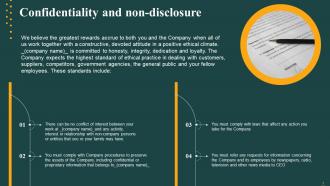
Confidentiality and non disclosure
-
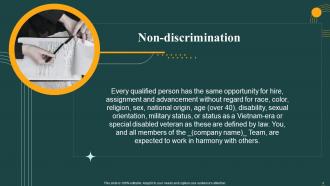
Non discrimination
-

Anti harassment
-
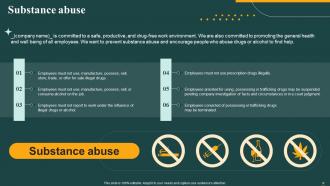
Substance abuse
-

Electronic and other communications
-
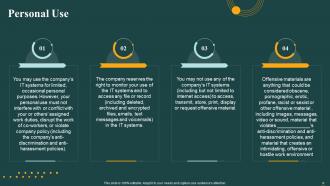
Personal Use
-

Copyright Laws
-

Email and other electronic communication
-
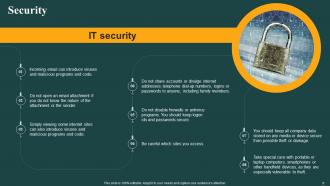
IT security
-
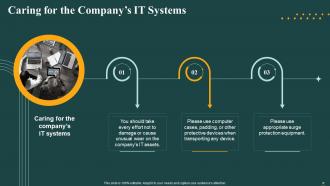
Caring for the Company s IT Systems
-
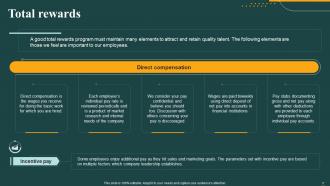
Total rewards
-
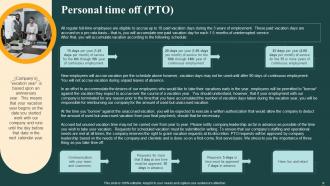
Personal time off PTO
-

Quality work environment
-

Flexible work schedules
-

Travel
-
Safe harbor
-

Standards of conduct
-
Customer service
-
Acknowledgment
-

Employee Handbook Template 2023
-

Icons slide for employee handbook template
-

Additional slides
-

Post it notes
-

Our goal
-
Venn diagram
-

Timeline
-

Idea generation
-

Our mission vision goal
-

Employee Handbook
-
Thank you for watching
-

-

-

-

-

FAQs for Employee Handbook Template
So you'll need the obvious stuff - attendance, PTO, pay/benefits, safety rules. The legal bits are super boring but you gotta include anti-discrimination policies and employment clauses or HR will lose their minds. Communication expectations and performance review processes are key too. Oh, and disciplinary procedures - nobody likes those conversations. Honestly, the welcome/culture section matters more than people think since it's their first real impression. Make sure you have clear headings and a table of contents. Trust me, someone's gonna need to find the sick leave policy at midnight and panic-scroll through everything.
Skip the basic "we don't discriminate" line - that's bare minimum stuff. Write out what inclusive behavior actually looks like daily, plus clear steps for reporting problems and getting accommodations. Most online templates for this are honestly garbage, so don't just copy-paste. Talk about your mentorship programs, employee groups, any diversity training you do. The trick is being specific about real policies instead of just corporate speak. People need to know how this stuff works in practice, not just read pretty mission statements that sound good but mean nothing.
Honestly, I'd do quarterly check-ins to stay on top of legal changes. Sign up for HR updates from your state's labor department - they're actually pretty helpful. Getting an employment lawyer to review stuff annually is worth it (way cheaper than lawsuits, trust me). Pay attention to the stuff that changes most: leave policies, discrimination rules, wage laws. Oh, and keep a simple log of what you updated and when. Don't wait around to tell employees about changes either - send updates right away instead of waiting for new handbooks.
Definitely add sections on remote work policies and communication expectations. How fast should people respond to Slack? What about video call etiquette? Also cover tech requirements and home office setups - honestly, some people's "offices" are disasters and it shows on calls. Data security is massive too since everyone's working from random locations now. For hybrid folks, spell out which days they need to be in office and how to book shared spaces. The thing is, all those unspoken rules from when we were physically together? They don't exist anymore. Go through your current template and mark anything that assumes everyone's in the same building.
Look, the handbook is basically damage control for day one chaos. New hires need somewhere to find all the boring but crucial stuff - PTO policies, dress codes, benefits info, general workplace rules. Sure, they'll still bombard you with questions anyway (because who actually reads everything?), but at least you can point them to page 12 instead of explaining the same thing five times. Those first few weeks are brutal when everything's unfamiliar. Just don't dump it on them and walk away - actually sit down and hit the important parts together during onboarding.
Don't just dump your values in one boring chapter nobody reads. Weave that stuff throughout everything! Like instead of saying "we value teamwork" - actually show how your collab tools work or mention those team awards you do. Real employee stories work way better than generic fluff. Oh and write it how you actually talk at your company, not like some stuffy legal document. I hate when handbooks sound like robots wrote them. Connect each policy back to the bigger picture so people get WHY the rule exists. That's when it clicks for them.
Oh man, employment law stuff is such a headache. Your handbook has to follow federal AND state laws - wage rules, discrimination policies, leave requirements, all that. California's totally different from Texas though, so location matters big time. Don't accidentally create a contract by saying things like "permanent employment" or getting too detailed about discipline procedures. That'll bite you later when you need flexibility. Honestly? Get a lawyer to look it over first, especially if you're in multiple states. Way cheaper than dealing with lawsuits down the road.
Look, you definitely need one because otherwise you'll get endless "wait, nobody told me that" conversations. Write down dress code, PTO rules, performance stuff - basically answer the questions people bug you about most. It's honestly like dating someone who actually communicates instead of making you guess what they want all the time. When everything's spelled out, people know how to succeed and what'll land them in hot water. Oh and legally it covers your ass since everyone got identical info. Start with whatever employees ask about constantly - that's your biggest pain point right there.
Don't be too vague with your policies - that always backfires. Never copy someone else's handbook because employment laws are different everywhere and you'll get burned. Keep it short too, nobody's reading a 50-page manual lol. Oh and don't go crazy restrictive on stuff like social media policies, that just pisses people off. You'll want a lawyer to look it over before you launch it. Also make sure you actually update the thing as your company changes - I've seen so many outdated handbooks floating around.
Honestly, survey them first before writing anything - then circle back after they've actually used it. Most handbooks are basically useless legal jargon that sits in a drawer somewhere. Ask what policies they actually care about and what's confusing in their real work life. Focus groups are solid too since people open up more in smaller groups. Oh, and don't make it feel like another corporate mandate from above. Set up some ongoing feedback thing so they can suggest changes year-round instead of waiting for those awkward annual reviews.
Start with your state's Department of Labor site - they've got updated summaries and sometimes templates too. SHRM is seriously the best resource for sample policies and HR stuff. California has some weird employment laws (don't even get me started), so definitely talk to an employment lawyer if you're there or anywhere with tricky state rules. The federal DOL site covers the basics like FMLA and wage laws. Oh, and pay a lawyer to review everything before you actually use it - trust me on this one.
Start with the basic steps: verbal warning, written warning, final warning, then you're out. Set clear timelines for each stage and spell out what bumps someone to the next level. Don't forget your performance review schedule and improvement plans. Honestly, the documentation part is annoying but it'll save your butt later when things get messy. Include examples of minor stuff versus major infractions - though serious misconduct can skip straight to termination. Being upfront about all this prevents drama down the road. Oh, and definitely have legal review it first.
So for your employee handbook, definitely include emergency stuff like evacuation routes and who to call. Document all your safety rules - PPE requirements, equipment protocols, how to report hazards. Incident reporting procedures are crucial, plus workers' comp info (seriously, you'll thank me later when something goes wrong and it's all spelled out clearly). Don't forget any industry-specific training requirements. Oh, and whatever health programs you offer. Keep it updated regularly and make employees sign off that they read it - that documentation is gold if you ever need it.
Skip the corporate BS and write like a normal person - seriously, nobody wants to decode fancy language just to find out about vacation days. Break it up with bullet points and headers so people can actually find stuff. Most people will read it on their phones anyway, so make sure it works on mobile. Maybe do a searchable PDF version too? Quick reference cards are clutch for the big policies. I learned this the hard way at my last job where our handbook was basically a paperweight. The whole point is making it dead simple so people use it instead of bugging HR constantly.
Write it like you're talking to someone, not lecturing them. Skip the corporate BS - nobody wants to read that anyway. Use "you" and "your" so it feels personal. Mix up your sentence lengths. Some short ones work great. Then throw in longer ones that actually flow naturally when you read them out loud. Honestly, I'd test a few sections on real employees first - they'll tell you if it sounds weird. You want "friendly boss" vibes, not "legal department wrote this at 2am." Keep it professional but don't be afraid of contractions and normal human language. The whole point is making policies people will actually read instead of just signing and forgetting about.
-
Thank you for offering such helpful pre-designed templates. They are really beneficial to me in my job.
-
Much better than the original! Thanks for the quick turnaround.