


Engineering and technology ppt inspiration example introduction continuous process improvement






Try Before you Buy Download Free Sample Product
 Impress Your
 Audience
 100%
100% Editable
 Save Hours
 of Time


Our Engineering And Technology Ppt Inspiration Example Introduction Continuous Process Improvement will always be close at hand. They enable you to establish, grow and develop.
People who downloaded this PowerPoint presentation also viewed the following :
Engineering and technology ppt inspiration example introduction continuous process improvement with all 13 slides:
Enlighten folks on doing business with our Engineering And Technology Ppt Inspiration Example Introduction Continuous Process Improvement. Create avenues of employment.

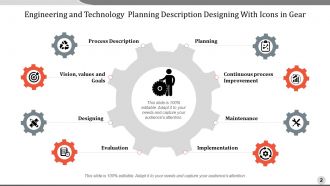
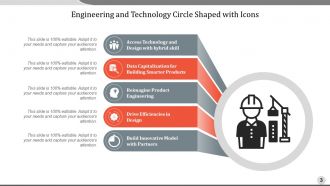
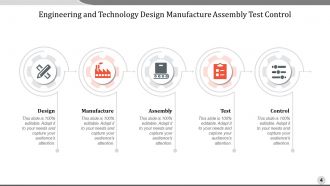
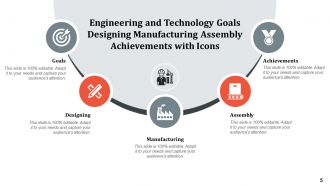

FAQs for Engineering and technology ppt inspiration example introduction
Honestly, there's four things that actually matter: put customers first, get your team involved, use real data, and bake it into how you work daily. Don't let leadership bulldoze everything from above - I've watched that crash and burn so many times. Your team needs to help spot the problems and fixes. Data beats hunches every single time, trust me. And here's the thing - you can't treat this like some weekend project. It's gotta become part of your normal routine. My advice? Pick one tiny process your team controls and map it out together first.
Okay so first thing - get your baseline numbers before you change anything. Cycle times, error rates, whatever matters for your specific process. Most teams totally blow this step honestly. Track the hard stuff but don't ignore how your people feel about it either. They're doing the actual work so their feedback matters. Wait like 3-6 months then compare everything to where you started. Oh and set up some kind of monthly check-in or simple dashboard. Otherwise you'll just assume things are going great when they're not. Trust me on this one.
Yeah, you really need your team on board for CPI to work. Here's the thing - they're doing these processes every single day, so they know exactly what's broken. When people feel like their input matters, they'll actually come to you with problems and solutions instead of just keeping quiet. Plus engaged employees stick with changes instead of sliding back into old ways of doing things. Honestly, half the battle is just asking them what drives them crazy about how things work now. Then actually listen to what they tell you.
Honestly, automation is a game-changer for continuous improvement stuff. Real-time dashboards will show you what's actually happening instead of digging through old spreadsheets (which is the worst). AI can catch patterns you'd never spot manually, plus workflow automation cuts down on those annoying human errors. Process mining tools are pretty cool too - they'll map out your current workflows and basically tell you where things are broken. I'd start small though. Pick your most important process, set up one automated dashboard, then expand once you see how much time it saves you.
Oh man, the resistance to change thing is real - people just hate giving up their old ways. Leadership buy-in is huge too, without it you're basically screwed. Resource constraints will hit you hard, plus figuring out what metrics actually matter is trickier than it sounds. Getting everyone aligned from the start saves you so much headache later. Start with small wins to build momentum, explain the why behind everything (like, constantly), and make sure leadership is visibly backing you. Train people properly but don't try to fix everything at once - one process at a time works way better. Regular check-ins help, and definitely celebrate those early wins.
So Lean is basically your roadmap for getting stuff done better. Start by mapping out one annoying process - you'll probably be shocked at how much waste you find. Tools like kaizen events help you spot inefficiencies systematically. The whole point is that you never really "finish" improving things, which sounds exhausting but is actually kind of fun once you get the hang of it. I'd pick whatever workflow is driving your team crazy right now and just... map it out first? See what jumps out. Then you can use that same approach everywhere else. It becomes this cycle where you're always tweaking something.
You've gotta check out Toyota's lean manufacturing - they basically perfected eliminating waste through kaizen and it's legendary. Amazon's another good example, constantly tweaking warehouse ops and delivery routes with data. Virginia Mason Medical Center cut patient wait times by 85% using lean principles, which is insane. Oh and McDonald's? Those perfectly consistent fries aren't an accident - they've streamlined everything. Here's the thing though - you can totally do this stuff yourself. Start small with whatever process annoys you most. Measure what happens, then tweak it. Don't overthink it.
Don't treat CPI like some big project that ends - weave it into how you actually work every day. Get your team spotting problems and pitching fixes during regular meetings, not just special "improvement weeks" (honestly, those usually fizzle out anyway). Build it right into performance reviews and standard processes. You'll want feedback loops so you can see what's actually moving the needle. Here's the thing though - celebrate those small wins religiously. That momentum dies fast once people get busy with their regular stuff again.
Honestly, start with process mapping - just draw out how things actually work right now. You'll be shocked at the weird detours and bottlenecks that pop up. Root cause analysis helps too, plus digging into your data for patterns. But here's what really works: talk to your people. Customers and employees see the frustrating stuff you miss from your office. Go walk around where the actual work happens (we call it gemba walks, sounds fancy but it's just paying attention). Sometimes I literally ask "why" five times in a row like an annoying kid. Pick one process that's driving everyone crazy and start there.
Honestly, data analytics is a game-changer for CPI work. Instead of just guessing what's broken, you'll actually see the bottlenecks and performance trends. The predictive analytics part is where it gets interesting - problems show up on your radar before they blow up on the floor. Plus you can finally prove whether your improvements actually worked or if you just got lucky. My advice? Don't go crazy at first. Pick one process, collect baseline data for a few weeks, then use those insights for your first real improvement project. Way better than flying blind.
Look, your customers are basically doing free QA testing for you. They'll tell you exactly where your stuff breaks - slow checkout, confusing navigation, whatever. Way better than guessing what's wrong. When five people complain about the same thing, boom, there's your next project. Set up ways to actually collect this feedback regularly (surveys, reviews, support tickets). But here's the thing - you can't just hoard all these complaints in a spreadsheet somewhere. Actually fix the problems they're pointing out, or you're just wasting everyone's time.
Honestly, culture can totally torpedo your CPI rollout if you're not careful. Some teams love jumping into new processes and giving feedback right away. Others? They need way more relationship-building first - especially in places where hierarchy matters more. I learned this the hard way watching a project crash because nobody wanted to admit when something wasn't working. Different attitudes toward failure will mess you up too. Don't try forcing the same approach everywhere. Figure out how each region handles change, then tweak your framework to match their style instead of fighting it.
Three main things to nail down: training, tools, and getting leadership actually involved. Start your teams with Lean Six Sigma basics, process mapping workshops, plus data analysis skills. Get them solid process mapping software and statistical tools - maybe a central platform to track everything if you can swing it. Change management training is huge too, honestly that's where I've seen most of these things crash and burn. Your leaders need real coaching on championing this stuff, not just passing it off to someone else. Oh and phase the training out instead of dumping everything on people at once.
Stop treating improvements like side projects - weave them into your regular work instead. I'd carve out maybe 10-15% of your team's time just for this stuff. Sounds crazy when you're already drowning, but trust me on this one. Quick sprint cycles work best so you can show wins fast while building toward bigger changes. Track your usual metrics but also watch for early signs of what's coming. The trick is making it part of your daily groove, not something for "someday." Pick one tiny process that's bugging everyone this week and fix it while you plan the heavy lifting.
Mix hard numbers with the softer metrics - that's where you'll see real impact. Cycle time, cost savings, and defect rates are obvious wins. Customer satisfaction scores too. But honestly? The engagement stuff matters just as much - are people actually pitching improvement ideas, and how many get implemented. Process efficiency metrics like throughput are pretty solid for proving ROI. Don't go overboard though. Pick maybe 4-5 that your stakeholders actually care about instead of tracking everything under the sun. Oh, and waste reduction numbers always look impressive in presentations.
No Reviews