


Escalation process for projects issue and escalation process flow chart




Try Before you Buy Download Free Sample Product
 Impress Your
 Audience
 100%
100% Editable
 Save Hours
 of Time


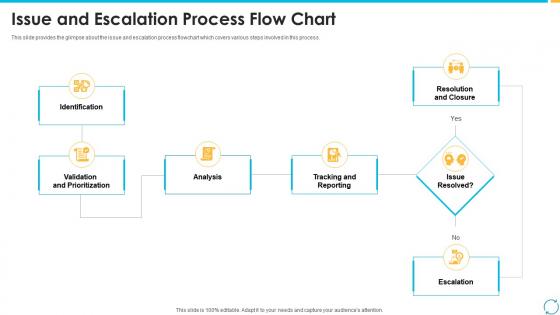
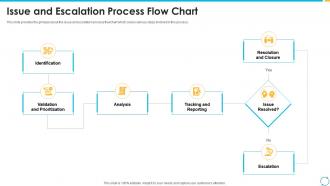
This slide provides the glimpse about the issue and escalation process flowchart which covers various steps involved in this process.
People who downloaded this PowerPoint presentation also viewed the following :
Escalation process for projects issue and escalation process flow chart with all 9 slides:
Use our Escalation Process For Projects Issue And Escalation Process Flow Chart to effectively help you save your valuable time. They are readymade to fit into any presentation structure.








FAQs for Escalation process for projects issue and escalation
So basically start by writing down exactly what's going wrong - sounds obvious but you'd be surprised how often people skip this. Try fixing it yourself first, then bump it up to your manager with all the details. Senior management is the next step if needed, though honestly most stuff gets handled way before that point. Oh and definitely don't wait until the last second to escalate - I learned that the hard way once. Keep everyone in the loop with updates throughout. Set deadlines for each step so nothing drags on forever.
Look, escalate when you can't actually fix it yourself or when there's serious money/legal stuff involved. Multiple departments getting hit? Yeah, that's escalation territory. Don't sit on things forever either - every company has different timelines but if you're spinning your wheels, send it up. Honestly, most places would rather you escalate too early than let things blow up later. Set dollar limits and timeframes so your team isn't guessing when to act. Oh, and document everything first - leadership hates getting blind escalations without context.
Honestly, communication can totally make or break an escalation. Keep everyone in the loop - the person who reported it, stakeholders, whoever's making decisions. People hate being left in the dark and it just creates more drama. Document everything and be upfront about timelines. I learned this the hard way, but being proactive beats scrambling to catch up every time. Start by over-communicating rather than saying too little. You can always tone it down once you figure out what works. Oh and set realistic expectations about next steps - saves everyone headaches later.
Honestly, start with a simple RACI matrix to map out who handles what at each level - total game changer. Escalation flowcharts are clutch too for visualizing the whole process. I always use basic templates with fields for severity, stakeholders, and timelines. Saves you from those annoying "wait, who was supposed to handle this?" moments later. For tracking, Jira and ServiceNow work great if you've got them. Otherwise a shared spreadsheet does the trick perfectly fine. The real secret? Pick whatever your team's already using for project stuff and just build on that. No point forcing everyone to learn something completely new.
Look, when you're stuck going in circles with someone, bring in your manager. They've got distance from the drama and can see things objectively. Managers also know the bigger picture - like what actually matters priority-wise and what resources are available. I've watched conflicts that went on forever get solved in literally one meeting with the boss involved. Here's the thing though - don't wait until everyone hates each other. Flag it early, like as soon as you realize you're just rehashing the same arguments. Way easier to fix before people get really bitter about it.
Track how long it takes to actually fix stuff once it hits your team - that's your bread and butter metric. Customer satisfaction scores matter tons since you're dealing with already frustrated people. Also watch escalation volumes (getting swamped lately?) and whether your team can close things on first contact. Honestly, the internal metrics are just as crucial - like how confident your agents feel handling tough cases and whether tickets keep getting ping-ponged between departments for no good reason. Those five will show you pretty quickly what's broken in your process.
Honestly, I'd start by figuring out how each department currently handles escalations - like what their timelines are and where things fall through the cracks. The biggest pain point is usually that everyone speaks a different language about urgency levels. What sales calls "critical" might be totally routine to the tech team, right? So create some shared matrices that define severity levels and response times everyone can actually agree on. Run workshops where departments practice scenarios together - sounds boring but it actually works. Oh, and pick someone from each team to be the go-to person for sorting out the inevitable confusion.
Honestly, the worst thing you can do is wait too long to speak up, then suddenly jump straight to your boss's boss. Nobody wants to get blindsided like that. Try talking to the person directly first - I know it's awkward but it works sometimes. If that fails, loop in your manager before going nuclear. Document everything with actual facts, not just "they're being difficult" type stuff. Timing is huge too - don't escalate during busy periods unless it's genuinely urgent. Oh, and if you can suggest a solution instead of just complaining, you'll look way more professional. Follow whatever process your company actually has instead of winging it.
Dude, escalated feedback is seriously your goldmine for spotting what's broken. Don't just fix the obvious stuff - dig into WHY things went sideways in the first place. Most teams close tickets and call it done, which drives me crazy because you're missing so much good info. Look for patterns when you get multiple escalations. Share what you find during team meetings and actually change your processes based on it. Update training docs, fix decision trees, whatever needs tweaking. The whole point is creating this loop where escalation trends help you improve things so you're not dealing with the same headaches over and over.
Honestly, your company's vibe totally makes or breaks whether people actually use escalation processes. In super rigid places, nobody wants to "jump the chain" and look bad - which backfires massively. Open environments treat escalation like normal problem-solving. But toxic blame cultures? People just hide stuff until everything blows up. Decision speed after escalation also depends on your culture. If you're seeing people dodge escalating issues or leadership getting all defensive when problems surface, that's a red flag. The culture's sabotaging the whole system and you've gotta fix those trust problems first.
Honestly, training is a game-changer because you won't panic when things go sideways. They teach you actual de-escalation tricks and when to loop in your boss vs handling it solo. The role-playing stuff feels cringey at first but it really works. You'll also learn to spot red flags early - way better than dealing with a full meltdown later. Plus they show you how to document everything properly, which saved my butt more than once. Keep practicing those scenarios even after training. When you're stressed, you'll automatically fall back on what you've rehearsed.
Honestly, most escalations happen because we wait too long to act. Train your team well on the common stuff and give them actual authority to make decisions - within limits, obviously. Proactive communication is everything though. Like, I can't tell you how many angry customers I've dealt with who just needed someone to say "hey this is taking longer than usual, here's why." Set up quick internal channels so your people can get guidance fast before things explode. Oh, and don't micromanage - let them solve problems early instead of passing everything up the chain.
Dude, get some kind of ticketing system - it'll automate your whole escalation mess and show you what's happening in real time. Set up routing by how urgent stuff is, plus you'll get pinged when deadlines are coming up. Most systems have these dashboards now that literally show you where things are getting stuck. Way better than those spreadsheets you're probably drowning in right now. Oh, and the reporting features actually help you figure out patterns over time. I'd start with just setting up alerts for your high-priority cases first though.
Grab the timestamp and who was involved first - that's your foundation. Document what set things off and the initial damage. I always space on this part, but write down WHY you made each decision. Trust me, that's what saves you later. Track every step you took to fix it, including the random stuff that didn't work. Oh, and note who called what shots along the way. The final resolution plus what you learned? Pure gold when this happens again. Keep it factual but thorough enough that anyone could jump in mid-crisis.
Honestly, your leadership team needs to go first on this one - share when they escalate stuff and what happened, even the messy outcomes. Set clear rules about when to escalate and blast those everywhere so people actually know. The biggest thing? Kill the stigma around it. Nobody wants to look like they can't handle their job, right? Frame escalation as smart decision-making instead of giving up. Oh, and don't just set it up and forget about it - check in regularly to see how it's actually working and tweak things based on real feedback.
-
Easy to edit slides with easy to understand instructions.
-
Great quality product.
-
Content of slide is easy to understand and edit.
-
Enough space for editing and adding your own content.
-
Excellent products for quick understanding.