


Five phase of technology adoption lifecycle




Try Before you Buy Download Free Sample Product
 Impress Your
 Audience
 100%
100% Editable
 Save Hours
 of Time


Our Five Phase Of Technology Adoption Lifecycle are explicit and effective. They combine clarity and concise expression.
People who downloaded this PowerPoint presentation also viewed the following :
Five phase of technology adoption lifecycle with all 2 slides:
Give your audience a fulfilling experience. They will find our Five Phase Of Technology Adoption Lifecycle elevating.
FAQs for Five phase of
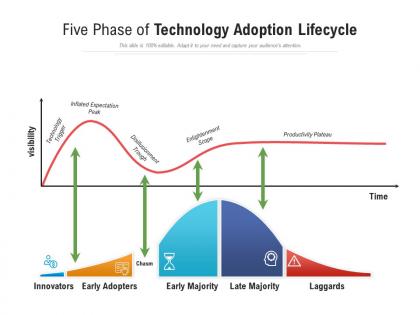
So there are five stages: innovators, early adopters, early majority, late majority, and laggards. Each group wants totally different things - innovators love bleeding-edge stuff, early adopters want clear benefits, but the early majority? They need rock-solid proof it works. The killer part is crossing that "chasm" between early adopters and mainstream users. That's where most startups crash and burn because they're still pitching to tech nerds instead of regular people who just want something that solves their problem. My advice? Focus on one segment. Don't try appealing to everyone at once.
Innovators are the risk-takers who test new tech first and prove it works. They create those early success stories that convince everyone else to jump in. Remember the first iPhone buyers when touchscreens seemed crazy? That's them. Different groups have different innovators though - young people might try new apps while industry veterans push B2B tools forward. Honestly, they're doing the hard work of showing practical value so the rest of us don't have to guess if something's worth it. If you can find and connect with innovators in your target audience early on, you'll speed up adoption big time.
Yeah, consumer behavior is totally the make-or-break thing here. Early adopters love shiny new stuff and take risks, but regular people? Way more careful. They want to see proof it actually works before spending money. The tricky part is early adopters are honestly pretty bad at selling products to normal folks - they get all hyped about technical specs nobody else cares about. So you've got to flip your messaging completely. Stop talking about features and start showing how it solves real problems that people are already dealing with successfully.
Check how your customers have handled new tech in the past - did they jump on trends early or wait it out? Early adopters will test your stuff and tell everyone about it. The majority though? They want proof it actually works first. Survey your existing customers about their tech habits and see when they hopped on different platforms. Honestly, some people are still suspicious of anything newer than email, which tells you a lot. Short sentences work. Look at their buying patterns too - do they research forever or impulse buy? Match your targeting to where your product actually is right now, not where you wish it was.
Yeah, laggards get hit pretty hard. Tech support disappears since their stuff is ancient or discontinued. No more early bird pricing either - they're paying full price when everyone else got deals. Compatibility becomes a nightmare because the rest of the world moved on already. Most of the time they don't even want to adopt, they're just forced into it, which makes everything worse. Companies I know that held onto old systems? Total money pit. Oh, and they missed tons of learning opportunities along the way. If you're dealing with them, skip the future-vision pitch. Show them what they'll get right now - that's the only thing that'll work.
Honestly, communication can totally make or break how fast people actually adopt new stuff. Most teams just list features which is kinda backwards - you gotta focus on what outcomes people will actually see. ROI matters but tailor it to who you're talking to. Early adopters want the shiny new capabilities, but regular users? They just want something that works and won't break their workflow. I've seen this so many times - once you start mapping your pitch to different groups in the adoption curve, things move way faster. Skeptics turn into advocates when they get why it matters to them specifically.
Honestly, you've got to show them other people aren't failing at this. Early majority folks are super risk-averse - they want proof it works before jumping in. Get your current customers doing testimonials or speaking at industry events. Simplify how you talk about it too. Don't make implementation sound like rocket science. Maybe team up with companies they already know and trust? Pilot programs work well since you can show clear ROI numbers. The whole trick is making it feel normal, not cutting-edge. Package those success stories really strategically - that's your goldmine right there.
Honestly, culture plays such a huge role in tech adoption - way more than people realize. Collectivist societies tend to wait for everyone to get on board first, while individualist ones have those early adopters jumping in immediately. Risk tolerance is all over the map too. Some places have that "break stuff and figure it out later" vibe, others are super cautious about change. Traditional values can really slow things down for certain tech, plus obvious economic barriers. Oh and religious factors too sometimes. Before rolling anything out globally, definitely dig into local attitudes first - don't just assume what worked at home will work everywhere else.
So here's the thing - different user groups will tell you completely different stuff about your product. Your innovators? They'll push you toward crazy new features. Early adopters are great for nailing down your core stuff and messaging. The early majority is honestly where you get the best usability feedback - they're brutal about pointing out confusing parts. Late majority folks expose all your integration headaches and support problems. And laggards (poor guys) basically force you to strip everything down to basics. The key is knowing when to listen to who. Start with early adopters, then shift focus as you grow.
Honestly depends where you're at in the rollout. Early on? Track acquisition rates and how fast people get value - you're just proving it works. Growth phase is different - daily/monthly active users become way more important, plus retention (which is probably the best indicator overall tbh). Feature adoption matters here too. Once things are mature, flip to satisfaction scores and support tickets. Oh and productivity gains if you can measure them. Don't just track everything though - pick what actually tells you something useful at your current stage.
Dude, the competitive landscape is totally different at each stage. Innovators will throw money at new tech, so you've got high margins but tiny markets. Once early majority hits? That's when everyone and their brother jumps in and price wars get nasty. By late majority, you're fighting over scraps - need solid partnerships and razor-thin costs to grab the stragglers. Your whole approach has to flip from being unique to being cheap. Oh, and keep tabs on what competitors are doing because their moves will force your hand pretty quickly.
Dude, social media basically turned everyone into walking product reviews. TikTok and ChatGPT blew up crazy fast just from people sharing their experiences - way faster than any traditional ads could've done. We trust some random person's video review more than official marketing now, which is honestly pretty funny when you think about it. But yeah, the flip side is products get roasted just as quickly when they suck. For your stuff, just get real early users posting about it naturally. Skip the polished corporate content - nobody believes that anymore.
Yeah, so late adopters are super risk-averse compared to early adopters who'll try anything new. They see uncertainty about costs or whether tech will actually work and just nope out. Smart honestly - why be the guinea pig? The more they think something might fail or mess up their current setup, the longer they wait. I've noticed this pattern everywhere. When you're marketing to them, skip the flashy new features stuff. Instead, show them proof it works, how you'll reduce their risks, and that you've got solid support. They want guarantees, not promises.
Influencers are basically translators - they take complex tech stuff and make it digestible for regular people. Early stage? Tech influencers validate concepts for the nerdy early adopters. But mainstream influencers are the real game-changers because they help tech cross over to mass market. Honestly, it's wild how much power these people have. They reduce that "scary new thing" factor by putting their reputation behind tech. I always watch who's hyping what in emerging spaces - like, those voices usually predict what'll actually take off versus what dies in six months. Pretty reliable indicator if you ask me.
So basically you gotta match your messaging to where people are mentally. Innovators and early adopters? Get them hyped about bleeding-edge stuff and being first. The early majority needs proof - like actual case studies and testimonials showing it works. Late majority folks want reassurance that it's safe and established (they're honestly pretty risk-averse). Laggards just need simple messaging about why they need it and that it won't be complicated. I'd start by figuring out which bucket your current customers fall into, then tweak your campaigns from there. It's all about psychology really.
No Reviews