


Fraud Investigation Powerpoint Presentation Slides




Try Before you Buy Download Free Sample Product
 Impress Your
 Audience
 100%
100% Editable
 Save Hours
 of Time


Our Fraud Investigation Powerpoint Presentation Slides are topically designed to provide an attractive backdrop to any subject. Use them to look like a presentation pro.
People who downloaded this PowerPoint presentation also viewed the following :
Content of this Powerpoint Presentation
Slide 1: This is the cover slide for Fraud Investigation PowerPoint Presentation.
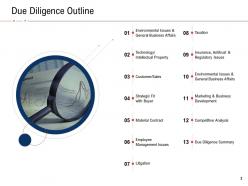
Slide 2: This is the Table of Contents slide that lists out all the essential elements covered in the deck.
Slide 3: This slide introduces Financial Due Diligence
Slide 4: This slide presents P&L - KPIs
Slide 5: This slide presents P &L - KPIs in a Tabular Form
Slide 6: This slide presents Balance Sheet - KPIs
Slide 7: This slide presents Balance Sheet - KPIs in a Tabular Form
Slide 8: This slide presents Balance Sheet - KPIs in a Tabular Form
Slide 9: This slide presents Cash Flow Statement - KPIs
Slide 10: This slide presents Cash Flow Statement - KPIs in a Tabular Form
Slide 11: This slide presents Financial Projections – P&L
Slide 12: This slide presents financial projections of Balance Sheet
Slide 13: This slide presents Key Financial Ratios (1/2)
Slide 14: This slide presents Key Financial Ratios.
Slide 15: This slide presents Liquidity Ratios.
Slide 16: This slide presents Profitability Ratios
Slide 17: This slide presents Activity Ratios
Slide 18: This slide presents Solvency Ratios
Slide 19: This slide provides a Conclusion of Financial Statements.
Slide 20: This slide presents Technology/Intellectual Property
Slide 21: This slide talks about Technology/Intellectual Property
Slide 22: This slide presents Customers/Sales
Slide 23: This slide showcases Top customers and Revenue
Slide 24: This slide presents Customer Concentration Issues/Risk
Slide 25: This slide presents Customer satisfaction in 2020 and 2021
Slide 26: This slide present customer satisfaction in question form.
Slide 27: This slide presents Strategic fit with buyer.
Slide 28: This slide presents Business Compatibility
Slide 29: This slide presents Financial Compatibility
Slide 30: This slide presents Material Contract
Slide 31: This slide showcases Material Contract Checklist
Slide 32: This slide showcases Employee Management Issues
Slide 33: This slide showcases Management Organizational Chart
Slide 34: This slide presents the Key Issues of fraud investigation.
Slide 35: This slide presents Litigation for fraud investigation.
Slide 36: This slide showcases Litigation Timeline
Slide 37: This slide showcases Litigation and Judicial Activities
Slide 38: This slide presents Litigation KPIs
Slide 39: This slide presents Taxation
Slide 40: This slide showcases Taxation Checklist
Slide 41: This slide presents Insurance, Antitrust & Regulatory Issues
Slide 42: This slide showcases Antitrust and Regulatory issues
Slide 43: This slide showcases Insurance Checklist
Slide 44: This slide showcases Environmental issues & General Business Affairs
Slide 45: This slide presents Environmental Issues in a seamless manner.
Slide 46: This slide presents General Corporate Matters
Slide 47: This slide presents Related Party Transactions
Slide 48: This slide presents Governmental Regulations, Filings, and Compliance with Laws
Slide 49: This slide presents details on Property
Slide 50: This slide presents Yearly Production of different products.
Slide 51: This slide presents Marketing & Business Development
Slide 52: This slide showcases Business Development Process
Slide 53: This slide showcases different Marketing Strategy
Slide 54: This slide present Competitive Landscape in a tabular format.
Slide 55: This slide provides Competitor Analysis in a tabular format.
Slide 56: This slide presents the summary of the deck.
Slide 57: This slide presents Competitor Analysis
Slide 58: This is an Icon slide. Use it as per your needs.
Slide 59: This is an Additional Slide.
Slide 60: This is Our Mission slide to state your mission and vision.
Slide 61: This is a Circular diagram slide to present continous sereis of events.
Slide 62: This is a Clustered Bar slide that can be used to compare different elements.
Slide 63: This is an Idea generation slide to present innovative/ creative aspects.
Slide 64: This is Our Target slide to present product entity, information, etc.
Slide 65: This is a Venn diagram slide that can be used to compare three different elements.
Slide 66: This is a Thankyou slide for acknowledgment. You can share your contact details here.
Fraud Investigation Powerpoint Presentation Slides with all 66 slides:
Use our Fraud Investigation Powerpoint Presentation Slides to effectively help you save your valuable time. They are readymade to fit into any presentation structure.
-
Fraud Investigation
-
Due Diligence Outline
-
Financial Due Diligence
-
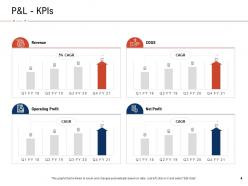
P L KPIs
-
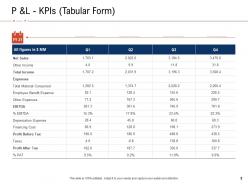
P L KPIs Tabular Form
-
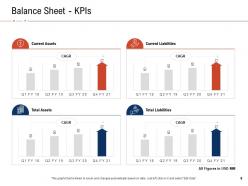
Balance Sheet KPIs
-

Balance Sheet KPIs Tabular Form
-
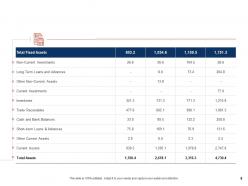
Fraud Investigation
-

Cash Flow Statement KPIs
-
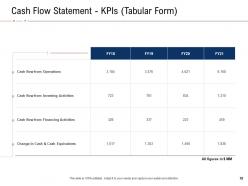
Cash Flow Statement KPIs Tabular Form
-
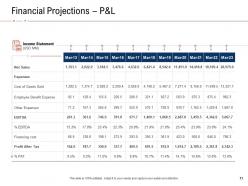
Financial Projections P L
-
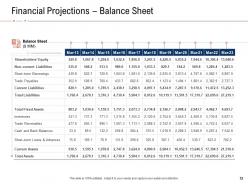
Financial Projections Balance Sheet
-
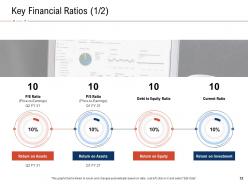
Key Financial Ratios 1 2
-
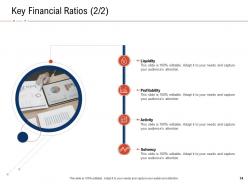
Key Financial Ratios 2 2
-
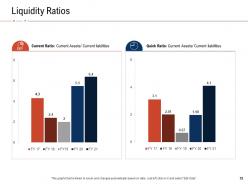
Liquidity Ratios
-
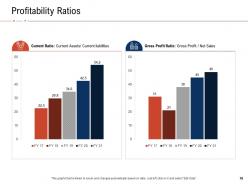
Profitability Ratios
-
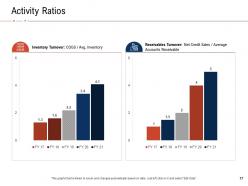
Activity Ratios
-

Solvency Ratios
-
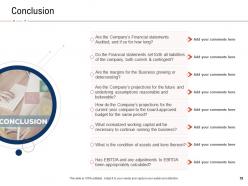
Conclusion
-

Technology Intellectual Property
-
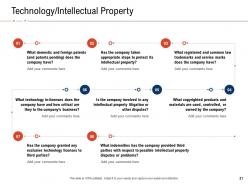
Technology Intellectual Property
-
Customers Sales
-
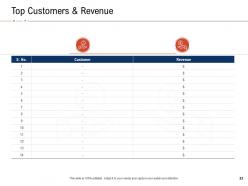
Top Customers Revenue
-
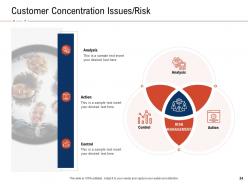
Customer Concentration Issues Risk
-
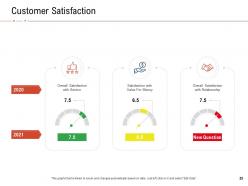
Customer Satisfaction
-

Customer Satisfaction
-

Strategic Fit with Buyer
-
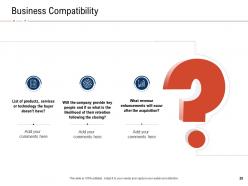
Business Compatibility
-
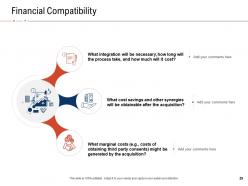
Financial Compatibility
-

Material Contract
-
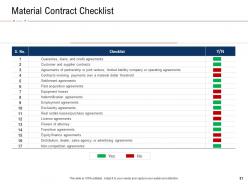
Material Contract Checklist
-
Employee Management Issues
-
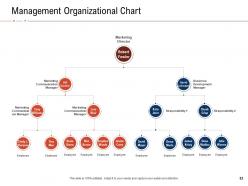
Management Organizational Chart
-
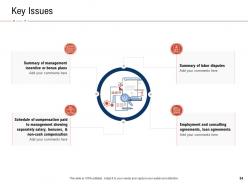
Key Issues
-
Litigation
-
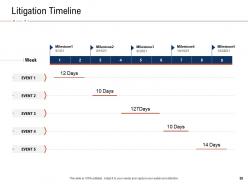
Litigation Timeline
-
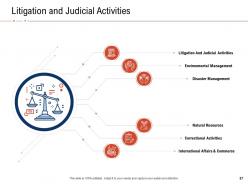
Litigation and Judicial Activities
-
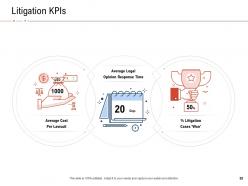
Litigation KPIs
-
Taxation
-
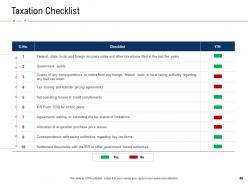
Taxation Checklist
-
Insurance Antitrust Regulatory Issues
-
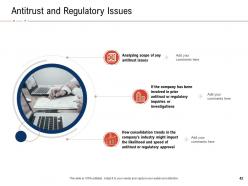
Antitrust and Regulatory Issues
-

Insurance Checklist
-

Environmental issues General Business Affairs
-
Environmental Issues
-
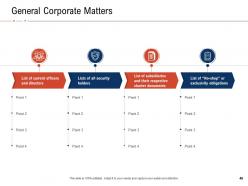
General Corporate Matters
-
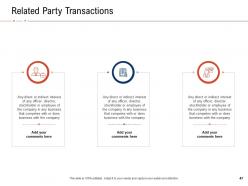
Related Party Transactions
-
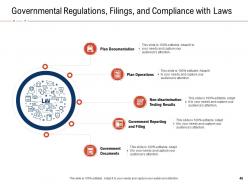
Governmental Regulations Filings and Compliance with Laws
-
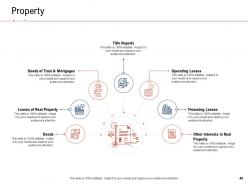
Property
-
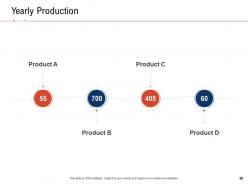
Yearly Production
-

Marketing Business Development
-
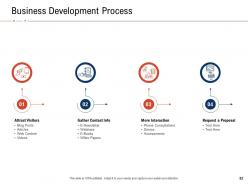
Business Development Process
-
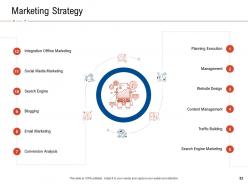
Marketing Strategy
-
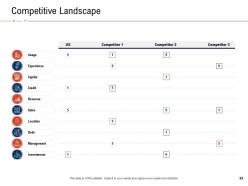
Competitive Landscape
-
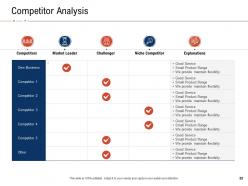
Competitor Analysis
-
Summary
-
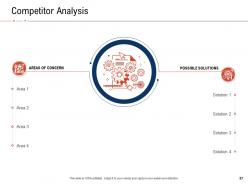
Competitor Analysis
-
Fraud Investigation Icons Slide
-

Additional Slides
-

Our Mission
-
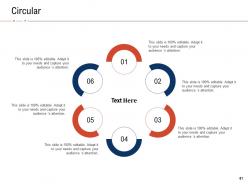
Circular
-
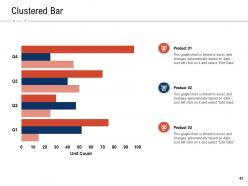
Clustered Bar
-
Idea Generation
-
Our Target
-
Venn
-
Thank You
FAQs for Fraud Investigation
So there's three main types you'll run into. Asset misappropriation - fake expenses, payroll scams, that kind of stuff. Then corruption, which is basically kickbacks and bribery. Financial statement fraud is the third one. Asset misappropriation happens way more than the others, and people get ridiculously creative with phony receipts. Corruption usually ties back to vendors somehow. Statement fraud doesn't happen as much, but when it does? That's where the real money gets lost since executives are usually behind it. Watch for employees spending more than they should be able to afford, sketchy vendor paperwork, weird journal entries right before quarters end. Those patterns show up a lot.
So they usually grab all the digital stuff first - emails, transactions, financial records. Most fraud these days leaves a digital footprint anyway. Then comes interviewing everyone involved: witnesses, victims, suspects. Banking records are where you really strike gold though, that's honestly where most cases get cracked. They'll also collect physical evidence like fake documents or whatever equipment was used. Oh, and chain of custody is huge - you've gotta document every single step or your evidence becomes useless in court later.
Okay so first thing - nail down your evidence handling or you're screwed later in court. Chain of custody has to be bulletproof. Privacy laws will bite you hard, especially with employee or customer data (learned that one the hard way). If staff are involved, loop in HR early because employment law gets messy fast. Document every single thing you do - I mean everything. Oh, and figure out if cops need to be called because that totally changes your approach. Honestly though, get legal counsel before you make any big moves. Better safe than sued.
Honestly, data analytics is a game changer for fraud stuff. You can set up algorithms to automatically flag weird transactions and spending patterns that would take forever to find manually. Machine learning actually gets smarter over time at spotting the specific types of fraud your company deals with - which is pretty neat. No more endless spreadsheet hell (thank god). You'll catch way more cases and can spend your time on the tricky investigations that actually need a human brain. I'd start with whatever fraud types you see most often and build your detection rules around those first.
Honestly, training your employees is huge for stopping fraud - way bigger impact than most people think. Get them spotting weird stuff like sketchy transactions or when someone's pushing them to skip normal steps. Skip the boring PowerPoint though, nobody remembers that crap. Use real examples they'll actually see, like fake vendor emails or payment scams. Each department needs different training based on what they deal with. Short refreshers beat those marathon sessions every time. Oh, and make sure everyone gets basic awareness first, then build from there. Your team becomes like human alarm systems once they know what to watch for.
Honestly, you'll want to hit this from multiple angles. Start with automated monitoring - it'll catch weird transaction patterns and sketchy after-hours access. Real-time alerts are clutch for stuff like duplicate payments. But here's the thing - the tech side is actually easier than getting people on board. Train your team to notice when someone's acting off, and create reporting channels where folks won't worry about backlash. Oh, and run fake scenarios to test everything periodically. Fraudsters get creative fast, so you can't just set it and forget it. Mix the tech with good old human gut instincts.
Start with data analytics - that's your best bet for spotting weird transaction patterns, round numbers, or anything just under approval limits. Document stuff is massive too. Check for sketchy invoices or made-up vendors. Honestly, interviews are where cases usually break because people get all fidgety and mess up their story. Oh, and surprise asset checks work great - reconcile everything back to the original docs. I'd go analytics first though since it basically maps out where you need to focus next.
Oh totally - where you are makes a huge difference in what fraud looks like. High-trust places see more insider stuff because nobody's really watching their coworkers. Relationship-based cultures? Procurement fraud everywhere since deals happen through connections, not formal processes. Some regions treat "gifts" as normal business, which makes spotting actual bribery a nightmare. And honestly, hierarchical societies miss so much fraud when it's coming from the top - people just don't question authority figures. When you're doing risk assessments, you gotta think about local customs and how power actually works there, not just textbook fraud indicators.
Okay, first things first - grab screenshots, emails, whatever evidence you have right now before anyone can mess with it. I'd tell your manager and legal ASAP, even if you're not totally sure it's actually fraud. Better to look paranoid than sorry, you know? Don't talk to anyone who might be mixed up in this whole thing. Oh, and write down everything you remember with dates - your memory's gonna be crucial later. Seriously though, don't go all detective on this yourself. Let the pros handle it from here.
Dude, fraud investigation with AI is insane right now. Instead of spending weeks on datasets, you're done in minutes. Machine learning catches patterns your team would miss for months - honestly kind of makes you wonder what else we've been missing all this time. The coolest part? Predictive stuff flags sketchy transactions before they go through. Natural language processing handles all those boring document reviews too. Start with transaction monitoring software if you haven't already. Seriously saves so much time it's ridiculous.
Stay thorough but don't steamroll people's rights in the process. Keep everything confidential and treat everyone fairly - even the person you're pretty sure did it. Tunnel vision is real when you think you've got your guy. Document everything properly and stick to procedures, no matter how tempting shortcuts might be. Can't mess around with privacy laws either. Being transparent about your methods helps too. I mean, you're basically dealing with someone's entire career here, so the stakes are pretty high. Don't jump to conclusions without solid evidence backing you up.
Think of forensic accountants like financial detectives - they're actually way better at catching fraud than regular auditors. They'll trace where money went, spot weird transaction patterns, and piece together records even if someone tried to hide stuff. What's really helpful is they can put a dollar amount on what you lost, which you'll need for insurance or court. I'd honestly call one the second you think something's off. The faster they start digging, the better shot you have at getting your money back. Regular audits just don't catch this stuff the same way.
Dude, you definitely need a solid whistleblower policy. Most fraud actually gets caught through employee tips, not fancy audits - which honestly surprised me when I first learned that. Your people need to feel safe reporting sketchy stuff without worrying they'll get canned for it. Don't just do the "report to your boss" thing either, because what if your boss is the one stealing? Set up multiple ways to report - anonymous hotlines, online forms, whatever works. The key is making sure employees actually trust the system will protect them. Otherwise you've just got useless paperwork sitting in a drawer somewhere.
So you'll want to watch your detection rate first - like what percentage of actual fraud you're catching. Resolution time matters too, from alert to closing the case. Cost per investigation is pretty obvious but people forget about it. False positives are honestly the worst - nobody wants to chase dead ends all day. Recovery rates on confirmed cases tell you if it's even worth it. Also track how many investigations actually lead somewhere useful, like policy updates or sending stuff to law enforcement. Just throw these on a basic dashboard, check monthly. You'll see patterns quickly.
Honestly, the legal stuff will drive you crazy - every country has different laws and procedures. Language barriers make everything take forever, and don't even get me started on privacy regulations that vary everywhere. Banking rules are all over the place too. Evidence that works in one place might be totally useless somewhere else. Time zones alone can drag cases out for months, which is just brutal when you're trying to move fast. Oh, and coordination is a mess when you're dealing with investigators who barely speak English. My biggest tip? Start building those international contacts now and always get local lawyers who actually know what they're doing.
-
Content of slide is easy to understand and edit.
-
Unique and attractive product design.
-
Content of slide is easy to understand and edit.
-
Excellent Designs.
-
Great designs, Easily Editable.
-
Content of slide is easy to understand and edit.
-
Excellent Designs.
-
Unique research projects to present in meeting.
-
Commendable slides with attractive designs. Extremely pleased with the fact that they are easy to modify. Great work!