


Healthcare Workforce Powerpoint PPT Template Bundles




Try Before you Buy Download Free Sample Product
 Impress Your
 Audience
 100%
100% Editable
 Save Hours
 of Time


Our Healthcare Workforce Powerpoint PPT Template Bundles are topically designed to provide an attractive backdrop to any subject. Use them to look like a presentation pro.
People who downloaded this PowerPoint presentation also viewed the following :
Healthcare Workforce Powerpoint PPT Template Bundles with all 22 slides:
Use our Healthcare Workforce Powerpoint PPT Template Bundles to effectively help you save your valuable time. They are readymade to fit into any presentation structure.












FAQs for Healthcare Workforce Powerpoint
Dude, healthcare workers are getting absolutely crushed right now. Burnout is insane, and people are quitting faster than they can hire replacements. Creates this nasty cycle where everyone left behind gets even more overworked. Violence against staff has skyrocketed too - like, way worse than pre-pandemic. Experienced nurses and doctors are just... done. They're retiring early or switching careers because honestly, who can blame them? The stress isn't worth the paycheck anymore. If you're running a healthcare team, actually listen to what your people need and fix their work-life balance before you lose everyone good.
So basically, diverse healthcare teams just work better. Patients trust providers who get their background and can actually communicate with them - makes total sense, right? The research shows it too. People follow treatment plans more when they feel understood culturally. Plus diverse teams make smarter clinical decisions since everyone's bringing different perspectives to tough cases. I mean, my cousin's a nurse and she's always talking about this stuff. Bottom line though - if you're hiring, diversity isn't just the right thing to do, it literally improves patient outcomes and safety.
Honestly, the biggest win is how tech cuts down on all that paperwork BS. EHRs stop you from writing the same thing twice, and AI actually helps with diagnostics now (wild, right?). Telehealth means seeing more patients without everyone driving around town. I'd say start with whatever's eating up most of your time. Mobile apps are clutch for grabbing patient info right at the bedside. Just don't pick tools that'll mess up how you already do things - you want stuff that fits in, not creates more hoops to jump through. The automation for routine tasks? Total game-changer.
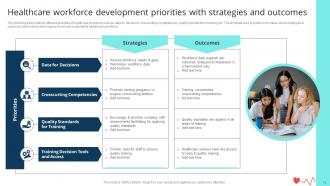
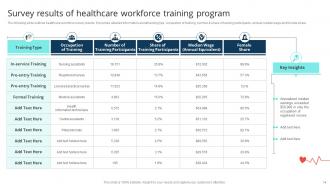
Honestly, just bake it into their regular schedule instead of treating it like extra work. Monthly skill sessions should be mandatory - no getting around it. Pair up your experienced people with newbies for mentoring, and throw in some online modules they can knock out during slow periods. Oh, and those lunch-and-learn things actually work better than you'd think. Make sure you budget for this stuff upfront and track who's completing what. Tie it to their reviews so people take it seriously. Don't go crazy trying to launch everything at once though - pick one thing, get it working, then add more.
Honestly, start with retention first - figure out why people are leaving before you worry about hiring more. Better pay and working conditions will fix half your problems right there. Education programs are key too - expand nursing schools, loan forgiveness (that debt is insane), maybe some fast-track options for people switching careers. Oh, and telemedicine is actually pretty smart for stretching your current staff further. The burnout thing is real though, so don't ignore that. I'd probably audit your retention rates first to see what's actually broken.
Dude, healthcare workers are getting absolutely wrecked right now. Burnout is everywhere - people are calling out sick more, quitting left and right, and honestly some days they're just running on empty. When staff are that mentally drained, patient care takes a hit. Medical errors go up because nobody can think straight anymore. The worst part? Remaining staff get slammed with even heavier workloads, which just makes everything worse. If you're managing people, actually push mental health resources - and I mean really encourage it, not just that corporate "we care" BS nobody believes.
Honestly, culture beats salary every time with healthcare workers. Sure, pay them fairly, but what really keeps people is flexible schedules and actually feeling supported at work. Mentorship programs are gold - especially for new grads who'd otherwise bail after their first year. If you've got admin roles, let people work from home sometimes. That's becoming a huge selling point. Career paths need to be super clear too, not just some vague "growth opportunities" BS. But here's the thing - just ask your current staff what would make them stick around. They know exactly what other places are dangling that you're missing.
Honestly, you gotta look at both the numbers side and the quality side. Track stuff like patient-to-staff ratios, case volumes, revenue per employee — basic productivity metrics. But here's the thing, those numbers don't mean much if your care sucks. So also watch patient satisfaction, clinical outcomes, readmission rates. Oh and definitely keep an eye on your team's happiness — turnover and burnout surveys matter way more than people think. The goal is finding docs who are fast AND good, which isn't always easy. Pick maybe 4-5 metrics that actually match what your organization cares about and stick with tracking them consistently.
Honestly, telemedicine is changing everything in healthcare right now. Remote jobs are everywhere - specialists can treat patients across state lines without leaving their office. Pretty wild that a heart doctor in NYC can have regular patients in rural Montana, right? New roles are popping up too, like telehealth coordinators and remote monitoring specialists. But here's the thing - traditional bedside nurses might feel the pressure since routine visits are moving online. If you're thinking career moves, I'd definitely look into telehealth certifications. Worth it.
Honestly, it's a mess waiting to happen. All these experienced nurses and doctors are retiring just as baby boomers need way more healthcare. So you've got this knowledge drain happening at literally the worst time possible. Not enough young people are jumping into healthcare to fill those spots either - I mean, can you blame them after seeing what healthcare workers went through recently? Wait times are getting longer, hospitals are understaffed, and care quality takes a hit. Places really need to get serious about training programs and having older staff mentor newbies before they peace out.
So interprofessional collaboration is just getting all the healthcare people to actually talk to each other instead of staying in their lanes. Doctors, nurses, pharmacists, therapists - when they coordinate properly, patients get way better care. Medical errors drop too since everyone knows what's happening with meds and treatments. Honestly, it should've been standard practice decades ago but here we are. My advice? Push for regular team meetings where different disciplines can weigh in on cases. You'll notice the improvement fast. It's one of those simple fixes that makes a huge difference.
Honestly, rural healthcare workers have to be jacks-of-all-trades since they're covering everything in smaller facilities. Cross-training is key - emergency medicine, primary care, basic specialty stuff because the nearest specialist could be three hours away. Telehealth skills aren't optional anymore, trust me on that one. Leadership and budget management matter too since you're always working with less resources than you'd like. Cultural competency is big because rural communities are tight-knit with their own quirks. I'd probably start by figuring out which generalist certifications make the most sense for your specific team first.
Oh absolutely, that training actually works. Patient outcomes get better, communication improves, and satisfaction scores go up. Staff learn about different health beliefs and cultural backgrounds, so they connect with patients instead of just checking boxes. Honestly feels like common sense until you realize how much we all miss without it. Reduces unconscious bias too - which is huge. Your team will feel way more confident, and you'll probably see less turnover because of it. I'd start with basic cultural awareness modules first, they give you the most impact right away.
Hospitals are doing some wild stuff for recruiting now. VR tours of their facilities, partnering with gaming companies to snag tech people, showing actual behind-the-scenes content instead of those cheesy stock photos. Some let you shadow a shift before committing - honestly pretty smart move. AI matching is helping connect people with roles they'd actually want. Oh, and they're meeting candidates on whatever platforms they're already using. The whole thing is about being real about what the job's like instead of overselling it. Way better than the old "post and pray" approach most places used to do.
Survey your team first about what balance actually means to them - might surprise you. Flexible schedules help tons, like compressed weeks or remote options when you can swing it. Stop guilt-tripping people about time off requests, that stuff backfires. The whole "we're family" thing? Yeah, people see right through it when they're burnt out. You'll need proper staffing so nobody's constantly covering extra shifts. Oh, and mental health resources are clutch if your budget allows. Just don't half-ass whatever policies you pick - consistency matters way more than having fancy programs nobody uses.
-
No second thoughts when I’m looking for excellent templates. SlideTeam is definitely my go-to website for well-designed slides.
-
I have been using SlideTeam for the past six months. Very happy and satisfied!