

HR Strategy Organization Product Human Resource Process Individua Business Goals





Try Before you Buy Download Free Sample Product
 Impress Your
 Audience
 100%
100% Editable
 Save Hours
 of Time


Our HR Strategy Organization Product Human Resource Process Individua Business Goals are topically designed to provide an attractive backdrop to any subject. Use them to look like a presentation pro.
People who downloaded this PowerPoint presentation also viewed the following :
HR Strategy Organization Product Human Resource Process Individua Business Goals with all 11 slides:
Use our HR Strategy Organization Product Human Resource Process Individua Business Goals to effectively help you save your valuable time. They are readymade to fit into any presentation structure.
-
HR Strategy
-
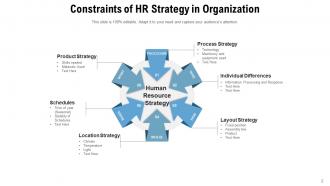
Constraints of HR Strategy in Organization
-
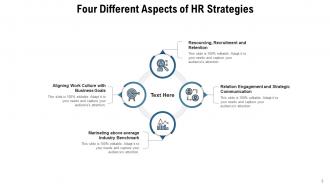
Four Different Aspects of HR Strategies
-
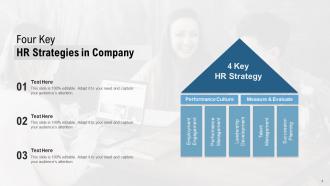
Four Key HR Strategies in Company
-
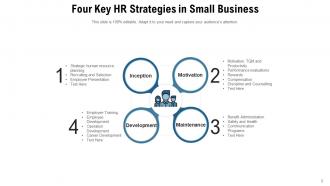
Four Key HR Strategies in Small Business
-
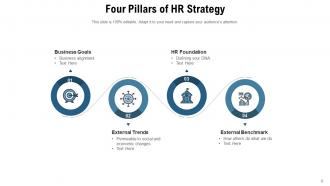
Four Pillars of HR Strategy
-
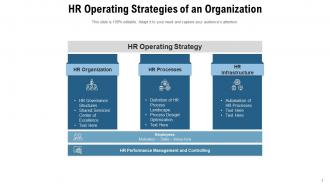
HR Operating Strategies of an Organization
-
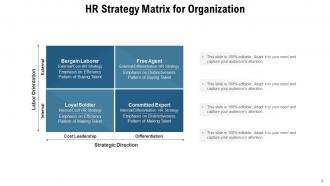
HR Strategy Matrix for Organization
-
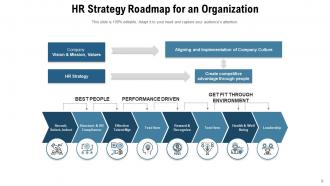
HR Strategy Roadmap for an Organization
-
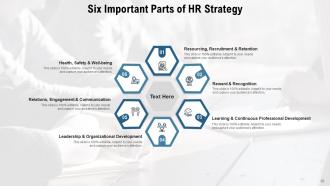
Six Important Parts of HR Strategy
-
Thank You Slide
FAQs for HR Strategy Organization Product Human Resource Process
Honestly, focus on the big four first: hiring, performance reviews, training people up, and pay structure. Those are make-or-break. Retention stuff and succession planning matter too - though most places totally suck at succession planning, just saying. Here's the thing though - everything needs to connect. Your hiring should match your performance goals, which should tie to how you develop people. Makes sense, right? I'd start by looking at what you've got now. Figure out which gaps are actually hurting your business vs just looking messy on paper. Oh, and definitely track some metrics so you know if this stuff is working.
Honestly, you've got to figure out what the company actually wants first - not the BS mission statement, but real goals. Then connect your HR stuff directly to that. Expanding into new markets? Hire people who know those areas. Innovation-focused? Different training programs entirely. Every decision should link back to something concrete the business needs. I see too many HR folks just doing random initiatives that sound good but don't move the needle. It's like... why are we even here if we're not helping the company win?
Honestly, tech has completely changed the HR game. AI screens candidates way faster than doing it manually (which used to be such a pain). Analytics reveal stuff like why people quit or if your pay scales are off. Most platforms now automate onboarding and reviews too. Here's what I'd do - figure out which repetitive tasks are killing your time first. Then find tools to handle that boring stuff. Frees you up for actual strategy work and connecting with employees. That's where you'll make the biggest impact anyway.
Honestly, HR analytics is a game changer - you stop making decisions based on hunches and actually see what's going on. Like, you'll spot why people are quitting, figure out which job boards get you quality candidates, and catch flight risks before they bail. The turnover patterns alone will probably surprise you. Training ROI becomes super clear too, plus you can tweak compensation to keep your best people around. I'd say start simple though - just pull your turnover data first and see what jumps out. Once you get hooked on the insights, you'll want to analyze everything.
Honestly, start by figuring out what roles you actually need - sounds obvious but you'd be shocked how many companies wing this part. Make your interview process not suck because candidates talk, and bad experiences spread like wildfire. Track your hiring data so you know what's working. Don't just post on job boards either - get creative with where you find people. Your current employees are basically walking ads for your company, so treat them well. Build up your employer brand too. Oh, and definitely audit whatever mess of a process you have now first - find the worst bottlenecks and fix those.
Honestly? Skip those giant annual surveys - they're useless and nobody acts on them anyway. Quarterly pulse surveys work way better. Ask specific stuff about workload, their manager, career growth opportunities. Track your turnover rates and how many people get promoted internally too. The real trick is actually doing something with the feedback you get. Share the results openly and fix the biggest problems people mention. Oh, and stay interviews are clutch - way better than exit interviews. Start simple with one question like "would you recommend working here?" then build up your metrics from there. Most companies overthink this whole thing.
Oh man, honestly the labor laws are gonna be your biggest headache. Every country has totally different rules about benefits, time off, even basic stuff like firing people. Cultural expectations are wild too - what works in the US might be completely wrong in Germany or Japan. Language barriers make everything slower, and don't even get me started on trying to schedule calls across six time zones. Local unions can be tricky to navigate depending where you are. Best thing? Figure out what absolutely has to be the same everywhere (like your company values) versus what you can let each region handle their own way. Oh and definitely make friends with the local HR people - they'll save your butt.
Honestly, you've gotta bake this stuff right into your hiring, reviews, promotions - all of it. Don't just slap D&I on top later and hope it sticks. Get diverse people on interview panels, actually track who's getting promoted (the numbers don't lie), and check that your job posts aren't scaring people off with weird requirements. Your managers need bias training too since they're making calls every day that affect people. Oh, and set real goals with consequences - leaders will magically care more when their bonus depends on it. The whole point is making inclusion just how you do business, not some side project.
Honestly, three things will make the biggest difference: communication, recognition, and psychological safety. First, create channels where people actually feel heard - skip the useless suggestion boxes that nobody reads. Recognition is huge too - peer nominations, celebrating wins in meetings, or just calling out good work publicly. But here's what really matters: your team has to feel safe speaking up, making mistakes, and being themselves without getting burned for it. Oh, and do those quick pulse surveys regularly to see how people really feel. Just make sure you actually do something with the feedback or it's pointless.
Look, most talent programs fail because managers just check boxes instead of actually caring about development. First thing - figure out what skills your team actually needs, not what some consultant thinks they need. Create learning paths people can do without stopping their real work. Short bursts work way better than those awful day-long training sessions anyway. Hold managers accountable for growing their people - this is honestly where everything usually falls apart. Track progress through actual performance, not certificates. Oh, and focus on employees who'll actually stay. Always connect development to real career paths or people won't bother.
Honestly, skills-based hiring is huge right now - companies are finally ditching degree requirements. AI talent analytics are everywhere too, plus everyone's scrambling with employee experience design. Remote work's here to stay, so you'll definitely need hybrid policies and digital onboarding that doesn't suck. The whole "quiet quitting" thing has managers freaking out, which means better training and clearer career paths. Mental health benefits aren't optional anymore, same with DEI stuff. I'd start by looking at what tech you already have - automate the boring tasks first, then get your team comfortable with data analytics.
Honestly, I'd start by just asking your team what's driving them crazy about remote work right now - that'll tell you exactly where to focus. Three big things usually come up: people feel disconnected, they need more flexibility, and nobody knows what "good performance" looks like anymore. Get some decent collaboration tools going and maybe set up virtual coffee chats or something (sounds cheesy but people actually miss those random conversations). Build in flexible hours but keep some core overlap time when everyone's online. Oh, and this is huge - stop caring about when people are working and start caring about what they're actually getting done. Makes such a difference.
Track the stuff that actually matters - turnover rates, how long positions stay open, and engagement scores. Performance ratings too. Cost-per-hire will probably shock you when budget season rolls around (always does lol). Training ROI is huge if you're spending money on development programs. Oh, and retention rates for your top people - that's what really shows if your programs work. Internal promotions matter too. Honestly though? Pick like 5-7 metrics max that fit your goals. Tracking everything just creates noise.
Honestly, you've gotta tailor your approach to what each group actually wants. Boomers prefer face-to-face feedback and care about job security. Gen X? They're all about work-life balance and being left alone to do their thing. Millennials are feedback junkies who need constant check-ins and want work that feels meaningful. Gen Z expects quick digital responses and wants to see where they're headed career-wise. Instead of forcing everyone into the same box, offer options. Survey your people first - don't just guess what they want based on age.
Look, employer branding is honestly your secret weapon for recruitment. Good brand? Candidates start coming to you, which makes everything easier for HR. You get to be choosy too since more people actually want the job. Bad brand though - you're always chasing people and probably throwing money at them just to say yes. I'd start by checking what employees are actually saying about your company online (not your fancy careers page, the real stuff). That's where you'll see what people really think. Strong brands make hiring so much simpler.
-
Best way of representation of the topic.
-
Editable templates with innovative design and color combination.
-
Content of slide is easy to understand and edit.