

HR Technology Powerpoint Presentation Slides






Try Before you Buy Download Free Sample Product
 Impress Your
Audience
 100%
Editable
 Save Hours
of Time


Our HR Technology Powerpoint Presentation Slides are topically designed to provide an attractive backdrop to any subject. Use them to look like a presentation pro.
People who downloaded this PowerPoint presentation also viewed the following :
Content of this Powerpoint Presentation
Slide 1: This slide introduces HR Technology. State your Company name and begin.
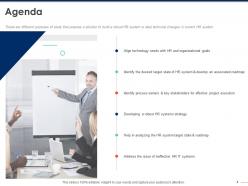
Slide 2: This slide displays Agenda.
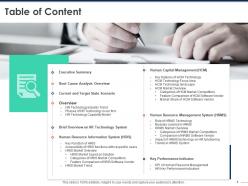
Slide 3: This slide represents Table of Content of the presentation.
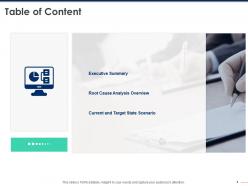
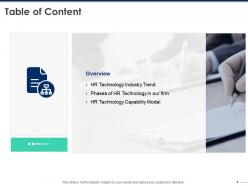
Slide 4: This slide displays Table of Content of the presentation.
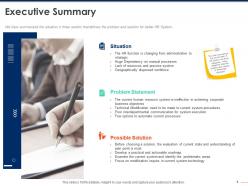
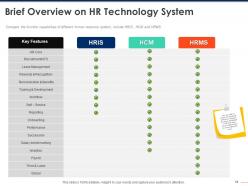
Slide 5: The slide summarizes the current state of HR System into three categories. These categories describe problem and solution of technology disruption.
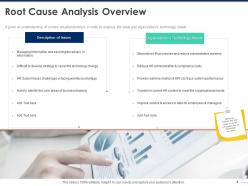
Slide 6: This slide gives an understanding of current situation/problem in order to analysis the issue and organization’s technology needs.
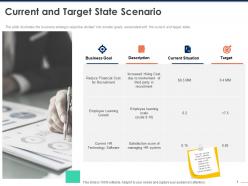
Slide 7: The slide illustrates the business strategic objective divided into smaller goals, associated with the current and target state.
Slide 8: This slide displays Table of Content.
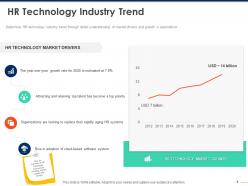
Slide 9: This slide highlights HR Technology Industry Trend. Determine HR technology industry trend through detail understanding of market drivers and growth in expenditure
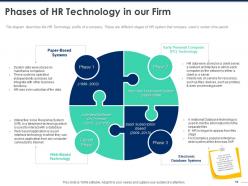
Slide 10: This slide shows Phases of HR Technology in our Firm. The diagram describes the HR Technology profile of a company. These are different stages of HR system that company used in certain time period
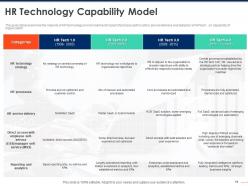
Slide 11: The table in the slide examines the maturity of HR technology environment and impact of process optimization, service delivery and adoption of HR tech , on capability of organization
Slide 12: This slide displays Table of Content.
Slide 13: This slide shows the functional difference between the three department of HR and what functionality should be associated with each.
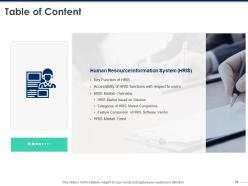
Slide 14: This slide depicts Table of Content.
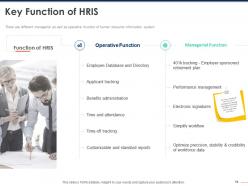
Slide 15: This slide mentioned the list of management as well operational activities of HRIS. You can edit or add more activities.
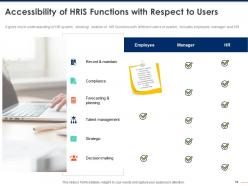
Slide 16: This slide shows Accessibility of HRIS Functions with Respect to Users.
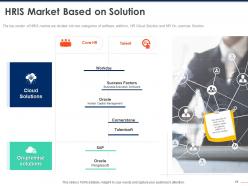
Slide 17: This slide shows HRIS Market Based on Solution.
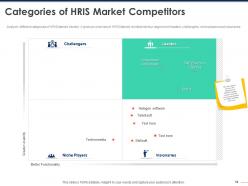
Slide 18: This slide Analyze different categories of HRIS Market Vendor. It gives an overview of HRIS Market, divided into four segment of leaders, challengers, niche players and visionaries
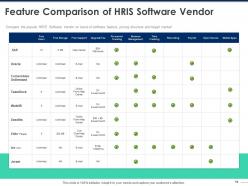
Slide 19: This slide shows Feature Comparison of HRIS Software Vendor
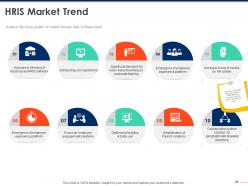
Slide 20: This slide shows HRIS Market Trend. We have mentioned few market trend of HRIS Software System. You can add or edit them as need.
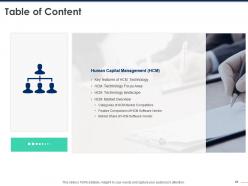
Slide 21: This slide depicts Table of Content.
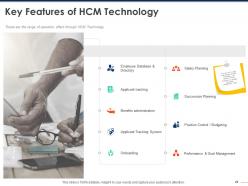
Slide 22: This slide depicts Key Features of HCM Technology.
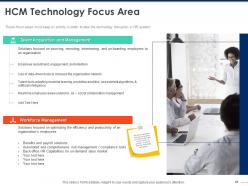
Slide 23: This slide shows HCM Technology Focus Area. We have mentioned the few focus areas in HCM system that need to work on priority, in order to deal the technology disruption.
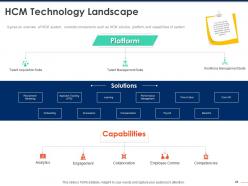
Slide 24: This slide depicts HCM Technology Landscape. It gives an overview of HCM system, consists components such as HCM solution, platform and capabilities of system
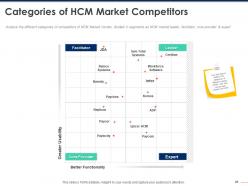
Slide 25: This slide shows Categories of HCM Market Competitors. Use this slide to analyze the categories of different market vendor, and who serves best solution for HCM
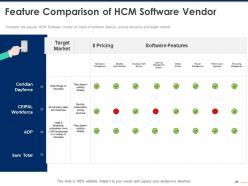
Slide 26: This slide depicts Feature Comparison of HCM Software Vendor. Compare the popular HCM Software Vendor on basis of software feature, pricing structure and target market
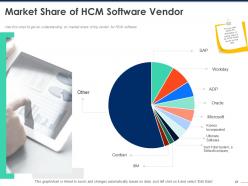
Slide 27: This slide depicts Market Share of HCM Software Vendor. Use this chart to get an understanding on market share of top vendor for HCM software
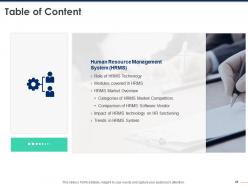
Slide 28: This slide depicts Table of Content
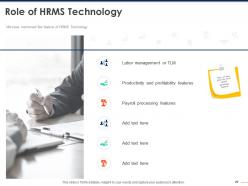
Slide 29: This slide shows the Role of HRMS Technology.
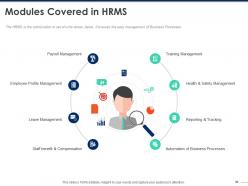
Slide 30: This slide highlights Modules Covered in HRMS
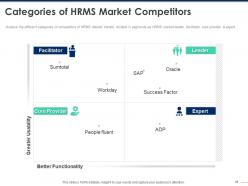
Slide 31: This slide shows Categories of HRMS Market Competitors.
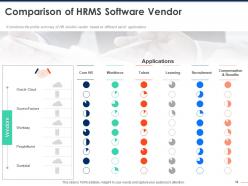
Slide 32: This slide depicts Comparison of HRMS Software Vendor.
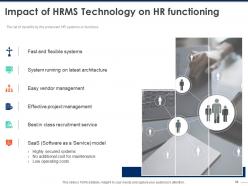
Slide 33: This slide shows Impact of HRMS Technology on HR functioning
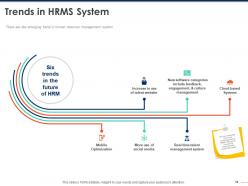
Slide 34: This slide depicts Trends in HRMS System. We have mentioned , few recent technology trend in HRMS, that can be consider for improvement in current HR system
Slide 35: This slide shows Table of Content.
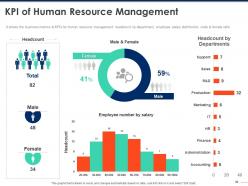
Slide 36: This slide shows KPI of Human Resource Management. It shows the business metrics & KPIs for human resource management: headcount by department, employee salary distribution, male & female ratio
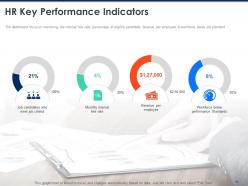
Slide 37: This slide highlihts HR Key Performance Indicators The dashboard focus on monitoring the internal hire rate, percentage of eligible candidate, revenue per employee & workforce below job standard
Slide 38: This is HR Technology Icons Slide.
Slide 39: This slide is titled as Additional Slides for moving forward.
Slide 40: This slide shows Roadmap Template 3
Slide 41: This slide showcases Roadmap Template 4.
Slide 42: This slide represents Roadmap Template 5
Slide 43: This slide shows Roadmap Template 6.
Slide 44: This slide shows Roadmap Template 7
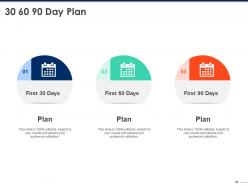
Slide 45: This is 30 60 90 Day Plan slide.
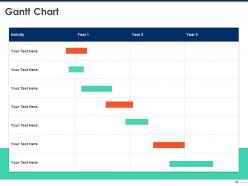
Slide 46: This slide represents Gantt Chart.
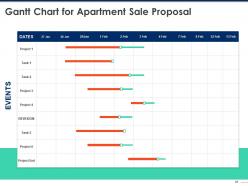
Slide 47: This slide shows Gantt Chart for Apartment Sale Proposal
Slide 48: This slide shows Important Notes.
Slide 49: This slide shows Mind Map to represent entities.
Slide 50: This is Puzzle slide.
Slide 51: This slide displays Our Target
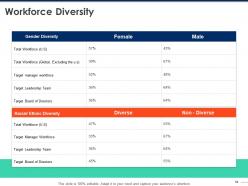
Slide 52: This slide shows Workforce Diversity.
Slide 53: This slide displays Our Mission, Vision and Goals.
Slide 54: This is Our Team slide with Names and Designations.
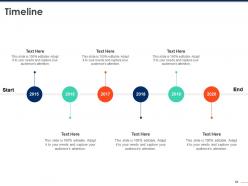
Slide 55: This slide depicts Timeline process.
Slide 56: This is About Us slide to showcase Company specifications.
Slide 57: This is Thank You slide with Contact details.
HR Technology Powerpoint Presentation Slides with all 57 slides:
Use our HR Technology Powerpoint Presentation Slides to effectively help you save your valuable time. They are readymade to fit into any presentation structure.

FAQs for HR Technology
Honestly, AI recruiting tools are everywhere now - they're pretty good at screening resumes. People analytics is the big buzzword though, where companies try predicting who'll quit or get promoted based on data patterns. Mobile-first everything since nobody wants to log into a desktop for HR stuff anymore. Most places ditched annual reviews for those continuous feedback apps too, which is way better IMO. Oh and integration between different HR platforms actually works now instead of being a nightmare. If you're thinking about upgrading, I'd figure out what manual tasks are killing your team's time first - that's usually where you'll see the biggest wins.
Honestly, start by figuring out what manual stuff is driving your team crazy - that's where you'll see the biggest wins. Real-time feedback tools are game-changers, and the personalized learning platforms actually work pretty well. You can spot who's about to quit before it happens with the data analytics (which is kind of scary but useful). Mobile apps make everything way more accessible, and when people can easily grab their benefits or request PTO without jumping through hoops, they're just happier. The automated workflows free you up to actually talk to people instead of drowning in paperwork. Communication channels get so much better too.
Dude, AI is everywhere in HR now and honestly? It's saving people's sanity. Resume screening happens automatically, interviews get scheduled without the back-and-forth emails, and there are even tools doing first-round candidate assessments. The predictive stuff is wild too - like figuring out who might quit or spotting skill gaps you didn't notice. Oh, and chatbots handle all those repetitive employee questions that used to eat up your day. You actually get to do the interesting human parts of the job instead of drowning in admin work. Whatever's eating most of your time right now, there's probably something that can help.
Honestly, data analytics is a game-changer for HR stuff. You stop guessing and start actually knowing what's going on. Like, you can see who's about to quit before they even know it themselves. Pretty wild, right? Figure out which benefits people actually care about instead of wasting money on random perks. Also catches if your hiring process is accidentally screwing over certain groups. Rather than sitting there wondering why everyone seems miserable, the data shows you exactly which teams or managers are the problem. My advice? Start simple - pick something like how long hiring takes and see what story the numbers tell you.
Honestly, the worst part is usually getting everyone on board - people are so stubborn about learning new systems. Data migration is another beast entirely, and don't get me started on making it play nice with your payroll and benefits platforms. Budget-wise? Yeah, plan for it to cost way more than quoted. Training drags on forever too. Oh, and clean up your data first - trust me on this one. I'd definitely run a pilot with like 20 people before rolling it out company-wide. Integration nightmares are real if you don't map everything out properly beforehand.
Honestly, HR tech is a game changer for D&I stuff. AI recruiting tools can strip out bias when writing job posts and screening people - way more objective than doing it manually. Analytics help you track diversity numbers for hiring, promotions, pay gaps, all that. There are even platforms with built-in bias alerts which is pretty neat. Oh, and don't sleep on employee resource group tools and pulse surveys - you get real feedback on how inclusive people actually feel. Just focus on tools that measure actual impact, not vanity metrics. I'd start with recruiting first since that's where you'll see quick wins.
Start with the basics - payroll, benefits, time tracking, employee portals. Integration is super important because having data scattered everywhere becomes a total headache later. Make sure it has good reporting, works on mobile, and can grow with you. Honestly, user experience is underrated - if the interface sucks, nobody will use it right. Check compliance stuff for your industry too. Here's what I'd do: demo 2-3 systems with your actual team members, not just the bosses. They're the ones who'll be stuck using it daily.
Dude, integration can totally make or break your HR tech setup. If your new system doesn't play well with payroll, email, all that stuff - you're screwed. Data gets trapped everywhere, people end up doing everything twice, and suddenly your "amazing" new platform is just expensive frustration. Seriously, I watched one company waste months trying to sync basic employee data. What a mess. You gotta map out what systems you're already using first, then make integration a dealbreaker when you're talking to vendors. Don't let them sweet-talk you into "we'll figure it out later" because you won't.
Skip the boring PowerPoint stuff - nobody learns that way. Get people actually using the system hands-on instead. Find your tech people first and turn them into helpers for everyone else. Break training into smaller chunks over a few weeks (trust me, information overload is real). Give them realistic scenarios with actual data to mess around with. Record everything so they can watch again later when they inevitably forget. Oh, and make a simple cheat sheet with just the daily tasks they'll actually need. Way more useful than some massive manual nobody reads.
Dude, HR tech is seriously worth it. Most of these platforms let you blast job postings everywhere at once instead of doing each site individually. The resume screening thing with AI actually works pretty well - saves you from reading through tons of obviously unqualified people. Interview scheduling tools are clutch too, no more endless email chains trying to find a time that works. Oh, and digital onboarding is huge - new hires can fill out all their paperwork ahead of time. I was skeptical at first but honestly? It freed up like 15 hours a week for me. Just pick whatever your biggest pain point is and start there.
Oh man, HR tech is sketchy with data honestly. They're hoarding everything - your salary, performance reviews, health records, background checks. Breaches happen constantly since hackers love targeting this stuff. Most employees have no clue what's being collected either, especially with those creepy AI tools monitoring your emails and productivity. GDPR and state laws make compliance a nightmare too. You really need to audit what data these systems actually require - like, do they really need ALL that info? Set up proper access controls because this isn't something you want to mess around with.
Honestly, just start with something like BambooHR or Gusto - they're cheap and bundle payroll with basic HR stuff. Google Workspace can actually handle a ton if you're willing to get creative with it. I'd focus on whatever's eating up most of your time first (usually payroll and time tracking, those are the worst). Most platforms let you start small and add features later anyway. Skip all the bells and whistles for now. My friend made that mistake and spent way too much upfront. Just get something that saves you a few hours each week and build from there.
Dude, mobile tech totally flipped HR on its head. Employees can do pretty much everything from their phones now - time off, pay stubs, benefits updates, all that stuff. It's crazy how we used to be glued to our desks for basic HR tasks. The thing is, people expect that smooth app experience everywhere now. If your HR platform sucks on mobile, you're basically annoying everyone daily. I'd check what works on mobile right now and fix the stuff employees use most. Oh, and the speed difference is insane - what took days before happens instantly now.
Honestly, remote work has companies scrambling to digitize everything HR-wise. Paper forms are dead - everyone's moving to cloud-based systems and digital onboarding now. Video interviews used to feel super awkward but they're totally normal. Self-service portals are huge too since employees don't want to call HR for every little thing. Companies are throwing money at employee engagement platforms and collaboration tools that actually work remotely. Performance management had to go digital fast. If your HR tech is still stuck in 2019, you're definitely playing catch-up at this point.
Look at metrics that actually matter for business results - time-to-hire, engagement scores, retention, cost-per-hire. That stuff shows if your tech is working or just sitting there looking pretty. User adoption is huge too because what's the point of expensive software if everyone hates using it? I'd probably start with maybe 3-4 metrics tied to your biggest headaches right now. Oh, and definitely track how much admin time you're saving your HR team - that's where you'll see quick wins. You can always add more metrics later once you get the hang of it.
-
Informative presentations that are easily editable.
-
Really like the color and design of the presentation.
-
Great quality slides in rapid time.
-
Great designs, really helpful.