HR Strategic Roadmap Powerpoint Presentation Slides

Rating:
87%
HR Strategic Roadmap Powerpoint Presentation Slides
Slide 1 of 10
Favourites Favourites

Try Before you Buy Download Free Sample Product

Audience Impress Your
Audience
Editable 100%
Editable
Time Save Hours
of Time
The Biggest Sale is ending soon in
0
0
:
0
0
:
0
0
Rating:
87%
This complete deck covers various topics and highlights important concepts. It has PPT slides which cater to your business needs. This complete deck presentation emphasizes HR Strategic Roadmap Powerpoint Presentation Slides and has templates with professional background images and relevant content. This deck consists of total of ten slides. Our designers have created customizable templates, keeping your convenience in mind. You can edit the colour, text and font size with ease. Not just this, you can also add or delete the content if needed. Get access to this fully editable complete presentation by clicking the download button below.

Content of this Powerpoint Presentation


Slide 1: This slide introduces HR Strategic Roadmap. State your Company name and begin.
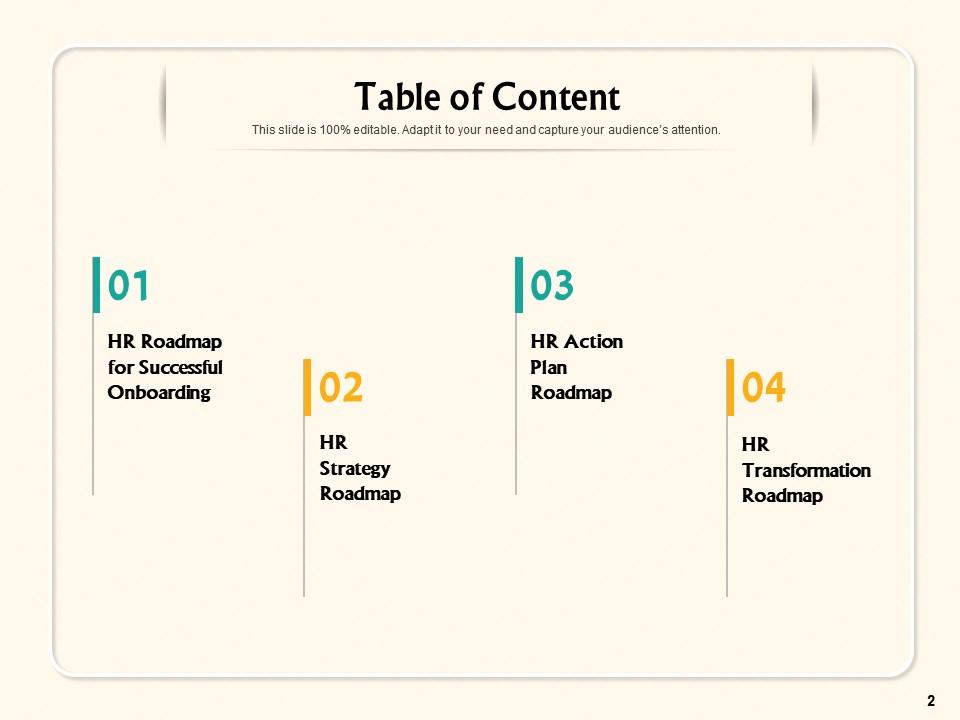
Slide 2: This slide displays Table of Content of the presentation.
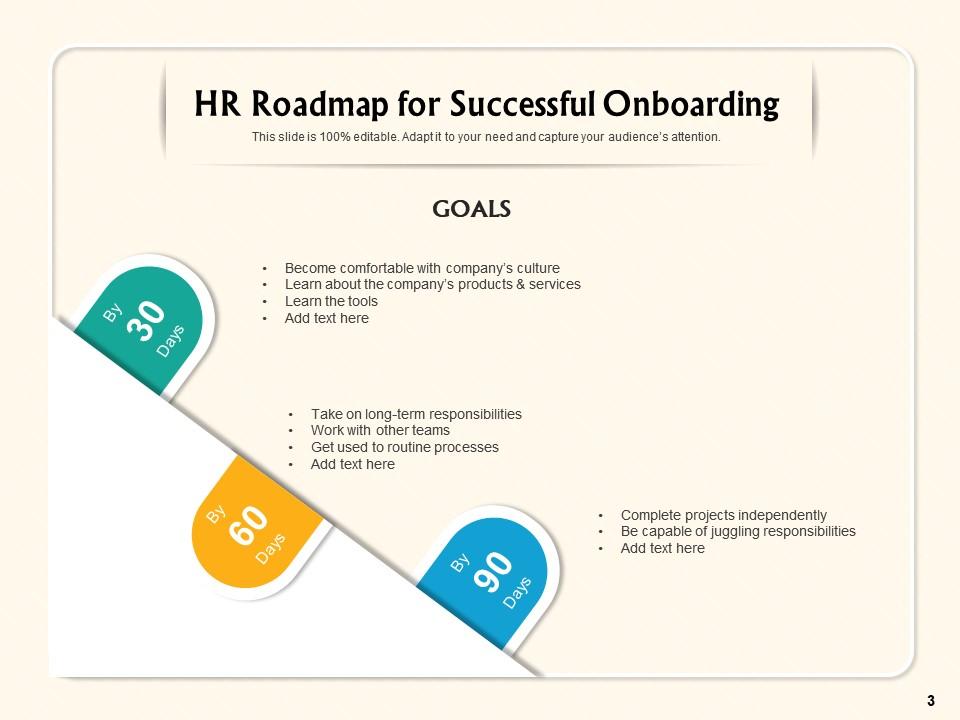
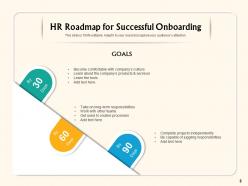
Slide 3: This slide shows HR Roadmap for Successful Onboarding
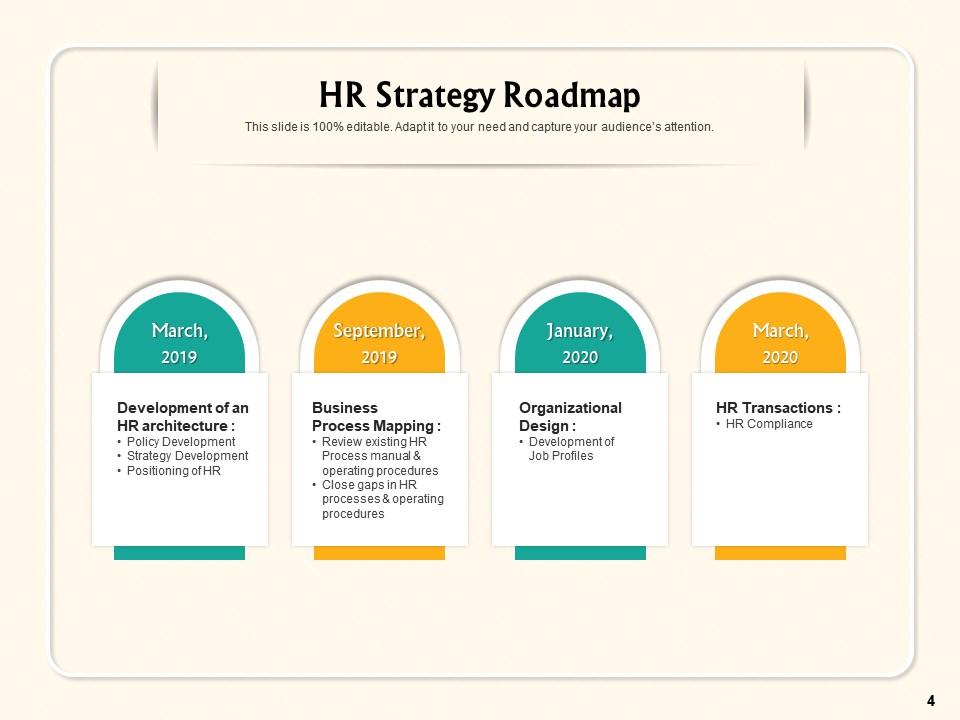
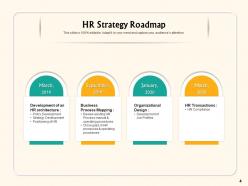
Slide 4: This slide highlights HR Strategy Roadmap.
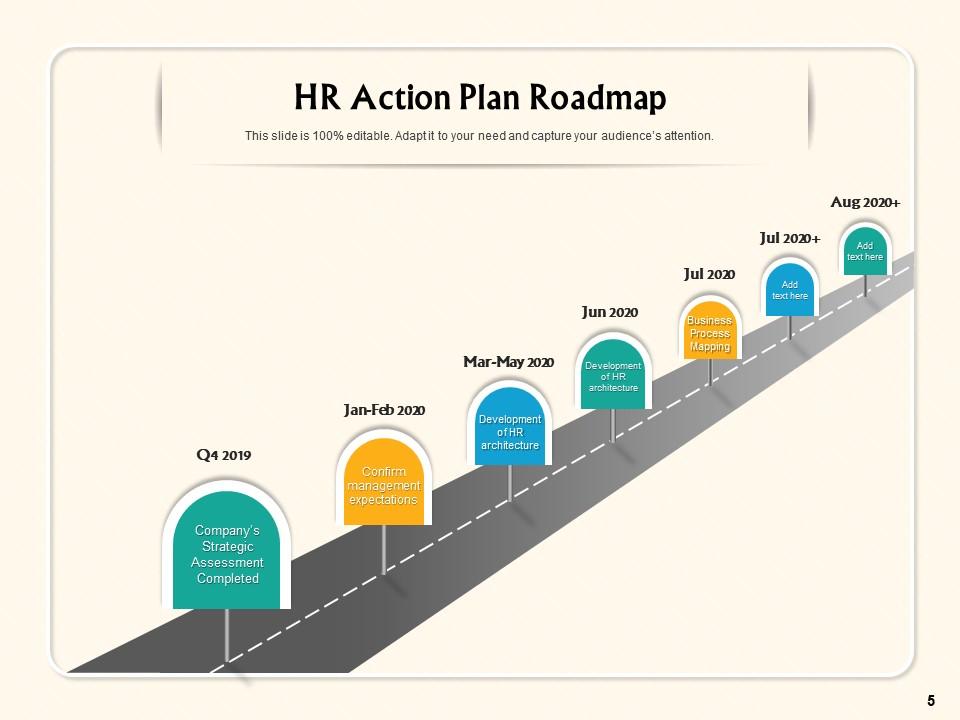
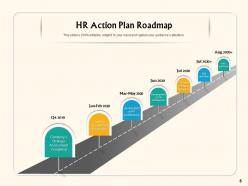
Slide 5: This slide presents HR Action Plan Roadmap. .
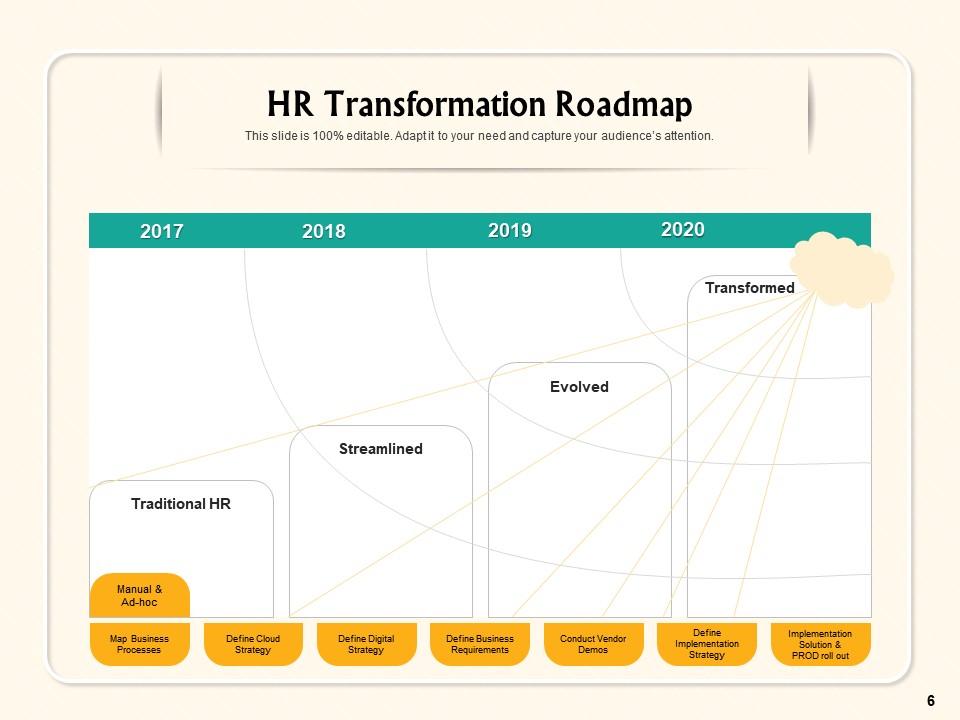
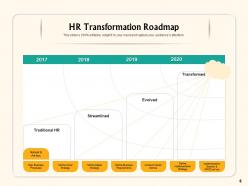
Slide 6: This slide shows HR Transformation Roadmap
Slide 7: This slide is titled as Additional Slides for moving forward.
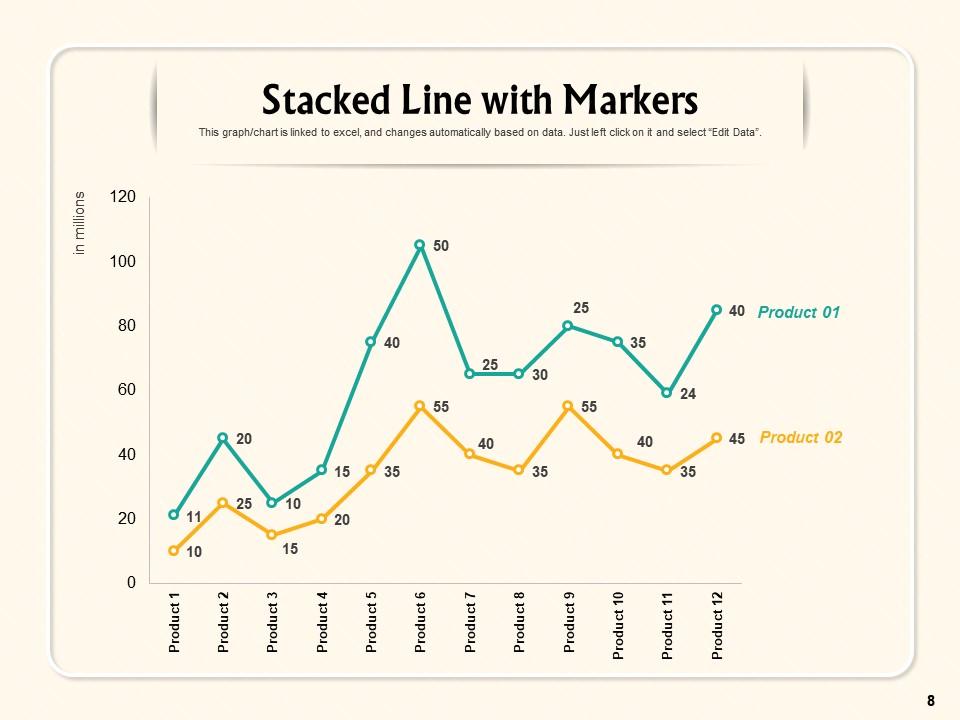
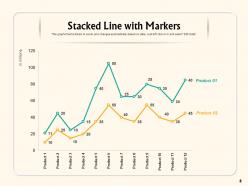
Slide 8: This slide shows Stacked Line with Markers for products comparison.
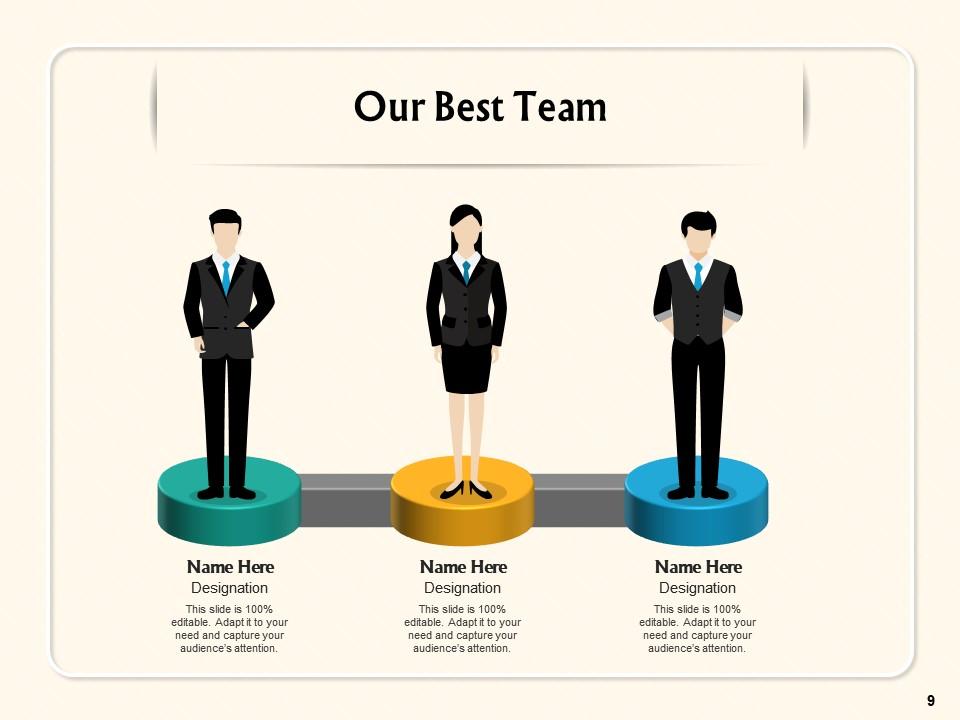
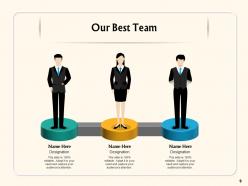
Slide 9: This is Our Team slide with Names and Designations.
Slide 10: This is Thank You slide with Contact details.

FAQs for HR Strategic Roadmap

Honestly, most HR roadmaps fail because they're way too complicated. You really just need five things that actually matter. Business alignment comes first - whatever HR does has to help the company hit its goals, period. Map out your talent stuff next (hiring, keeping people, training). Then figure out what systems and processes need fixing - this part's boring but necessary. Change management is huge though, and I swear this is where everything usually goes sideways because nobody likes change. Oh, and definitely build in some way to measure progress. Otherwise you're just guessing if anything's working. Keep it simple enough that your CEO could explain it back to you.

Honestly, you've gotta dig deep into what the business actually wants - not just flip through their annual report. Say they're expanding into new markets? Your hiring strategy should target people who know those regions. Cost-cutting mode? Show how your retention programs save way more than constantly recruiting new people. Here's the thing though - translate everything into business speak. Don't say "employee satisfaction went up." Say "we saved $200K in hiring costs through better retention." It sounds boring but executives eat that stuff up. Always connect your HR wins back to dollars or whatever strategic goals they're obsessing over right now.

Think of data analytics like your GPS for HR decisions. It shows you exactly where things stand and helps map out your next moves. You'll spot turnover patterns, find skill gaps, and see what's actually moving the needle (instead of just guessing). Honestly, I've seen too many teams drown in spreadsheets without a clear purpose. Pick 3-5 metrics that tie directly to your business goals first. Then build from there. Focus on data that drives real decisions, not just pretty dashboards nobody looks at.

Look at three things: business impact, how much effort you'll need, and what depends on what else. Quick wins are gold - find stuff that hits your main goals and shows results fast. Leadership eats that up. Next, tackle the boring foundation work that everything else builds on. Data cleanup, process docs, all that unglamorous stuff. I know it's tempting to juggle five projects at once (been there), but you'll just stress yourself out. Try the classic impact vs effort grid thing - sounds cheesy but it actually works. Hit the easy high-impact wins first.

Honestly, the hardest part is dealing with people who just don't want things to change - both employees and managers get super comfortable with how things are. Leadership can be tricky too if they're not seeing quick returns. Budget is always tight, like way tighter than what you actually need. Data quality will make you want to pull your hair out because you're trying to make big decisions with terrible information. Plus HR timelines never match up with what the business wants, which gets awkward fast. My take? Go for some easy wins first to prove yourself, then you can push for the bigger stuff once people trust you know what you're doing.

Definitely weave stakeholder input throughout your whole HR planning process - don't just slap it on afterward. Map out who matters first: employees, managers, leadership, maybe some external folks too. Then actually get them involved with surveys, focus groups, casual one-on-ones. Fair warning though, juggling everyone's opinions gets messy fast, but it's totally worth the headache. Keep people in the loop as you go and build in real feedback opportunities. The goal? Making stakeholders feel genuinely heard the entire time, not like they're just checking a box once and done.

Track both types - leading stuff like engagement scores, retention, and how fast you fill roles, plus lagging metrics like revenue per employee and productivity. Most teams get way too caught up in numbers that look good but don't actually matter. Pick maybe 5-7 that tie directly to what your business cares about. I'd set up something simple you can check monthly. Don't go overboard with fancy dashboards or you'll waste more time measuring than fixing things. The whole point is seeing what's working, not impressing people with data.

Honestly, tech is what makes your HR roadmap actually happen instead of just sitting in a PowerPoint deck. Get an HRIS to handle the boring stuff automatically. Analytics tools show you if you're hitting your goals - the data visualization is incredible, you can finally see what's working instead of guessing. AI helps predict workforce trends, though I'm still figuring out half of it. Performance management systems push your big-picture goals down to individual people. Communication platforms keep everyone on the same page. Start with whatever manual tasks are driving you crazy and automate those first - you'll thank yourself later.

Honestly, skip the boring PowerPoint dump - nobody retains anything from those anyway. Start with town halls to paint the big picture, then break it down by department so people actually get how it impacts them. Follow up with emails, manager chats, maybe some visuals around the office. The trick is showing them what's in it for them personally - better tools, clearer career paths, smoother processes. Make it feel like a real conversation instead of corporate speak being broadcasted at them. People tune out when they can't see themselves in the story.

Quarterly reviews are your best bet - that's when you catch business shifts before they mess up your plans. I'd do the big annual update too, diving into workforce data and checking if you're still aligned with company goals. Seriously, so many teams just abandon their roadmaps after creating them. Don't be those people. If something huge happens though (merger, market crash, whatever), jump on it right away instead of waiting. Oh, and actually put these reviews on your calendar now or you'll never do them.

Ugh, this whole workforce shift thing really makes you question everything about HR, doesn't it? Like, you're dealing with four different generations who all want completely different things - some want remote work, others hate it. Your old rigid planning just won't cut it anymore. What's worked for me is making everything more flexible instead of those long-term strategic plans that nobody follows anyway. Honestly, start by looking at who you actually employ now versus a few years back - bet it's way different! Focus on training managers to handle all this diversity and maybe invest in some decent learning platforms. It's messy but doable.

Honestly, don't treat D&I like some add-on project - it needs to be baked into everything. Your recruitment, performance reviews, leadership development, all of it. I see companies mess this up constantly by making it this separate thing nobody really owns. Start with figuring out where you actually stand right now (audit everything), then set real targets with deadlines. Track stuff like representation numbers and how included people actually feel through surveys. Oh, and make sure your leadership pipeline isn't just the same types of people over and over. It's way more work than it sounds but totally worth it.

Honestly, you need to get comfortable with numbers first - analyzing turnover, engagement scores, all that fun stuff. Business sense is huge too because everything you do has to tie back to company goals somehow. The communication piece is probably the hardest part though. You're basically selling ideas to executives who don't always get HR, which can be... frustrating. Oh, and definitely work on project management if you haven't already - you'll be running like five initiatives at once. I'd say pick whatever feels shakiest right now and focus there. Half of being successful is just learning to tell a good story with your data anyway.

Market trends will basically force your hand on HR strategy - no getting around it. Talent shortage? You're suddenly scrambling to beef up employer branding and keep people from jumping ship. When the economy tanks, workforce planning becomes your new best friend (along with some pretty uncomfortable restructuring talks). Tech changes everything too - better get those reskilling programs going before everyone else catches on. And honestly, we've all watched companies completely flip their DEI approach overnight when social movements hit. Build some flexibility into your plans so you're not constantly playing catch-up. Those quarterly market check-ins? Actually worth doing.

Honestly, employee feedback is like your secret weapon for HR planning. Without it, you're just guessing what people actually need. Surveys and exit interviews give you the real story - not what executives assume is happening. Focus groups work too, though they can get a bit awkward sometimes. The trick is being consistent about collecting this stuff and then actually using it when you're mapping out your strategy. Otherwise you'll end up fixing problems that don't exist while the real issues keep driving people away. Can't build a decent people strategy without knowing what employees are thinking.

Ratings and Reviews

87% of 100
Review Form
Write a review
Most Relevant Reviews
  1. 80%

    by Darrin Porter

    Innovative and attractive designs.
  2. 100%

    by Chong Richardson

    Wonderful templates design to use in business meetings.
  3. 80%

    by William Martinez

    Very unique, user-friendly presentation interface.

3 Item(s)

per page: