


Human mind iq test scale distribution




Try Before you Buy Download Free Sample Product
 Impress Your
 Audience
 100%
100% Editable
 Save Hours
 of Time


Our Human Mind IQ Test Scale Distribution are topically designed to provide an attractive backdrop to any subject. Use them to look like a presentation pro.
People who downloaded this PowerPoint presentation also viewed the following :
Human mind iq test scale distribution with all 2 slides:
Use our Human Mind IQ Test Scale Distribution to effectively help you save your valuable time. They are readymade to fit into any presentation structure.
FAQs for Human mind iq
So basically, IQ scores make that bell curve because tons of different things are all mixing together - your genes, how you grew up, what you ate as a kid, school quality, all that stuff. When you've got a bunch of random factors influencing something, you'll pretty much always end up with that normal distribution shape. Same thing happens with height or weight, honestly. Plus the tests themselves are designed to hit an average of 100, so there's some built-in shaping happening there too. But yeah, focus on individual scores rather than getting caught up in the whole curve thing.
Yeah, there's definitely variation between countries - usually mid-80s to around 105-108, with East Asian countries scoring highest. But honestly, most of that comes down to socioeconomic stuff. Better nutrition, education quality, economic conditions. The tests were mostly designed by Western researchers too, which creates bias. Individual differences within any country are huge anyway. Plus scores keep rising over time as conditions improve - they call it the Flynn effect or something. So group averages don't really tell you much about actual people, you know?
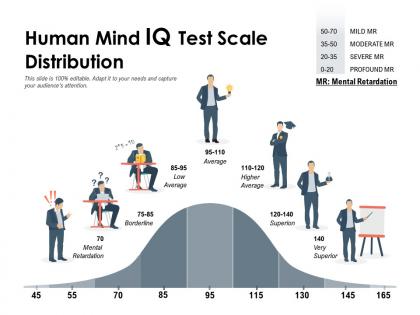
So basically the standard deviation (usually 15 points) is what makes IQ scores actually mean something. It shows how far you are from that average of 100. Most people - like 68% - land between 85-115, and 95% fall in the 70-130 range. Think of it as measuring how far someone sits from "normal." Honestly, I wouldn't stress about tiny differences though. A 105 vs 110? Same ballpark. Focus on those bigger chunks instead of getting hung up on exact numbers, because that's where the real differences actually show up.
Yeah, so SES makes a huge difference - like 10-15 point gaps between rich and poor kids on average. Makes sense when you think about it. Wealthier families get better schools, nutrition, healthcare, plus more books and educational stuff at home from day one. Meanwhile, low-income kids deal with stress, food insecurity, fewer resources. All that hits cognitive development hard. It's honestly pretty depressing how the cycle works. Point is, when you see IQ differences between groups, don't assume it's about natural ability - it's usually the environment doing most of the heavy lifting there.
So genetics play a huge role - like 50-80% of IQ differences between people. Twin studies are fascinating for this stuff. Identical twins separated at birth? They'll score way more similarly than adopted kids who grew up in the same house. Crazy right? But here's what matters: your genes don't lock you into some fixed number. They set a range, and environment decides where you land in it. Good nutrition, education, mental challenges - that's how you max out your potential. My advice? Don't stress about the genetic lottery, just focus on learning new things.
Yeah, environmental stuff seriously affects IQ scores. Nutrition during childhood development is huge - poor diet can permanently mess with cognitive abilities. Education quality matters too, obviously. Socioeconomic status plays a role, plus toxin exposure like lead poisoning. The research is honestly pretty depressing when you dig into it. Enriched learning environments can boost scores though. Here's the thing - these effects build up over years, so early help makes the biggest difference. Oh, and if you're ever looking at cognitive tests, don't forget someone's background might explain lower scores better than actual ability.
Okay so here's the thing - kids' brains work at totally different speeds, right? The gap between your fastest and slowest learners is honestly wild. Most teachers do this one-size-fits-all thing that either leaves half the class confused or puts the other half to sleep. You've gotta meet students where they actually are. Some kids will get abstract stuff immediately, others need everything broken down into tiny concrete steps. I learned this the hard way my first year teaching algebra. Bottom line: create different paths to reach the same goal and don't feel bad about explaining the same concept three totally different ways.
So basically, IQ tests don't just give you one random number - they actually break things down into different areas your brain handles. WAIS-IV looks at stuff like verbal skills, how you reason through visual problems, working memory, and processing speed. Stanford-Binet digs into five different factors including fluid reasoning and math stuff. Honestly, some tests are just better at measuring certain things than others, which is why psychologists pick different ones depending on what they're trying to figure out. Your final IQ score? It's really just combining all those separate brain functions into one composite score.
Honestly, IQ tests are pretty limited - they only measure analytical stuff like logic and reasoning. Meanwhile you're completely missing emotional intelligence, creativity, social skills, all that good stuff. It's like... imagine judging someone's entire athletic ability just because they can sprint fast, but ignoring whether they can actually play basketball or swim. Plus these tests have cultural biases that mess with results. I mean, they were created by certain groups of people, so obviously there's gonna be some skew there. Bottom line? Don't rely on IQ alone when you're hiring people or whatever.
So the bell curve thing is pretty straightforward - most people hover around average IQ (100), fewer at the high and low ends. When you're hiring for brainy roles, you're basically fishing in a tiny pond since only 16% score above 115. Companies don't realize they're all fighting over the same smart people. But honestly? IQ tests are kinda biased and miss stuff like creativity or emotional intelligence. I'd skip the IQ thing entirely and just test for actual job skills instead. Way better at predicting who'll actually do well.
Look, the biggest thing is don't treat IQ like it's some permanent stamp on someone's forehead. I've watched way too many people use these scores to back up their existing biases, which is gross. Intelligence isn't just one thing anyway - scores can totally shift based on environment, opportunities, all that stuff. When you're talking about group differences, you gotta be super careful not to fuel stereotypes. Focus more on what's holding people back systemically rather than ranking everyone. Individual growth matters way more than any single number, you know?
So basically we've stopped thinking IQ is set in stone forever. Turns out it's way more flexible than anyone realized. Researchers now look at different types of intelligence, plus how cultural bias screws with test results. That whole bell curve drama? Most of those differences came down to who had good schools and resources, not genetics. Pretty obvious when you think about it. Training and better environments can actually boost cognitive skills. Oh, and always check the methodology on studies - some of the sample groups are sketchy as hell.
So early childhood programs can actually bump up IQ scores by 3-12 points - the gains are bigger for kids from disadvantaged backgrounds. Programs work best when they start before age 3 and include stuff like nutrition support and getting parents involved. Here's the weird part though: sometimes the IQ gains fade out if kids don't keep getting quality education later on. But even when that happens, you still see lasting benefits in school performance and life outcomes. Honestly, the programs that combine brain stimulation with family support seem to give the best results overall.
Okay so here's the thing - most kids fall right in the middle ability-wise, but you've got these two smaller groups on either end who need totally different support. The high achievers need gifted programs, the struggling ones need intensive help. Nobody wants to "label" kids (ugh, that whole debate), but pretending everyone learns the same way is just wishful thinking. Look at where your money's actually going right now. Does it match what you're seeing in classrooms? Because that bell curve distribution is real, and your budget should probably reflect it instead of spreading everything equally across the board.
Okay so Gardner's multiple intelligences theory basically says screw the single IQ number - that's way too narrow. Traditional tests only look at math/logic and language skills, but he identified like 8 different types: musical, spatial, social, body movement, etc. What's cool is someone could bomb a regular IQ test but be absolutely brilliant at reading people or have crazy musical talent. Makes way more sense than cramming everyone into one bell curve, right? Now instead of asking "how smart is this person," you ask "what KIND of smart are they?" Totally changes how you think about intelligence.
-
Thanks for all your great templates they have saved me lots of time and accelerate my presentations. Great product, keep them up!