Information technology infrastructure library itil incident management process complete deck
Try Before you Buy Download Free Sample Product
Audience
Editable
of Time
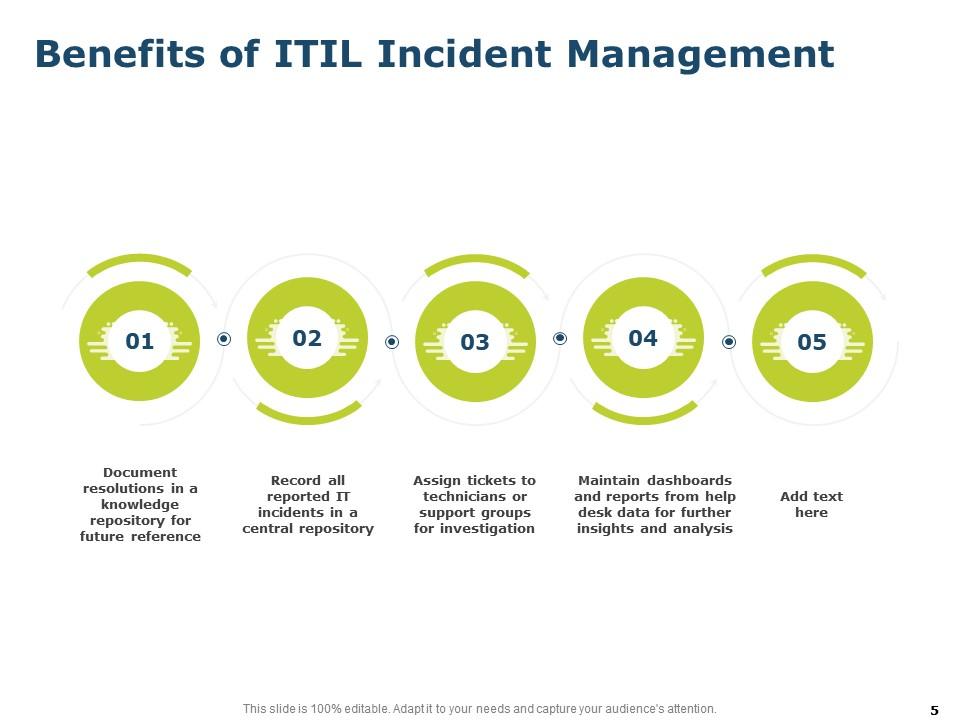
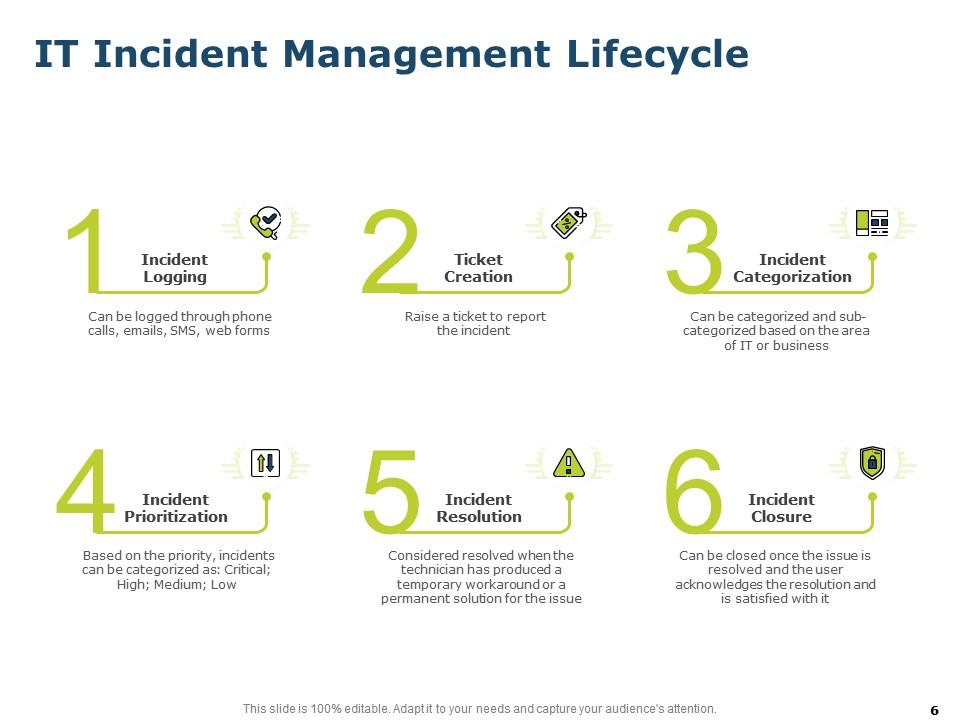
Information Technology Infrastructure Library ITIL is a set of standardized practices that are followed by the organizations to align the firms IT services with the business needs to support its core processes and serve its customers more efficiently. It is highly popular and widely implemented as it guides the organizations on how to use IT as a tool to streamline multiple business processes and transform themselves to gain an edge over the competitors. In this PowerPoint presentation, we have covered the core components of the ITIL framework such as service strategy, service design, service transition so that users can define roles and responsibilities associated with each component to achieve the desired business objectives. This ppt also covers the ITIL framework process flow, key activities with role and responsibilities so that the top management can devise a multistage plan to enhance their organization capability for business growth by successfully using IT services.
People who downloaded this PowerPoint presentation also viewed the following :
Information technology infrastructure library itil incident management process complete deck with all 21 slides:
Get folks feeling joyful with our Information Technology Infrastructure Library Itil Incident Management Process Complete Deck. Allow them to experience a bit of gaiety.
FAQs for Information technology infrastructure library itil incident management
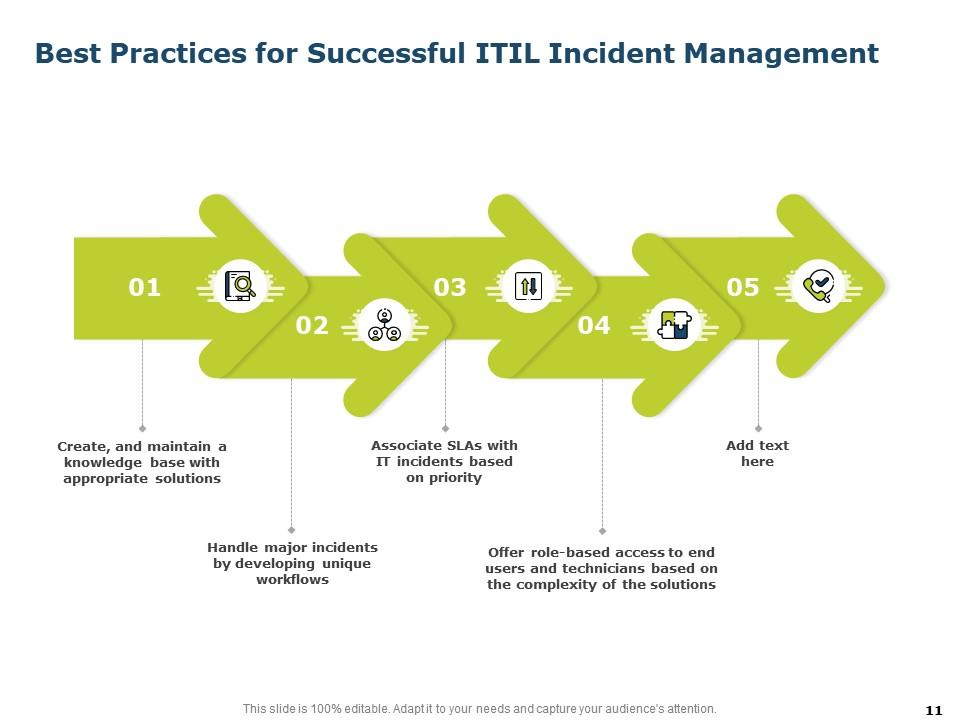
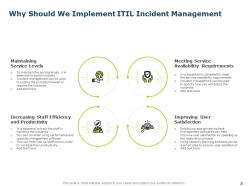
Honestly, when something breaks, you just need to get it fixed ASAP. Don't worry about finding the root cause right now - that's for later. Focus on getting users back online and hitting those SLA targets you promised. Speed is everything here. Find what's broken, patch it up (even if it's just a temporary fix), and restore service. Communication helps too - tell people what's happening. I always forget this part, but document everything so you can actually learn from the mess afterward. Think of it like emergency room triage, not detective work.
Incident Management is your first line of defense - it keeps everything running while other teams dig into root causes. Here's the thing though: it's not just about fixing stuff quickly. All that incident data? Super valuable for Problem Management to spot patterns, helps Change Management assess risks, and tracks if you're actually hitting your SLAs. The trick is connecting these dots instead of letting incidents live in their own bubble. Your incident team basically becomes the early warning system for everything else. Don't let them work in isolation or you'll miss out on all those insights that could prevent future headaches.
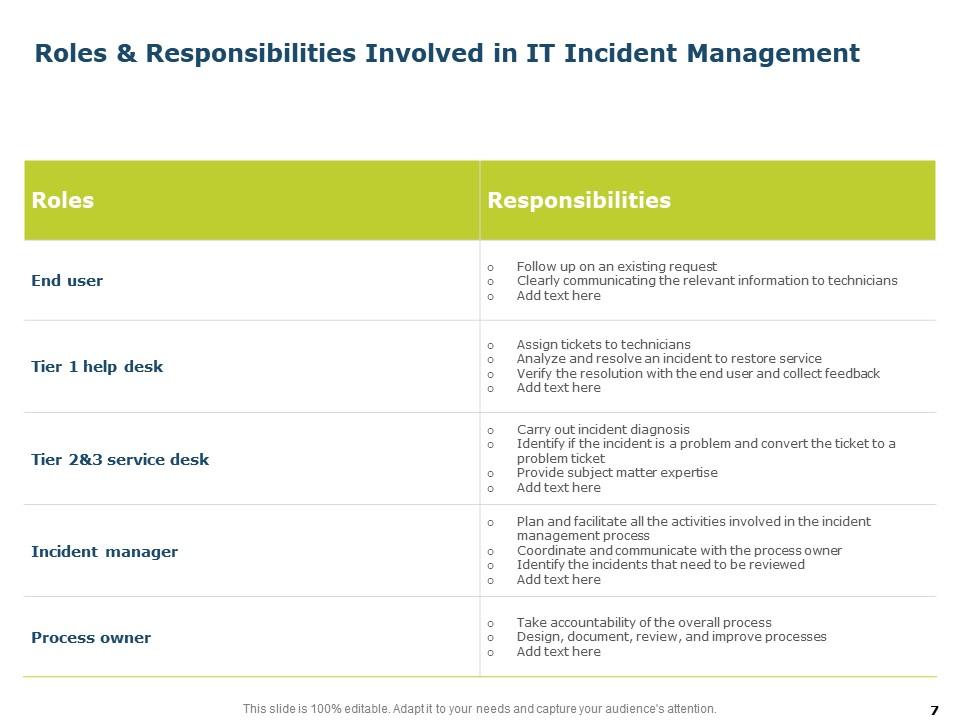
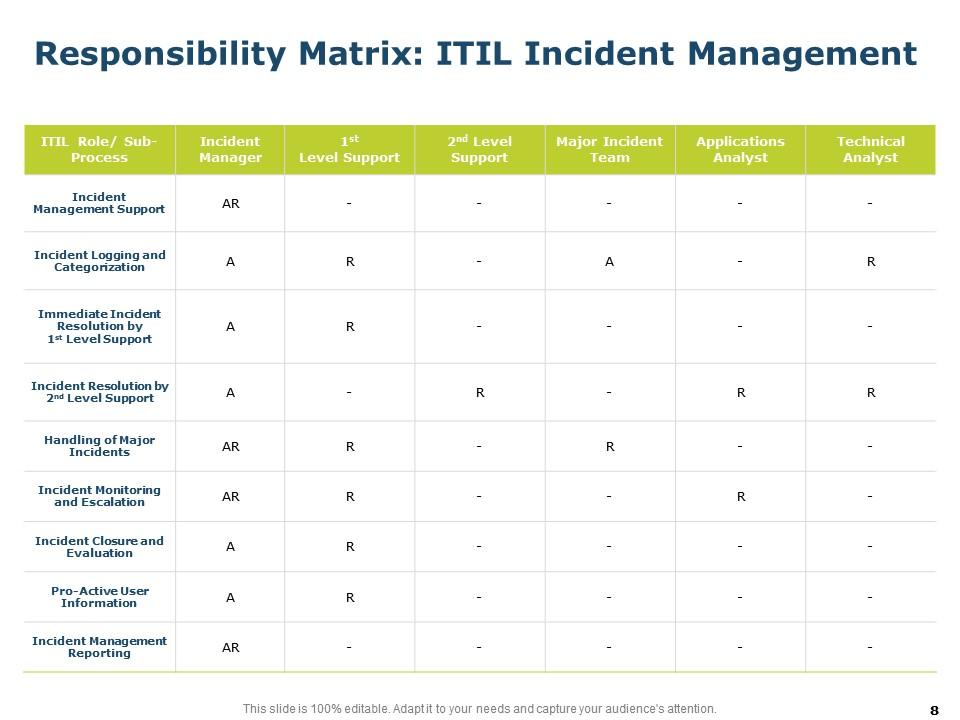
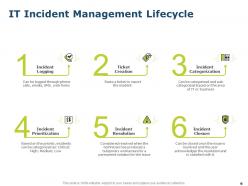
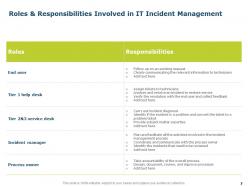
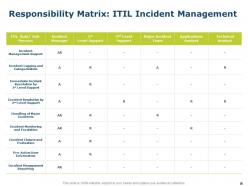
So basically you've got your Incident Manager running the show and updating everyone. Service Desk handles the initial stuff - logging tickets, figuring out what's broken. Then technical teams actually dive in and fix things. Major incident managers jump in when shit really hits the fan (honestly those are the worst days). Problem managers might poke around later if they spot trends. Just make sure everyone knows who's doing what before chaos strikes. Clear escalation paths are huge - you don't want people scrambling around wondering who to call. Oh and definitely map out a RACI chart early so there's zero confusion when things go sideways.
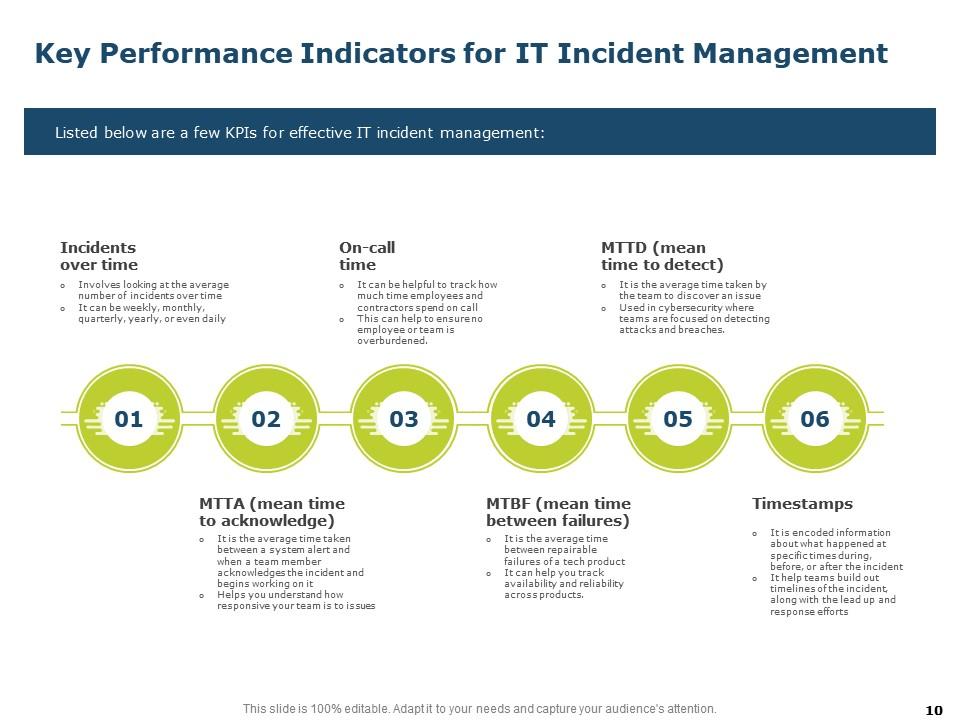
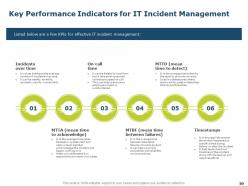
Focus on MTTR, first-call resolution, and customer satisfaction scores - those three tell you the most. Volume trends are huge too since they show whether you're actually fixing root causes or just dealing with the same crap repeatedly. Escalation rates and SLA compliance matter, but honestly they can hide real problems if you're not looking deeper. Dashboard with monthly tracking works well. Oh, and use that data to spot where things get stuck in your workflow. Short sentences mixed with longer explanations help you see patterns better.
For incident tracking, ServiceNow and Jira Service Management are solid choices - Remedy too if you're into that. I'd definitely get monitoring tools like Nagios or Datadog running first though, way better to catch stuff before users start complaining. PagerDuty is honestly a lifesaver for on-call rotations, can't recommend it enough. Slack integration helps keep everyone in the loop without constant email chains. Oh, and here's the thing - map out how you actually handle incidents now, then find tools that work with your flow. Don't just grab whatever's popular and make your team suffer through it.
Honestly, automation is a total game-changer for incident management. Start with automatic ticket creation - monitoring alerts instantly create tickets without anyone having to do it manually. Then set up auto-assignment based on severity or type so the right team gets it immediately instead of tickets just sitting there. You can also automate escalations when SLAs are getting close to being missed. The coolest part though? Common stuff like password resets or service restarts can resolve themselves automatically. I'd say pick one process first and build from there - don't try to automate everything at once.
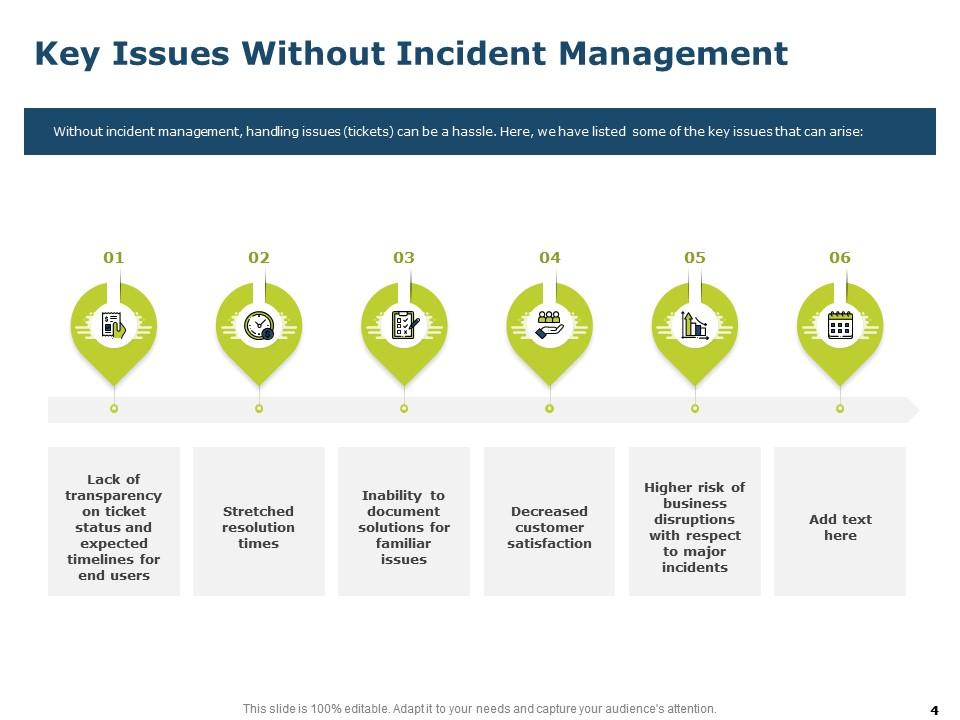
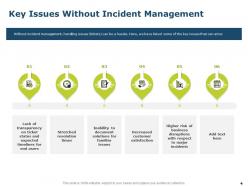
Dude, the worst part is when incidents get thrown into the wrong buckets - drives me nuts. Teams don't talk to each other, so you're basically playing telephone with critical issues. Everyone fights over the same experts too. Start by fixing your incident categories first, then build proper escalation paths people will actually use. Get some decent monitoring tools and teach everyone how to prioritize stuff correctly. Oh, and force teams to have regular check-ins - I know it sounds boring but it helps tons. Trust me, once you nail the categorization, everything else gets way easier.
So basically, incidents are when stuff breaks unexpectedly and you're scrambling to fix it. Service requests are when people want something new but nothing's actually broken. Like if your email suddenly dies - that's an incident because everyone's freaking out and you need it back up NOW. Password resets or asking for access to some new tool? That's just a regular service request that goes through normal channels. The big thing is incidents are all about fixing things fast, while service requests can wait in line with normal timing. Honestly, most people mix these up way more than they should.
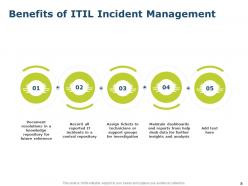
Make sure you get the basics down first - who, what, when, where, plus how bad it is and how urgent. Don't wait for people to bug you about updates, that's honestly the most annoying thing ever. Templates are your friend here, both for tracking stuff and talking to people. Just remember execs want different info than your dev team does. Keep everything in one place where everyone can see it. Oh, and definitely send that final "we're done" message - people forget this step all the time. Really though, just be consistent and don't leave anyone guessing what's happening.
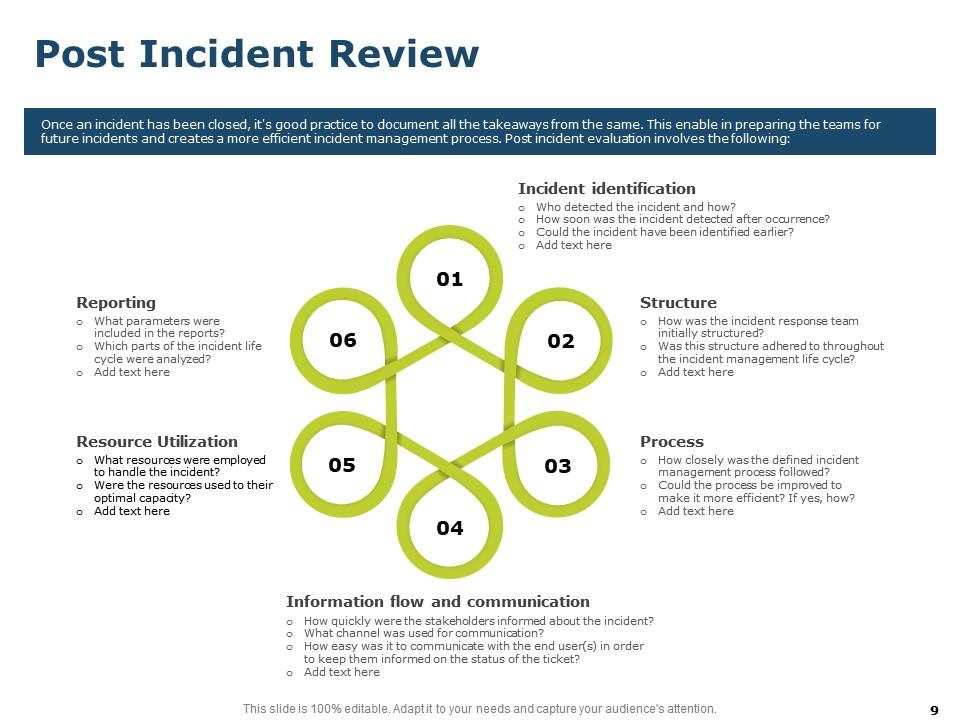
Honestly, you've gotta track the stuff that actually matters - resolution times, how often the same issues keep popping up, customer satisfaction scores. Monthly retrospectives are clutch, but only if people can speak up about what's broken without everyone getting weird about it. The real trick is actually doing something with what you learn instead of just having endless meetings about it. Oh, and don't try to fix everything at once (learned that the hard way). Pick one metric that's clearly screwed and focus on just that for three months. Way more effective than spreading yourself thin.
ITIL Foundation is your best bet to start - covers all the basics and pretty much everyone recognizes it. After that, maybe look into ITIL Practitioner or Managing Professional if you want to go deeper. CompTIA IT Operations Specialist is decent too. Oh, and definitely get training on whatever tools your company actually uses - ServiceNow, Remedy, that kind of stuff. Here's the thing though: don't sleep on soft skills training. You're gonna be dealing with pissed off users when everything's broken, so communication and stress management are huge. I'd go ITIL Foundation first, then see what makes sense based on your specific setup.
So major incidents basically flip everything into chaos mode - you get dedicated teams, hourly updates to stakeholders, and management hovering constantly. Way different from regular tickets where you just follow normal procedures. There's usually a separate incident manager coordinating while the tech teams actually fix stuff. Think of it like... a kitchen fire versus burning toast, you know? Regular issues can wait, but when something big breaks, everything gets fast-tracked and all the usual timelines go out the window. Just make sure your escalation criteria are solid so you don't accidentally trigger the whole circus for minor stuff.
Dude, communication will absolutely save your ass during incidents. Keep everyone in the loop about what's broken and when you think it'll be fixed, otherwise stakeholders lose their minds and start calling every five minutes. Been there - not fun. Your tech teams need to stay coordinated too so they're not stepping on each other. Set up your communication channels before stuff hits the fan. Send updates regularly, even if it's just "still working on it." And honestly? Close the loop when you're done. People appreciate knowing when the chaos is officially over.
Build a priority matrix using impact and urgency scores. Impact = how many users get hit or if critical stuff breaks. Urgency = how fast you need to fix it. I'd stick with a basic 1-3 scale for both - trust me, anything more complex just leads to arguing over whether something's a 2.3 or 2.7. Add or multiply the scores for your final priority. Get everyone on the same page about what high/medium/low actually means before incidents start rolling in. Oh, and set up your ticketing system to auto-tag priorities when tickets come in. Saves time later.
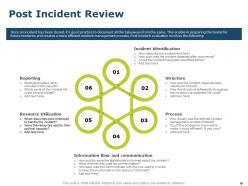
Look, going through old incidents is actually super useful - you'll start seeing patterns in what breaks and why. Common root causes become obvious. Same with which processes failed and where your team needs more training. Those "normal" recurring problems everyone just deals with? Yeah, those aren't normal at all. Check your response times and see where communication fell apart during escalations too. The trick is doing something with what you learn though - build new runbooks, fix broken procedures, get people trained on stuff they clearly struggled with. Otherwise you're just making pretty charts nobody reads.
No Reviews