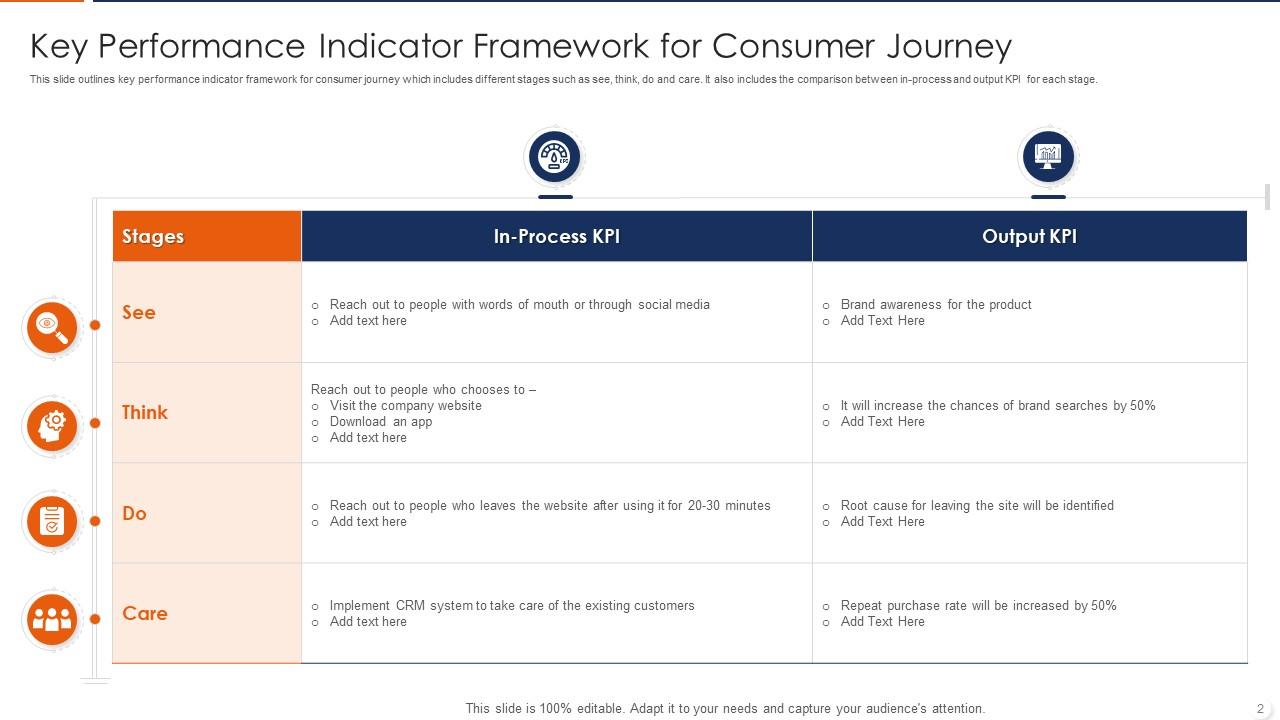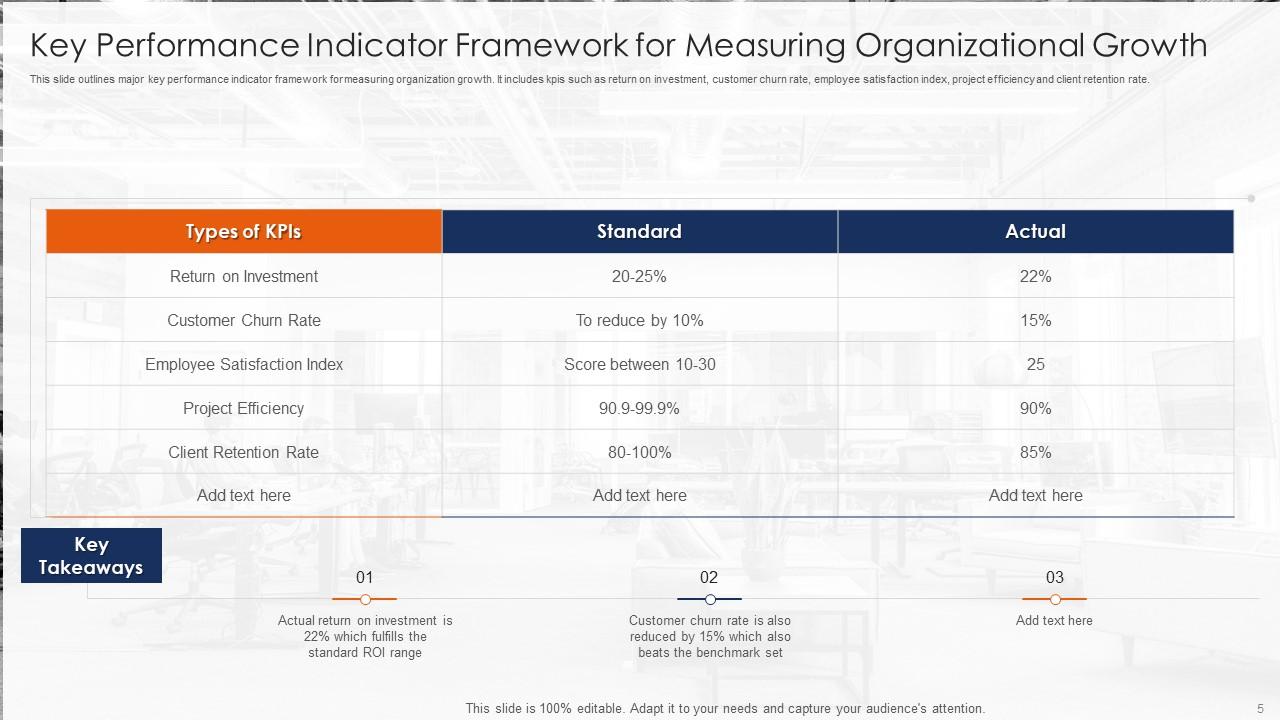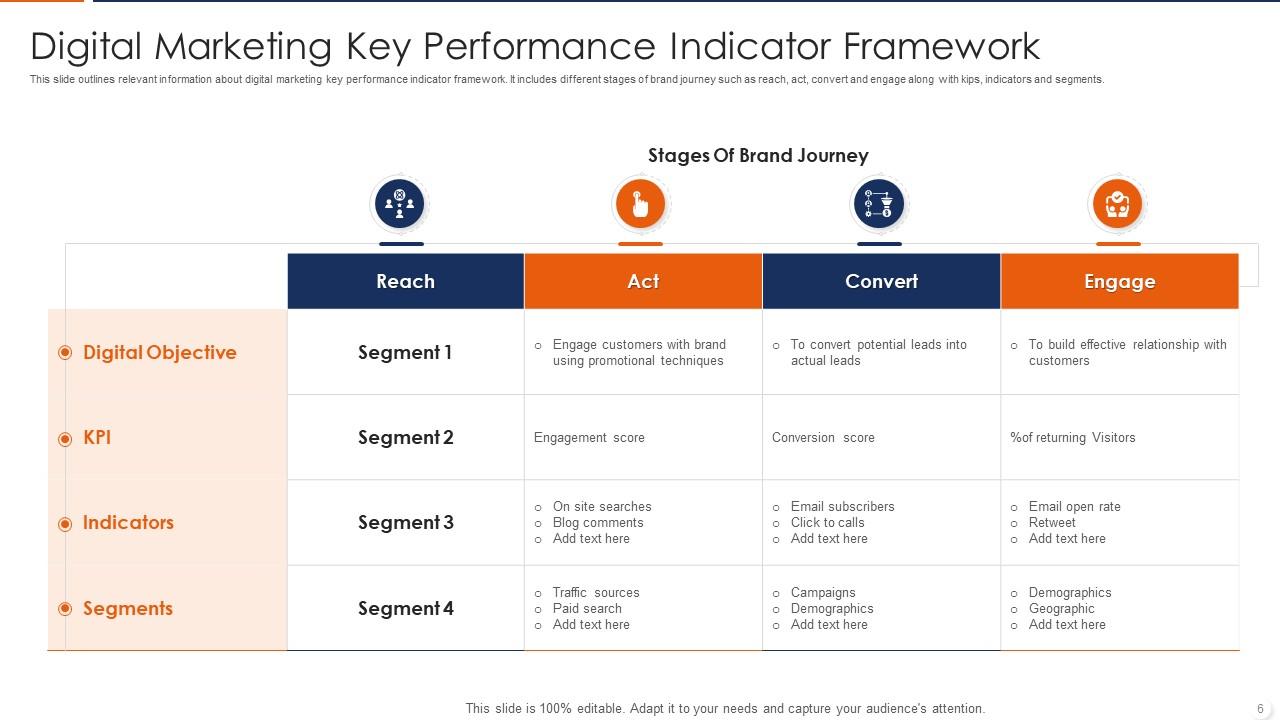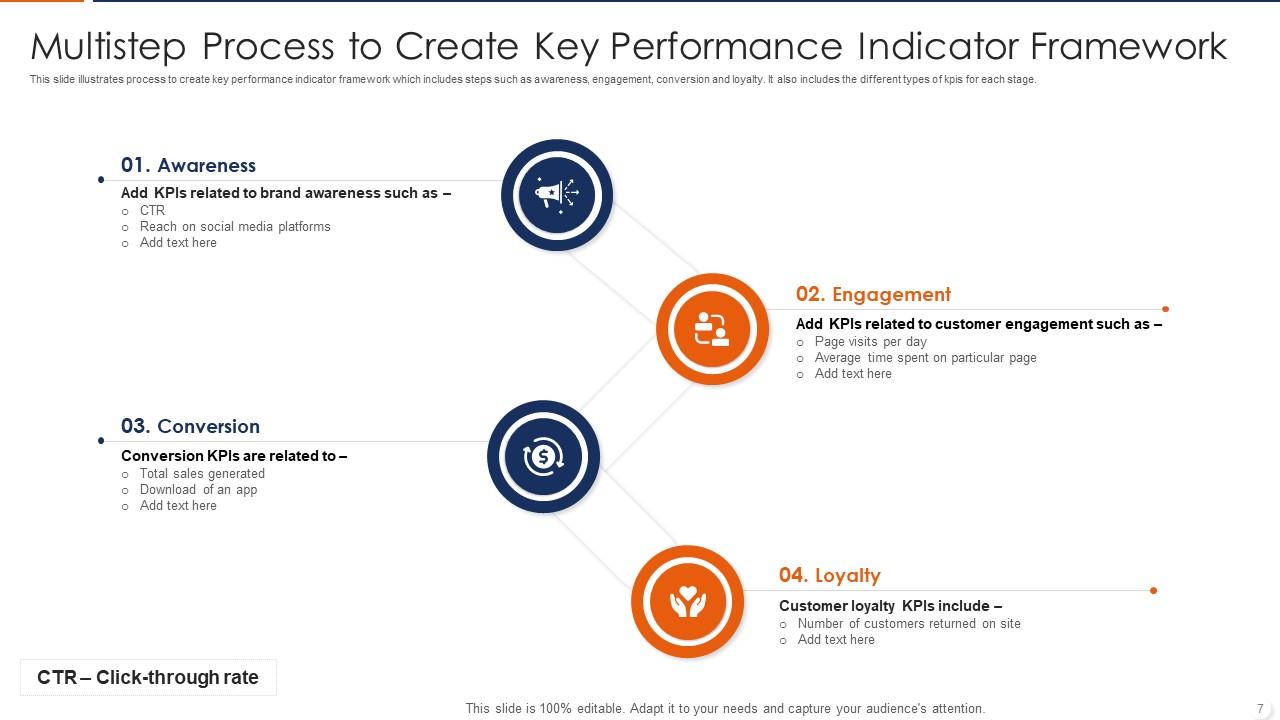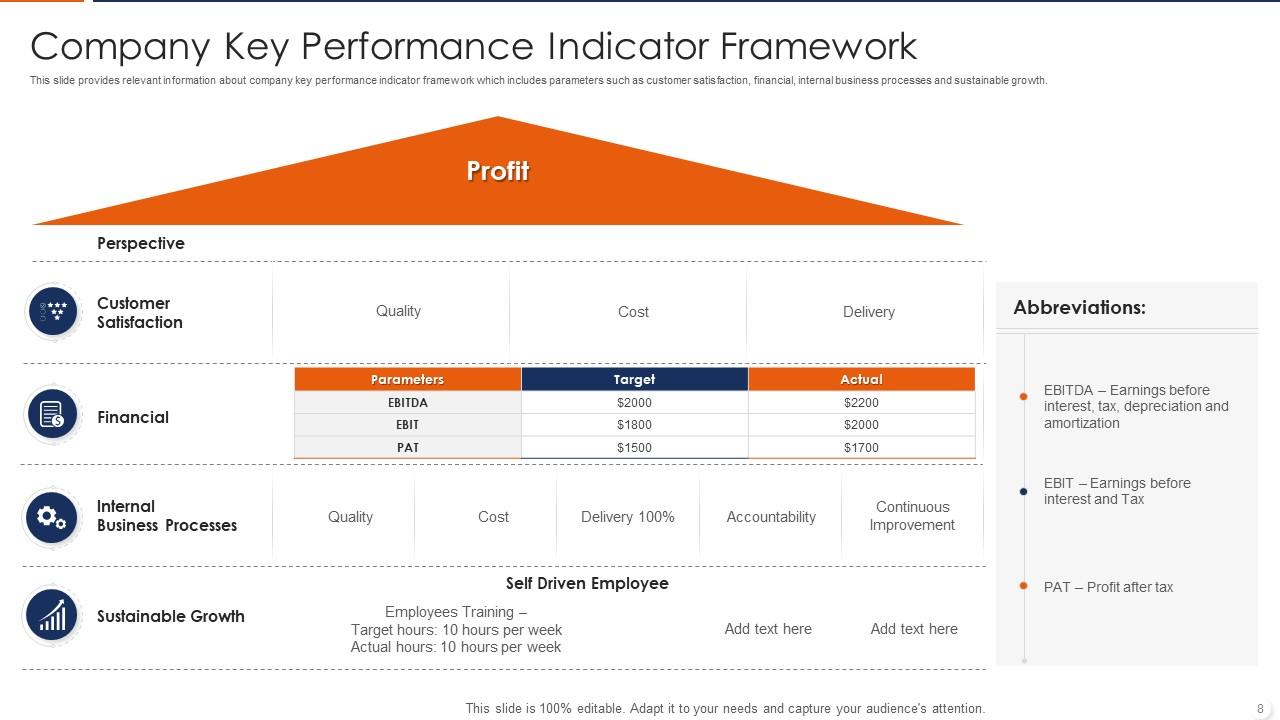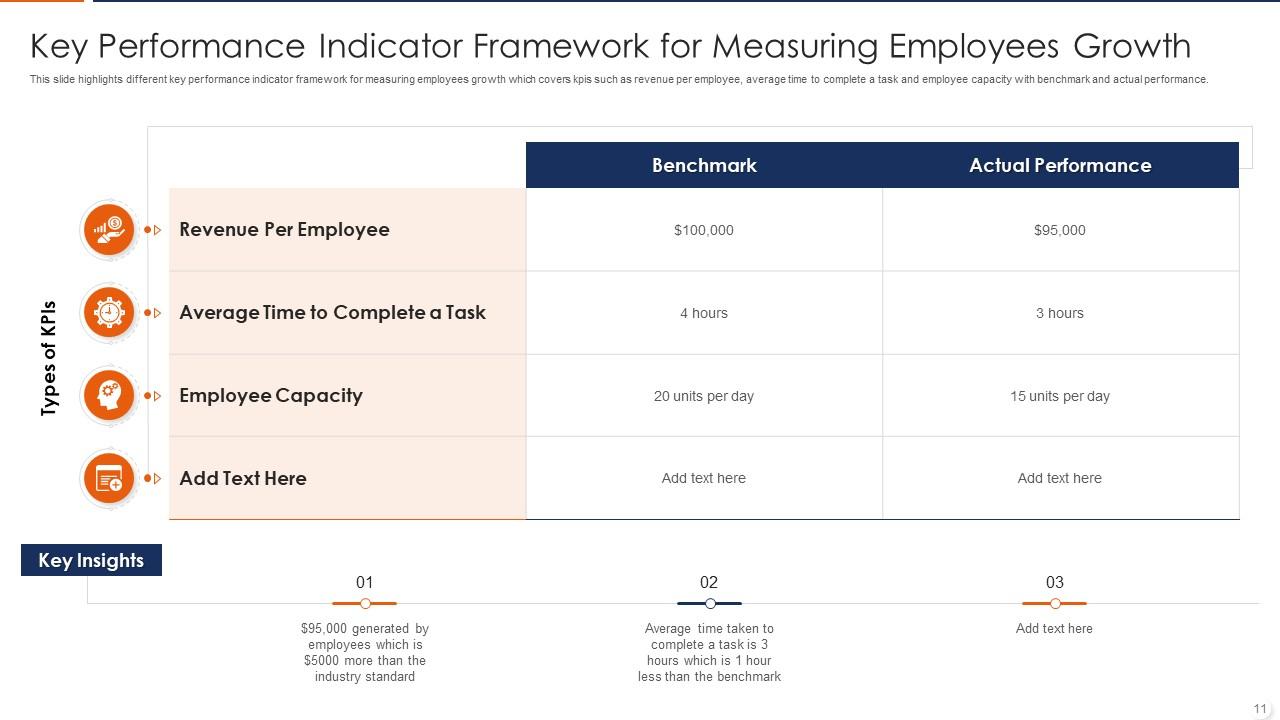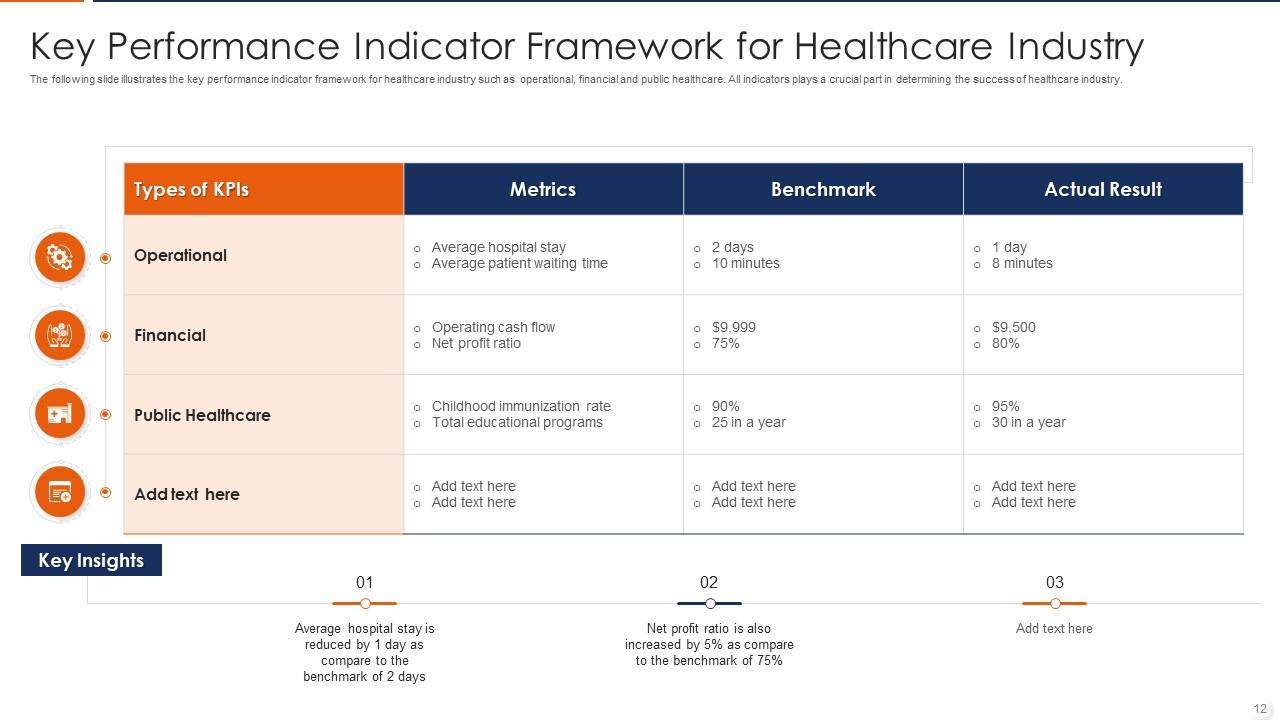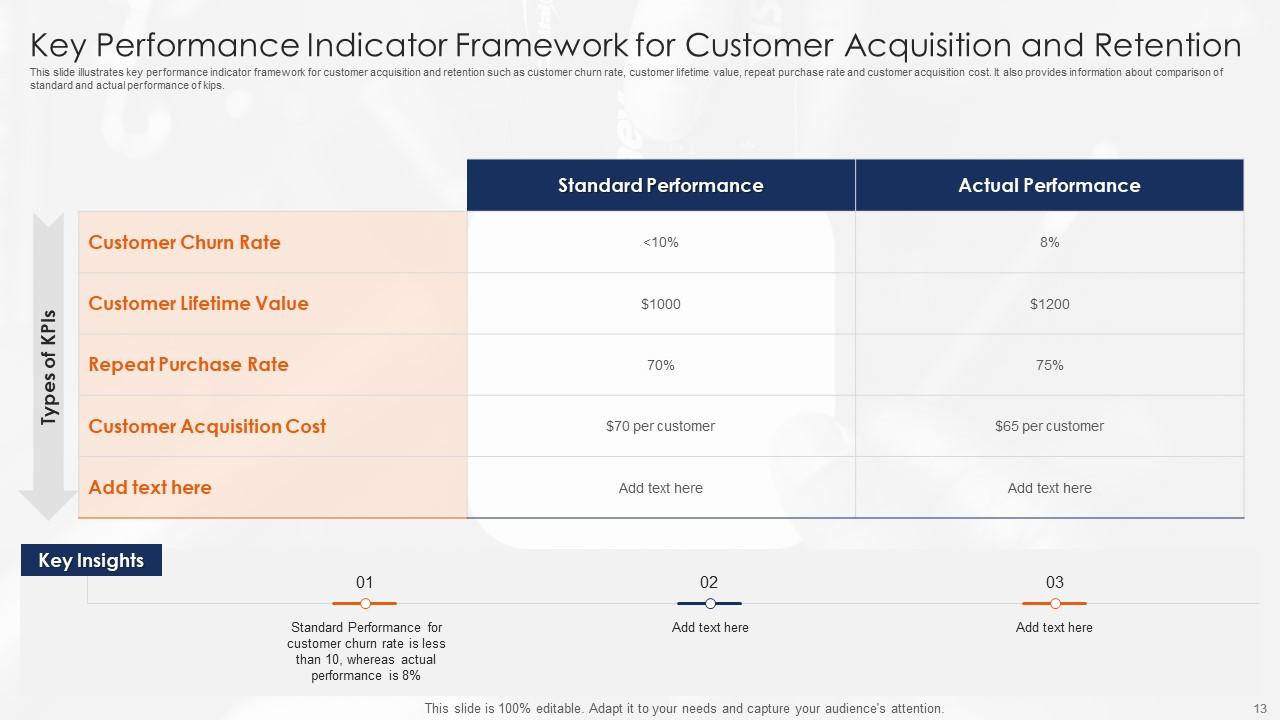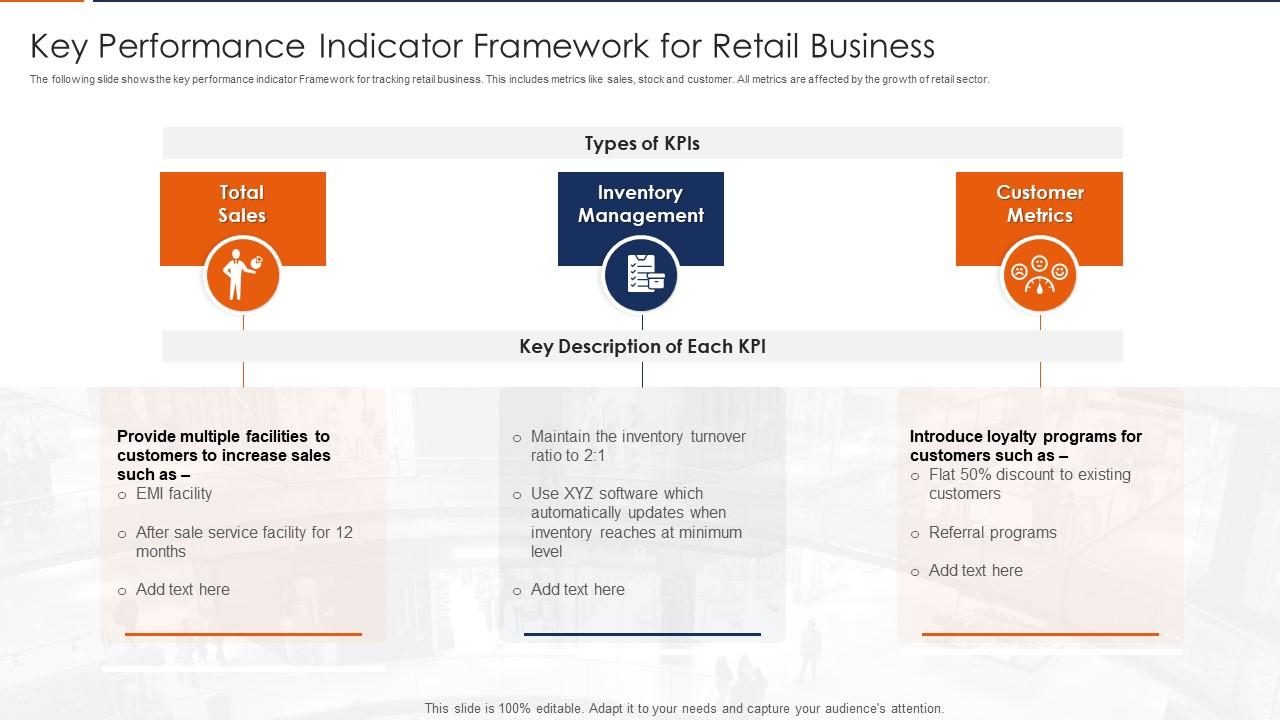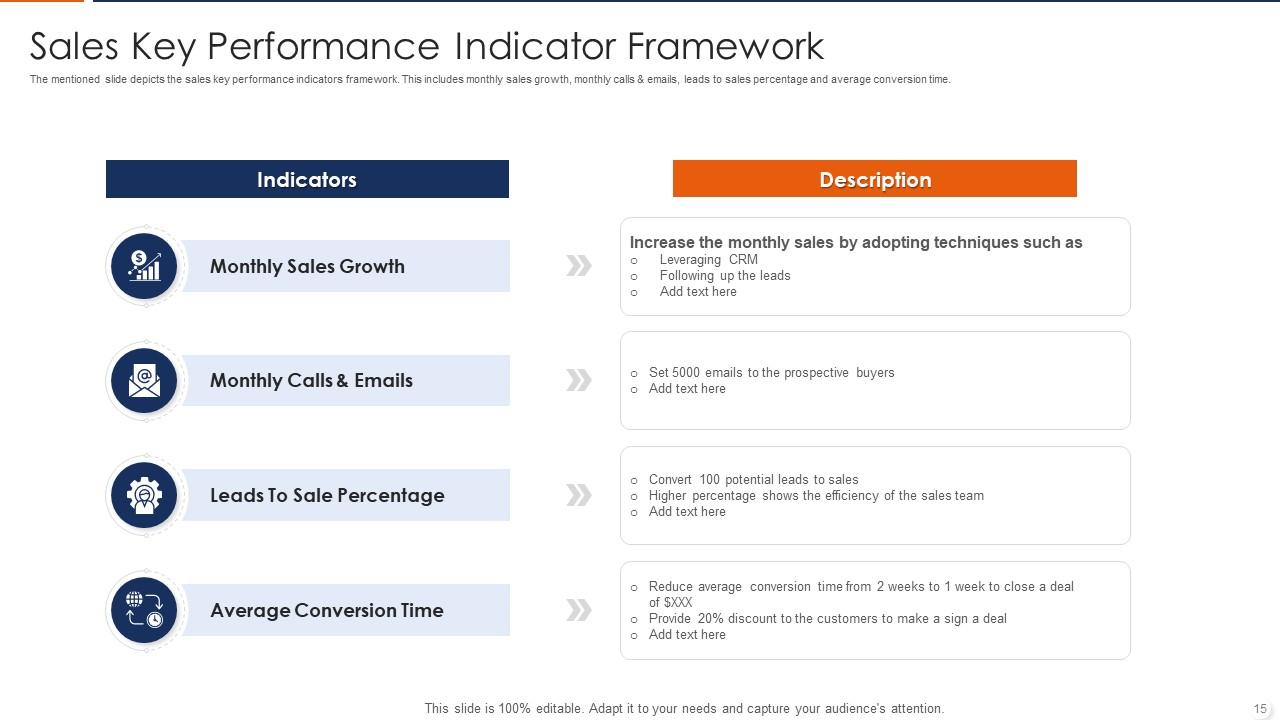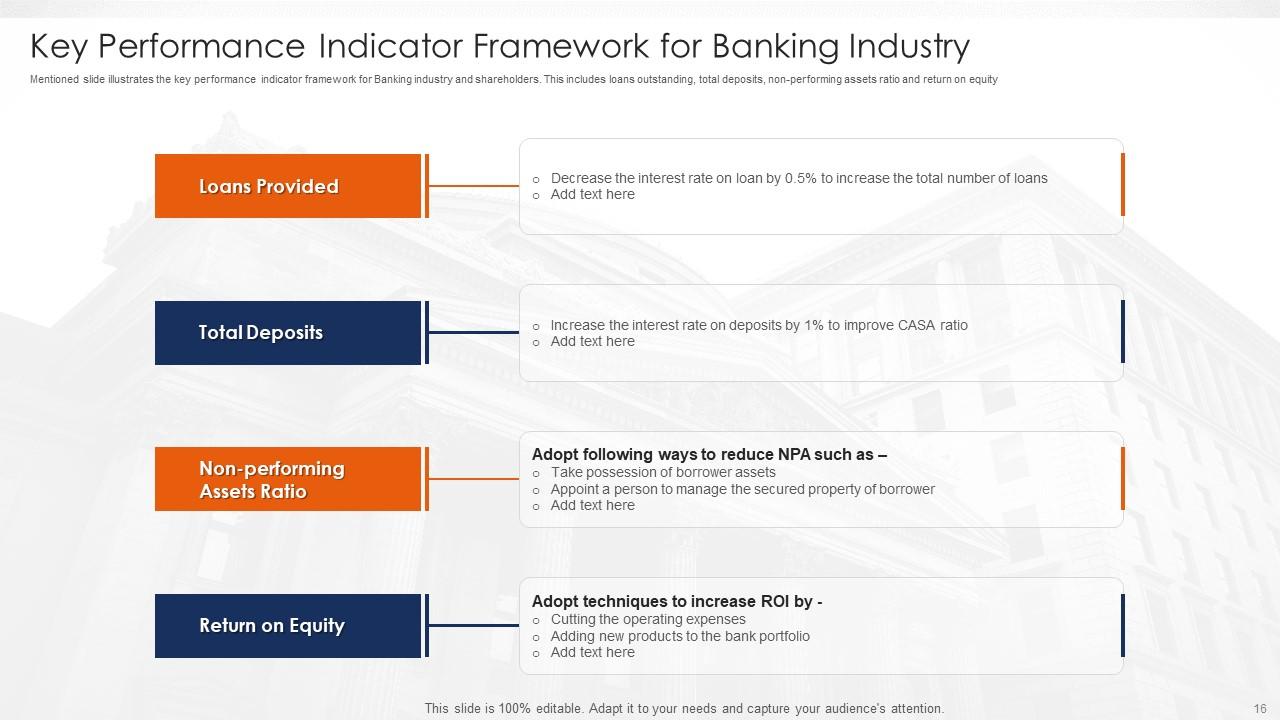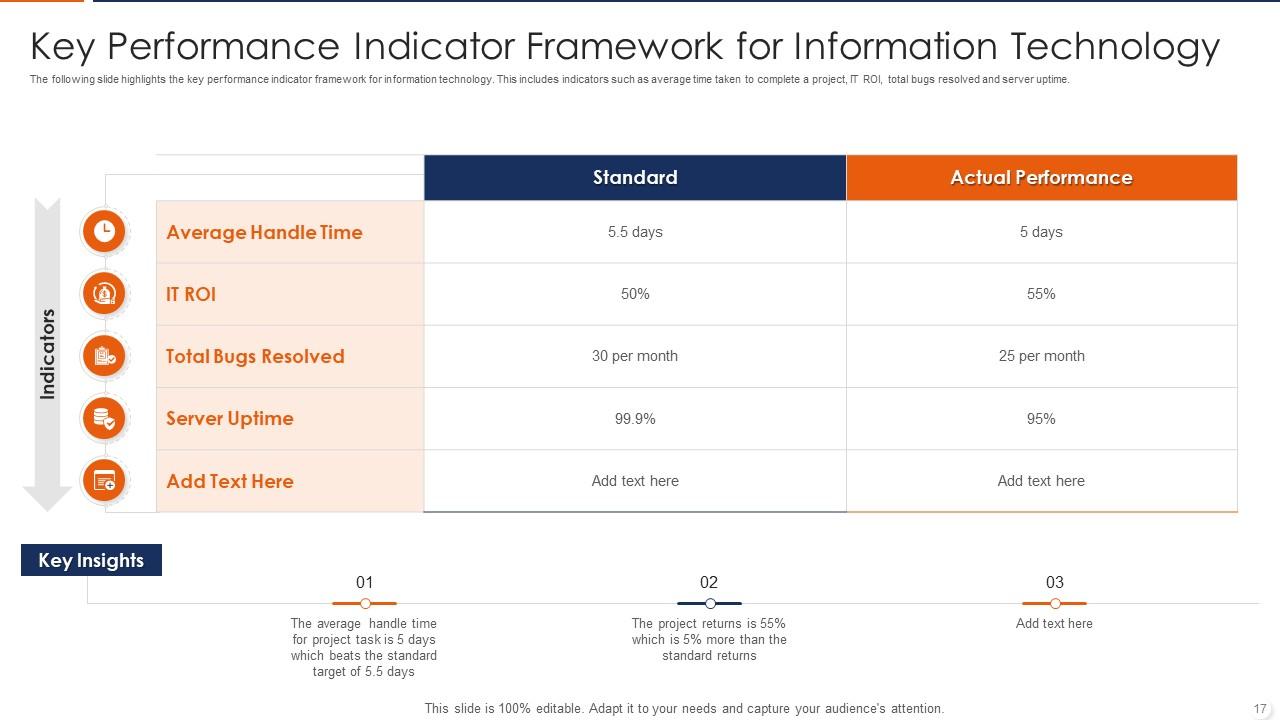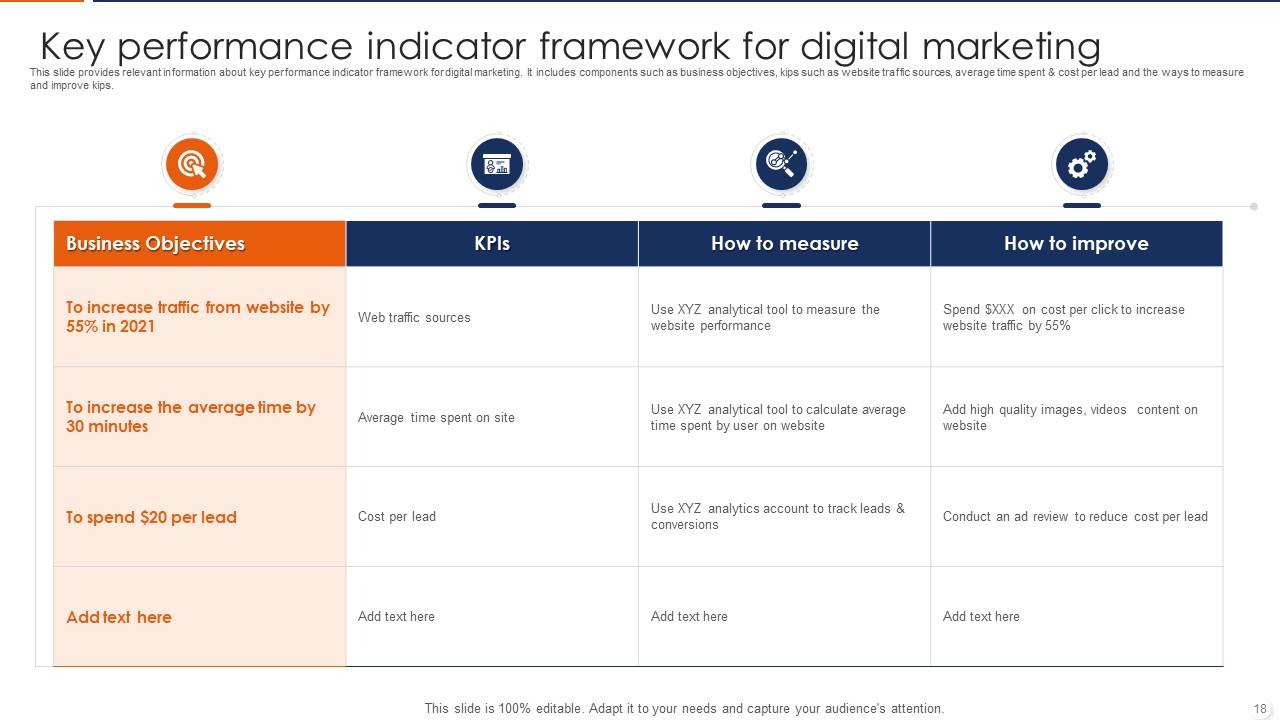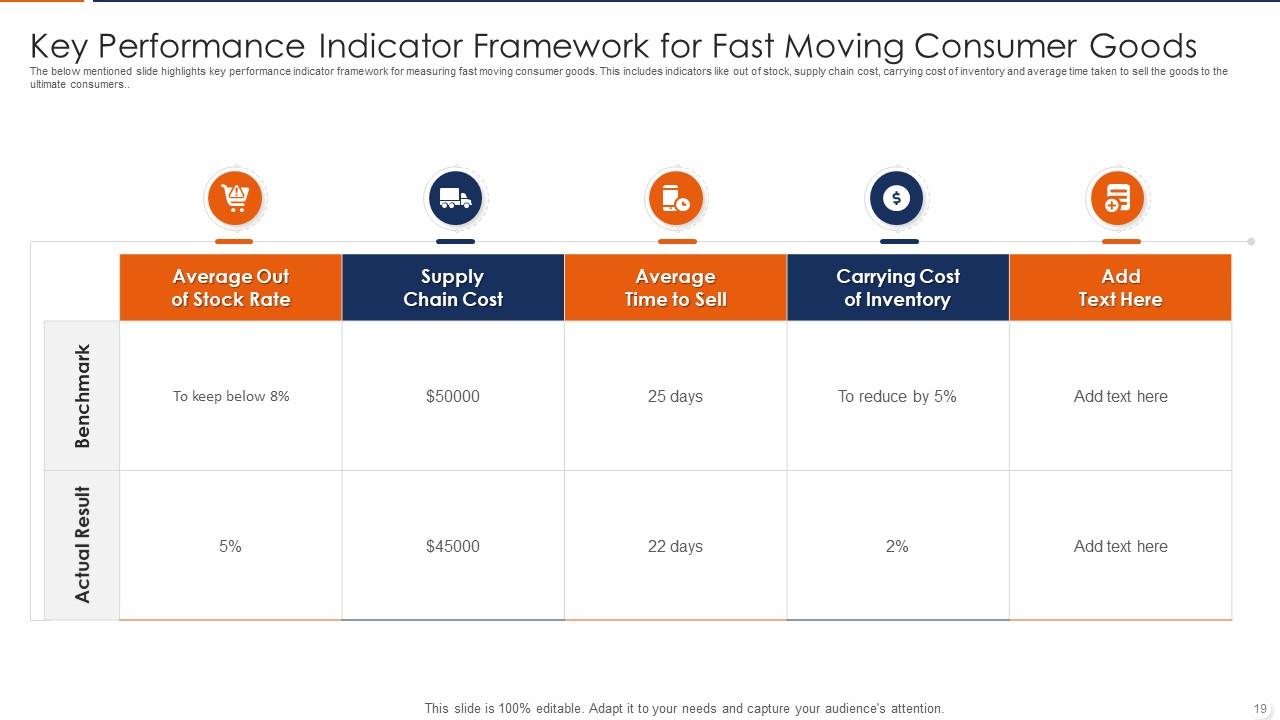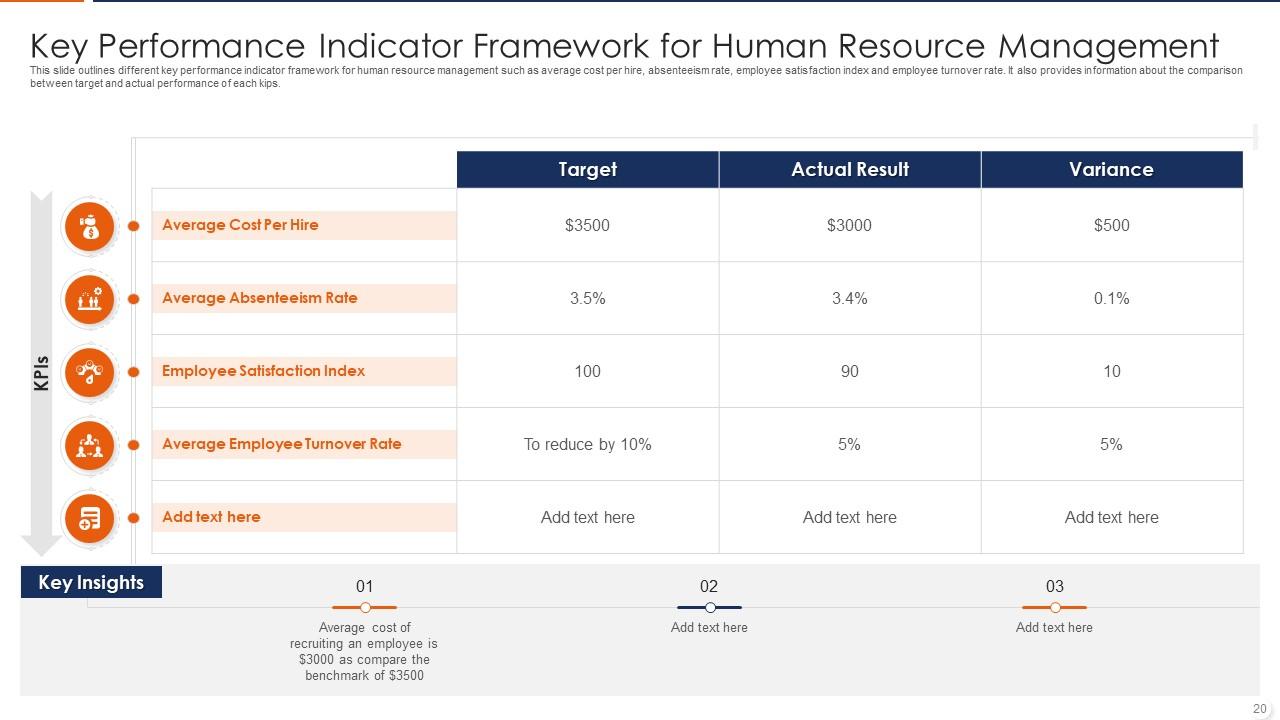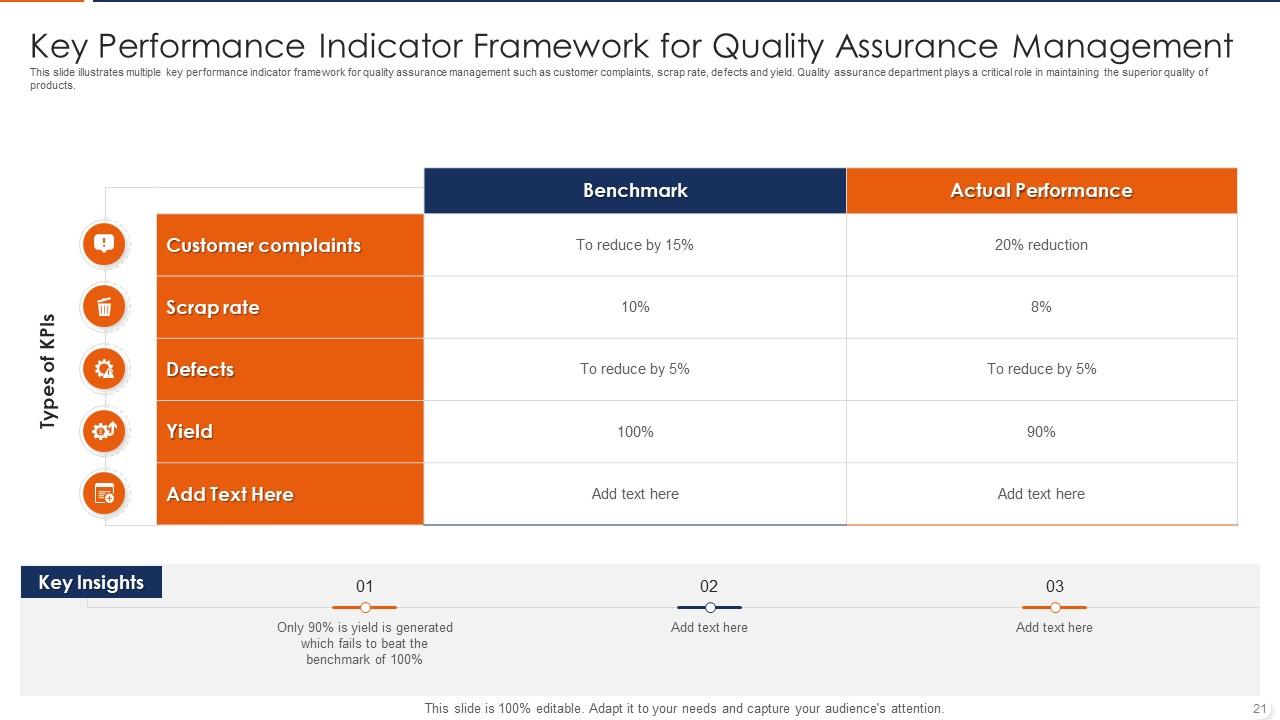
Key Performance Indicator Framework Powerpoint PPT Template Bundles
Try Before you Buy Download Free Sample Product
Audience
Editable
of Time
Our Key Performance Indicator Framework Powerpoint PPT Template Bundles are topically designed to provide an attractive backdrop to any subject. Use them to look like a presentation pro.
People who downloaded this PowerPoint presentation also viewed the following :
Key Performance Indicator Framework Powerpoint PPT Template Bundles with all 27 slides:
Use our Key Performance Indicator Framework Powerpoint PPT Template Bundles to effectively help you save your valuable time. They are readymade to fit into any presentation structure.
FAQs for Key Performance Indicator Framework Powerpoint
Your KPI framework needs clear objectives that actually connect to what your business is trying to do. Define how you'll calculate each metric - trust me, this saves headaches later. Set target values and figure out where your data's coming from, plus how often you'll collect it. Someone needs to own each KPI, otherwise it becomes everyone's job which means nobody's job. Build in regular reviews too - I've seen so many of these things just die on someone's desktop. Context matters - explain why each metric is important and how it fits the bigger picture. Honestly, start with like 3-5 core KPIs max. People get overwhelmed when you try tracking everything.
First thing - figure out what you're actually trying to accomplish, then pick metrics that directly connect to those goals. Those template KPIs are usually trash, honestly. Say you want better customer retention - tracking repeat purchases or how fast you solve support issues matters way more than just looking at revenue numbers. I'd stick with maybe 3-5 solid metrics to start. Going crazy with dozens of KPIs just makes everything harder to track. The whole point is making sure each one actually tells you if you're moving in the right direction strategically.
Honestly, the worst thing you can do is cram too many metrics into one template. Makes everything messy and useless. Also skip the vanity metrics - they look pretty but won't help you make actual decisions. Don't overcomplicate the calculations either. If your team can't figure out what the numbers mean without a manual, you've lost them already. Oh and make sure whatever you're tracking actually connects to business goals. I've seen so many dashboards measuring random stuff that sounds important but doesn't move anything forward. Simple beats fancy every time.
Honestly, a good KPI framework just cuts through all the noise. You know how you're always drowning in random metrics that don't actually help? This fixes that by forcing you to pick what really matters upfront. Think of it as your strategy GPS - no more flying blind or having those meetings where everyone's looking at different numbers. The key is being ruthless about it though. Pick maybe 3-5 KPIs max that directly tie to your big goals. Once you've got that locked down, you'll actually start seeing patterns and trends that guide real decisions instead of just... existing in spreadsheet hell.
You absolutely need people on board from the start - the ones who'll actually live with these KPIs day-to-day. Get their input early or you're just making stuff up in a conference room that won't matter to anyone. I've watched so many of these things crash and burn because executives thought they knew better than the people doing the work. Bring stakeholders into the process right away. Let them tell you what actually moves the needle, what metrics they'd buy into. Make them feel like they helped build it, not like something got dropped on their desk. Way better chance it'll stick.
Honestly, visuals are a game-changer for KPI stuff. You'll spot trends in seconds instead of staring at boring spreadsheets all day. Dashboard layouts are clutch – everything's right there at once. Traffic light colors work great too (red/yellow/green, you know the drill). Progress bars make it obvious what's actually working vs. what's not. The hierarchy thing matters because stakeholders won't dig through fifty different metrics. They want the important stuff upfront. I'd start basic with simple charts and maybe some color coding. Don't overthink it initially – my old boss went overboard with fancy widgets and nobody used the damn thing.
Honestly, it depends where you're at. Early stage? Focus on proving people actually want your thing - user acquisition, how many stick around after signing up, burn rate. Customer lifetime value matters too but don't get too in the weeds yet. Once you're established, shift to efficiency stuff. Profit margins, market share, optimizing what you already know works. Think of it this way - startups need "does this work?" metrics while mature companies need "how do we do this better?" metrics. I'd stick to maybe 3-5 core ones max though. You can always pile on more tracking later when you're not scrambling to stay alive.
Honestly, KPI templates are great because they make it super obvious who's supposed to do what - no more finger pointing when stuff goes wrong. You just assign specific metrics to each person, set targets, and do regular check-ins. When everything's tracked and visible, people can't really slack off. I mean, nobody wants to be the person with terrible numbers at the weekly meeting, right? It forces everyone to own their results. Pick 2-3 key metrics per team member and review them weekly. Trust me, you'll see people start caring way more about their performance once they know it's being measured.
Quarterly reviews are the bare minimum, but monthly is way better if you can manage it. Toss any metrics that aren't actually helping you make decisions - they're just clutter at that point. And honestly? Most people update their KPIs way slower than their business actually changes, which is backwards. Watch for those moments where you're making big calls but don't have the data to back them up. That's where you need new metrics. Oh, and definitely loop in the people who actually use these numbers day-to-day, not just the executives. Next review, start with: "what decisions did we make that our current KPIs totally missed?"
Honestly, just connect your APIs directly to whatever template you're using - saves so much time. Power BI and Tableau are great for this, but even Google Sheets works if you're on a budget. Here's the thing though: map your data fields to your template structure FIRST or you'll end up with a total mess of random numbers everywhere. Been there, done that. Set up those auto-refreshes so everything updates daily without you touching it. I'd start with maybe 2-3 metrics max, then add more once you've got the whole data flow thing figured out.
So basically, leading indicators show you what's coming - stuff like sales calls or web traffic that hints at future results. Lagging indicators? That's what already went down, like actual revenue or how many customers you lost. Here's the thing though - most teams obsess over lagging metrics because they're concrete and easy to track. But you can't drive looking only at your rearview mirror, right? You really need both to see the whole story. Quick tip: grab 2-3 leading indicators for each big lagging metric you're already watching. Makes all the difference.
Honestly, having clear KPIs totally saves you from those weird review conversations where you're just guessing. You can actually show people specific numbers instead of giving vague "you need to improve" feedback. I used to hate doing reviews before we had this system - now there's real data to point to. Employees know exactly where they stand and what good performance looks like. They can even track their own progress, which is pretty cool. Skill gaps become obvious, and you're not just going off hunches anymore. Just start by matching your existing KPIs to each person's role and growth path.
Look, benchmarking is what actually makes your KPIs useful instead of just random numbers floating around. You need something to compare against - both your own past performance and what others in your industry are doing. Otherwise how do you even know if 15% conversion is amazing or terrible? I always tell people to find 2-3 solid benchmark sources for each major KPI. Could be competitor data, industry reports, whatever you can get your hands on. Then bake those comparisons right into your dashboard or template. It's like having a scoreboard that actually shows if you're winning or losing the game.
Look, culture trumps everything when it comes to KPIs. Blame-heavy workplaces? People just game the numbers or duck responsibility completely. I've watched sales teams crush their targets while totally throwing customer success under the bus - classic silo mentality. Hierarchical structures make this worse since everyone optimizes for their department instead of bigger company goals. Flat, collaborative cultures do way better with transparent metrics. They actually want cross-team accountability. Before you launch anything, take a hard look at whether your culture even supports data decisions and if the right people can act on what they're seeing.
Look, KPI frameworks basically connect what your team does every day to what actually moves the business forward. Super helpful for avoiding that "we're swamped but accomplishing what exactly?" feeling. You map each department's metrics straight to bigger goals - like tying marketing's leads directly to revenue. Makes prioritizing so much easier too. When departments aren't aligned, you'll spot it right away. Honestly saved my sanity at my last job. Start with your top 3 business goals, then figure out which department metrics will actually impact those. Work backwards from there.
-
Informative and engaging! I really like the design and quality of the slides.
-
You can rely on SlideTeam whenever you run out of designs for your presentation. Thank you so much SlideTeam!