


Lean SMED Powerpoint Ppt Template Bundles




Try Before you Buy Download Free Sample Product
 Impress Your
 Audience
 100%
100% Editable
 Save Hours
 of Time


Our Lean SMED Powerpoint Ppt Template Bundles are topically designed to provide an attractive backdrop to any subject. Use them to look like a presentation pro.
People who downloaded this PowerPoint presentation also viewed the following :
Lean SMED Powerpoint Ppt Template Bundles with all 15 slides:
Use our Lean SMED Powerpoint Ppt Template Bundles to effectively help you save your valuable time. They are readymade to fit into any presentation structure.






FAQs for Lean SMED Powerpoint
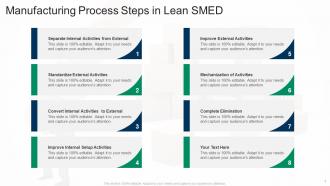
So SMED is basically about separating what you can do while the machine's running versus when it has to be stopped. Most of the magic happens when you prep everything beforehand - kinda like getting all your ingredients ready before you actually start cooking, you know? Convert as much of that downtime work to stuff you can do ahead of time. Standardize the hell out of whatever's left so nobody's hunting around for tools or making adjustments on the fly. Document it all and keep tweaking the process. Companies usually cut their changeover times by like 50-90% which is honestly pretty wild. Just start by timing what you're doing now.
So SMED basically splits your setup work into two buckets - stuff you can prep while machines are still running versus things that need everything shut down. The trick is doing as much prep work as possible beforehand. Tools ready, materials staged, all that good stuff. Honestly reminds me of how chefs prep everything before service starts. Then you standardize the whole process and cut out the BS steps nobody really needs. Most places cut their setup time by like 50-90% which is nuts. Start by actually timing your changeovers and write down every step - you'll be amazed how much time you're wasting on random stuff.
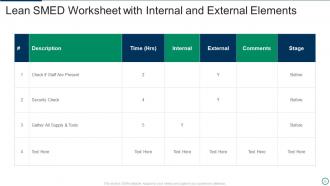
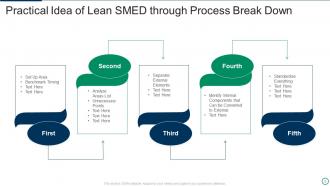
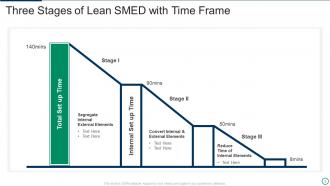
So basically, internal tasks are stuff you can only do when the machine's dead - changing dies, tweaking settings, all that. External tasks? You can knock those out while it's still running the previous job. Things like grabbing tools, heating up dies, getting materials ready. SMED is all about flipping internal tasks to external ones because downtime sucks. First thing - time your changeover and label each step. You'll probably find a bunch of "internal" stuff that doesn't actually need the machine stopped. Gets pretty addictive once you start finding them, honestly.
Definitely start by timing your changeovers before and after implementing SMED - that's your main metric. First-pass quality is huge too since people rush and mess things up more often when they're stressed about time. Track how frequently you're doing changeovers now versus before (teams will literally avoid them if they're a nightmare). Calculate your OEE to see the real production impact. Honestly, don't overlook the human side either - are your operators actually less frustrated? Sometimes that matters more than you'd think. Start simple with basic time studies and add metrics as you go.
You absolutely need your whole team for SMED - can't pull this off solo. During that first observation phase, everyone spots different waste that you'd miss on your own. The brainstorming part is honestly where you'll get your best ideas since people bring totally different perspectives. Plus when you're actually implementing, a lot of the external stuff requires multiple people working at once anyway. I'd say get everyone involved right from the start. Just make sure they all know what they're supposed to be doing in the new process - otherwise it gets messy fast.
Standardized work sheets and quick-connect fixtures are your best bet. Get everything pre-positioned before you even start - saves tons of time. Shadow boards are honestly amazing because you'll spot missing tools right away. Color-coding helps too. The real magic happens when you move internal stuff to external activities, that's where you cut serious minutes. Oh, and get your team doing parallel processing so everyone's working at once instead of waiting around. Actually, film your current process first (sounds weird but trust me) - you'll catch waste you never noticed before.
Yeah, SMED totally works for service stuff! You just gotta think of "changeovers" as switching between different activities. Hotels nail this when flipping rooms - they've got it down to a science. Healthcare does it too between patient visits with their prep checklists and supply setups. Even in consulting, you can apply the same logic when bouncing between different client meeting types. Most service companies miss this opportunity though, which is kinda crazy to me. The trick is spotting your repetitive transitions and cutting out the waste. Pick one process you do all the time and map it out first.
Honestly, the biggest pain is always pushback from operators who've been doing things the same way forever. Management gets impatient too when they don't see instant results. Most teams mess up separating internal vs external activities - took me a while to get that right tbh. You'll definitely hit resource issues since SMED needs actual time for watching processes and testing changes. My advice? Start with just one changeover that'll make a real difference. Get some quick wins first, then expand from there. Seriously though, pick that first project super carefully because it sets the tone for everything else.
SMED cuts your changeover times from hours down to minutes - seriously, the difference is wild. You'll get way more actual production time since you're not constantly switching between jobs. Smaller batches become totally doable without tanking your efficiency. Customer wants something different last minute? No problem, you can pivot fast. Here's what I'd do first: time how long your current changeovers take, then figure out which steps you can prep while the machine's still running. That alone usually saves tons of time. More uptime with the same equipment = more money in your pocket.
Honestly, visual management is a game-changer for SMED. You can watch your changeovers happen in real-time and catch bottlenecks right away. Visual boards are clutch here - they keep your whole team on the same page about timing goals. When something's dragging longer than it should, everyone sees it instantly. I'd set up indicators at each step so problems stick out like a sore thumb. That way you're not scrambling to figure out why you missed your target time after the fact. Works way better than just hoping everything goes smooth.
Dude, Toyota's the go-to example here - they went from 4-hour press changeovers down to 3 minutes with SMED. Insane, right? Harley-Davidson slashed their setup times by 75% too. Even pharma companies like Pfizer use it for batch changes, though honestly pharma moves so slow anyway lol. The trick everyone uses? Split your tasks into internal vs external activities first. Then figure out how to move the internal stuff outside. I'd look up case studies in whatever industry you're in - way more relevant than generic examples.
So here's the thing - tech can totally transform your SMED times. Automated tool changes are huge, plus those preset positioning systems that eliminate guesswork. RFID tags or barcode scanners will instantly load the right settings for whatever product you're running. The really smart setups use sensors to handle external prep while your machine's still going (honestly wish more places did this). Digital work instructions help too since operators don't have to remember every step. Look at your current process and spot the manual stuff that's killing your speed. Then figure out what tech can automate those bottlenecks. Way easier than you'd think once you map it out.
Honestly, SMED was a game-changer for our safety issues. Your team stops doing those awkward reaches and heavy lifting during changeovers because you're redesigning the whole setup process. Tools become way more accessible, workflows get smoother. The best part? Nobody's rushing through sketchy steps anymore since changeovers are so much faster now. I swear that was our biggest problem before - people hurrying through dangerous moves. You'll spot ergonomic nightmares you didn't even know existed. Just start by watching your current process and count how many times people bend weird or stretch too far. It's probably more than you think.
Honestly, the long-term payoff is really solid. Equipment runs way better, you waste less stuff, and customer turnaround gets crazy fast. Your team gets this whole "we can fix anything" attitude which is pretty cool to watch. Best part? You don't need to buy new machines to boost capacity - finance people love that. Oh, and the mindset shift is wild - suddenly problems become puzzles instead of headaches. Definitely start timing your changeovers now though, otherwise you'll never know how much you actually improved later.
Get your operators in there from the start - they actually know where the real problems are. Train them on basics first, then throw them into kaizen events where they can pitch ideas. Cross-train people on different setups so you're not screwed if someone's out sick. Honestly? The best improvements usually come from operators, not the engineers who think they know everything. Create small teams that own specific changeovers. Give them time to mess around and get better at their techniques. Start with just one line and let the wins spread naturally from there.
-
“Thank you to the SlideTeam. Your presentations look really skillful and have made my life so much easier.”
-
Based on my personal experience, I would recommend other people to subscribe to SlideTeam. No one can be disappointed here!