

Marketing agency proposal powerpoint presentation slides




Try Before you Buy Download Free Sample Product
 Impress Your
 Audience
 100%
100% Editable
 Save Hours
 of Time


Our Marketing Agency Proposal Powerpoint Presentation Slides are like gold biscuits. They hold the promise of a bright future.
People who downloaded this PowerPoint presentation also viewed the following :
Marketing agency proposal powerpoint presentation slides with all 35 slides:
Your thoughts are a gold mine. Extract their full value with our Marketing Agency Proposal Powerpoint Presentation Slides.


FAQs for Marketing agency proposal
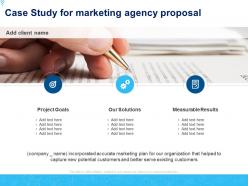
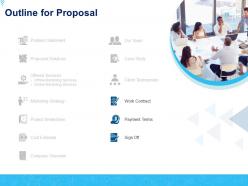
Hit their pain points right in the opening - that's what grabs them. Show you actually understand their specific mess, then lay out how you'll fix it. Include concrete deliverables with real timelines, plus a budget that makes sense. Team bios are clutch so they know who they're getting. Oh, and throw in a mini case study - clients eat that stuff up because it proves you're not just talking. Be super specific about what winning looks like with actual measurable goals. The whole thing should feel like you already get their business inside and out. Honestly, if it doesn't sound like you've been there before, you've lost them.
Look, you've gotta become a detective first - dig into their specific problems, check out their competitors, see what they're already doing marketing-wise. It's honestly kind of addicting once you get into it. Then ditch the generic business jargon and use their actual words instead. Reference real stuff like their budget and timeline when you pitch ideas. Here's the thing though - don't dump your whole portfolio on them. Pick 2-3 case studies from similar companies and lead with those. Oh, and always start each section acknowledging their weird situation first, then hit them with your solution.
Look, market research is what makes your proposal actually hit different instead of sounding like every other pitch they've seen. You gotta dig into their industry, figure out what's keeping them up at night, and see what competitors are doing. Without it you're basically throwing darts blindfolded. I always start with their market position and audience demographics - that's where you find the good stuff. The research gives you real data to back up your ideas instead of just winging it. Honestly, it's the difference between getting a "thanks but no thanks" and actually landing the deal.
Dude, visuals are everything for proposals. Charts showing ROI projections, before/after shots of your work - that stuff keeps people reading instead of just skimming. Your proposal needs to look as good as the work you'll deliver, you know? I always throw in branded mockups so they can actually picture the final result. White space is your friend here - don't cram everything together. A visual timeline helps too. Honestly, if your proposal looks bland, they'll think your creative work is bland too. Make it clean but interesting.
Stop bragging about your awards - nobody cares until you solve their problems first. Research their actual industry pain points instead of sending those cringe generic templates everyone uses. Pricing should be upfront, not buried in weird package names. Skip vague promises like "boost brand awareness" and give them real numbers with deadlines. Lead with what they'll get, not how fancy your process is. Oh and always end with a specific next step - I've seen so many proposals just... end awkwardly. Makes a huge difference when you show you actually understand their business.
Skip the vague promises and get specific with your numbers. Like, "we boosted Company X's leads by 150% in 6 months, bringing in $200K extra revenue." Most agencies just throw around meaningless buzzwords anyway, so actual data makes you look legit. Set up clear KPIs they actually give a damn about - revenue, conversions, cost per acquisition. Timeline's huge too. Show quick wins in month 1, then bigger results by month 3. Oh, and make sure everything's trackable from the start so they can see you're not just talking out your ass.
Here's what works really well - create an "Addressing Your Concerns" section that hits their worries before they even bring them up. Budget fears, timeline stuff, maybe they got burned by another agency before. Honestly, clients never expect this and it totally disarms them. Back everything up with actual numbers and case studies. Like if they're sweating the cost, show ROI data. Worried you'll drag your feet? Break down your timeline with specifics. Oh and always end each response with some kind of guarantee or clear action step. Makes them feel way more confident about moving forward.
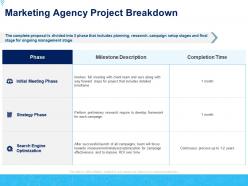
Honestly, the timeline separates the pros from agencies that are just winging it. Break down every phase - discovery, design rounds, development, testing, launch. Don't just say "website done in 8 weeks." People need specifics with actual dates and milestones. Always add buffer time because I swear everything takes 20% longer than you think. Oh, and make sure it actually fits their business needs and any seasonal stuff they mentioned. Shows you weren't just nodding along during the call. That attention to their timeline urgency? That's what gets you hired.
Track the metrics that actually matter for your bottom line - conversion rates, cost per acquisition, customer lifetime value, return on ad spend. Those are gold. Sure, throw in some brand awareness stuff like reach and engagement because your boss probably wants to see those anyway. Website traffic and lead quality matter too. Honestly, don't go crazy with too many metrics or you'll spend all day analyzing instead of optimizing. Pick maybe 5-7 that connect to your actual goals. And make sure you can track them with whatever tools you've got - no point choosing metrics you can't measure properly.
Start with your best case study that matches their exact industry or problem. That's what hooks them immediately. Always include real numbers - I hate when agencies just say "improved results" with zero data to back it up. Stick to 2-3 solid examples instead of dumping your entire portfolio on them. Structure each one like a mini story: here's what was broken, here's how we fixed it, here's what happened. Visuals beat text every time - screenshots, simple charts, whatever shows the transformation. Then connect the dots for them. Show how you'd use that same approach for their specific situation.
Honestly, I'd go like 70/30 pro to creative. Show them you actually get their business first - that's what builds trust. But you can't just send another boring template deck, right? Mix in some creative stuff to stand out. Maybe throw in mock campaign ideas or cool visuals, but keep your strategy and pricing sections super straightforward. Actually, the pricing part is where most people mess up by getting too fancy. The goal is making them think "okay these people know what they're doing AND they won't put us to sleep."
Don't just dump your USP in one random section - it needs to run through the whole thing. Figure out what actually makes you different first. Fast turnaround? Some crazy data method only you use? Whatever it is, prove it with real examples and case studies. Saying you're "innovative" is honestly pretty useless since everyone claims that. Instead, spell out exactly how you work differently and why that helps them hit their goals. Oh, and make sure it connects to what's actually keeping them up at night.
Honestly, the follow-up game makes or breaks everything. Shoot them a quick thank-you within 24 hours confirming what's next. Here's where people mess up though - they get impatient and start bombarding with emails. Don't be that person! If they said two weeks, wait the damn two weeks. When you do circle back, bring something useful - maybe a case study or answer questions from your presentation. Reference specific stuff you talked about so they know you were actually paying attention. Oh, and set reminders because I've definitely let good opportunities slip through the cracks before.
Don't just dump all your testimonials at the end - that's what everyone does. Spread them throughout your proposal, especially right after you make some big claim about what you can do. Like if your prospect is freaking out about ROI, find a testimonial with actual numbers in it. I always screenshot testimonials from LinkedIn or Google reviews because honestly, they just look more real than those fancy formatted quote boxes. The whole point is making them feel like proof your prospect can actually relate to. Pick testimonials that tell a story - something where your prospect thinks "oh shit, that's exactly my situation."
So I've been using HubSpot for proposal workflows and it's honestly a game changer. PandaDoc is solid too for building custom ones fast. Build out templates first - executive summaries, pricing tables, case studies, all that stuff. Canva works if you're not design-savvy (though simple is better anyway). I track everything in Asana because deadlines sneak up on you. Oh and don't go crazy at first - make 2-3 templates for your most common types, then expand. Way less overwhelming that way.
No Reviews