


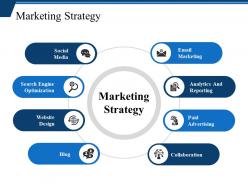
Marketing strategy ppt slide examples






Try Before you Buy Download Free Sample Product
 Impress Your
 Audience
 100%
100% Editable
 Save Hours
 of Time


Experiment anew with our Marketing Strategy Ppt Slide Examples. They are good for breaking fresh ground.
People who downloaded this PowerPoint presentation also viewed the following :
Marketing strategy ppt slide examples with all 5 slides:
Give employees a chance to enhance ability with our Marketing Strategy Ppt Slide Examples. They are designed to facilitate empowerment.
FAQs for Marketing strategy
Start with figuring out exactly who you're targeting - seriously, this makes everything else click into place. You need a solid value proposition and competitive analysis too. Channel strategy is huge, plus your messaging has to actually connect with people (most folks bomb here by trying to please everyone). Budget allocation across different channels, measurable KPIs to track what's working. Oh, and creative execution that doesn't suck. I always tell people the targeting piece is like 80% of the battle - nail that first and you're golden. The rest becomes way more straightforward once you know who you're talking to.
Honestly, start small with like one or two metrics that actually move the needle on revenue. Data analytics helps you figure out which channels convert best and what content hits with different customer groups. The sheer amount of data available now is pretty wild - overwhelming but also a goldmine if you use it right. Track customer behavior patterns and you'll spot trends before your competitors do. Then you can personalize campaigns and optimize your spend in real-time. I'd just pick something simple first, maybe conversion rates by channel? You can always expand once you get the hang of it.
Dude, segmentation is literally everything for marketing. You can't just blast the same message to everyone and expect it to work - like, imagine pitching life insurance to college kids lol. Break your audience into 2-3 main groups first. Build actual personas for each one so you know where they hang out online and what they care about. This way you're not burning cash on Facebook ads when your people are all on LinkedIn or whatever. Personalized campaigns always beat generic ones. Trust me, once you nail down who you're actually talking to, your messaging becomes so much clearer.
So basically your audience is wherever the trends are happening, right? You've gotta meet them there. Like when everyone went crazy for TikTok videos - suddenly brands had to figure out how to make 15-second content that didn't suck. Each new platform feature is another chance to connect differently. I'm honestly still terrible at using some of them lol. But here's the thing - don't chase every shiny trend. Pick one format that actually makes sense for your brand and test it for a month. See what sticks with YOUR people specifically.
Brand positioning is how customers see you versus your competition - it's literally the base for everything else. Skip this and your campaigns will be a mess with zero identity (trust me, I've watched it happen). Figure out what makes you different first. When people hear your brand, they should instantly get what you're about. Map out where you sit against competitors and nail down your actual unique value. This drives your messaging, pricing, who you target... basically everything flows from here. Your positioning needs to be specific enough that it sticks.
So here's the thing - SEO and content marketing are like peanut butter and jelly. You gotta do keyword research first to see what people actually search for. That becomes your content ideas. Then write stuff that's genuinely helpful around those topics (not just keyword-stuffed garbage that makes everyone's eyes bleed). Your content gives SEO something real to rank, while SEO tells you what to write about. It's honestly pretty straightforward once you get the hang of it. Just weave those keywords naturally into content people will actually want to read.
Honestly, just focus on ROI, customer acquisition cost, and conversion rates first - those three will tell you everything. Customer lifetime value is super important too, plus whatever engagement numbers you're getting across different channels. Don't go crazy with the data though, seriously. Pick maybe 5-7 things to track and check them monthly, otherwise you'll just stress yourself out. Oh and definitely set up some basic dashboard thing with your current numbers so you actually know if you're improving. Brand awareness metrics are good too if that's what you're after, but it kinda depends on your specific goals.
Honestly, multi-channel marketing is a game changer because you're not just hoping people see one random ad. You're hitting them everywhere - email, Instagram, your website, maybe even direct mail if that's your thing. Think of it like... you wouldn't ask someone out just once and give up, right? Same concept. The tricky part is keeping your message consistent so you don't sound like different companies. I'd say pick 2-3 places where your people actually spend time first, then expand. Don't try to be everywhere at once or you'll burn out fast.
Ugh, the worst part? Your data goes stale like, instantly. Last month's winning strategy can totally flop now. You're always scrambling to catch up while trying to guess what's next - which feels pretty much impossible tbh. Your team gets burnt out from all the pivoting, and stakeholders start side-eyeing every decision when numbers keep jumping around. What's helped me: build in flexibility from the start. Quick testing systems are clutch. Keep your messaging in chunks so you can swap stuff out fast. Oh, and set clear rules for when to pivot vs. stick it out.
Honestly, most businesses think they're totally unique when they're basically the same as everyone else - so be real about this. Write down what actually makes you different (benefits, not just features). Talk to your current customers about why they picked you over the competition. What do they really value? Check out what your competitors are saying too. You might find gaps where you're crushing it but not talking about it enough. Your USP needs to either solve a problem way better than anyone else or target people nobody's really serving well. Oh and definitely test different messages with potential customers first - you'll be surprised what actually clicks with them.
Honestly, the biggest mistake is thinking you can target everyone - you'll end up reaching nobody. Also, don't just copy what your competitors are doing without understanding *why* it works for them. Skipping audience research will come back to haunt you later, trust me. Oh, and set clear goals from day one or you'll have no clue if anything's working. Budget-wise? Pick 2-3 channels where your people actually are instead of spreading yourself everywhere. Master those first, then expand. I see so many people jump around platforms without giving anything time to work.
Honestly, start by looking at last year's data to see when your audience was actually paying attention. Every industry has its sweet spots - maybe it's back-to-school for you, or tax season, not just the obvious holidays everyone targets. Build content themes around those moments that you can reuse each year (saves so much time). I'd map out maybe 4-5 key seasonal periods that actually matter for your business. The goal is having a framework ready but staying flexible enough to jump on new trends. Sometimes the best opportunities come from the seasons you initially overlooked.
Honestly, AI is where it's at right now - the personalization you can do is insane. Voice search optimization matters way more than people think too. AR/VR stuff is creating these wild immersive experiences, and programmatic advertising buys your ad space automatically which is pretty cool. Oh, and first-party data collection? Super important since cookies are basically dead now. Marketing automation tools keep getting better too. My take? Don't go crazy trying everything at once. Pick one AI tool for emails or social media scheduling first. Baby steps work better than diving into the deep end.
Think of consumer insights as your cheat sheet for tweaking your marketing game. You dig into what customers really think and do - not what you're guessing they want. Like, you might assume price drives everything, but then find out they're way more obsessed with convenience. Plot twist! Honestly, this stuff changes faster than you'd expect, so you can't just do it once and call it done. Short version: regularly check what's actually working, spot new opportunities, and ditch messaging that's bombing. It's your reality check against whatever assumptions you've been running with.
Honestly, working with influencers is so much better than regular ads. Their followers actually trust them, so you get way better engagement. The content they make for you? Usually gold - way better than what most brands create themselves. Here's the thing though - don't just go for whoever has the most followers. Find people who actually fit your vibe and values. I'd start with smaller influencers in your space first. They're cheaper and their audiences are usually super engaged. It's like borrowing someone's credibility, which sounds weird but totally works.
-
Understandable and informative presentation.
-
Best Representation of topics, really appreciable.