

Market Analysis PowerPoint Presentation Slides





Try Before you Buy Download Free Sample Product
 Impress Your
 Audience
 100%
100% Editable
 Save Hours
 of Time


Our Market Analysis PowerPoint Presentation Slides are topically designed to provide an attractive backdrop to any subject. Use them to look like a presentation pro.
People who downloaded this PowerPoint presentation also viewed the following :
Content of this Powerpoint Presentation
Slide 1: This slide introduces Market Analysis. State Your Company Name and begin.
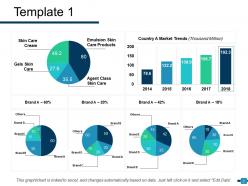
Slide 2: This slide shows Template 1 for market analysis with bar graph and pie charts for analysis.
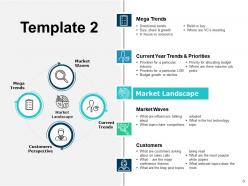
Slide 3: This slide presents Template 2 for market analysis describing- Market Waves, Mega Trends, Current Trends, Customers Perspective, Market Landscape.
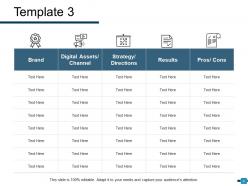
Slide 4: This slide displays Template 3 for market analysis in a tabular form with categories as- Brand, Digital assets/ channel, Strategy/ directions, results, Pros/ cons.
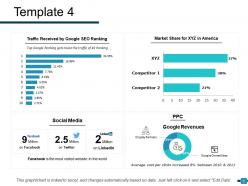
Slide 5: This slide represents Template 4 for market analysis describing traffic received, market share, PPC etc.
Slide 6: This slide showcases Template 5 for market analysis with imagery and text boxes to show information.
Slide 7: This slide shows Market analysis Icons.
Slide 8: This slide is titled as Additional Slides for moving forward.
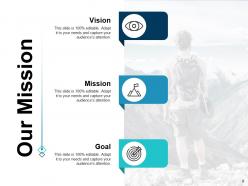
Slide 9: This is Our Mission slide with imagery and text boxes.
Slide 10: This is Our Team slide with names and designation.
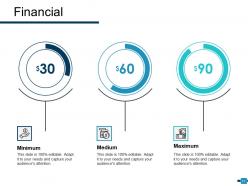
Slide 11: This is Financial slide. Show your finance related stuff here.
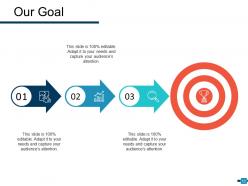
Slide 12: This is Our Goal slide. State your important goals here.
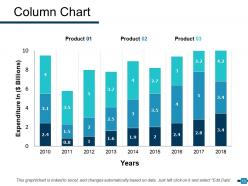
Slide 13: This slide displays Column Chart with three products comparison.
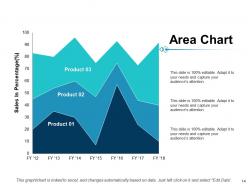
Slide 14: This slide shows Area chart with three products comparison.
Slide 15: This is a Thank You slide with address, contact numbers and email address.
Market Analysis PowerPoint Presentation Slides with all 15 slides:
Use our Market Analysis PowerPoint Presentation Slides to effectively help you save your valuable time. They are readymade to fit into any presentation structure.


FAQs for Market Analysis
So definitely hit these five areas: market size/growth potential, target customers, competition, industry trends, and regulatory stuff. Start with market size though - it'll help you figure out where to spend your time. For the competitive analysis, look at direct AND indirect competitors (I always go down rabbit holes with this part lol). Customer research needs demographics, buying patterns, pain points - the usual. Oh and don't skip pricing strategies when you're analyzing competitors. Honestly the whole thing sounds overwhelming but once you nail down that market size piece, everything else starts making more sense.
Honestly, I'd start with whatever customer data you already have - demographics, purchase history, that kind of stuff. Check out what your competitors are doing too, see who they're going after. Surveys are a total hassle to set up but they're worth it if you can manage. Your social media analytics probably have more useful info than you think, so dig into those numbers. Oh, and definitely create buyer personas once you've collected everything - sounds cheesy but it actually helps. Don't just guess at this stuff though. Pick one approach and try it this week, then add more later.
Honestly, you gotta mix it up with both primary and secondary research. Start with the free stuff - Google Trends and basic surveys work great. Customer interviews are clutch for getting real insights, but also dig into Google Analytics and SEMrush for the bigger picture. Industry reports from IBISWorld or Statista are solid too, though kinda pricey. Social listening is where people actually tell the truth about brands, so Hootsuite Insights is worth checking out. Oh, and don't forget competitor websites and their SEC filings - boring but useful. Once you figure out what data you're missing, then invest in the paid tools.
So competitive analysis is basically filling in what your regular market research can't see. Pick like 3-5 direct competitors and check out their pricing, how they position themselves, what customers are bitching about. You'll spot gaps they're missing and figure out where you can actually compete. Honestly, without this you're just guessing what customers want while being totally blind to what's already out there. I usually audit competitor strategies monthly - sounds nerdy but it's saved my ass multiple times. You can predict market shifts way better and find those sweet pricing spots everyone else missed.
Think of customer segmentation as your secret weapon for reading market trends. Different groups move at totally different speeds - like millennials will jump on some new tech trend while boomers are still figuring out what it even is. You can't catch these shifts if you're just looking at the big picture numbers. Honestly, most companies miss obvious patterns this way. Break down your customers into maybe 3 main groups first. Track them separately and you'll start seeing trends way earlier than your competitors. It's like having x-ray vision for your market.
Dude, the tech stuff happening right now is actually insane for market analysis. AI can spot patterns we'd totally miss, plus you get real-time sentiment tracking from social media feeds. Machine learning crunches datasets in minutes instead of weeks - I still can't wrap my head around that speed difference. Blockchain's giving us way better supply chain visibility too. What's really cool is how natural language processing automatically analyzes thousands of customer reviews. Honestly? Pick one AI analytics tool and just start playing around with it this quarter. Even basic trend detection will put your team ahead of competitors still doing everything manually.
So basically you want to nail down four things. Market size first - is there actually enough money floating around to make this worth your time? Growth rate matters too because nobody wants to jump into a sinking ship. Here's the thing though - sometimes a smaller market with way less competition is goldmine compared to fighting giants in a huge space. That competitive stuff will make or break you. Also check if your customer acquisition costs make sense against what each customer's actually worth long-term. Honestly, once you've got solid data on those four areas, the decision usually becomes pretty obvious.
Honestly, you gotta start with the boring stuff - government websites, industry newsletters, regulatory updates. Map out what's hitting your industry now and what's coming down the pipeline. Connect those changes to actual business impact though. New compliance costs usually help big companies crush smaller ones. Policy shifts might crack open fresh market opportunities. Set up some basic tracking system (even just a spreadsheet works) to stay on top of this stuff regularly. The trick is figuring out how regulations mess with pricing, competition, and who can even enter your market. Sounds tedious but it's worth it.
Honestly, consumer behavior is like the foundation of all market analysis - without it, you're just guessing. People's shopping habits change, and suddenly your forecasting models are off. Look at COVID - everyone's priorities flipped overnight and analysts scrambled to catch up. You've got to watch the obvious stuff like what people buy, but also the subtle shifts in their values. Those attitude changes hit way before the purchasing data shows up. Your analysis is only gonna be solid if you actually understand why people make the decisions they do. Otherwise you're working with incomplete info.
So basically, market analysis is like having a wingman for business partnerships. You can spot where you're weak and find companies that fill those gaps. Look at your competitors - sometimes you'll find businesses going after the same customers but with totally different products. Those are goldmine opportunities right there. Honestly, trend analysis is where it gets interesting though. You'll discover companies in completely different industries that are heading the same direction as you. It's weird how well this works as matchmaking. Just start by listing out non-competitors who target your audience, then hunt for shared goals or complementary stuff.
Look, SWOT analysis basically gives you the full picture before you make any major decisions. You map out what you're good at, what sucks, plus what's happening in the market around you. The cool part is spotting connections - like maybe your best skill lines up perfectly with some new trend that's taking off. Honestly, most people treat it like a one-and-done thing, but I'd run through it every few months since everything changes so quickly these days. It's kind of like having a radar for your business position.
Think of qualitative data as the "why" behind your numbers. Like, your survey shows satisfaction dropped 60%, but interviews reveal it's actually your confusing checkout process - not product issues. Numbers show what happened, but customer quotes explain the reasoning. Honestly, I've seen way too many spreadsheets that are totally misleading without context. You really need both. Short version: find your biggest quantitative surprises first, then design focus groups or interviews around those specific problems. Makes everything click.
Honestly, the biggest mistakes I see are using old data and tiny sample sizes. Confirmation bias is killer too - you end up cherry-picking stuff that backs up what you already believe. Survivorship bias gets people all the time, where they only study winners and completely ignore the companies that crashed and burned. You've gotta nail down your target market upfront or everything gets messy. Seasonal stuff can totally mess with your results if you're not careful. I always check multiple sources against each other and try to poke holes in my own thinking. It's annoying but saves you later.
Dude, seasonal analysis is a game changer for timing everything right. Pull your sales data from the last 2-3 years and hunt for those monthly patterns everyone else ignores. You'll spot when to stock up before busy periods, when to bump prices as competition fades, and exactly when your customers are ready to buy. Most businesses just throw stuff at the wall all year - honestly kind of wild when you think about it. The magic happens when you catch those weird micro-seasons or shifts in behavior that your competitors totally miss. Start there and you're already ahead.
Honestly, just bake flexibility right into your setup from day one. Do quarterly check-ins to see which metrics actually matter—I'd dump anything that doesn't help you make real decisions. Industry forums are clutch for staying ahead of shifts (competitors love telegraphing their moves if you're paying attention). Your analysis framework should evolve constantly, not gather dust. Short bursts work better than marathon sessions. Start by auditing what you've got next week and ruthlessly cut the fluff. Most KPIs are vanity metrics anyway.
-
Editable templates with innovative design and color combination.