

Medical Affairs Powerpoint Ppt Template Bundles





Try Before you Buy Download Free Sample Product
 Impress Your
Audience
 100%
Editable
 Save Hours
of Time


Introducing our comprehensive Medical Affairs PowerPoint presentation, a vital resource for navigating the intricate landscape of healthcare strategy and clinical operations. Uncover the dynamic realm of Clinical Affairs, delving into the strategic management of medical services. Explore Healthcare Affairs, emphasizing the pivotal role of medical professionals in healthcare development and strategy. From the operational intricacies of Medical Operations to the strategic alignment of healthcare initiatives, this PPT is your guide to excellence in medical management. Equip your team with insights into the evolving healthcare landscape, fostering effective collaboration and informed decision-making. Elevate your understanding of medical strategy and operations with this indispensable Medical Affairs presentation.
People who downloaded this PowerPoint presentation also viewed the following :
Medical Affairs Powerpoint Ppt Template Bundles with all 28 slides:
Use our Medical Affairs Powerpoint Ppt Template Bundles to effectively help you save your valuable time. They are readymade to fit into any presentation structure.

















FAQs for Medical Affairs Powerpoint
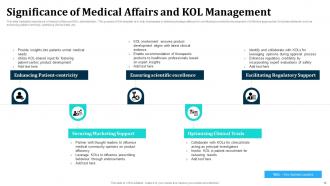
So Medical Affairs is like the science team that sits between your research people and the sales folks. They're the ones answering all those random clinical questions doctors throw at you - and trust me, docs ask about *everything*. Plus they handle medical education, support trials, and make sure your medical communications don't say anything sketchy. Real-world evidence studies? That's them too. Honestly, they're probably underrated because they deal with so much behind-the-scenes stuff. If you need clinical expertise or aren't sure about some scientific claim, start there first.
So Medical Affairs is basically the translator between R&D and the sales team. R&D creates all these drugs, Commercial wants to sell them, but someone needs to actually explain the science to doctors - that's you. You'd be talking to healthcare providers about clinical data, supporting research studies, making sure everything the company says medically is accurate. Honestly, it's pretty cool because you get to work with researchers AND real doctors treating patients. The best part? You're sharing actual evidence-based info, not doing cheesy sales pitches that make everyone cringe.
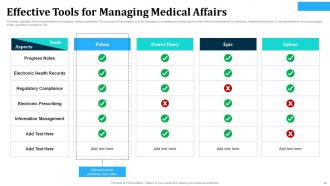
Think of Medical Affairs as the rule-keeper for all your scientific stuff. We check promotional materials, make sure clinical data gets presented right, and train people on what they can/can't say about products. Kinda like having that friend who stops you from texting your ex at 2am, honestly. Regulatory bodies? Yeah, we stay tight with them and update everyone when guidelines shift. Oh, and definitely hit us up before any external medical communications go out. Trust me – way easier to prevent compliance disasters than clean them up afterward. The paperwork alone will make you cry.
Honestly, stop trying to sell them stuff right away - that's where most people mess up. Focus on what they actually care about first. Ask about their research or whatever clinical problems they're dealing with. I swear, the MSLs who do well are the ones who show up consistently, not just when they need something. Bring actual value every time - maybe it's new data, industry gossip, or just answers to questions they asked last time. Oh, and don't be that person who disappears for months then suddenly resurfaces. Regular check-ins feel way more natural and they'll start seeing you as a resource instead of just another sales pitch.
Honestly, most medical affairs people mess this up by diving straight into mechanism slides - don't do that! Start with stories about real patients instead. Visual stuff like infographics help too. I always use the layered approach: begin super simple, then build up complexity as you go. Skip the jargon completely and find analogies they actually get from daily life. Oh, and stick to one main message per conversation or you'll lose them. Have them summarize what they heard back to you - that's how you know if it's working. Try this in your next meeting and see what happens.
So digital health has completely flipped how Medical Affairs works with patients. Before you were stuck with conferences and doctor meetings - now you can reach people directly through their apps and wearables. Pretty crazy shift, honestly. Your job becomes way more about giving real-time medical insights and supporting those digital therapy tools. Oh, and making sure everything stays clinically accurate across all these new platforms (which is harder than it sounds). The trick is adapting your science communication for digital without losing that clinical rigor. I'd start by figuring out which platforms your patients actually use.
Focus on what actually moves the needle for your team's goals. HCP engagement is huge - track meeting attendance, follow-up requests, and survey scores. Publication stuff matters too: acceptance rates, citations, journal impact factors. Internal metrics are equally important though, like supporting clinical timelines and regulatory work. Honestly, most teams track way too much random activity instead of meaningful outcomes. Pick 3-5 KPIs that leadership actually cares about and show Medical Affairs' real strategic impact. Start measuring consistently now so you've got solid baseline data to work with later.
So Medical Affairs basically runs lifecycle management by generating evidence and insights throughout each product phase. First, you're spotting unmet medical needs and designing real-world studies. Building those KOL relationships is huge for positioning strategy too. Post-launch gets wild though - that's when you're tracking safety signals and competitive intel while literally shaping the whole narrative. Your team also pushes for label expansions by creating clinical data for new indications. Honestly, being proactive beats reactive every time. Map out evidence gaps early and focus on studies that'll actually differentiate your product long-term.
Ugh, the worst part is constantly getting caught between what sales wants to say and what your data can actually back up. Tight deadlines make it even harder - there's always pressure to cut corners on research quality. Plus you're explaining crazy complex stuff to everyone from executives to doctors without dumbing it down too much. Regulatory teams will audit literally anything you put out there, which is terrifying honestly. Your materials go stale fast too since new studies keep coming out. Oh, and definitely get tight with compliance early on. Document everything when you're making decisions about claims - trust me on this one.
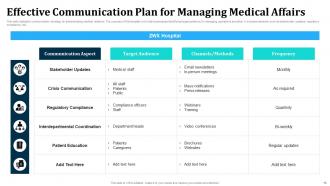
Dude, you literally can't survive in Medical Affairs without working cross-functionally. You'll be talking to clinical, regulatory, commercial, and market access teams constantly - basically being the science translator between your company and doctors out there. The best part? Some of my most useful insights actually came from random chats with the commercial folks about what they were picking up in the field. Set up regular check-ins with everyone and stay ahead of sharing scientific updates that'll impact their work. Trust me, operating in a bubble just doesn't work in this role.
So Med Affairs gets pretty involved in trials, actually. You'll help design protocols and pick the right sites - basically using your expertise to find investigators who know their stuff. Site selection is huge since you already have those relationships built up. During the study, you're constantly fielding scientific questions and weighing in on protocol changes. It's honestly way more interesting than it sounds because you see everything from start to finish. The post-trial work matters too - turning results into real-world evidence and getting publications out there. I'd start by just talking to your clinical dev team about what's in the pipeline.
Okay so three main things you gotta nail down: scientific integrity, transparency, and patient safety. Don't cherry-pick data or oversell stuff - I've literally watched teams crash and burn doing that. Be upfront about conflicts of interest, especially when presenting research or talking to doctors. Your educational content needs to be balanced, not just the shiny happy parts. Document everything too, which is boring but saves your ass later. Oh and go through your current materials with fresh eyes - if something feels even a little too sales-y, flag it. Trust me on this one.
Looking at real-world evidence is honestly a game changer for clinical strategy. You're getting actual patient outcomes and treatment patterns from practice - not just clean trial data. Way more representative of what's actually happening out there. Start by figuring out what RWE sources you can access, then map those to your biggest strategic questions. This stuff helps you spot unmet needs, nail your positioning, and find new patient segments or indications. Plus it's gold for building research priorities and creating narratives that actually resonate with stakeholders. The diversity in real-world populations gives you insights you'd never see otherwise.
So basically you need solid scientific writing and data analysis skills, plus you've got to be good at building relationships. Critical thinking is massive - you're always digging into clinical data and explaining complicated stuff to different people. But honestly? Communication is what really makes or breaks you in this field. Hit up medical conferences, maybe take some biostatistics courses, and network with KOLs. The whole industry moves crazy fast so you can't stop learning. Oh and join DIA if you haven't already - they've got tons of training stuff. Figure out what you're weakest at first though.
COVID totally flipped Medical Affairs on its head. Virtual KOL meetings became the norm overnight. Remote conferences too - honestly some were better than the in-person ones, weird as that sounds. Teams had to get scrappy with evidence generation and safety monitoring became way more digital. Your job probably morphed into working with commercial and regulatory teams more than before. It's been a wild few years, exhausting but kinda cool seeing how fast everyone adapted. Bottom line? Those digital engagement skills aren't going anywhere, so definitely worth investing in if you haven't already.
-
I want to express my gratitude to SlideTeam’s presentation design services team for helping me create the best presentation of my life!
-
“I required a slide for a board meeting and was so satisfied with the final result !! So much went into designing the slide and the communication was amazing! Can’t wait to have my next slide!”