

Medical Device Development PowerPoint PPT Template Bundles





Try Before you Buy Download Free Sample Product
 Impress Your
 Audience
 100%
100% Editable
 Save Hours
 of Time


Our Medical Device Development PowerPoint PPT Template Bundles are topically designed to provide an attractive backdrop to any subject. Use them to look like a presentation pro.
People who downloaded this PowerPoint presentation also viewed the following :
Medical Device Development PowerPoint PPT Template Bundles with all 20 slides:
Use our Medical Device Development PowerPoint PPT Template Bundles to effectively help you save your valuable time. They are readymade to fit into any presentation structure.

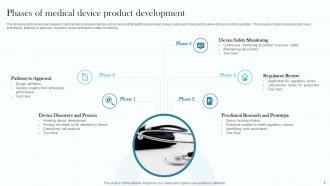
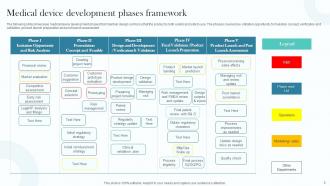
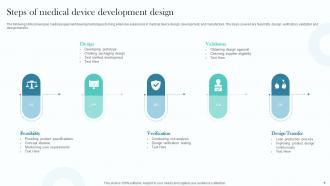
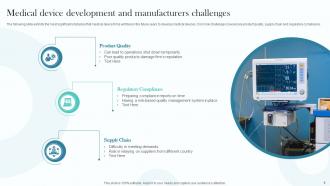
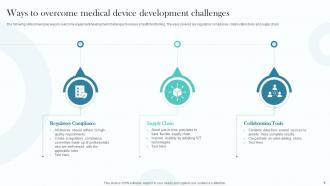
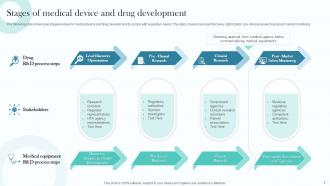
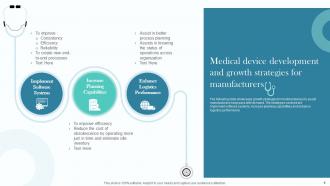
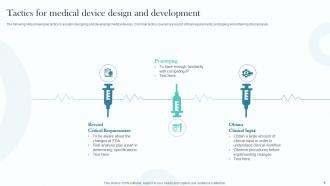






FAQs for Medical Device Development PowerPoint
Ugh, AI/ML stuff is such a nightmare right now - rules keep changing every few months. Cybersecurity reqs are brutal too. FDA's gotten super nitpicky about software validation, and don't even get me started on post-market surveillance if you're collecting patient data. My advice? Get your reg team involved from the start, not when you're already deep in development hell. Document everything immediately - I learned this the hard way on my last project. Also try building actual relationships with FDA folks if you can. Yeah it sounds cheesy but it really does cut down on those endless review cycles later.
Honestly, user-centered design is a game changer for medical devices. Instead of engineers guessing what people need, you're designing for actual workflow. Get clinicians involved early and you'll spot problems like confusing interfaces that cause dosing mistakes. I can't tell you how many "perfect" devices I've seen flop because nobody bothered asking nurses how they'd use it during crazy shifts. The payoff? Fewer errors, better outcomes, faster adoption. Oh, and definitely shadow your users first - like, actually watch them work before building anything.
So medical device software is basically the brain running everything these days. Pumps, diagnostic machines, user interfaces - all controlled by code. Pretty crazy when you think about it. But here's the thing - you can't just code it like any other app because of all the regulatory stuff like IEC 62304. Trust me on this one: plan your software validation and cybersecurity from day one. I've seen teams try to add compliance later and it's a total mess. Way harder than doing it right from the start.
So AI and IoT are pretty wild when you combine them for medical stuff. Basically you get devices that can watch patients 24/7 through sensors, then the AI spots weird patterns before things go south. Way cooler than just those smartwatches that catch irregular heartbeats - though those are neat too. The crazy part? These devices actually learn from huge amounts of data and keep getting better. My advice: pick one specific health problem you want to tackle first, then work backwards to figure out what data you'd need. Don't try to solve everything at once.
First thing - nail down your protocol and statistical plan before anything else. Get IRB approval sorted (the paperwork is brutal but whatever). Training your sites properly is huge - sloppy data collection will tank everything. I'd focus hard on recruiting patients who actually match your target population. Oh, and set up those interim safety reviews from the start. Trust me, catching problems early beats finding out you screwed up after enrolling 200 people. Document literally everything too. GCP guidelines aren't optional if you want this to go anywhere.
Dude, international standards are gonna control pretty much everything about your device development. You can't avoid them if you want to sell globally. Start with ISO 13485 for quality management and IEC 62304 for software - build around these from the beginning. Honestly feels like drinking from a fire hose at first. But they're more like guardrails than barriers, you know? Risk management, biocompatibility testing - it all flows from these standards. Map out which ones apply to your device early on. Trust me, retrofitting compliance later is a nightmare you don't want.
Start with ISO 14971 - seriously, it'll save your sanity later. Map out every possible hazard you can think of: user mistakes, parts breaking, cyber attacks, whatever. I learned this the hard way on my last project. Use severity/probability matrices to rank everything, then build in controls like alarms or fail-safes. The documentation is brutal but regulators will demand it all anyway. Don't treat this like some end-of-project checklist either. Keep updating your risk analysis as you develop - it's way cheaper than fixing problems after launch.
Dude, when your devices actually talk to each other, everything just works better. Medical errors drop because clinicians get the full patient picture instantly. No more manually copying data between systems (seriously, that's where half the mistakes happen). Vitals automatically sync with patient records, pharmacy systems chat with IV pumps - all that good stuff. Response times get way faster and you're not ordering the same tests twice. Oh, and definitely go with HL7 FHIR standards when you're designing. Trust me on this one.
Patient safety comes first, obviously - can't compromise there. Your device needs to actually help people without causing harm, and you've got to be upfront about any risks. The ethics review process is honestly a drag sometimes, but I get why it exists. Data privacy matters big time if you're handling health info. Don't make something that only rich patients can access either. Oh, and start talking to your ethics committee early - they're not trying to kill your project, they're actually helpful once you get to know them.
Honestly, patient feedback is where you'll find the real gold. Controlled trials are nice and all, but they don't show you how your device actually performs when someone's using it at 2am in a busy ER. Real users will tell you about usability problems you never thought of and side effects that didn't show up in your perfect lab conditions. Think of it like... you can test drive a car on a smooth track, but potholes and rush hour traffic tell a completely different story. This stuff helps you figure out what to fix first. My advice? Don't wait for post-market data to start collecting feedback - build those loops in early.
Dude, 3D printing is totally changing the game for custom medical stuff. Instead of waiting weeks, doctors can whip up patient-specific implants from CT scans in just days. Pretty wild when you think about it. The cost difference is crazy too - no more paying for expensive tooling when you only need one device. Patients get way better results since everything's made to fit them perfectly. Works amazing for things like skull implants or custom joints. Just heads up though - if you're thinking about developing implantable devices, definitely loop in the FDA early since they're still figuring out all the regulatory stuff.
Honestly, it's just about following the money trail. Investors see aging populations and chronic disease rates climbing? Boom - suddenly diabetes monitors and joint replacements get all the funding. AI and wearables are the shiny objects right now too. But here's what trips people up - regulatory stuff and insurance coverage can flip everything overnight. Like, doesn't matter how cool your device is if Medicare won't cover it. I'd track both sides: what patients actually need AND what insurers are willing to shell out for. That's where the real opportunities hide.
So basically it's all about how much the FDA wants to mess with you. Class I stuff like bandages? Pretty chill - just register and don't screw up the basics. Class II gets trickier since you need that 510(k) thing where you prove your device is basically the same as something already out there, plus way more testing. Class III though... oof. That's the brutal one. Full clinical trials, years of waiting, millions in costs. Honestly the whole PMA process is kind of a nightmare. My advice? Figure out your regulatory path super early because it'll completely dictate your timeline and how much cash you'll burn through.
Bake security in from day one - don't try bolting it on after. Do threat modeling during design so you know what could break before building anything. Strong authentication is a must, encrypt data transmission, keep everything updatable for quick patches. The FDA guidance is actually pretty solid now (surprised me honestly). Regular pen testing throughout development helps catch stuff early. Oh and definitely treat cybersecurity like any other critical requirement. Can't be an afterthought anymore. You should probably schedule that security review this week while you're thinking about it.
So post-market surveillance is like your safety net after launch - catching stuff clinical trials missed. You're tracking how it performs in the real world, monitoring adverse events, getting data from actual users in different situations. Basically your device's ongoing checkup, which honestly makes sense when you think about it. All this info feeds back into risk management and can trigger anything from label changes to full recalls. Oh and regulators expect you to actively hunt for problems, not just sit around waiting. Build those monitoring systems early because you'll definitely need them robust.
-
SlideTeam just saved my project! Thank you so much. The variety of templates helped me showcase multiple perspectives easily.
-
These stunning templates can help you create a presentation like a pro.