Digital Healthcare Innovation Powerpoint Ppt Template Bundles

Rating:
80%
Digital Healthcare Innovation Powerpoint Ppt Template Bundles
Slide 1 of 26
Favourites Favourites

Try Before you Buy Download Free Sample Product

Audience Impress Your
Audience
Editable 100%
Editable
Time Save Hours
of Time
The Biggest Sale is ending soon in
0
0
:
0
0
:
0
0
Rating:
80%
Engage buyer personas and boost brand awareness by pitching yourself using this prefabricated set. This Digital Healthcare Innovation Powerpoint Ppt Template Bundles is a great tool to connect with your audience as it contains high-quality content and graphics. This helps in conveying your thoughts in a well-structured manner. It also helps you attain a competitive advantage because of its unique design and aesthetics. In addition to this, you can use this PPT design to portray information and educate your audience on various topics. With eighteen slides, this is a great design to use for your upcoming presentations. Not only is it cost-effective but also easily pliable depending on your needs and requirements. As such color, font, or any other design component can be altered. It is also available for immediate download in different formats such as PNG, JPG, etc. So, without any further ado, download it now.

FAQs for Digital Healthcare Innovation Powerpoint

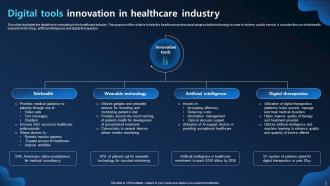
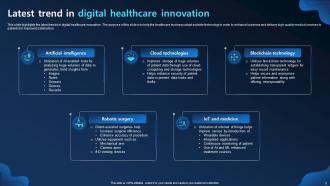
AI and machine learning are huge right now - mostly for diagnostics and treatment stuff. Telemedicine is still growing like crazy (COVID really changed everything there). Wearables are everywhere collecting health data, plus there's tons of money going into mental health apps. Remote monitoring is big too. Oh, and systems are finally starting to actually communicate with each other, which is honestly about time. I'd probably look at anything that pulls together different data sources and doesn't make patients jump through hoops. That's where the real opportunities are.

Look, telemedicine is honestly a lifesaver for rural healthcare. No more driving 3+ hours to see a cardiologist - you can video chat with specialists from your kitchen table. People aren't flooding ERs for minor stuff anymore since they can get quick consultations online. Remote monitoring helps folks actually manage chronic conditions properly. Studies show hospital readmissions drop by like 25% in rural areas. The best part? Patients don't skip follow-ups when they don't have to burn a whole day traveling. It's pretty much revolutionizing how rural communities get decent healthcare access.

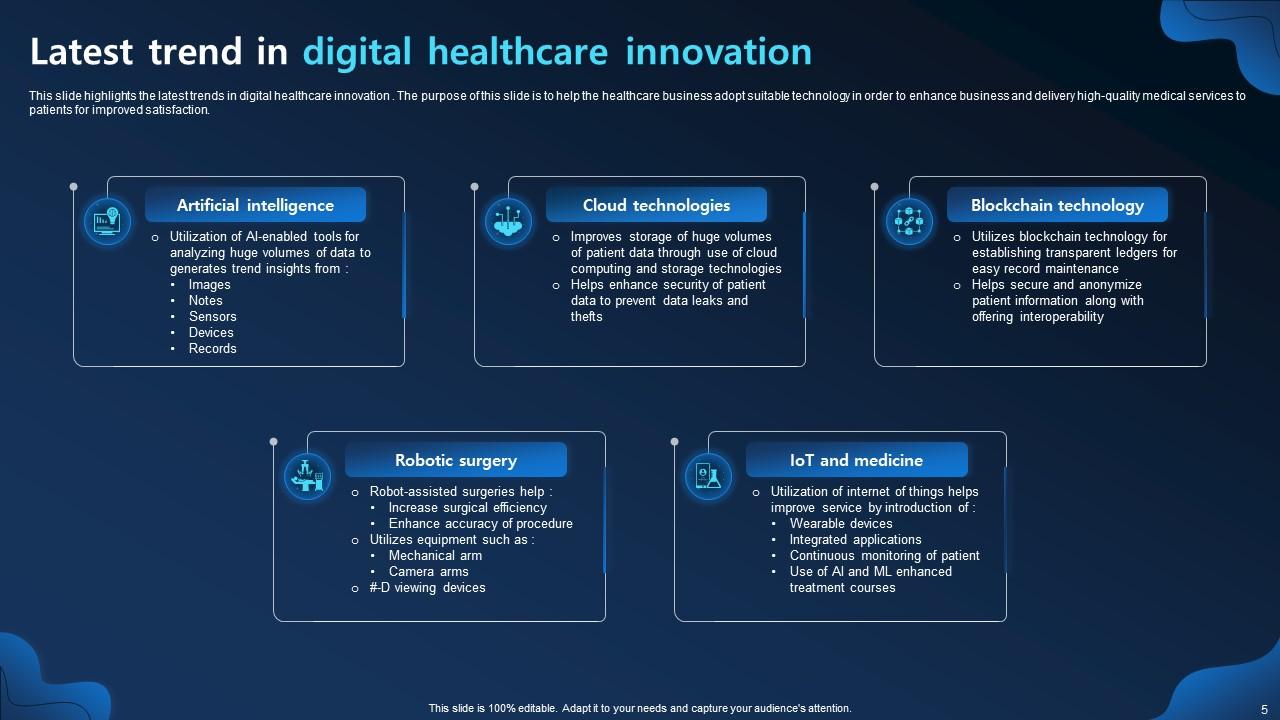
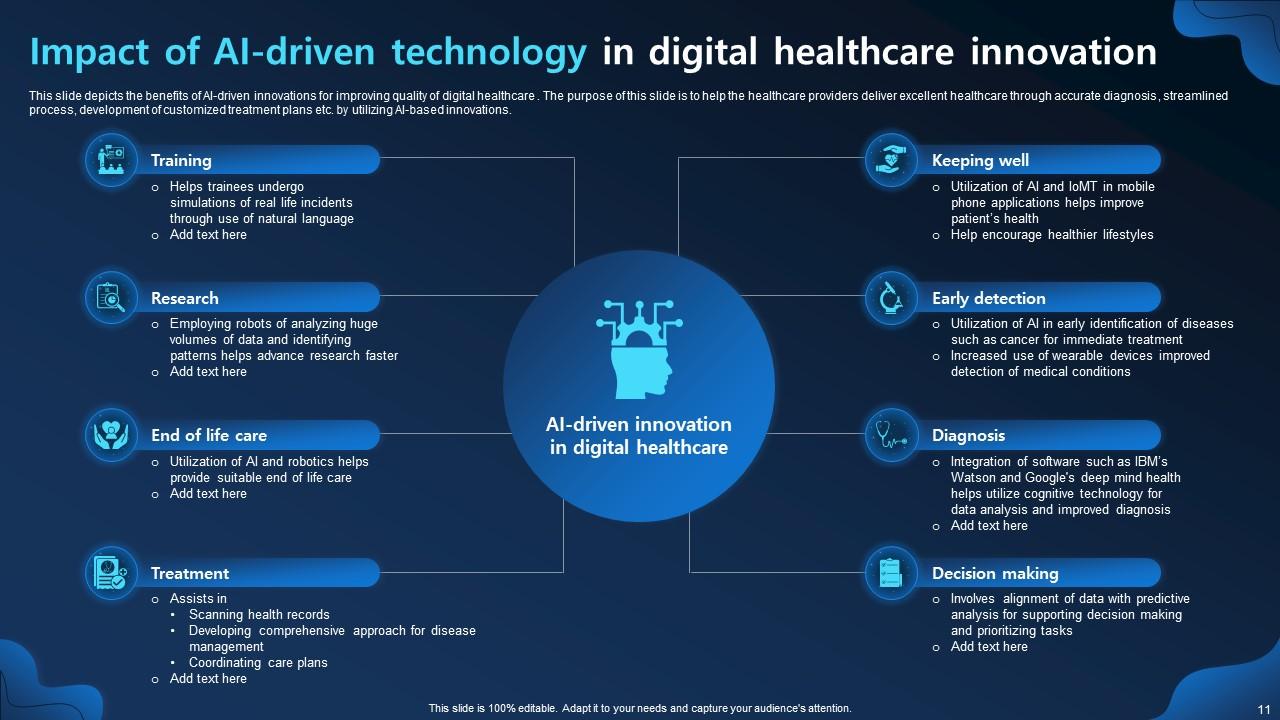
So AI in healthcare is pretty wild right now. Doctors are using it to scan through medical images and lab work way faster than they could manually - like spotting early cancer in mammograms. Your treatments can get way more personalized too since it analyzes your specific genetic stuff and medical history. Honestly, it's kind of crazy how much data these systems have seen compared to any single doctor. The whole thing keeps getting smarter as more patient info gets fed into it. Next time you're at the doctor, maybe ask what AI tools they're actually using - you'd probably be surprised.

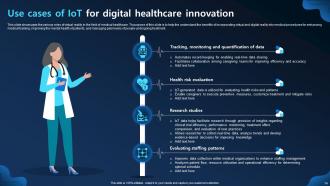
So wearables are pretty cool - they track your heart rate, sleep, steps, all that stuff without you doing anything. Instead of just getting health info when you see your doctor, you're collecting data constantly. My Apple Watch caught my friend's irregular heartbeat last year, which was wild. The newer ones can even detect early signs of sickness. What's really useful is seeing patterns over months that might show problems before you feel sick. Don't get sucked into tracking everything though - pick like one or two things you actually care about improving.

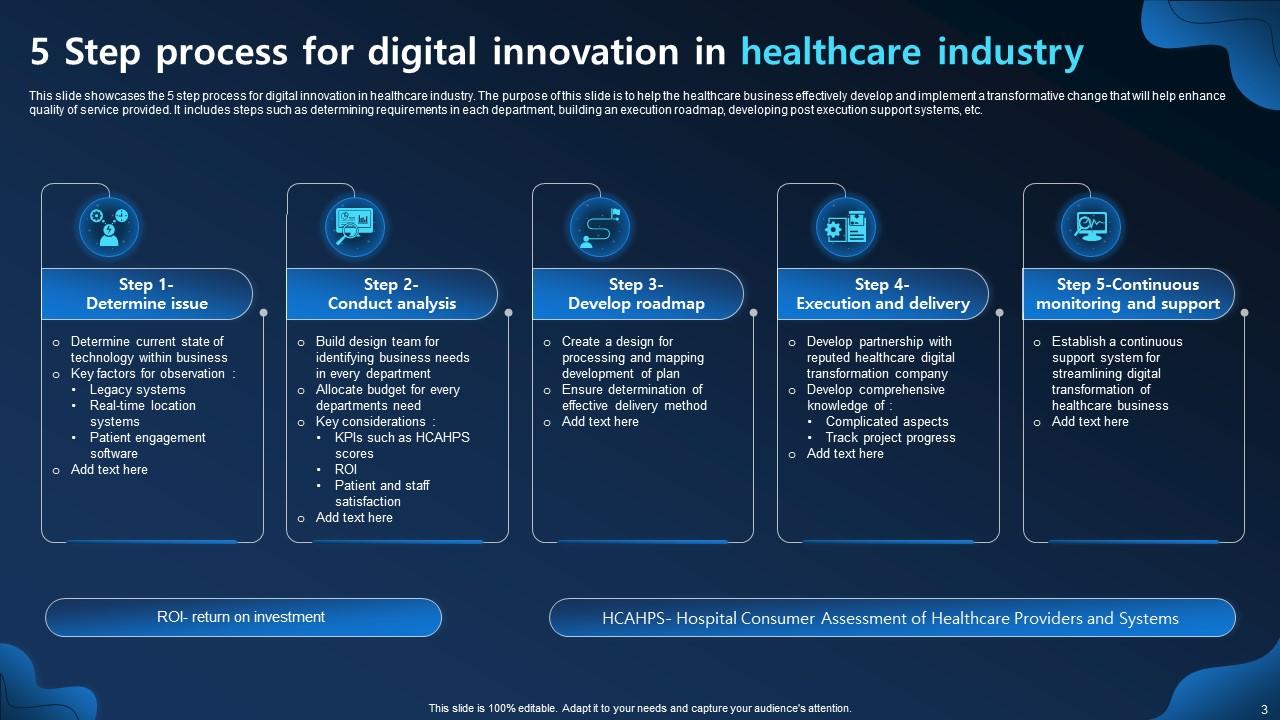
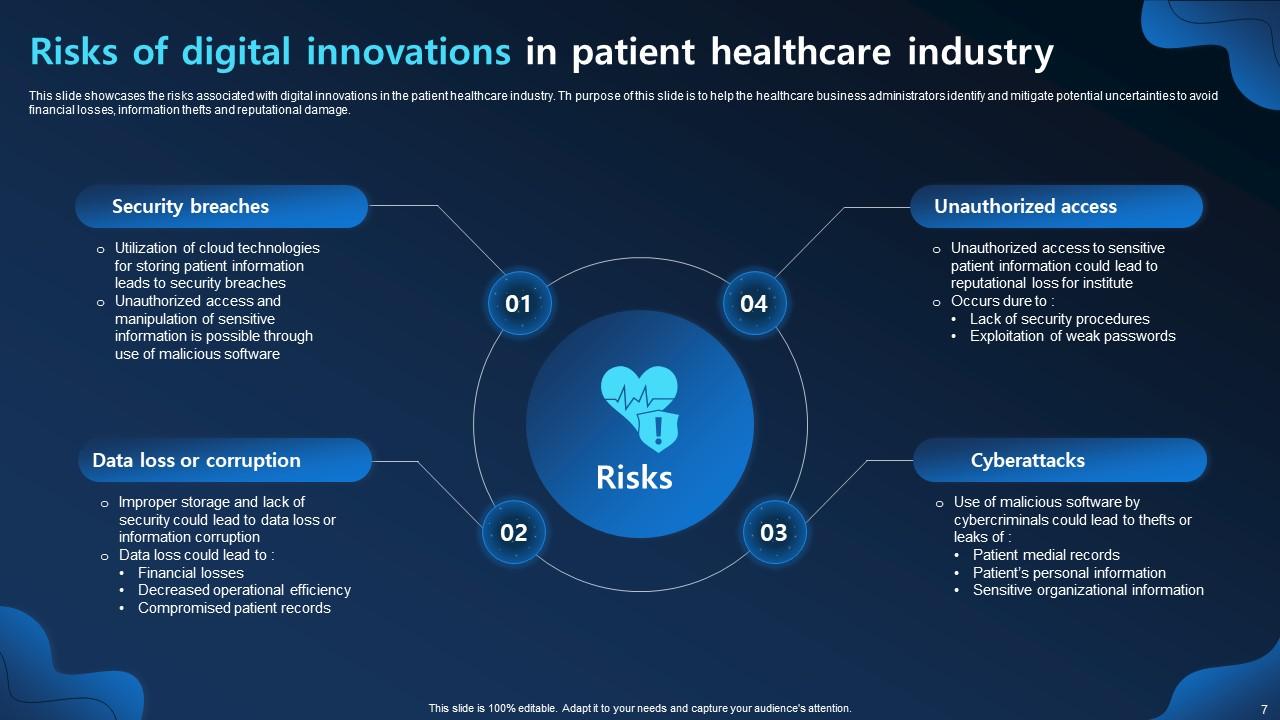
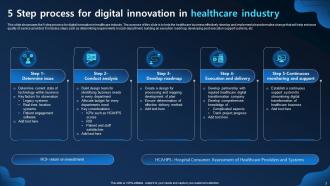
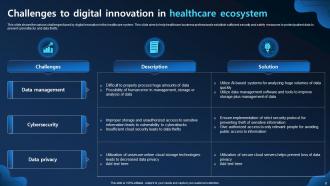
Honestly, data security is your biggest nightmare - everyone freaks out about patient info. Integration with whatever ancient systems you're already using? Total pain. Staff will push back hard, especially the older docs who've done things the same way forever. Budget's gonna hurt upfront too. Oh and don't get me started on compliance stuff, it's like a maze designed by sadists. Training eats up way more time than you'd expect. Even patients can be weird about adopting new tech sometimes. My advice? Pick one small pilot program first. Get the important people on board early, and seriously budget like 3x more training time than seems reasonable.

Look, interoperability is huge for digital health stuff. Your patient data gets scattered everywhere when systems can't communicate - honestly, it's a nightmare trying to piece together someone's medical history. Doctors end up making decisions with incomplete info, which sucks for everyone involved. Staff get frustrated with clunky workflows too. But get it right? Everything just clicks. Your tools actually help instead of creating more headaches. Oh, and definitely look for HL7 FHIR standards when you're shopping around for new systems - trust me on that one.

So the big three you'll deal with are consent, privacy, and bias. Patients gotta know their data's being used for AI training, not just their treatment. Healthcare data is super sensitive, so you need rock-solid de-identification. Here's the kicker though - if your training data lacks diversity, the AI might suck for certain groups and make health disparities even worse. Honestly, that's probably the scariest part. Set up strong governance from the start and be upfront with patients about how you're using their data.

So basically these digital health tools flip the whole script - instead of waiting around for doctors to tell you stuff, you're actually in control. Wearables give you real-time data, apps let you track symptoms, and you can see your own lab results immediately (seriously life-changing). Telemedicine makes appointments way more interactive too. Patient portals are clutch for scheduling and messaging your doctor directly. The whole point is healthcare becomes something you DO rather than something that just happens to you. Oh and managing meds gets so much easier. I'd start by figuring out where patients want more control over their own care.

So basically blockchain spreads your health data across tons of different computers instead of just one server that hackers love to target. You get these special keys that let you decide who sees what - your doctor, insurance, whatever. Pretty neat stuff, honestly. Every time someone tries to access your records, it gets logged forever so you can track who's been snooping around. The whole thing is encrypted and can't be tampered with once it's there. You'd actually own your medical info for once instead of crossing your fingers that hospitals don't mess up their security.

Look, regulations will absolutely make or break you in digital health. FDA approval, HIPAA stuff, CE marking if you're going international - it's all a massive pain and costs way more than you think. But honestly? Once you get through it, investors and users actually trust you more. The worst mistake I see startups make is ignoring this until the end. Build it into your timeline from the start. Yeah, it sucks having lawyers involved early on, but trust me - retrofitting compliance later is like trying to install plumbing after the house is built.

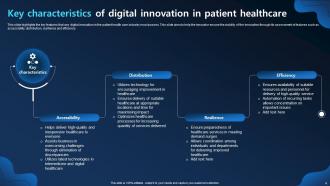
Digital health tools are honestly game-changers for getting care to people who need it most. Telemedicine connects rural patients with specialists they'd never see otherwise. Mobile apps break down language barriers with health info in different languages. Remote monitoring lets people with chronic conditions stay linked to their docs without those brutal drives to appointments - which saves money too. SMS reminders work great for folks without fancy phones, and virtual interpreters are clutch. The trick is figuring out what's actually blocking access in your area first, then finding the right tech solution. Way cheaper than traditional care models.

Look, mobile health apps are honestly pretty amazing for chronic stuff. Patients can track blood pressure, glucose levels, whatever they need - plus get medication reminders so they don't forget doses. The real-time monitoring keeps people engaged between appointments, which is huge for compliance. What I love is how they make patients actually participate in their care instead of just showing up sick, you know? Some even have gaming elements and let you connect straight to providers when things look weird. I'd figure out what conditions your patients struggle with most, then just try a few apps and see what works. Trial and error basically.
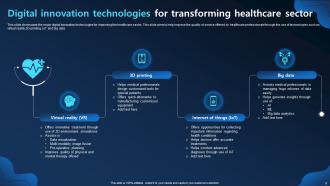
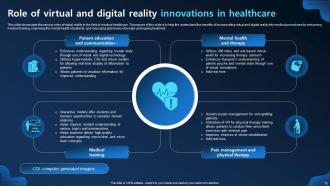
Dude, VR training for healthcare is seriously cool - you can practice surgeries and patient interactions without any real consequences. The simulations are getting crazy realistic now. Plus you get to experience rare emergencies that you might never see otherwise during rotations. Immediate feedback is clutch, and you can just keep redoing scenarios until you nail them. Honestly, the surgical sims are probably the most impressive part. Oxford Medical Simulation and 3D Organon are good places to start if you're looking into this stuff. It's like having unlimited practice rounds.

Honestly, social media is huge for patient education now. People are already doom-scrolling anyway, so why not meet them there? You can post quick health tips, shut down those crazy wellness myths, and build little communities for people dealing with similar stuff. Visual content works really well for making medical jargon actually make sense. Patients engage with it way more than those boring pamphlets nobody reads. The hard part? Keeping everything accurate while still being interesting. I'd pick one platform first, stay consistent with posting, and always link to legit sources so people trust you.
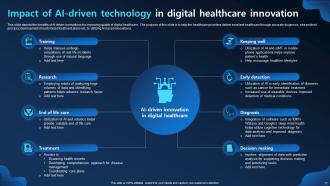
Honestly, mental health apps have been a game changer. You can literally text with therapists through BetterHelp or do guided meditation on Headspace whenever you want. No more waiting weeks for appointments or dealing with awkward scheduling. Some apps even track your mood patterns and spot when you're heading into a rough patch before you realize it yourself. The AI chatbots are surprisingly helpful too - like having someone to vent to at 3am when everything feels overwhelming. Plus it's way cheaper than traditional therapy. I mean, removing the stigma alone makes it worth trying. Start with something simple and see what clicks for you.

Ratings and Reviews

80% of 100
Review Form
Write a review
Most Relevant Reviews
  1. 80%

    by Clark Ruiz

    Unique design & color.
  2. 80%

    by Drew Alvarado

    Out of the box and creative design.

2 Item(s)

per page: