

Operating Model Powerpoint Ppt Template Bundles




Try Before you Buy Download Free Sample Product
 Impress Your
 Audience
 100%
100% Editable
 Save Hours
 of Time


Our Operating Model Powerpoint Ppt Template Bundles are topically designed to provide an attractive backdrop to any subject. Use them to look like a presentation pro.
People who downloaded this PowerPoint presentation also viewed the following :
Operating Model Powerpoint Ppt Template Bundles with all 19 slides:
Use our Operating Model Powerpoint Ppt Template Bundles to effectively help you save your valuable time. They are readymade to fit into any presentation structure.






FAQs for Operating Model Powerpoint
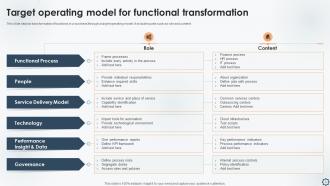
So you'll need five main things: governance structure, processes, org design, tech systems, and metrics. Governance is who decides what. Processes map out how work flows. Put the right people in the right roles with org design. Tech makes it all possible - obviously can't do much without decent systems these days. Metrics show if you're actually succeeding or just spinning your wheels. Here's the thing though - don't dive in blind. Map what you've got first, find your biggest problems, then tackle them one at a time. Trust me, trying to overhaul everything simultaneously never works.
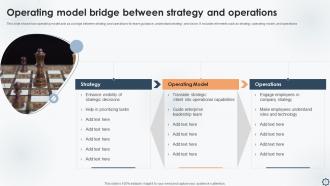
So your operating model is basically the bridge between strategy and actually making stuff happen. Strategy = where you want to go. Operating model = how you'll get there - your processes, org structure, tech, all that. Here's where most companies screw up though - they build these things separately. Huge mistake. If your strategy is all about customer experience but your operating model creates departmental silos, you're toast. Start by figuring out what operational capabilities you need for each strategic goal. Map it out first, then build from there. Makes the whole thing way less messy.
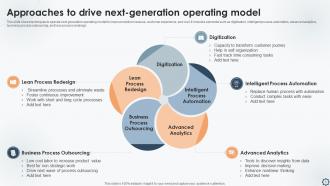
Tech is basically what makes your operating model actually work in practice. It affects everything - how you serve customers, team collaboration, which processes you can automate vs. need people for. I've watched companies totally flip their operating models just by getting the right tech setup (wild how much difference it makes). Your tech choices directly shape your org structure, how fast you can make decisions, and overall efficiency. So when you're building or adjusting your operating model, map out the technology you'll need first. Makes the whole thing way smoother.
Honestly, you've gotta bake flexibility into everything from day one. Cross-functional teams are your best friend here - they can pivot without all the bureaucratic BS. Give people decision-making power at different levels instead of funneling everything up the chain. That rigid hierarchy stuff? Total momentum killer. Build your processes like LEGO blocks so you can swap pieces without starting over. Oh, and actually listen to your customers and team regularly - they'll tell you when something's off before you realize it yourself. Maybe pick one area this quarter where you can test faster decision-making?
Start with your business strategy - what are you actually trying to achieve? Map out your main processes next, both customer stuff and the boring back-office work. Organizational structure comes after that (honestly, this part's always a pain but you gotta power through). Define who makes what decisions and how you'll measure success. Technology and data flows support everything else. Here's the thing though - don't overthink it. Build something basic that works and improve it as you go. I've seen too many people get stuck trying to make it perfect on paper first.
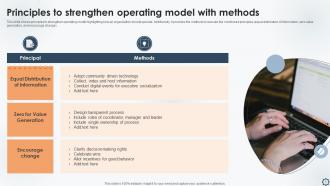
Honestly, culture will make or break whatever operating model you build. People resist processes that don't vibe with how they actually work - or they'll just create sneaky workarounds that mess everything up. Perfect example: you design these amazing cross-functional workflows, but if everyone's still rewarded for being the solo hero, good luck with that collaboration. Your real culture (not the poster on the wall) controls how decisions happen and whether people buy into changes. Oh, and information flow too - that's huge. Always test your model against the culture you actually have, not the one in your head.
Ugh, the worst thing you can do is try to flip everything overnight - people just shut down. Also leadership always forgets to actually explain WHY we're doing this whole song and dance, then acts shocked when nobody's on board. You've gotta start small with like a test group or something. Honestly, expect way more pushback than seems logical - even good changes freak people out. Track actual progress with real numbers, not just "feels like it's going better." Oh and celebrate the tiny wins! Sounds cheesy but it works. Keep talking to people about what's happening too.
Don't treat metrics like some boring side project - build them right into how you actually work. Pick maybe 3-5 numbers that truly matter for your business (I've seen teams drown in way too many). Someone specific needs to own each metric or it'll just get ignored, trust me on that one. Build the measurement stuff directly into your daily workflows so it feels automatic. Set up regular check-ins where you're actually using those numbers to change things, not just staring at dashboards. The whole point is making it feel natural instead of like extra work nobody wants to do.
So your operating model and governance are like dance partners - they gotta move together or someone's stepping on toes. Governance sets your rules and decision-making stuff, while the operating model is how work actually gets done day-to-day. Too much governance? You'll slow everything down. Too little? Total mess, no accountability. I learned this the hard way at my last job - we had these perfect processes on paper but our approval chains were so tangled nobody could execute anything. When you're tweaking one, always check how it affects the other. Otherwise you'll build something that looks great but doesn't actually work.
Dude, you gotta bake flexibility right into how you run things. Cross-train your people so they can jump between roles. Pick tech that scales easily - trust me on this one. Most companies are way too slow to pivot when markets shift. Set up clear trigger points for when you'll change course, and actually stick to them. Run stress tests on your processes regularly. What's your most rigid system right now? Start there and make it bendable. Oh, and have backup plans sitting in your back pocket. Better to be ready than scrambling later when everything's on fire.
You can't build an operating model in a vacuum - stakeholder input is everything. Map out who's getting impacted first: finance, IT, operations, maybe even customers. Then get listening sessions on the calendar ASAP. Here's the thing - you need to understand how these groups actually work day-to-day, not how you think they work. What's breaking? What do they need to succeed? I've seen too many beautiful models crash and burn because they ignored this step. Without real insight from the people doing the work, you'll design something that's totally disconnected from reality.
Process mapping is basically like taking an X-ray of how work actually moves through your company. You'll see where teams hand stuff off to each other, plus all those hidden bottlenecks nobody talks about. One team I worked with found out they had 15 approval steps for the simplest requests - totally ridiculous! The visual breakdown shows you what's really happening vs what you think is happening. Dependencies become obvious. You can finally figure out where people are stepping on each other's toes and where tech might actually help. Just pick one process that affects customers and map it with whoever does that work day-to-day.
Dude, remote work totally flips your whole setup. No more hallway chats (which actually sucks more than I expected). Everything has to be super clear about who decides what and when. You'll be documenting stuff constantly since you can't just walk over and ask someone. Performance becomes about what you actually get done instead of just showing up - way better honestly. Oh, and you have to build everything around async communication from the start. Can't just tack it on later and hope it works.
First, figure out how decisions actually get made in your company - not the org chart version, but reality. Map out strategy execution, budgets, performance reviews, that whole mess. Most places are shocked by what they find, honestly. Then compare yourself to industry benchmarks or maturity models. But here's the thing - employee feedback is pure gold. Survey people at different levels about role clarity and decision speed. Ask what's working and what makes them want to scream. You'll probably discover some wild gaps between what leadership thinks is happening and what's really going down.
Honestly, start with whatever process is driving everyone crazy - fix that one first. Quarterly check-ins work pretty well for most teams, but the hard part is getting people to actually say when stuff's broken (which, let's be real, takes forever to build that trust). Document what you're doing so you can catch the dumb inefficiencies later. Always pilot changes small before going big. Oh, and actually write down what you learn from both the wins AND the disasters - then do something with those notes instead of letting them collect digital dust. Set up feedback loops with stakeholders too.
-
Amazing product with appealing content and design.
-
I really liked their customized design services. I got my desired template made by their expert team. Thank You!