


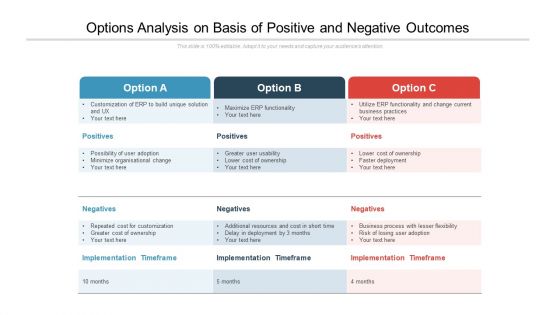
Options analysis on basis of positive and negative outcomes





Try Before you Buy Download Free Sample Product
 Impress Your
 Audience
 100%
100% Editable
 Save Hours
 of Time


Assuage folks feeling hurt with our Options Analysis On Basis Of Positive And Negative Outcomes. Angry feelings will fade away.
People who downloaded this PowerPoint presentation also viewed the following :
Options analysis on basis of positive and negative outcomes with all 2 slides:
Get forces to combine with our Options Analysis On Basis Of Positive And Negative Outcomes. Bring all the focus to bear on goals.
FAQs for Options analysis on basis of positive
Dude, focus on the Greeks first - delta, gamma, theta, vega. Delta shows how much your option moves with the stock. Theta's brutal though, it's literally time decay eating your money every day. Vega measures volatility stuff. Oh and implied volatility matters way more than people think, sometimes even more than the actual stock price moving. Most traders get obsessed with picking the "perfect" strike price but ignore theta slowly killing their position. Check the bid-ask spread and open interest too for liquidity. Seriously, paper trade this first - I learned that lesson the expensive way. Options get weird fast once you're actually in them.
So basically, when volatility spikes, option prices go up too - more uncertainty means higher premiums since there's better odds the option hits. It's like insurance getting pricier when risk increases. You've got two types to watch: historical vol (what already happened) and implied vol (what traders expect). Most platforms show both, though I'd honestly just start with the VIX for general market vibes - way simpler than diving into Bloomberg right away. The real money's in spotting when implied vol doesn't match historical. Big gaps between them? That's where things get interesting.
So American options? You can exercise them whenever you want before they expire. European ones only let you exercise right at expiration - kinda annoying honestly. With American options you've got way more flexibility. See a good price move? Jump on it. Worried about your premium getting eaten up by time? Get out early. European options are simpler though - you're basically just guessing where the stock'll be on one date. Oh, and if you're holding American calls on dividend stocks that are in-the-money, definitely think about exercising early. That's where it really matters.
So basically, higher interest rates make call options worth more and puts worth less - it's all tied into that risk-free rate stuff in Black-Scholes. Most day traders don't really sweat the small moves, but when rates jump like they have lately? Your deep ITM calls get pricier while puts tank. Long-term options feel it way more since there's more time for the effect to build up. Oh and definitely watch Fed meetings if you're holding anything past a few weeks - I've seen options move just from rate talk, even when the stock barely budges. It's honestly one of those things that sneaks up on people.
So implied volatility is basically the market's stress level about where a stock's heading. High IV means traders expect wild swings - earnings announcements, drug approvals, that kind of stuff. Low IV? Everyone's pretty chill about it. You can check if current IV is high compared to usual levels to see if options are overpriced or cheap. Here's what I do: when IV's crazy high, I'll sell premium instead of buying it. When it's low, that's when buying options actually makes sense. Think of it like the market's mood ring, honestly - tells you a lot about what people are thinking.
So here's the deal with options - you get this asymmetric protection where you cap your losses but keep all the upside. Futures can't do that. The catch? You're paying premiums upfront, and honestly the math gets weird with all those Greeks (delta, gamma, whatever). Forwards are free to enter but options cost you. Also they expire so timing matters more than I'd like to admit. That said, for protecting a portfolio? Nothing comes close. I'd mess around with basic puts and calls first before getting fancy with spreads.
Yeah so expiration dates totally flip the whole risk thing. Longer options cost more but give you way more runway - you won't get crushed by time decay as fast. Short ones are cheap but man, if the stock doesn't move quick you're toast. Here's what I've learned: match your timeline to what you actually think will happen. Like if you expect something in two weeks, don't go buying six-month calls thinking it's safer (I made that mistake before). The time vs money thing is real - longer dates bleed less theta daily but that upfront cost hurts.
First thing I always check is the bid-ask spread - wide spreads will kill your profits. Volume and open interest matter too, but honestly the spread tells you everything about liquidity. Pull up the option chain before you do anything and make sure there's decent activity. If you see huge gaps between bid and ask, just walk away. Also watch how fast big orders get filled without the price jumping around like crazy. I learned this the hard way on some random biotech stock where I got stuck with terrible fills.
Look, historical data is basically your cheat sheet for options trading. Pull up 2-3 years worth and you'll see how prices moved before, what volatility looked like, how similar setups worked out. Current IV levels don't mean much unless you know if they're high or low compared to normal - that's where the history comes in handy. You'll start noticing earnings patterns and seasonal stuff that keeps repeating. Honestly, I think most people skip this step and just wing it, but comparing today's metrics against those historical ranges before you trade? That's what separates the smart money from everyone else throwing darts.
So when companies announce dividends, your calls usually tank and puts go up - stock price drops by about the dividend amount on ex-div date. Options Clearing Corp automatically adjusts strike prices though, so you're not totally hosed. What's annoying is implied vol usually drops after the announcement too since there's less uncertainty. I learned this the hard way honestly. Quick thing - definitely check that ex-dividend calendar before you jump into anything near earnings. Timing matters way more than people think with this stuff.
Pick your strike based on how bullish you are and what you can afford to lose. ITM/ATM calls give you better odds but cost more upfront. OTM is cheaper but riskier - personally I think most beginners go too far OTM chasing cheap lottery tickets. Time decay hits ATM options hardest, which trips up tons of people. Your break-even is just strike price plus what you paid for calls (minus premium for puts). Here's what works: sketch out your profit/loss scenarios first, then find the strike that matches your conviction level. Don't overthink it though.
So basically, options analysis lets you game out different scenarios before you jump into trades. You can pick strategies that actually fit what you think the market's gonna do. Bullish? Look at call spreads or covered calls. Bearish vibes? Put spreads are your friend. Honestly, the math feels weird at first - I remember being totally confused by time decay. But once you get how volatility messes with your positions, it clicks. Start simple with basic calls and puts. Don't rush into spreads until you're comfortable, trust me on that one.
Dude, the worst thing newbies do is ignore time decay - your option literally loses value every day. Also don't get married to losing trades, just cut them loose. People think since options are "cheap" they can throw way more money at them, but that's how you blow up your account fast. Oh and implied volatility will mess you up if you don't get it. Here's the thing though - most beginners only care if the stock goes up or down, but timing is everything with options. Paper trade first, seriously. Never risk more than 2-3% per trade. Learn what the Greeks actually mean before you start. I definitely learned this stuff the hard way lol.
Yeah, so basically you can ride these seasonal patterns that happen every year. Retail stocks always spike before holidays when earnings drop - Black Friday's a goldmine for calls if you time it right. Energy gets wild during heating/cooling seasons, and ag commodities follow harvest cycles (which honestly makes total sense). Weather forecasts are huge for energy - I'd throw straddles on those before winter hits. The trick is digging into historical volatility for whatever sectors you're watching. Don't just wing it though - track those patterns first so you know when to jump in.
Dude, start with whatever your broker offers - Thinkorswim and Interactive Brokers have decent Greeks and P/L tools built in. Bloomberg's obviously the best but costs like $2k/month so yeah, probably skip that unless work pays. For research, OptionMetrics has solid historical data, and CBOE's free volatility stuff is actually pretty useful. Oh and the Options Industry Council has good educational content. Once you get the hang of things, Python with QuantLib is surprisingly powerful for custom analysis. Excel works too if you're into that. I'd honestly just start simple with your broker's platform first, then add fancier tools later.
No Reviews