

Organizational Diagnosis Powerpoint Ppt Template Bundles





Try Before you Buy Download Free Sample Product
 Impress Your
 Audience
 100%
100% Editable
 Save Hours
 of Time


Our Organizational Diagnosis Powerpoint Ppt Template Bundles are topically designed to provide an attractive backdrop to any subject. Use them to look like a presentation pro.
People who downloaded this PowerPoint presentation also viewed the following :
Organizational Diagnosis Powerpoint Ppt Template Bundles with all 22 slides:
Use our Organizational Diagnosis Powerpoint Ppt Template Bundles to effectively help you save your valuable time. They are readymade to fit into any presentation structure.






FAQs for Organizational Diagnosis Powerpoint
Honestly, I'd start with your turnover rates and how engaged people seem - that's usually where the real problems show up first. Financial stuff is obvious but check it anyway: revenue, profits, cash flow. Are your processes actually working or does everything feel like it's held together with duct tape? (Because let's be real, most places are.) Communication is massive too. Does info actually get where it needs to go or just disappear into some black hole? Also look at how well you adapt when things change - some companies are great at this, others... not so much. Gather data on all that, then tackle whatever's bleeding the most.
Oh man, leadership perceptions totally mess with organizational diagnosis. They're like these weird filters - whatever they think matters becomes the "real" problems. Your leaders might completely miss cultural issues or just focus on obvious stuff. Here's what's frustrating: they control what data even gets looked at and how people interpret it. I swear, half the time the actual problems get buried because leadership doesn't want to face them. You really need different viewpoints, maybe bring in someone from outside who can call out their blind spots. Otherwise you're just diagnosing what they want to hear.
Honestly, you can't do org diagnosis without employee feedback - it's like trying to fix a car without looking under the hood. Leadership thinks they know what's broken, but frontline people see the real mess. They'll tell you stuff that never shows up in fancy reports, like how that "improved" system actually makes everything slower (been there). Surveys and interviews are gold for finding cultural problems and bottlenecks. Just make sure people can speak up without getting burned, and don't be one of those companies that asks for feedback then ignores it completely.
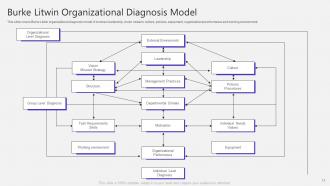
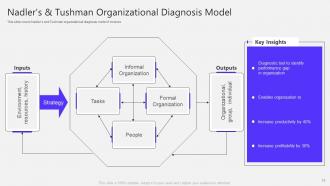
Go with McKinsey 7S or Burke-Litwin - they're solid for org diagnosis. 7S covers strategy, structure, systems, skills, staff, style, and shared values. Burke-Litwin's better if you need cause-and-effect stuff between performance drivers. Most consultants make this way too complicated though. SWOT or Nadler-Tushman work great for quick assessments. Just pick whatever fits your timeline and complexity needs. Oh, and don't just send out surveys - actually do structured interviews and collect real data. I've seen too many half-assed assessments that miss the real issues because people took shortcuts.
Don't treat culture as this separate thing - weave it right into your regular diagnostic work. Ask culture-specific questions alongside your normal org health surveys. During interviews and focus groups, actually watch what's happening, not just what people tell you. Here's the thing though - culture really is like that fish in water metaphor, sounds cheesy but it's true! Map those cultural patterns against performance data so you can catch the disconnects. The magic happens when you compare what people say the culture is versus what you're seeing them actually do. Way better insights that way.
Honestly, I'd probably start with one-on-one interviews - people are way more honest when it's just you two. Focus groups can be goldmines if you get a good facilitator, but there's always that one person who talks nonstop, you know? Observation is super underrated too. Just sit in on meetings and watch the team dynamics unfold. Oh, and don't overlook stuff you already have lying around - exit interview notes, survey comments, feedback from those skip-level chats. Sometimes the best insights are hiding in plain sight.
You can't just rely on surveys or what leadership tells you - that's like judging a movie from its trailer. Mix up your data sources. Get quantitative stuff but also talk to people across different departments and levels. Honestly, bringing in someone from outside helps tons since internal teams miss obvious things or get caught up in office politics. I'd map out who you haven't spoken with yet - that's usually revealing. Cross-check everything by comparing what different groups tell you. Test your assumptions with various stakeholders before drawing conclusions.
Honestly, the worst thing you can do is rush straight to fixing stuff before you actually get what's broken. I see people do this constantly and it drives me crazy. Also, don't just chat with the big bosses - they're usually clueless about day-to-day reality. Surveys are fine but you need way more than that. Oh, and here's the thing that really matters: don't let office politics mess with your findings. If something's uncomfortable to report, report it anyway. Keep your analysis separate from your solutions, and actually listen instead of just hunting for data that backs up what you already believe.
Look, most companies do this once a year, but it really depends on how crazy your industry is. Tech and healthcare? You'll probably want to check every 6-9 months because everything changes overnight. More stable stuff can wait 18 months, maybe longer. Honestly though, the formal assessment isn't the main thing - you should be doing quick pulse checks every quarter anyway. Don't let problems sit there and get worse. Think about your last big change at work... I bet you knew something felt wrong way before anyone actually dealt with it, right?
Your org structure either helps performance or kills it - diagnosis shows you which. Map how work actually flows and where it gets stuck. Good alignment makes decisions faster and clearer. Bad alignment? Total nightmare of bottlenecks and confusion (trust me on this one). Don't just look at the org chart though - that thing's usually fiction. Check how people really communicate, who actually makes decisions, and those reporting lines. Oh, and focus on stuff you can actually change. Those patterns will show you the biggest performance hits worth fixing.
Honestly, tech makes organizational diagnosis way less painful. Survey tools are a game-changer for getting employee feedback fast - I'd start there. Analytics can spot patterns you'd never catch manually, and dashboards show you what's happening in real time instead of relying on those ancient monthly reports everyone ignores. AI's pretty solid at finding blind spots too. Just don't go crazy buying everything at once. Pick one survey platform that plays nice with your current systems and add more tools later. Otherwise you'll end up with a bigger mess than you started with.
Okay so you definitely need to measure the obvious stuff - productivity, turnover, customer scores, revenue changes. But honestly, the soft metrics matter just as much. Employee engagement surveys tell you if people actually like the changes or just tolerate them. Track how fast decisions get made too, since that usually improves when org changes work well. Oh, and see if new processes stick or if everyone reverts back to old habits. My advice? Get baseline numbers first, then check progress at 30, 60, 90 days. Makes it way easier to catch problems early.
External pressures are massive for organizational diagnosis - they force companies to actually look at how they're really operating. When the market shifts or new regulations hit, suddenly you can see the gaps between where you are and where you need to be. Remote work was perfect for this - it instantly showed which companies had their tech together vs. the ones still living in the stone age. These pressures expose misaligned processes and outdated skills that would otherwise stay buried. Honestly, I'd always start mapping external pressures first before diving into internal stuff.
Honestly, you've gotta mix it up to get people actually engaged. Try surveys for quick input, then do focus groups when you need deeper stuff. Anonymous feedback is gold - people will tell you what they really think when they can't get in trouble for it. Don't forget one-on-ones with your key people either. The biggest thing though? Tell them upfront how you'll use their feedback. Nobody wants to waste time on something that'll just sit in a drawer somewhere. Oh, and definitely follow up after - show them what changed because of what they said. Some people hate surveys but love talking, so give them options.
Okay so basically those diagnosis findings are like your roadmap for what comes next. You'll see what's actually broken vs what's working fine before jumping into new goals. Kind of like getting bloodwork done before starting a crazy workout routine, if that makes sense? Look for gaps in what people can actually do, spot any cultural weirdness that might tank your projects, and figure out which teams aren't already drowning. Honestly, this part saves you from setting impossible deadlines later. Just map your biggest findings against whatever you're thinking strategy-wise and see where the real opportunities pop up.
-
You guys are life-saver when it comes to presentations. Honestly I cannot do much without your services. Thank you!!!
-
Commendable slides with attractive designs. Extremely pleased with the fact that they are easy to modify. Great work!