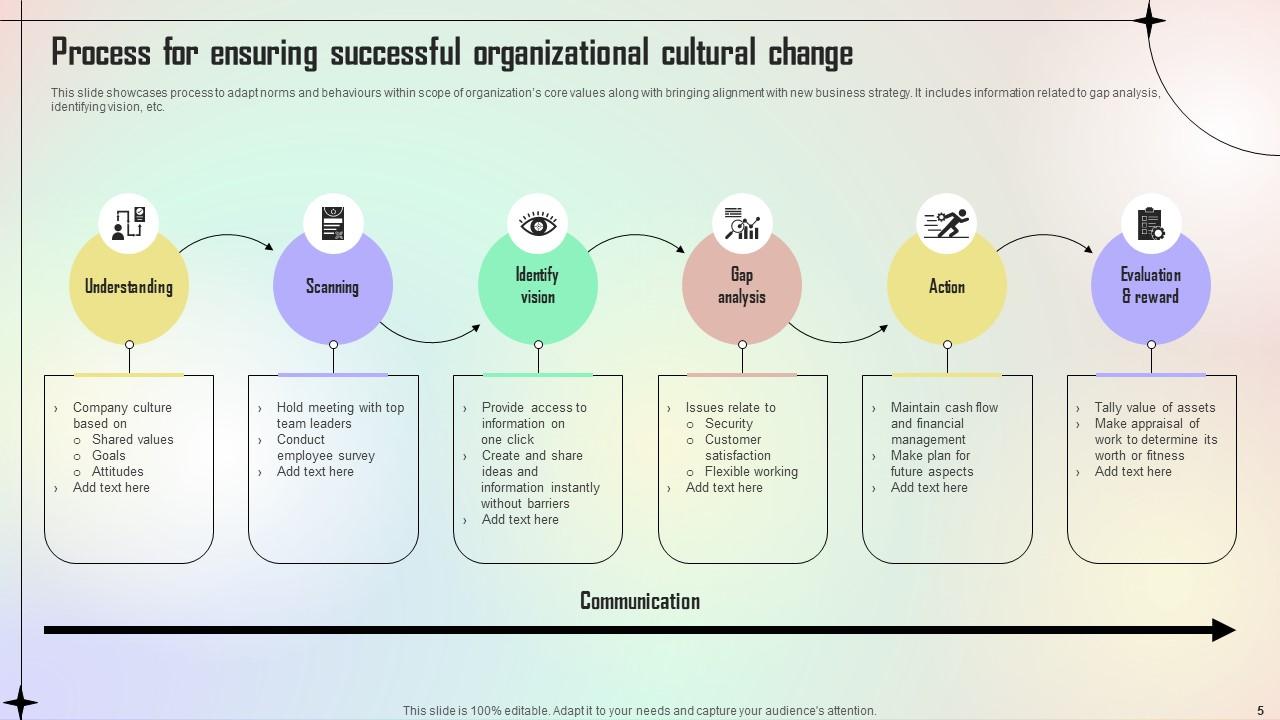
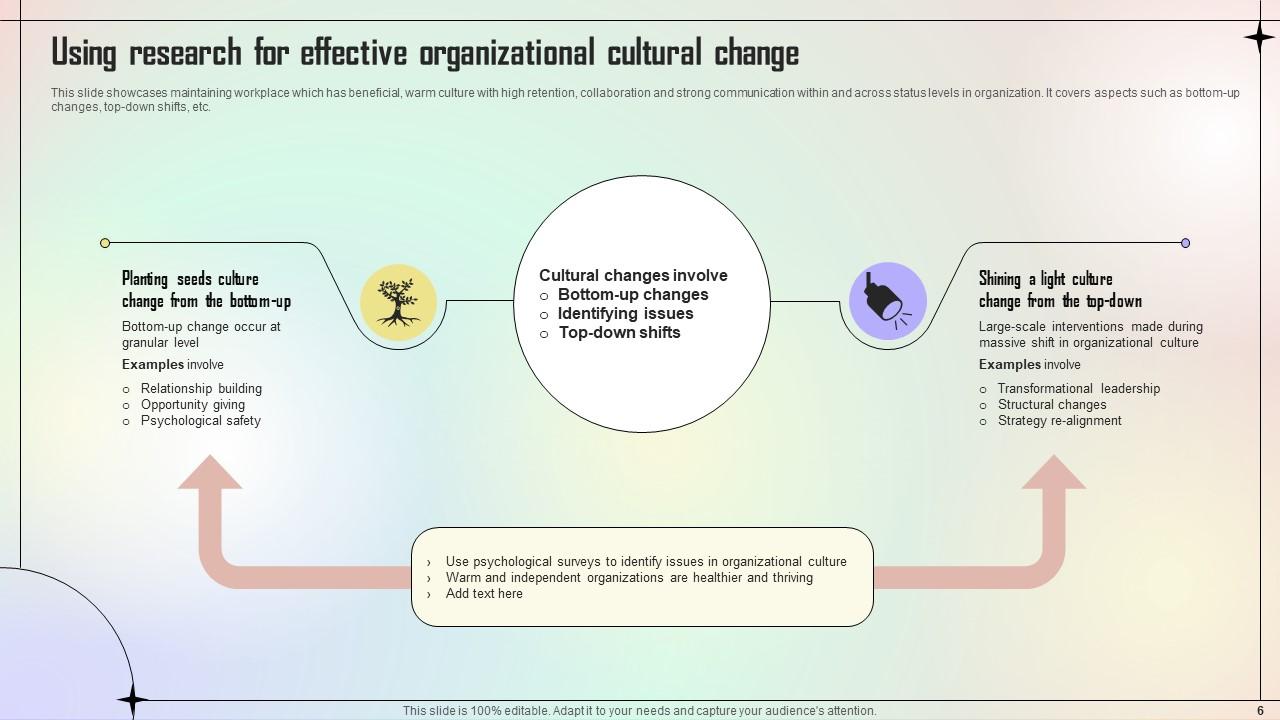
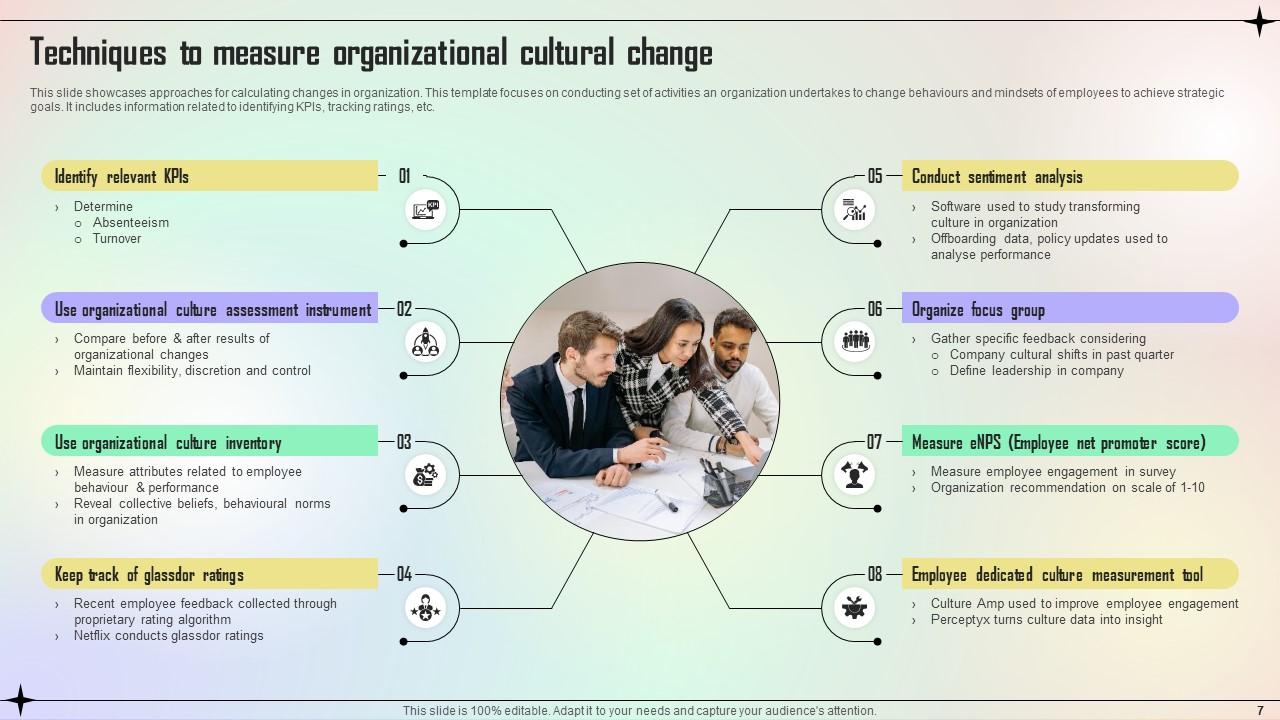
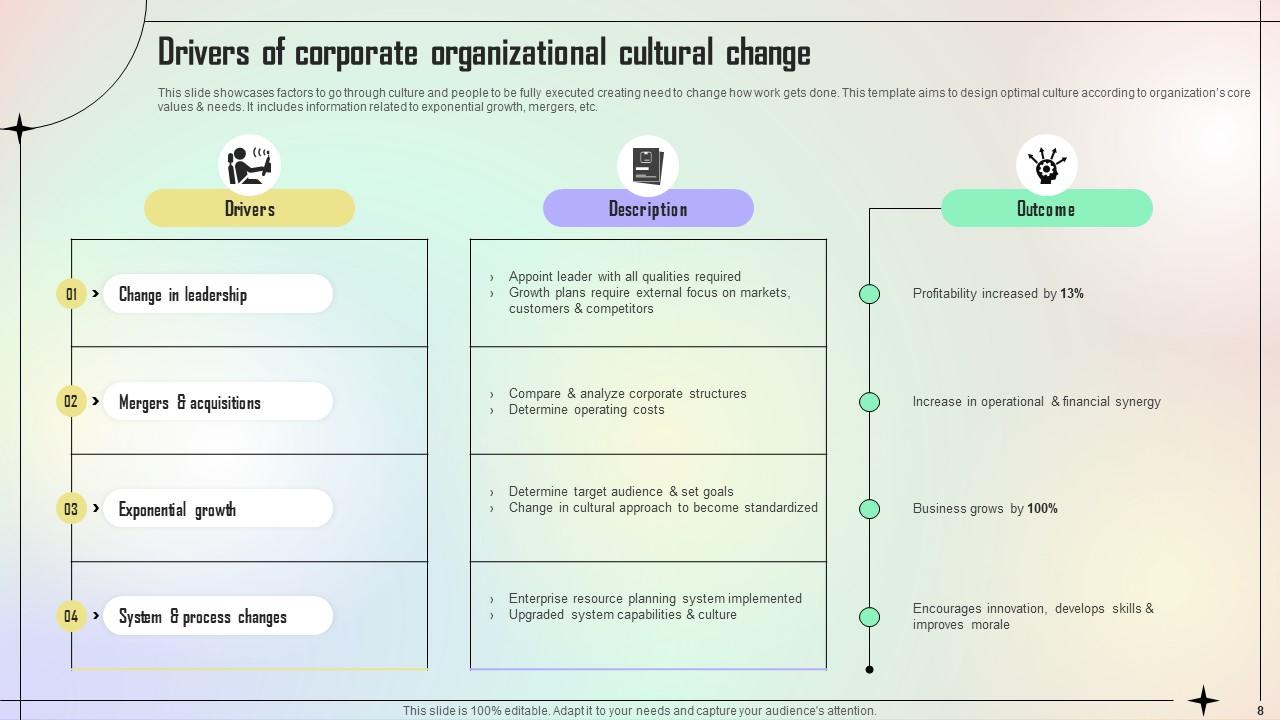
Organizational Cultural Change Powerpoint Ppt Template Bundles
Try Before you Buy Download Free Sample Product
Audience
Editable
of Time
Our Organizational Cultural Change Powerpoint Ppt Template Bundles are topically designed to provide an attractive backdrop to any subject. Use them to look like a presentation pro.
People who downloaded this PowerPoint presentation also viewed the following :
Organizational Cultural Change Powerpoint Ppt Template Bundles with all 23 slides:
Use our Organizational Cultural Change Powerpoint Ppt Template Bundles to effectively help you save your valuable time. They are readymade to fit into any presentation structure.
FAQs for Organizational Cultural Change Powerpoint
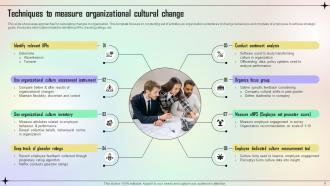
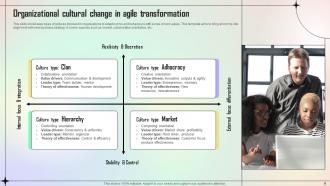
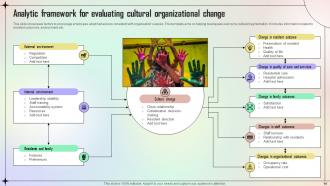
Organizational culture is defined by shared values, beliefs, behaviors, communication patterns, leadership styles, decision-making processes, and employee interactions that shape daily operations. These elements can be assessed through employee surveys, behavioral observations, leadership interviews, policy analysis, and cultural audits, with many organizations finding that combining multiple assessment methods delivers comprehensive insights into cultural strengths and transformation opportunities.
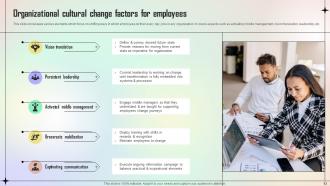
Leaders can best communicate cultural change by clearly articulating the business rationale, involving employees in the vision-setting process, and demonstrating personal commitment through consistent actions and transparent dialogue. Through regular town halls, cross-functional workshops, and one-on-one conversations, organizations streamline buy-in while addressing concerns proactively, with many companies finding that early employee involvement and authentic leadership communication ultimately delivers smoother transitions and stronger cultural adoption.
Employee engagement and involvement serve as critical catalysts for organizational cultural change, driving ownership, reducing resistance, and accelerating adoption through active participation, feedback integration, and collaborative decision-making. When employees feel heard and valued throughout transformation processes, organizations experience higher success rates, improved morale, and sustainable cultural shifts, with many companies finding that engaged teams become powerful change ambassadors who naturally reinforce new behaviors.
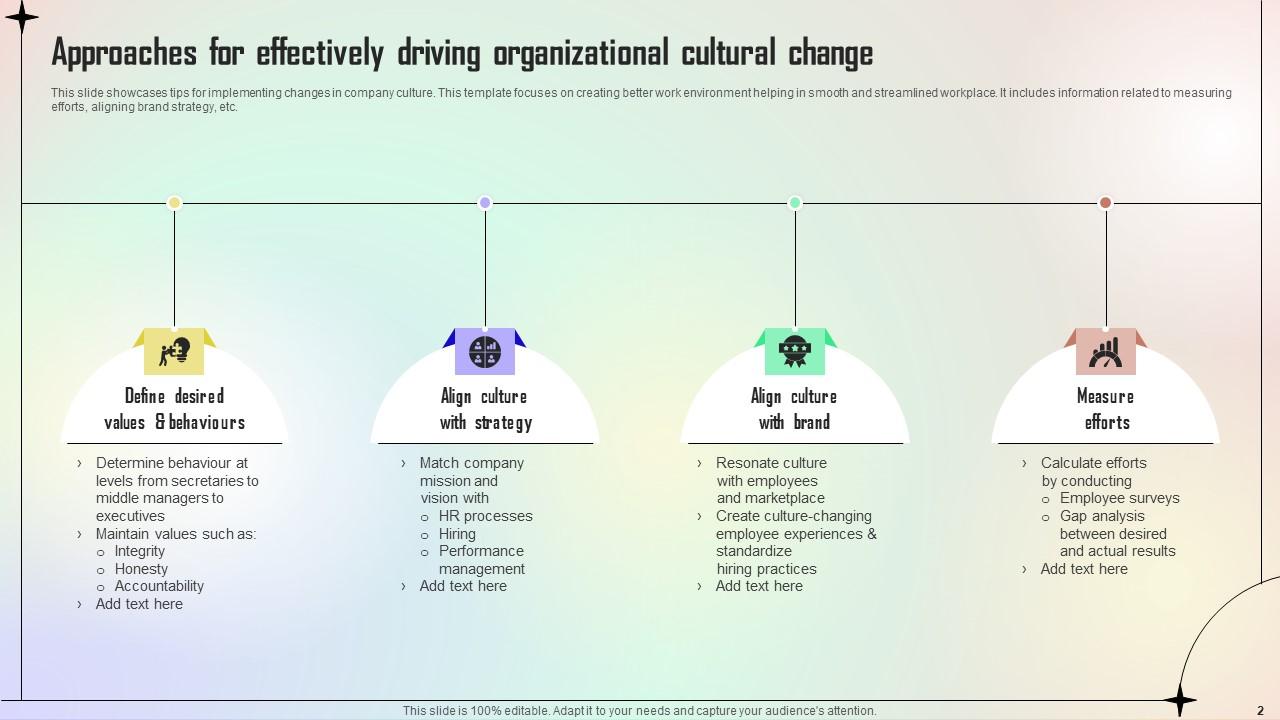
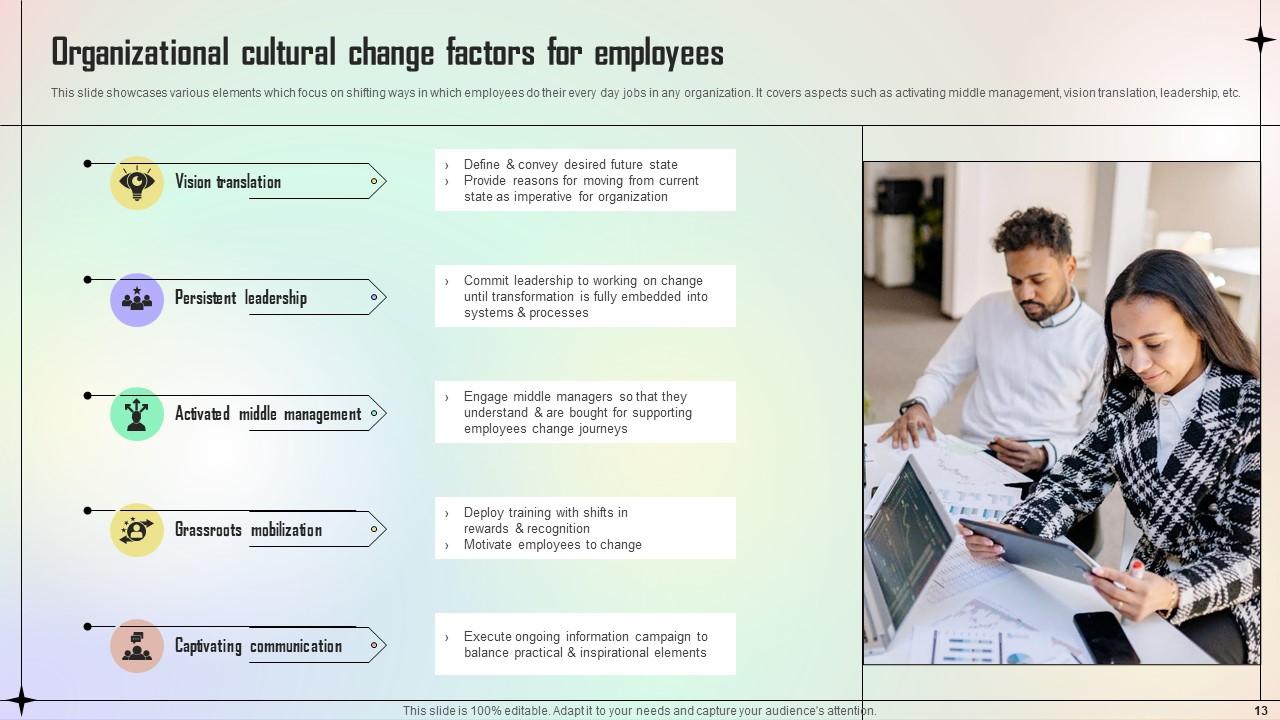
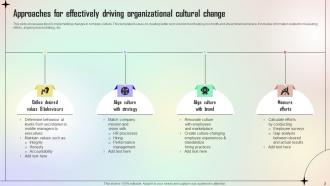
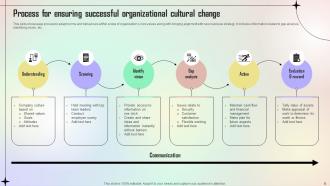
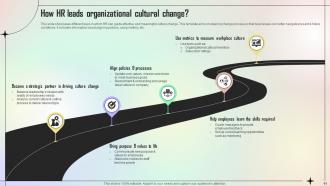
Effective strategies include leadership modeling, employee engagement initiatives, communication transparency, performance system alignment, and continuous feedback mechanisms. These approaches streamline cultural transformation by embedding new values into daily operations, reward structures, and decision-making processes, with many organizations finding that consistent leadership behavior and clear communication ultimately deliver sustainable change and enhanced organizational cohesion.
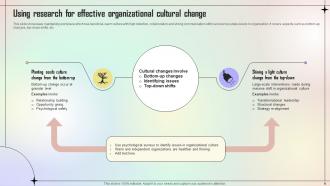
Organizations measure cultural change impact through employee engagement surveys, performance metrics analysis, retention rates, productivity indicators, and customer satisfaction scores. These measurement approaches enable companies to track cultural transformation by monitoring communication effectiveness, collaboration levels, and innovation outcomes, with many finding that systematic assessment ultimately delivers improved employee satisfaction, enhanced operational efficiency, and sustainable competitive advantage.
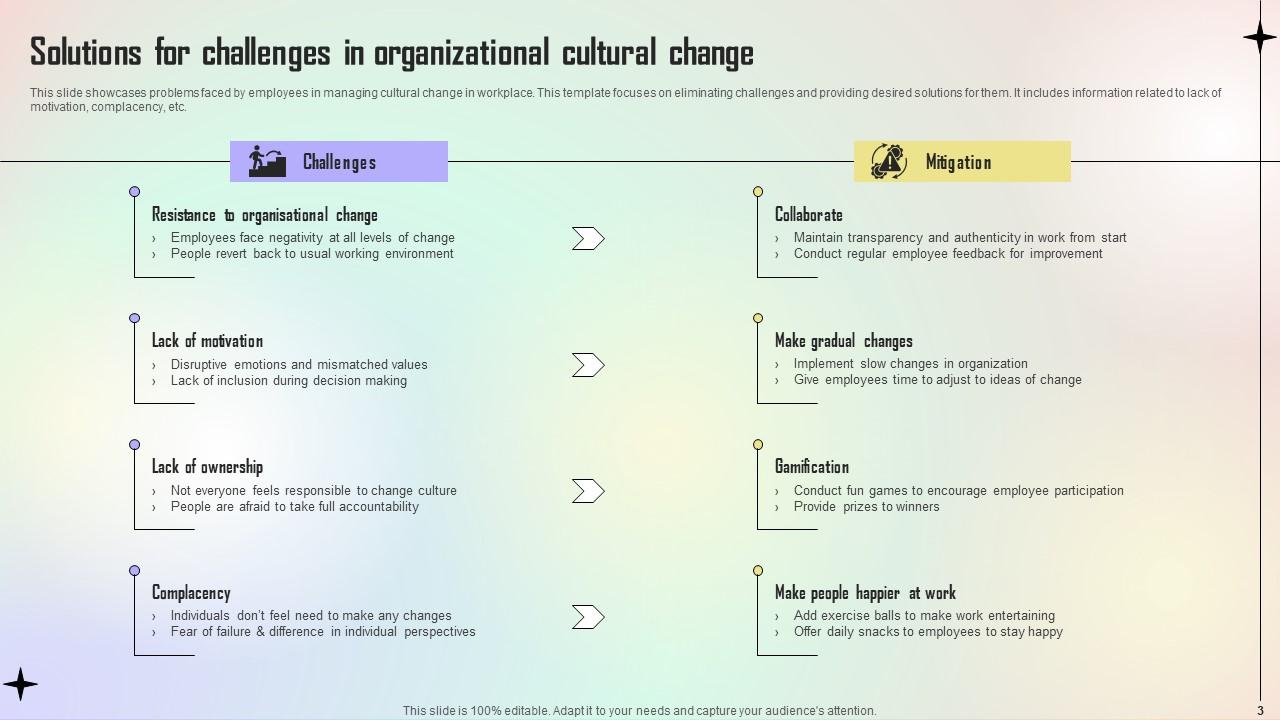
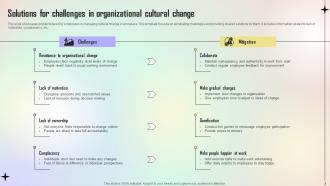
Common obstacles during cultural transformation include employee resistance to change, lack of leadership alignment, insufficient communication, deeply ingrained legacy practices, and inadequate resource allocation for transformation initiatives. These challenges can be overcome by establishing clear vision communication, securing visible leadership commitment, implementing gradual phased approaches, and creating feedback mechanisms, with many organizations finding that consistent reinforcement and employee engagement ultimately deliver sustainable cultural shifts and improved organizational performance.
Storytelling reinforces new organizational culture by creating emotional connections to desired values, making abstract concepts relatable through real employee experiences, and providing memorable examples of expected behaviors. Through consistent narrative sharing across meetings, communications, and leadership interactions, organizations enable cultural messages to resonate deeply, ultimately transforming mindsets while building collective understanding of the cultural transformation journey.
Sustainable cultural change requires consistent leadership commitment, embedding new values into hiring and performance systems, continuous communication reinforcement, and regular progress measurement through employee feedback surveys. Organizations achieve lasting transformation by celebrating behavioral wins, addressing resistance promptly, and integrating cultural metrics into strategic planning, with many finding that sustained focus over 3-5 years ultimately delivers competitive advantage.
Organizations can prioritize diversity and inclusion during cultural change by establishing inclusive leadership teams, implementing bias-free hiring practices, creating employee resource groups, conducting regular equity audits, and integrating D&I metrics into performance evaluations. These strategic approaches streamline organizational transformation while enhancing employee engagement, reducing turnover costs, and improving decision-making capabilities, with many companies finding that diverse teams deliver significantly higher innovation rates and competitive market advantage.
Technology accelerates cultural change by enabling remote collaboration, streamlining communication processes, and providing data-driven insights into employee behaviors and engagement patterns. Through digital platforms and analytics tools, organizations enhance transparency, foster innovation, and create more inclusive work environments, with many companies finding that technology integration ultimately delivers faster adaptation and stronger competitive positioning.
Training and development programs support cultural change by aligning learning objectives with desired behaviors, incorporating experiential learning methods, and reinforcing new values through ongoing coaching and feedback mechanisms. Organizations across sectors like healthcare and financial services find that customized workshops, peer learning circles, and leadership development tracks accelerate cultural transformation while building employee engagement and sustainable behavioral shifts.
Best practices for involving middle management in cultural change include providing comprehensive change leadership training, establishing clear communication channels between senior leadership and frontline employees, creating middle manager ambassador programs, and offering dedicated support resources throughout the transition. These approaches enhance organizational alignment by empowering middle managers as change champions, facilitating smoother information flow, and building necessary skills, with many companies finding that engaged middle management accelerates cultural transformation while reducing resistance across all organizational levels.
**INPUT**: How can feedback mechanisms be established to continuously improve upon cultural changes? **OUTPUT**: Effective feedback mechanisms include regular employee surveys, focus groups, cultural assessment tools, leadership check-ins, and anonymous reporting systems that track behavioral shifts and engagement levels. These approaches enable organizations to monitor progress by identifying resistance patterns, celebrating adoption successes, and adjusting strategies accordingly, with many companies finding that continuous feedback loops accelerate cultural transformation while ensuring sustainable change across all organizational levels. [Word count: 60 words]
Recognition and reward systems serve as powerful reinforcement mechanisms that align employee behaviors with desired cultural values, establish clear performance expectations, and demonstrate leadership commitment to change. These systems accelerate cultural transformation by celebrating new behaviors, motivating widespread adoption across teams, and creating accountability structures, with many organizations finding that strategic recognition programs significantly reduce resistance while enhancing engagement and retention.
Cultural change can be integrated into strategic planning by embedding cultural objectives into business goals, aligning leadership behaviors with desired values, and establishing cultural metrics alongside financial KPIs. Organizations increasingly treat culture as a strategic asset, with companies like Microsoft and IBM successfully linking cultural transformation to operational excellence, innovation capacity, and competitive advantage in evolving markets.
-
The templates you provide are great! They have saved me tons of time and made my presentations come alive. Thank you for this awesome product. Keep up the good work!
-
Templates are beautiful and easy to use. An amateur can also create a presentation using these slides. It is amazing.