Data Collection PowerPoint PPT Template Bundles
Try Before you Buy Download Free Sample Product
Audience
Editable
of Time
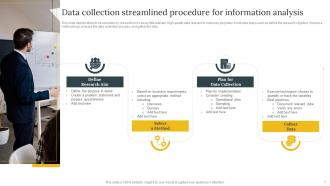
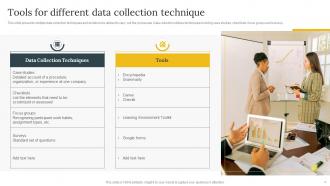
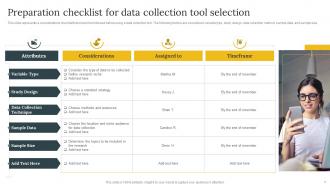
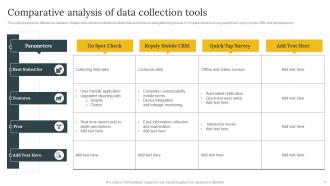
Our Data Collection PowerPoint PPT Template Bundles are topically designed to provide an attractive backdrop to any subject. Use them to look like a presentation pro.
People who downloaded this PowerPoint presentation also viewed the following :
Data Collection PowerPoint PPT Template Bundles with all 22 slides:
Use our Data Collection PowerPoint PPT Template Bundles to effectively help you save your valuable time. They are readymade to fit into any presentation structure.
FAQs for Data Collection PowerPoint
So you've got four main ways to collect qualitative data. Interviews are your go-to - you can really dig into what people think and feel. Focus groups let you watch how ideas bounce around between participants, but honestly they can turn into a mess pretty quickly. There's also participant observation where you're basically watching people do their thing in real life. Document analysis is just reviewing stuff that already exists - reports, social media, whatever. Pick based on your research question and what kind of detailed info you need.
Survey design is literally everything when it comes to getting decent data. Bad wording confuses people, biased questions mess up your results, and if you put questions in the wrong order you'll prime people's answers. I watched one survey completely fail because they stuck the main question at the very end - people were already mentally done by then. Response options are huge too. When scales are confusing or you're missing obvious choices, respondents just start picking whatever. Oh, and test it first! Get a few people to actually take it while you watch.
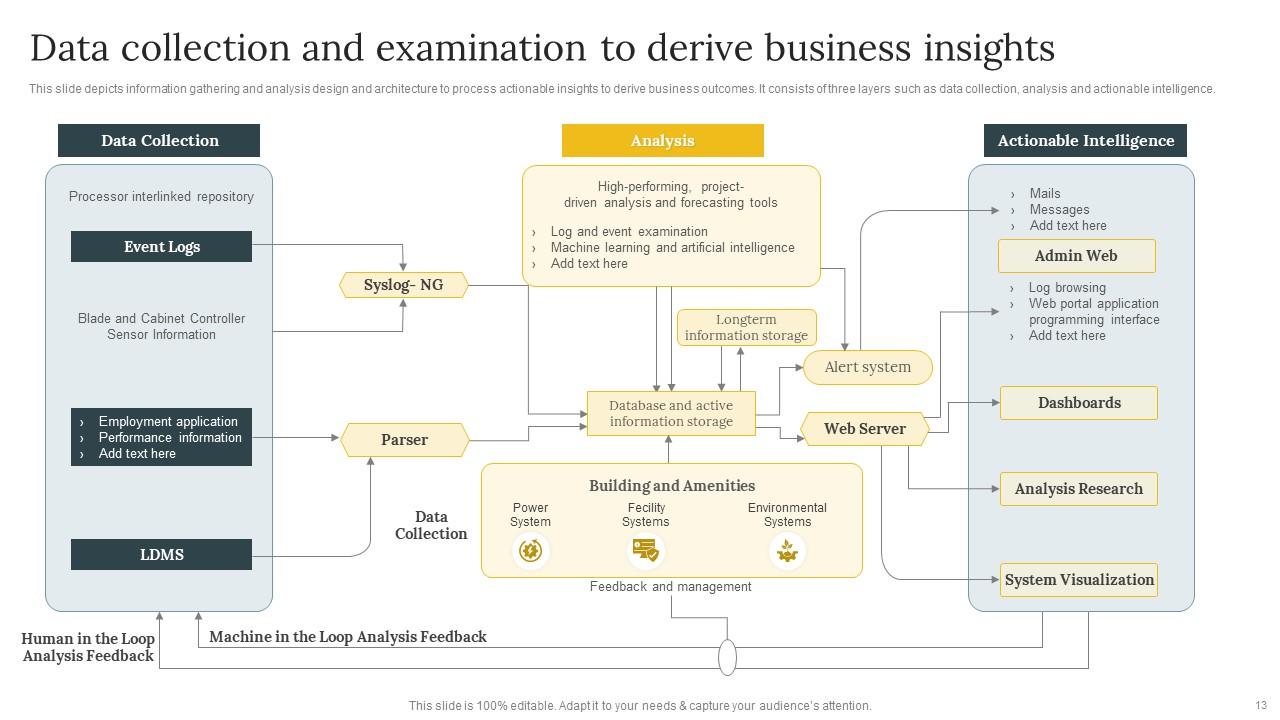
Dude, data collection is totally different now thanks to tech. APIs, sensors, web scraping - all that stuff pulls in tons of info automatically instead of you having to do it by hand. IoT devices are literally everywhere grabbing real-time data (my smart thermostat probably knows more about my schedule than I do lol). Cloud storage means you can process everything instantly too. The biggest shift? Continuous collection beats doing everything in batches. Set up automated systems that just run in the background. Way more efficient than the old manual approach.
So data ethics pretty much touches everything you do. Get people's consent first - don't just grab their info. Be upfront about your plans for it too. GDPR might seem like a pain but honestly it's protecting people from sketchy data practices. Only collect what you actually need, not everything you *could* get. I always think about whether I'd be cool with someone collecting that same stuff about me. Privacy laws aren't just legal hoops to jump through either. Build your whole process around respecting people's autonomy from day one.
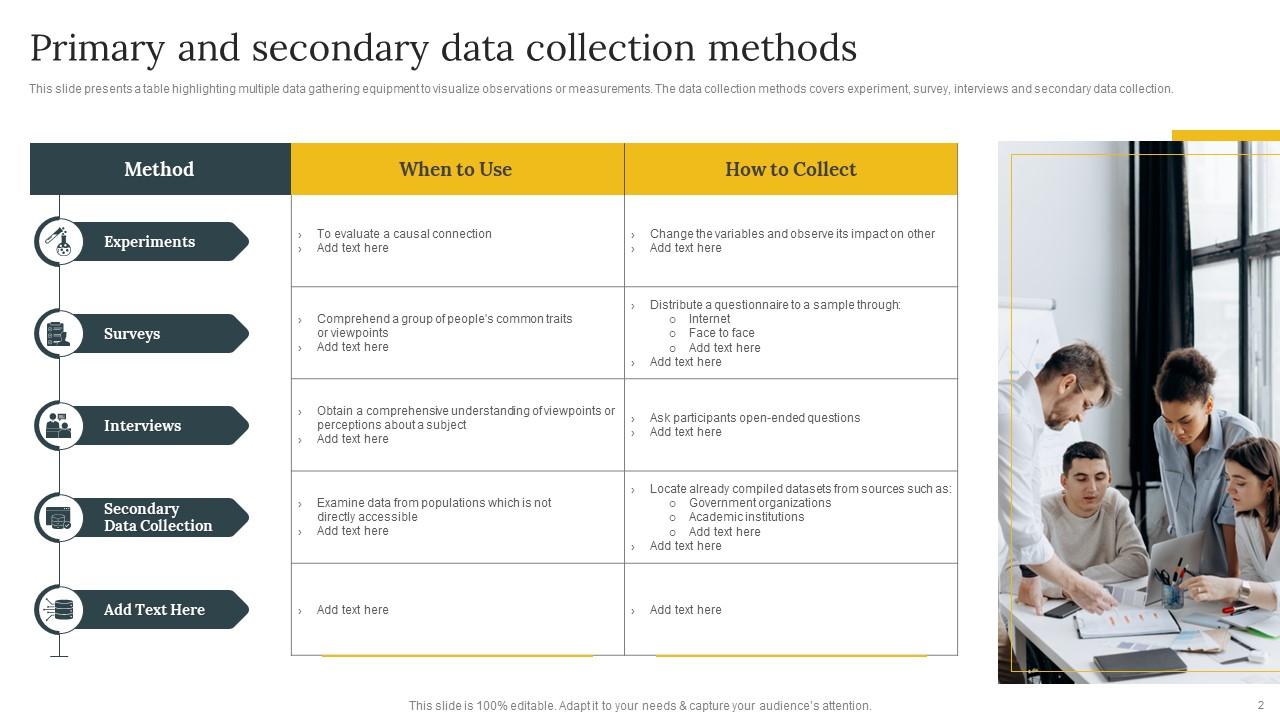
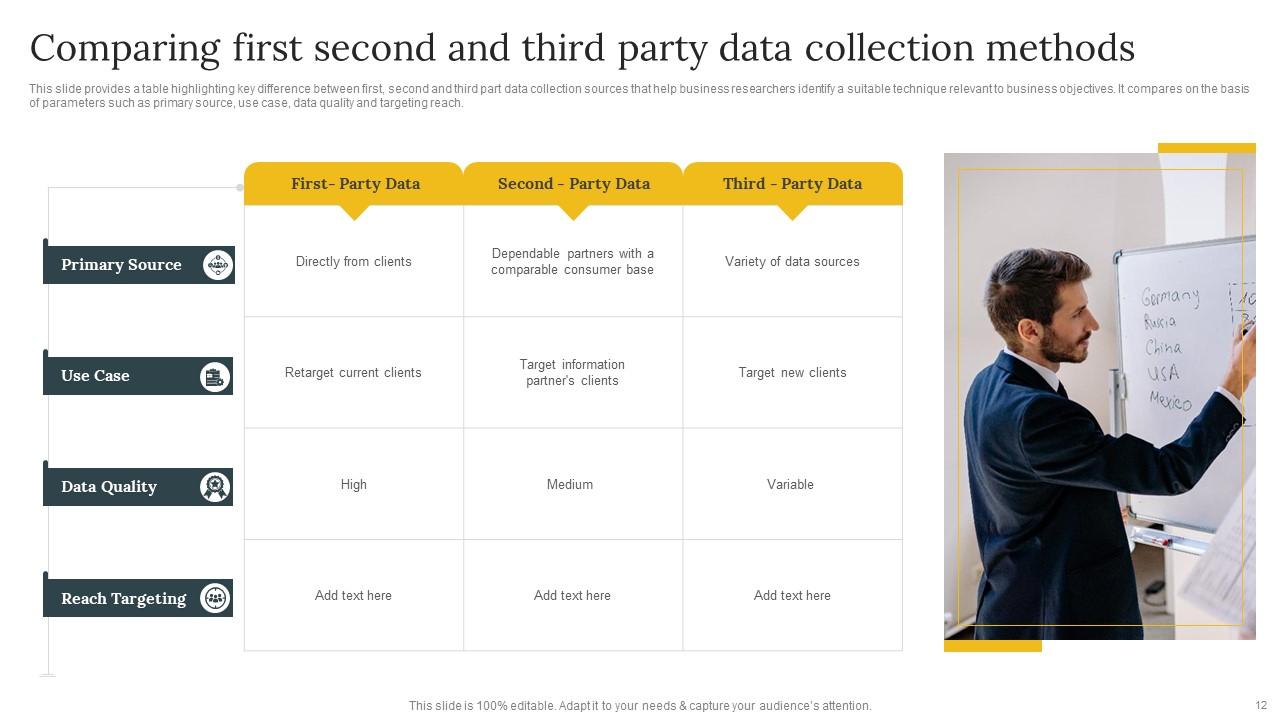
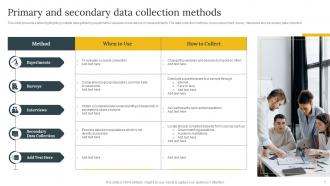
So primary data is when you collect info yourself - surveys, interviews, that kind of thing. Secondary data? That's stuff other people already gathered, like government stats or published research. Primary gets you exactly what you want but honestly, it's such a pain and costs way more. Secondary is quick and cheap but sometimes doesn't quite match what you're looking for. Most people end up doing both. I'd start with secondary data to get the big picture, then do your own research to fill in whatever's missing. Way more efficient that way.
Dude, big data basically lets you process tons more info from way more places at once. You're not stuck with just surveys anymore - social media, transaction data, sensors, web clicks, whatever. Honestly it's kind of overwhelming how many sources there are now. But here's the cool part: you get answers instantly instead of waiting forever for results. You'll catch patterns you'd never spot otherwise. My advice? Don't go crazy right away. Just pick one new data source to add to what you're already doing and see what pops up.
Honestly, just be super upfront about what you're collecting and why - people hate feeling tricked. Only grab data you actually need (I've seen so many surveys that ask everything under the sun for no reason). Anonymize whatever you can, and if you can't, lock that stuff down tight. Document everything as you go because trying to remember your methods later is a nightmare. Keep surveys short or people will bail halfway through. If it's long-term research, check in with participants regularly and make it stupid easy for them to drop out if they want.
Dude, your data collection method basically determines everything you'll find out. Bad survey design? You're getting garbage responses that mess up your whole analysis. I've watched so many projects crash because of this exact thing - like the research question was great but they picked the wrong approach. Online stuff cuts out certain groups, interviews give you way more depth than surveys ever will. Thing is, whatever limitations your tools have become your study's limitations too. So figure out what insights you actually need first, then work backwards from there to pick something that'll capture good data.
Ugh, honestly the hardest parts are gonna be language barriers and just getting people to trust you. So many communities have been burned by researchers before - totally understandable why they'd be skeptical. Your usual recruitment tricks probably won't work either since you'll miss people who aren't chronically online or don't deal with institutions. What works for one group might be super offensive to another too. I'd say start by partnering with local orgs way before you need data. Maybe get your team some cultural training? Oh and definitely pad your timeline - relationship building takes forever but it's worth it.
Honestly, you've got to catch mistakes while you're collecting, not after. Set up validation rules in your forms and do double-entry for the really important stuff. Train your team properly first - seriously, I've watched entire studies crash because people entered data differently. Pilot test everything beforehand to find confusing questions or tech issues. Do random spot checks as you go instead of waiting until the end when you're screwed. Multiple checkpoints are your friend here. Way easier to fix problems early than after you've got thousands of messy data points.
Your sample size basically determines if your results actually mean something or if you're just looking at random noise. Go too small and you'll miss real patterns - your stats won't have enough punch. But honestly, going overboard is just burning money for no good reason. What you want is enough data to catch meaningful differences without breaking the bank. I'd definitely run a power analysis first to figure out your minimum number, then bump it up a bit since people always drop out. It's one of those things where the math actually helps you avoid headaches later.
Oh man, this stuff is so tricky! Different cultures have totally different comfort levels with sharing personal info or even doing surveys at all. Some people will just tell you what they think you want to hear to be polite, while others are super direct about everything. Response rates vary like crazy too - what works in one place bombs somewhere else. I learned this the hard way when I first started doing research honestly. Also, communication styles matter way more than you'd think. Definitely test your approach with some local experts first before you roll anything out officially.
Oh man, those laws totally flipped everything upside down! Now you can't just grab whatever data you want - people have to actually say yes first, and they can demand you delete their stuff whenever. Wild how we used to just collect everything, right? You've got to tell people exactly what you're taking and why. Plus the whole security thing is way more serious now. Honestly, I'd start by looking at what you're already doing and see what needs fixing. Going forward, just bake privacy into everything from day one. Way easier than scrambling later.
So longitudinal studies follow the same people over years - like tracking your high school class for two decades. Cross-sectional is more like surveying random 18, 28, and 38-year-olds today. Longitudinal shows you real change but takes forever. People drop out too, which is honestly super annoying. Cross-sectional? Quick and cheap, but you're comparing totally different groups. Go longitudinal when you actually need to see how individuals change over time. Yeah, it's a pain, but you'll get way better insights about what causes what.
Honestly, there's some pretty cool stuff happening with data collection right now. Behavioral analytics tracks what users actually do in real-time, which beats surveys any day. IoT sensors grab environmental data automatically - no human input needed. Social listening tools dig through conversations across different platforms for insights. Computer vision analyzes images and videos way better than we ever could manually. There's also synthetic data generation when you need datasets but can't use real data for privacy reasons (that one's kinda mind-blowing). Just pick what actually fits your goals instead of whatever's trendy.
-
I am so thankful for all of the templates I've found on your site. They have saved me hours every week and helped make my presentations come alive. Keep up with these amazing product releases!Â
-
SlideTeam is a great place for PPT templates. They have many templates on a single topic. It has made my life a lot easier.