


Personal Development Plan Powerpoint Ppt Template Bundles




Try Before you Buy Download Free Sample Product
 Impress Your
 Audience
 100%
100% Editable
 Save Hours
 of Time


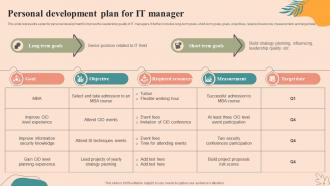
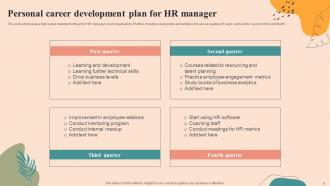
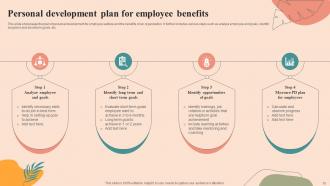
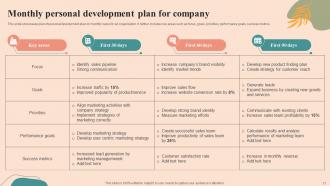
Introducing our comprehensive Personal Development Plan PowerPoint PPT presentation, a powerful tool designed to empower individuals on their journey towards personal and professional growth. This engaging PPT provides a step by step guide to creating a tailored Individual Development Plan, enabling users to map out their aspirations and ambitions effectively. Whether its crafting a robust Self Improvement Plan, strategizing a Career Development Plan, or setting objectives for a Personal Achievement Plan, our PPT equips users with the knowledge and tools needed to reach their full potential. Dive into a world of self discovery and unleash your capabilities with this transformative Personal Growth Plan. Take charge of your future and start your personal development journey now.
People who downloaded this PowerPoint presentation also viewed the following :
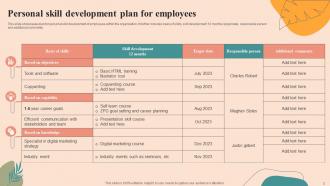
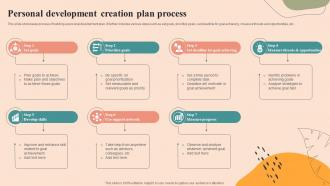
Personal Development Plan Powerpoint Ppt Template Bundles with all 25 slides:
Use our Personal Development Plan Powerpoint Ppt Template Bundles to effectively help you save your valuable time. They are readymade to fit into any presentation structure.









FAQs for Personal Development Plan Powerpoint
Honestly, start with just 2-3 things you want to work on - don't go crazy trying to fix everything at once. Figure out what you're already good at and where you're lacking, then set goals that actually mean something for your career or whatever. The timeline thing is huge (I'm terrible at this) because otherwise you end up with those "someday I'll learn Spanish" goals that never happen. Write down specific steps and when you'll check your progress. Oh, and make sure your goals are measurable - like "improve presentation skills" is too vague, but "give one presentation per month" works.
SMART goals are honestly a game changer for actually getting stuff done. You know how we always say "I want to get better at networking" then never do anything about it? With SMART goals you'd have to be specific - like "attend two industry events this month and connect with five new people." The deadline thing really works for me because otherwise I just... don't. It's way easier to track if you're making progress too. Oh and you can actually celebrate when you hit milestones instead of feeling like you're wandering around aimlessly. Pick something you've been putting off and try writing it out - you'll see what I mean.
Honestly, self-assessment tools are so much better than just winging it and hoping for the best. You get actual data about your strengths and weak spots instead of guessing. 360 reviews can be brutal but they'll show you stuff you're totally blind to. The trick is finding assessments that actually match what you want to do career-wise - don't waste time on random personality quizzes that tell you you're a "blue" or whatever. Pick one solid tool first. Use what you learn to figure out your next move. Way more targeted that way.
Honestly, I learned this the hard way - trying to improve everything at once is a recipe for burnout. Break your goals into three piles: stuff you desperately need for work right now, medium-term growth things, and the "would be cool to learn someday" bucket. Pick maybe 2-3 max from that first pile. Be real about your schedule too - if you're already drowning, don't sign up for some intensive course. Write down why each goal actually matters to you, then just rank them. I'd start with whatever's gonna make your current job less painful. That usually gives you the most momentum to tackle other stuff later.
Honestly, time management makes or breaks personal development. Your good intentions mean nothing if you don't actually carve out time for them. I used to be terrible at this - always saying I'd "get to it later" but never did. What changed everything was treating development like real appointments. Block out 15-30 minutes daily instead of waiting for some magical free weekend (spoiler: it never comes). Short consistent sessions beat those exhausting 3-hour cramming attempts anyway. Pick one thing you want to work on this week and literally put it in your calendar. Then don't let anything else steal that time.
Honestly, you've gotta break those big goals down into bite-sized pieces with actual deadlines. Like instead of "become a better leader," try "read 2 leadership books by March." Way more concrete. I track both the obvious stuff - courses finished, feedback scores - and the fuzzy things too, like how confident I'm feeling or if my work relationships are getting better. Spreadsheets work for me (I know, I know, super exciting), but whatever system you'll actually stick with is fine. The real trick? Schedule monthly check-ins and don't skip them. Set that calendar reminder now before you forget!
Honestly, it's all about building up your resilience bit by bit instead of trying to be perfect. Hit a wall? Step back and figure out what's actually going wrong rather than just giving up completely. Those huge problems become way less scary when you chop them into smaller chunks - trust me on this one. Getting an accountability buddy or mentor is clutch too. They'll call you out when you're spiraling. Oh, and here's something that really helped me: treat your failures like learning moments instead of... well, failures. Keep notes on what's working and what isn't, then tweak your approach. Small consistent moves beat big dramatic gestures every time.
Honestly, mentors are game-changers because they've already made the mistakes you're about to make. They'll spot your blind spots way faster than you will and help you set smarter goals. The accountability factor is huge too - knowing someone's gonna ask about your progress makes you actually do the work. I mean, we all need that external push sometimes, right? Find someone who's where you want to be career-wise. Then be super clear about what specific help you need from them. Don't just ask for "general advice" - that's useless for everyone involved.
Oh yeah, definitely treat your development plan like it's flexible! Life changes and so should your goals. I started mine super focused on coding skills but then realized I actually needed to work on presenting better - happens all the time. You can tweak timelines if you're moving faster or slower than expected, swap out learning methods that aren't clicking, or completely shift direction when cool opportunities pop up. Honestly, I think reviewing it every few months is clutch. Just be real about what's actually helping you grow vs what you thought sounded good on paper.
Honestly, break those big goals down into tiny wins you can hit weekly or even daily. I learned this the hard way after setting these ridiculous 6-month targets that made me want to quit by week 3. Find your deeper "why" too - like how will this skill actually improve your regular life? Visual tracking helps a ton, whether it's a basic checklist or some app. Share your goal with someone who'll bug you about it (accountability works). Oh, and pick literally one small thing you can do this week toward your main goal. Starting somewhere beats overthinking it.
So many options honestly! Coursera and LinkedIn Learning are solid for online courses. Books and podcasts work too. Your company probably has mentorship stuff through HR that people forget about. I literally learned more from random YouTube videos than some pricey course I took last year lol. Apps like Todoist help with tracking goals, or just use a basic spreadsheet. Ask your manager about development budgets - most have them but don't advertise it. Pick one thing you want to work on first though. Don't go crazy trying everything at once.
Look at job postings you want and see what skills pop up repeatedly - that's your roadmap right there. Focus on leadership stuff like communication and team management if you're gunning for those roles. Technical skills matter too, but honestly, soft skills will get you further up the ladder. Map everything back to specific gaps you need to fill. Every course or project should connect to your 2-3 year plan somehow. I'd check in quarterly to see how you're doing and tweak things. The whole point is being deliberate about it instead of just randomly taking whatever training comes up.
Look, continuous learning is what keeps you moving forward instead of staying stuck. Your brain literally rewires itself when you pick up new skills or perspectives - it's wild how that works. Think compound interest but for your abilities. The more you learn, the better you get at connecting dots and solving problems. Honestly, I think most people overthink this stuff though. Just start with like 15 minutes a day - podcasts, articles, whatever. It adds up crazy fast. You don't need some elaborate plan or anything.
Okay so here's the thing - don't try to fix everything at once because you'll just burn out. Pick maybe 1-2 weaknesses that actually matter for your job or goals. Be honest about them but don't spiral into self-hate mode, you know? Make concrete plans with actual deadlines. Like "I'll finish this communication workshop by March" instead of vague stuff like "get better at talking to people." I learned this the hard way when I tried fixing like 5 things simultaneously and made zero progress lol. Find someone who's good at what you suck at and learn from them. Check in on your progress monthly and switch tactics if it's not working.
Honestly, go ask people you actually trust - your boss, coworkers, maybe that mentor who's always straight with you. The key is looking for patterns once you get their feedback. If three different people mention the same thing, that's probably where you need to focus (even if it's annoying to hear). Pick one or two specific things to work on rather than trying to fix everything at once. Then - and this part matters - check back with those same people in like 3-4 months. Did they notice you improving? I've found making it a regular check-in thing works way better than just doing it once and forgetting about it.
-
Out of the box and creative design.
-
Great product, helpful indeed!