


Learning And Development Roadmap Powerpoint PPT Template Bundles




Try Before you Buy Download Free Sample Product
 Impress Your
 Audience
 100%
100% Editable
 Save Hours
 of Time


Our Learning And Devleopment Roadmap Powerpoint PPT Template Bundles are topically designed to provide an attractive backdrop to any subject. Use them to look like a presentation pro.
People who downloaded this PowerPoint presentation also viewed the following :
Learning And Development Roadmap Powerpoint PPT Template Bundles with all 16 slides:
Use our Learning And Development Roadmap Powerpoint PPT Template Bundles to effectively help you save your valuable time. They are readymade to fit into any presentation structure.
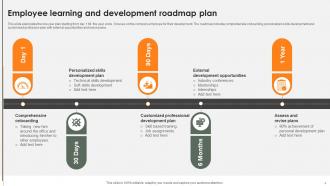
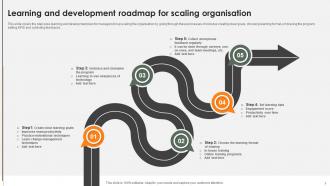
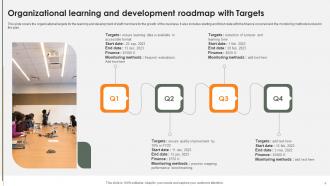
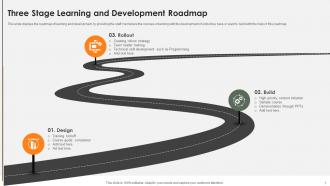
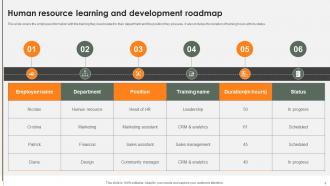





FAQs for Learning And Development Roadmap Powerpoint
Honestly, most people overthink this but you really just need three things. First, figure out what skills your team actually has right now vs what they'll need - I see companies skip this step all the time and it's such a mistake. Map out specific learning goals that tie to real business stuff, not just vague "let's get better at things." Then build a timeline with checkpoints and different ways people can learn. Oh, and definitely get your team involved in creating it - nobody wants training shoved down their throat. Keep it flexible too since priorities always change. That's basically it!
Skip the fancy mission statement and figure out what your company actually needs to hit this year. Revenue the big thing? Focus on sales training, not that leadership retreat everyone keeps bugging you about (save it for later). Map each program directly to business goals - sounds boring but it works. Create some kind of visual showing how training X leads to outcome Y. Makes it way easier to justify your budget when stakeholders can see the connection. Honestly, the simpler you make this alignment, the better. Short sentences work here.
Oh man, you're so right to ask about this. I've watched way too many training programs crash and burn because nobody bothered asking what people actually wanted to learn. Get feedback through surveys, casual chats, focus groups - whatever works. Find out what skills they're missing and how they like to learn stuff. Some people hate videos, others can't stand reading modules. The programs that work? They're built WITH employees, not just FOR them. You'll get people who actually show up and finish the courses. And don't make it a yearly survey thing - keep checking in regularly. Makes such a difference.
Honestly, tech has completely changed how L&D works now. AI can actually suggest skills that make sense for your specific role and where you want to go career-wise. Plus those learning platforms just track everything automatically - no more spreadsheets, thank god. VR training is getting surprisingly good for hands-on stuff too. But here's what's really cool: analytics show you exactly where your team has knowledge gaps instead of you having to guess what training they need. My advice? Just pick one tool that fixes your biggest headache right now. Don't go crazy trying to digitize everything at once.
So you want both engagement stuff and actual impact data. Completion rates and satisfaction scores show if people are bothering with the training at all. But honestly, the real gold is in skill assessments before/after and whether performance actually improves on the job. Manager feedback is clutch too - they see the day-to-day changes. Don't go crazy with metrics though, like 3-5 max or you'll drown in data. Connect it back to business stuff: productivity bumps, fewer mistakes, whatever matters for your company. Monthly check-ins work well.
Start with accessibility baked in - don't try to fix it afterward. Screen readers need to work with your content, videos need captions, and honestly? Multiple formats are just smart. People learn differently anyway - some are visual learners, others need to actually do stuff to get it. Timing's huge too since not everyone can make live sessions (kids get sick, meetings run over, whatever). I'd definitely survey your team first about what's actually blocking them. Oh, and test everything with real people who have different needs before you launch it everywhere. That part's non-negotiable.
You've gotta be way more intentional now that there's no office chatter to pick things up from. I literally block out 30-minute learning chunks in my calendar - sounds nerdy but it works. Otherwise I just scroll Instagram instead, you know? Those online courses your company pays for? Actually use them. Coffee chats with coworkers help too, even virtual ones where you can bounce ideas around. Oh, and join some Slack communities in your field. I have like 20 bookmarked articles I'll probably never read, but tracking small wins keeps me motivated. Start with just this week - pick one thing.
So leadership development is basically the backbone of our whole L&D strategy. We've got programs for everyone - emerging leader stuff for the high-potential people, executive coaching for the big shots. What's actually cool is how it all connects now. Your technical training links to mentoring, which ties into cross-functional projects (way better than those boring standalone workshops we used to do). The competency framework shows which leadership skills you need for your current role and what's next. Honestly, it makes career planning so much clearer than before.
Start with a solid LMS - Cornerstone or TalentLMS work well for hosting everything. Articulate 360's the gold standard for content creation, but honestly Canva's fine if you're just doing basic stuff. Loom's amazing for quick screen recordings (I use it constantly). You'll want SurveyMonkey for feedback too. Here's the thing though - tools don't matter if your strategy sucks. Pick one decent LMS and one content tool first. See what your people actually respond to, then add more from there. Analytics platforms are great but they're not urgent right away.
Honestly, just sit down and figure out what skills your team actually has versus what you need to hit your goals. The gaps will be pretty obvious once you map it out. Performance reviews help, but I'd also just ask your managers straight up where their people are struggling - they usually have good insights. Oh and don't skip asking employees directly! They know what they're missing better than anyone. Look ahead at big projects coming up too, since those might need totally new skills. Once you've got all this info, focus on the gaps that'll move the needle most for your business objectives. That's your L&D roadmap right there.
Honestly, the biggest pain points are always money, getting execs on board, and people actually having time for this stuff. Everyone's drowning in their regular work so training gets ditched constantly - which is annoying but happens every single time. ROI measurement is a nightmare too, plus keeping everything current when skills change so fast. Oh, and don't even get me started on proving these programs actually move the needle. Start with small pilots to get some quick wins under your belt. Always connect everything back to business goals or it'll just look like another random HR thing that disappears.
Honestly, once a year minimum but the smart companies check in way more often. I'd do quick quarterly reviews to see if stuff has changed - you know how fast priorities can shift these days. Then hit it hard with a deep dive annually. Obviously if there's big changes like new leadership or your industry gets flipped upside down, don't wait for your scheduled review. Business moves too fast for that. Your learning programs can't be stuck in the past while everything else evolves. Block some time in Q4 to actually look at what worked this year and plan ahead. That's your starting point.
Honestly, just bake learning into stuff you're already doing - performance reviews, team meetings, project wrap-ups. People need to see it as normal, not extra work piled on top. I'd start with simple things like lunch-and-learns or having team members present cool stuff they've discovered. Give everyone a learning budget and actually celebrate when they use it! The biggest thing though? You've got to model it yourself. Share what you're reading, admit when you don't know something. It's wild how much that normalizes the whole "I'm still figuring this out" mindset for everyone else.
Kirkpatrick's four levels are your best bet - reaction, learning, behavior change, and results. Track stuff like completion rates and skill assessments first. The hard part? Connecting training to actual business impact. Get your baseline metrics before launching anything or you're screwed later. I focus on productivity gains, retention rates, and how many people are promotion-ready after training. Error reduction is huge too. Honestly, automated dashboards will save your sanity - manual reporting sucks. Don't forget qualitative feedback alongside the hard numbers. Leadership eats that stuff up when you present ROI.
Honestly? Get yourself a mentor - it's what makes the difference between actually learning stuff vs just checking boxes on training modules. They'll help you figure out how to use what you learned in the real world, plus they know all the office politics nobody talks about (which is half the battle tbh). Don't just pick someone because they've been around forever though. Find someone who actually has the skills you're missing. Oh and here's the thing - build mentor check-ins right into your learning goals instead of making it this separate awkward thing. Makes it way more natural.
-
“I really like the convenient operation and professionalism I saw on the SlideTeam website. I want to express my regards and appreciation to the team.”
-
I never had to worry about creating a business presentation from scratch. SlideTeam offered me professional, ready-made, and editable presentations that would have taken ages to design.