

Printing Proposal Template Powerpoint Presentation Slides




Try Before you Buy Download Free Sample Product
 Impress Your
 Audience
 100%
100% Editable
 Save Hours
 of Time


Showcase your best printing projects and land new customers with the help of our content ready Printing Proposal Template PowerPoint Presentation Slides. By using this interactive printing services proposal PPT theme, you can portray the additional services your company provides that adds a modern touch to your proposal. This template contains the proposal outline that covers the topics like project summary, printing services, printing packages, cost estimate, company overview, client testimonials, work contract, payment terms, etc. Take the help of our printing proposal PPT theme to display the variety of additional printing your company offers book printing, signage, business cards, flyers, large format printing, and screen printing, digital printing, offset printing, labels, and banners. Use the creatively designed printing service proposal PowerPoint presentation slides to showcase the binding printing your company offers that contains staple, comb, spiral, saddle stitch, and ring binders. Employ this informative printing proposal PowerPoint presentation slides to mention the printing covers your company provides that includes covers, gloss, lamination, and vinyl covers. With the aid of our printing services presentation templates, you can elaborate on the pricing packages like annual stationery, custom banner package, and starter package your company offers for printing. This particular information will grab the attention of your audience and the chances of proposal selection can be increased. Portray the recognition and appreciation that you have received from your clients. With the aid of this precise and practical printing proposal PPT presentations, you can discuss your success stories and various certifications. Take advantage of this engaging and reliable printing proposal PPT layout to illustrate the terms and conditions of your company that provide a clear understanding of printing services to your clients. Make your proposal easy-to-read by downloading our ready to use printing proposal PowerPoint presentation slides that leave a lasting impression on your customers.
People who downloaded this PowerPoint presentation also viewed the following :
Content of this Powerpoint Presentation
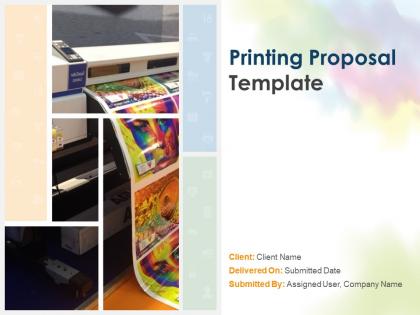
Slide 1: This slide introduces Printing Proposal Template. State Company name, Client name, Submission date.
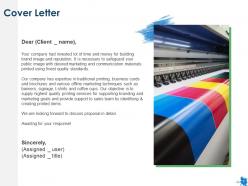
Slide 2: This slide displays Cover Letter.
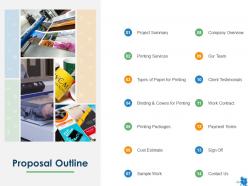
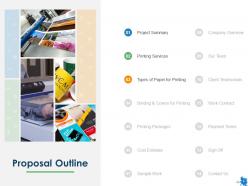
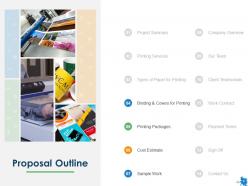
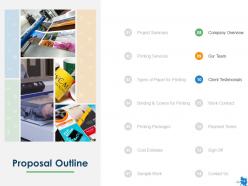
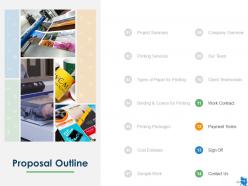
Slide 3: This slide depicts Proposal Outline.
Slide 4: This slide showcases Proposal Outline.
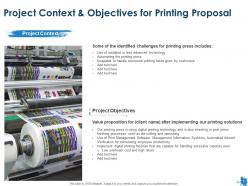
Slide 5: This slide depicts Project Context & Objectives for Printing Proposal.
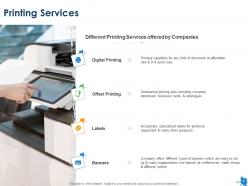
Slide 6: This slide represents Printing Services
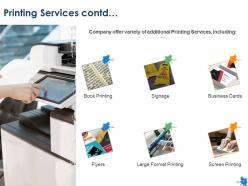
Slide 7: This slide is continued with Printing Services.
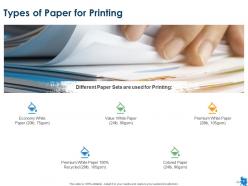
Slide 8: This slide describes Types of Paper for Printing.
Slide 9: This slide highlights Proposal Outline.
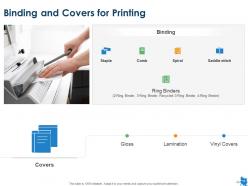
Slide 10: This slide showcases Binding and Covers for Printing.
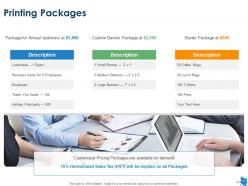
Slide 11: This slide depicts Printing Packages.
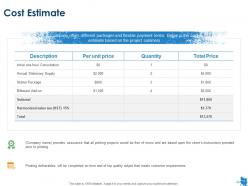
Slide 12: This slide shows Cost Estimate.
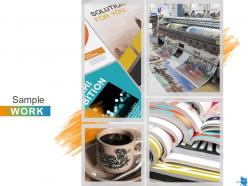
Slide 13: This slide represents Sample Work.
Slide 14: This slide shows Proposal Outline.
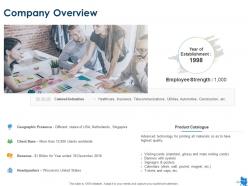
Slide 15: This slide depicts Company Overview.
Slide 16: This is Our Team slide with Names and Designations.
Slide 17: This is also Our Team slide.
Slide 18: This slide displays Client Testimonials.
Slide 19: This slide shows Proposal Outline.
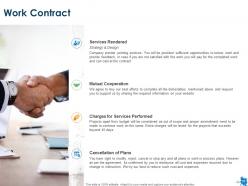
Slide 20: This slide depicts Work Contract.
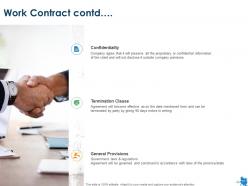
Slide 21: This slide is continued with Work Contract
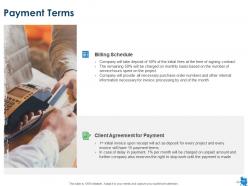
Slide 22: This slide shows Payment Terms.
Slide 23: This is Sign Off slide.
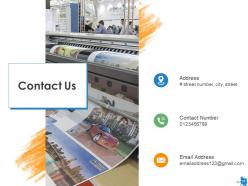
Slide 24: This is Contact Us slide with Address, Contact number and Email address.
Slide 25: This slide is titled as Additional Slides for moving forward.
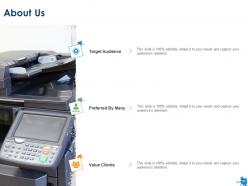
Slide 26: This is About Us slide to showcase Company specifications.
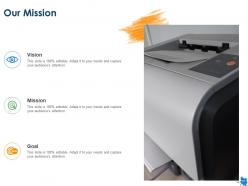
Slide 27: This is Our Mission with Vision, Mission and Goal.
Slide 28: This slide shows Timeline process.
Slide 29: This is 30 60 90 Days Plan slide.
Slide 30: This slide shows Roadmap process.
Printing Proposal Template Powerpoint Presentation Slides with all 30 slides:
Use our Printing Proposal Template Powerpoint Presentation Slides to effectively help you save your valuable time. They are readymade to fit into any presentation structure.
FAQs for Printing Proposal Template
Okay so definitely hit the basics first - project specs like quantity, paper type, colors, all that. Timeline's huge too. Cost breakdown should be super detailed because clients will question everything anyway. Honestly, the boring legal stuff is where you'll save your sanity later - payment terms, revision limits, shipping details. I learned this the hard way with a client who wanted like 47 changes. Show some previous work samples, mention your equipment capabilities. Oh and always spell out what happens with rush jobs or mid-project changes. Once you template this whole thing, you'll thank me - saves so much time on future proposals.
Dude, visuals are everything for printing proposals. Show them sample prints, before/after shots, mockups - whatever helps them actually picture the end result. Nobody wants to wade through paragraphs of text, trust me. Charts work well for timelines and pricing breakdowns. Oh, and throw in some photos of your equipment or shop if you can - makes you look more professional and established. Just make sure each visual actually supports your pitch instead of random filler. Keep the quality high and you'll be golden.
Ugh, the worst thing you can do is be vague about specs - I learned this the hard way. Paper weight, dimensions, colors, quantities... spell it all out or you'll get quotes that make zero sense. Timelines too! And honestly? Don't assume anything about shipping - who pays, delivery dates, all that stuff needs to be crystal clear upfront. Oh, and make sure every vendor gets the exact same info so you can actually compare their responses. More details = better quotes, even though it's a pain to write everything out initially.
Dude, this is huge - your whole proposal needs to match who you're pitching to. Startups? They want cheap and fast. Luxury brands care about fancy materials and perfect finishes. I've literally watched proposals bomb because people ignored this. Don't dump technical jargon on a small business owner who just wants decent brochures, you know? But print shops love those specs. Your pricing, timeline, even the samples you show - it all depends on what drives that specific client. Do some digging first to figure out what actually matters to them.
Your cost breakdown is what makes or breaks the whole proposal, honestly. Break everything down - materials, labor, equipment time, finishing, plus shipping (clients hate surprises on that one). Make it detailed enough to show you actually know the process, but don't go crazy with every tiny detail. Stay competitive but accurate - that's the tricky part. I always add a small buffer for when things go sideways, which they do. Then present your number with confidence and explain the big cost pieces clearly. Oh, and definitely walk them through shipping costs upfront.
Honestly? You'll want detailed proposals for anything complex or pricey. Multi-color brochures, big signage, foil stamping, embossing - that kind of stuff. When there's custom die-cutting or weird paper stocks involved, protect yourself with a solid proposal. Simple business cards though? Total overkill. I usually draw the line at $500 or jobs with more than three specs. Tight deadlines are another red flag where you don't want any confusion later. Trust me, it saves you from clients trying to add random stuff halfway through. Scope creep is the worst.
Dude, you've gotta switch up your pitch for each industry. Healthcare people obsess over compliance stuff and patient privacy - lead with that. Tech companies? They want fast turnarounds and digital integration. Manufacturing clients honestly don't care about pretty colors - they just want bulk discounts and things that won't break. Retail's different though. They need seasonal flexibility and consistent branding across orders. Before any meeting, dig into their recent work or straight-up ask what went wrong with their last printer. Speaking their specific language in proposals makes all the difference.
Honestly, I'd start with whatever you're already using - Word or Google Docs work fine for basic templates. You can set up merge fields for client stuff and pricing tables. PandaDoc and Proposify are pretty sweet though if you want to get fancy - they do e-signatures and tracking automatically. Actually saved me tons of time when I tried it. InDesign makes gorgeous layouts but it's kind of a pain to learn. Really depends how much time you want to invest. The main thing is building sections you can just copy/paste between proposals.
Show them 2-3 case studies that actually match what they need - like if it's brochures, pick similar projects with real details about quantities and timelines. Good photos of finished work make a huge difference here, way more than people realize. Skip the overwhelming portfolio dump though. Pick stuff that proves you can handle their specific volume and complexity. Oh, and definitely mention your equipment setup at the end so they know you're not just gonna outsource their project to some other shop.
Def list your major deadlines with actual dates - design approval, proof rounds, production kickoff, delivery. Each phase should spell out when they need to give you feedback or send materials. Honestly, I always pad an extra day or two because clients are terrible with deadlines. Specify how many proof rounds you're including upfront and what extra rounds cost. Call out anything you're waiting on them for, like final files or color approval. Being super specific about who does what when saves everyone from that end-of-project panic mode.
Don't just stick all your testimonials at the end - that's boring and nobody reads them there anyway. Drop a solid quote right after your executive summary to hook them immediately. Then scatter specific ones throughout based on what they're worried about. Got a testimonial about fast turnaround? Put it by your timeline section. Quality praise goes near your process details, you get the idea. The key is keeping them short and real - none of that "excellent service" garbage that could apply to anyone. Use actual names and companies when you can. I've seen so many proposals where testimonials feel totally random instead of actually selling your strengths.
Okay so here's the thing - be super transparent about your costs. Break down materials, labor hours, equipment time, all that stuff. I always compare my work to cheaper options and straight up explain why those other guys are trash (quality sucks, they're always late). Show them samples if you've got them - people need to see the difference. Then hit them with your actual value: maybe you're faster, or your customer service doesn't make them want to scream, or you use way better materials. Oh and don't forget specialty stuff like foil stamping costs extra for a reason. Connect everything back to what they actually need and when they need it by. End with a clear breakdown so they know exactly where their money's going.
Honestly, clean spacing is everything - don't let it look cramped. Stick to maybe 2-3 fonts tops because I've literally seen proposals that look like ransom notes when people go overboard lol. Bold headers help a ton, and bullet points are your friend for pricing and timelines. Throw in your logo and brand colors but keep it subtle. Grid layouts keep things aligned and professional. The whole point is making it easy to scan - clients should find what they need fast without hunting around.
Definitely start with liability and delivery terms - that's the boring but crucial stuff. Payment schedules, project timelines, what happens if their materials get lost in shipping. The revision clause will save your sanity though, trust me on this one. Clients will request changes until the end of time if you don't cap it at like 3 rounds or whatever. Also throw in cancellation policies and who owns the final files. Quality standards too. Force majeure sounds fancy but it's just the "acts of God" coverage for weird situations. Honestly? Just find a decent template online and tweak it instead of writing from zero.
Honestly, put your revision process right in the proposal from day one. I got burned once by a client who kept calling everything a "tiny change" - spoiler alert, they weren't tiny! Spell out how many revision rounds you include and what counts as minor vs major changes. Timeline stuff too. Document everything in writing before you start work, even if it feels excessive. Trust me on this one. Beyond your included revisions? That's extra cost, and clients need to know upfront. Saves so much drama later.
-
Use of icon with content is very relateable, informative and appealing.
-
Thanks for all your great templates they have saved me lots of time and accelerate my presentations. Great product, keep them up!
-
Excellent products for quick understanding.
-
I discovered this website through a google search, the services matched my needs perfectly and the pricing was very reasonable. I was thrilled with the product and the customer service. I will definitely use their slides again for my presentations and recommend them to other colleagues.
-
Unique research projects to present in meeting.