

Prod development and program management
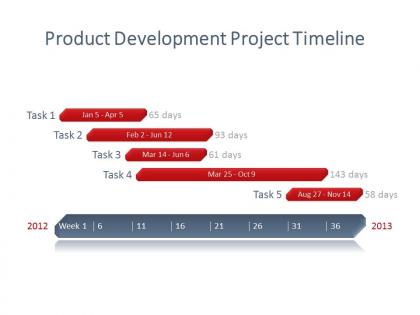
You must be logged in to download this presentation.




Try Before you Buy Download Free Sample Product
 Impress Your
 Audience
 100%
100% Editable
 Save Hours
 of Time


Our Prod Development and program Management will prove worthy instruments for your growth. They will poitively enhance your reputation as a professional.
People who downloaded this PowerPoint presentation also viewed the following :
Prod development and program management with all 5 slides:
Your ideas really pack a punch. Win the countdown with our Prod Development and program Management.
FAQs for Prod development
Honestly, focus on three big things: strategic thinking, communication, and data analysis. Strategic thinking helps you figure out which features actually matter and stay aligned with business goals. Communication is huge - you'll be constantly working with engineers, designers, sales people, and customers. Data analysis keeps you from making terrible gut decisions (though sometimes your instincts are still right). You also need empathy to get what users really want, plus some basic tech knowledge so engineers don't think you're clueless. Oh, and get comfortable with uncertainty because you'll never have all the info you want. Start with whatever feels shakiest for you right now.
Honestly, I'd go with RICE scoring - Reach, Impact, Confidence, Effort. Works pretty well for most situations. First, bucket everything into must-haves, should-haves, and nice-to-haves based on what your business actually needs. Then assign numbers to each feature so you're not just winging it with gut feelings. Technical dependencies matter too though - can't build feature B without A, you know? Oh, and definitely check your team's bandwidth first. The real trick is explaining your scoring system upfront to stakeholders. Otherwise they'll wonder why their favorite idea got bumped down the list.
Honestly? Agile/Scrum is probably your best starting point for dev cycles. I'd pair it with Design Thinking since you'll actually understand what users need. The build-measure-learn thing from Lean Startup is clutch too - saves you from building stuff nobody wants. For figuring out priorities, RICE scoring works well, or try the Kano model. Don't overwhelm yourself though - pick like 2-3 frameworks and actually stick with them instead of constantly switching. I've seen teams get analysis paralysis from too many methodologies. Start simple with Agile + Design Thinking, then add more once you've got those down.
Honestly, pick like 3-5 metrics that actually matter for YOUR product and ignore everything else. I'd focus on the obvious stuff - usage, retention, conversions, revenue. But don't chase vanity metrics just because they look pretty on dashboards. Get user feedback too through surveys or just talking to people - that tells you why the numbers are doing what they're doing. Oh and set this up before you launch or you'll be kicking yourself later trying to figure out what worked. I learned that one the hard way. The key is obsessing over fewer things that actually indicate success.
Look, customer feedback is everything in product development. You need it from day one - user interviews, surveys, beta tests, the works. I've watched way too many teams just build stuff in isolation and then act shocked when nobody uses it. But here's the thing - don't just listen to what people say they want. Watch what they actually do instead. Those two things can be totally different. Set up regular feedback loops so it becomes routine, not something you scramble for later. And definitely close the loop with users - show them how their input actually changed your product.
Write up a vision statement that's actually specific and memorable - not some vague corporate nonsense. Put it everywhere. Reference it constantly in meetings, roadmap talks, feature decisions. Yeah, you'll be that annoying person always asking "does this fit our vision?" But honestly? It works. The trick is making sure it guides real decisions while still being something people give a damn about. I've watched too many teams create "visions" that just collect dust. Repetition is your friend here - everyone needs to be staring at the same north star, literally. Otherwise you're just herding cats who all think they're going different directions.
First things first - figure out what you're actually trying to learn before jumping in. Otherwise you'll waste time collecting random data that doesn't help anyone. Surveys are great for numbers, but you need interviews too since people will tell you the real reasons behind their choices. Don't just ask your coworkers what they think customers want (honestly, they usually have no clue). Pull from different sources - competitor research, your analytics, social media, whatever you can afford. Oh and write everything down as you go! Turn those insights into actual recommendations quickly, because buried notes help nobody.
Honestly, data analytics is a game-changer for this stuff. Track how users actually behave on your platform - where they get stuck, what features they ignore, conversion rates through different funnels. A/B test literally everything (I know it sounds obsessive but trust me on this). Button colors, whole workflows, whatever. Also dig into your support tickets and figure out why people are churning. There's usually patterns hiding in there you wouldn't expect. Set up some real-time dashboards so you're not just guessing when you're deciding what to build next. Way better than going with your gut and hoping for the best.
Honestly, there are three things that saved my butt on my last product launch. Get user feedback early and often - waiting until the end is a recipe for disaster. Keep a running list of your biggest risks (technical stuff, market changes, budget issues) and actually have plans to deal with them. Oh, and loop your stakeholders in regularly so they don't freak out when something goes sideways. I'd start by writing down your top 5 risks right now. Trust me on this one - surprises are way more expensive to fix later than preventing them upfront.
Look, first figure out what everyone actually *wants* - not just what they're saying. Usually there's overlap you can build on. Prioritize using your product goals and real user data, not whoever complains the loudest (trust me on this one). Document your reasoning and share it with everyone involved. Most fights die down once people get why you made certain calls. Oh, and create some basic framework for evaluating feedback against your main objectives. Stick to it every time. The transparency thing really works - people just want to feel heard and understood.
Start with ProductPlan or Roadmunk for roadmapping, Google Analytics for data, and Hotjar for user feedback. Don't overthink the "perfect" stack though - I've watched PMs spend weeks just picking tools! Jira's solid for project management. Figma works great for wireframes. Slack keeps everyone talking to each other instead of endless email chains (thank god). Pick one thing from each category and actually learn it first. You can always add more later once you know what you actually need. Trust me on this one.
Honestly, just talk to your actual users first. Surveys, interviews, whatever data you've got already. I can't tell you how many times I've seen teams just wing it with made-up personas that are totally useless. Once you dig into the real patterns - demographics, behaviors, what pisses people off - build 3-5 solid personas. Give them names and backgrounds that feel real. The whole point is your team should be able to say "would Sarah actually use this?" when you're debating features. Keep updating them too as you learn more stuff.
Honestly, the worst thing you can do is build stuff nobody actually wants. I've watched so many PMs get excited about their "genius" idea without talking to users first - such a waste of time. Don't try making everyone happy either. Pick your battles and say no to random feature requests, even when your CEO's breathing down your neck about it. Ship something small fast instead of hiding away for months building the "perfect" thing. Talk to users constantly, not just during those formal research sessions. Test your assumptions early before you're too invested. Oh, and always figure out the "why" before jumping into solutions - saves you so much headache later.
Talk to your stakeholders first and actually nail down what winning looks like for your business. Seriously, don't skip this part - I used to jump straight into solving user problems and it was a mess. Once you've got that clarity, work backwards to figure out which user issues you need to tackle. Map everything out on a timeline but don't make it too rigid. Priorities will shift (they always do), so build in some flexibility. The main thing? Every roadmap item should tie back to a specific business outcome. Oh, and schedule regular check-ins to stay on track.
Here's the thing - B2B means you're dealing with committees who want to see spreadsheets and ROI calculations. Takes forever to close deals. B2C? People buy stuff because it looks cool or solves their problem right now. Your B2B users often aren't even the ones paying for it, which is honestly kind of weird when you think about it. Complex onboarding, account managers, the whole nine yards. B2C products need to work immediately or people bounce. Feedback's totally different too. B2B comes through formal channels, but B2C hits you straight in the face with App Store reviews. Your entire approach changes depending on which side you're on.
-
Good research work and creative work done on every template.
-
Qualitative and comprehensive slides.