


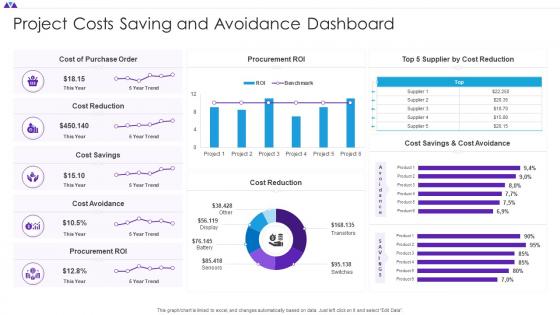
Project Costs Saving And Avoidance Dashboard Snapshot




Try Before you Buy Download Free Sample Product
 Impress Your
 Audience
 100%
100% Editable
 Save Hours
 of Time


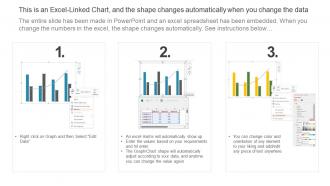
This graph or chart is linked to excel, and changes automatically based on data. Just left click on it and select Edit Data.
People who downloaded this PowerPoint presentation also viewed the following :
Project Costs Saving And Avoidance Dashboard Snapshot with all 7 slides:
Use our Project Costs Saving And Avoidance Dashboard to effectively help you save your valuable time. They are readymade to fit into any presentation structure.






FAQs for Project Costs Saving And
So there's four main things you gotta nail down: planning costs, estimating them, setting your budget, and controlling spending as you go. First figure out what resources you need and what they'll cost. Then get super detailed with estimates for each piece of work. Bundle it all up into your baseline budget and get approval. Here's where things get messy though - most projects crash during the control phase. You've got to watch actual spending vs. your budget like a hawk, spot problems fast, and fix them before they snowball. Set up weekly cost check-ins right away because nobody wants to be the person explaining budget disasters at the end.
So direct costs are the obvious ones - stuff you buy specifically for your project like materials or paying someone who's only working on it. Indirect costs? That's all the background expenses that help your project but aren't just for it - office rent, electricity, HR department, whatever. Here's how I think about it: can you literally point at an expense and say "yep, bought this just for my project"? Direct cost. Everything else falls into indirect. Honestly, the annoying part is splitting those indirect costs between different projects fairly. Just make a list of everything you're spending and go through each item with that question.
Ok so there's a few ways to tackle this. Early on, just look at similar projects you've done and adjust - that's analogous estimation. Parametric uses math models with your historical data, works well if your data's decent. Bottom-up takes forever but it's crazy accurate since you estimate every single piece then add it all up. My go-to though? Three-point estimation where you do optimistic, realistic, and pessimistic scenarios. Forces you to actually think about what could go wrong, which honestly most people skip. I'd start with analogous for quick estimates, then switch to bottom-up once you know more details.
First thing - figure out what your org actually cares about this year, not the fluffy mission statement stuff. Then connect every single expense to those real priorities. I literally ask myself "how does this cost help us hit what leadership obsesses over?" because if I can't explain it, they definitely won't get it when reviewing budgets. Put your money where it'll actually move their key metrics. Oh, and before you submit anything, grab someone from finance to review it. They speak that weird budget language way better than the rest of us and can help translate your ideas.
So contingency planning is your backup fund for when stuff inevitably hits the fan. I usually tell people to stash away 5-15% of their total budget because trust me, something always goes wrong. Requirements shift last minute, vendors bail, or you hit some random technical snag nobody predicted. Here's the thing though - without that buffer, you're basically screwed. You'll either have to slash features, watch your budget explode, or go begging for more money. The trick is figuring out how much to set aside based on how risky your project feels. Oh, and definitely map out your biggest potential money pits early.
So basically it's your budget GPS - shows where your project costs should be at any point. Compare actual spending against it to catch problems early. Super helpful for earned value analysis (fancy term for "did we spend money on stuff that actually got done?"). Honestly, most people set these up way too late and then wonder why they're scrambling during budget reviews. Short sentences work better than long ones here. Set yours up from day one and check it regularly. Trust me, when your boss starts grilling you about overruns, you'll be glad you did.
QuickBooks Project or Xero are solid if you need the full accounting setup. Monday.com and Asana work well too for basic expense stuff. Honestly? Excel is still perfectly fine for smaller projects - I use it all the time. Deltek and NetSuite are powerful but way too much unless you're running huge projects. The main thing is just picking whatever your team will actually stick with. I'd say start with something that plays nice with whatever systems you're already using. You can always switch later if it's not cutting it anymore.
Ugh, cost overruns are the worst! First thing - dig into what's actually causing it. Scope creep? Bad estimates? Random stuff nobody saw coming? Don't try to hide it (trust me, that never works). Get real about your remaining budget and timeline. Then you gotta bite the bullet and tell stakeholders what's up. Give them options: cut scope, push the deadline, or find more money. Going forward, tighten up your change control process - like actually make people justify requests instead of just saying yes to everything. Also do budget check-ins way more often. Catching this stuff early saves your sanity.
Ugh, cost estimation with agile is such a pain because everything changes constantly. You can't predict costs like you would in waterfall - requirements shift every sprint. Fixed budgets? Good luck with that when stakeholders inevitably want to add more features halfway through. I mean, they literally always do this. Time-boxed sprints help a bit, but team velocity is unpredictable and technical debt throws everything off. Honestly, you're better off doing value-based budgeting instead of detailed breakdowns. Just hit them with budget impacts the second scope creep starts.
Honestly, just pick one format and stick with it every single time - people hate guessing what they're looking at. Weekly or bi-weekly updates work great. Show them the basics: what you've spent, what's left, where things went off track. Charts beat the hell out of spreadsheets that nobody actually reads anyway. Here's the thing though - tell them about problems immediately. I've seen way too many project managers try to hide issues until the last minute, and stakeholders will absolutely lose their minds over surprise budget overruns. Set up regular check-ins where everyone can actually talk through concerns face-to-face instead of just firing emails back and forth.
Okay so earned value management is like having a GPS for your project budget. You're tracking three things - what you planned to spend, what you actually spent, and how much work got done. The cool part? You can catch budget disasters before they happen instead of finding out you're screwed at the end. It shows whether you're getting value for your money, not just burning through cash. I'd honestly check these numbers weekly because small problems turn into massive headaches fast. Think of it as your early warning system - way better than flying blind and hoping everything works out.
Ugh, inflation and currency swings will totally screw you over on longer projects. Your $10K equipment budget? Six months later it's only worth like $9K because of inflation. Exchange rates are even worse - I got burned on this Europe project where the rate shifted overnight and blew my whole budget. Currency stuff is honestly the most annoying part of international work. You'll want buffer money built in, maybe 5-15% depending how long your project runs. Lock in those exchange rates early if you can swing it. Trust me on this one.
Oh man, this is huge for budgets! Get stakeholders involved early and you'll catch those expensive scope changes before they wreck everything. Without good engagement? You're looking at endless rework and those awful "wait, I never agreed to that" meetings that kill your budget. But here's the thing - engaged stakeholders actually become your allies. They'll throw resources your way, share expertise, sometimes even find extra funding. Plus they approve changes fast instead of dragging their feet on every decision. Trust me, a few extra hours communicating upfront beats scrambling to fix misunderstandings later when it's way more expensive.
So basically, list out everything that could screw up your project - scope creep, missing people, tech problems, whatever. Then guess how likely each thing is and what it'd cost you. I always throw in a 10-20% buffer on top (depends how messy the project looks). Some PMs go way higher but good luck explaining that to your boss, right? Don't hide this stuff from stakeholders though - be upfront about your assumptions. Oh, and actually update your risk list as things change. Sounds obvious but you'd be surprised how many people set it and forget it.
Here's what I track for cost management: CPI (shoot for above 1.0), EAC for predicting final costs, budget variance, and ROI. Honestly though, forecast accuracy over time is probably the most revealing metric - shows if you actually get your projects or you're just guessing. Weekly dashboard works best so you can catch problems early. Oh, and don't look at these numbers separately - they tell a way better story together. I learned this the hard way when I was only watching budget variance and missed some major red flags in my CPI trends.
-
Keep doing the good work guys. Surpass the needs and expectations always!!
-
SlideTeam never fails to surprise me with its amazing PPT designs. Thanks team for providing me with your constant support!