


Project Cost Powerpoint Presentation Slides
Measure the cost and productivity of your project with our Project Cost PowerPoint Presentation Slides. List your project’s activities, budget, task duration, development, project scope, etc. using our project scheduling PowerPoint presentation templates. With the help of project budgeting PPT deck, you can check the sales, revenues, cash flows, liabilities, etc. in measurable terms. The cost planning management PowerPoint complete deck specifies about the budgeting procedure of project management that includes internal funding and external funding. You can analyze factors such as measuring system performance, budget surplus, technical knowledge of the products, assets, quality management, cost tracking, profitability, and productivity using project management control PowerPoint slideshow. The project planning PowerPoint deck helps you to design resources, set up goals, strategize your preferences, and presenting your plans to stakeholders. Estimate the total cost you invested in building your project with our project cost estimation presentation slides. This project planning PowerPoint presentation template consists of 41 slides. Therefore, download this ready-to-use cost control PPT deck to accurately plan all aspects of the project.





-

- Google Slides is a new FREE Presentation software from Google.
- All our content is 100% compatible with Google Slides.
- Just download our designs, and upload them to Google Slides and they will work automatically.
- Amaze your audience with SlideTeam and Google Slides.
-

Want Changes to This PPT Slide? Check out our Presentation Design Services
-

- WideScreen Aspect ratio is becoming a very popular format. When you download this product, the downloaded ZIP will contain this product in both standard and widescreen format.
-

- Some older products that we have may only be in standard format, but they can easily be converted to widescreen.
- To do this, please open the SlideTeam product in Powerpoint, and go to
- Design ( On the top bar) -> Page Setup -> and select "On-screen Show (16:9)” in the drop down for "Slides Sized for".
- The slide or theme will change to widescreen, and all graphics will adjust automatically. You can similarly convert our content to any other desired screen aspect ratio.
Compatible With Google Slides

Get This In WideScreen
You must be logged in to download this presentation.


Do you want to remove this product from your favourites?
PowerPoint presentation slides
This complete deck can be used to present to your team. This complete deck focuses on Project Cost Powerpoint Presentation Slides and has professionally designed templates with suitable visuals and appropriate content. This deck consists of a total of forty-one slides. All the slides are completely customizable for your convenience. You can change the color, text and font size of these templates. It is available in both standard and widescreen. It can be converted into formats like PDF, JPG, and PNG.

People who downloaded this PowerPoint presentation also viewed the following :
Content of this Powerpoint Presentation
Slide 1: This slide introduces Project Cost. State your company name and proceed.
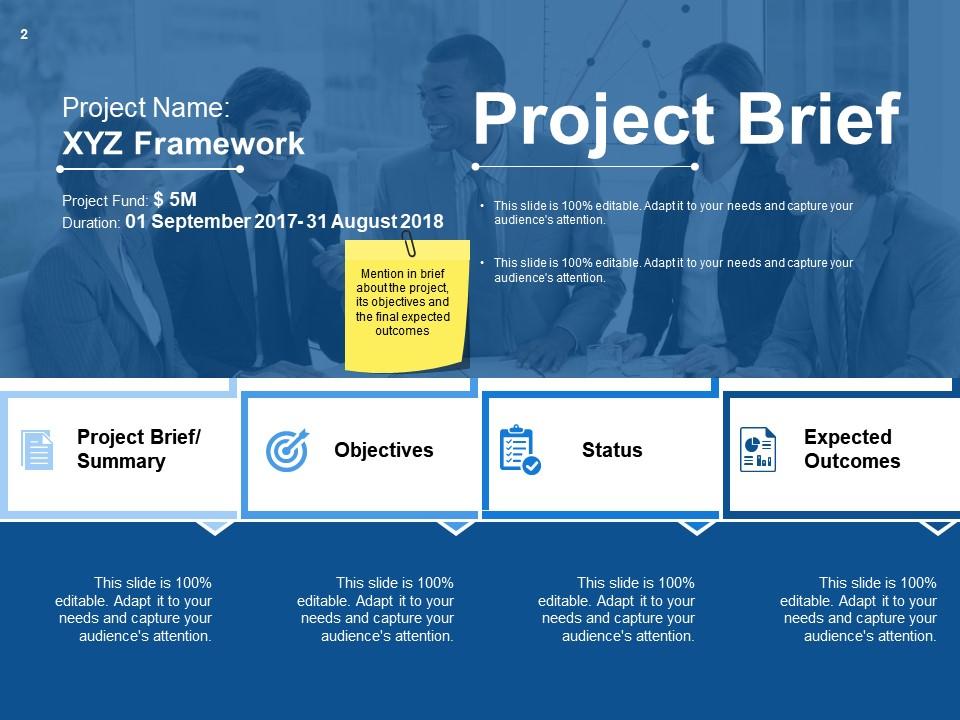
Slide 2: This is a Project Brief slide. It includes Project name and the entire framework. Mention in brief about the project, its objectives and the final expected outcomes here.
Slide 3: This slide displays Project Description. Describe in detail, what the project is all about.
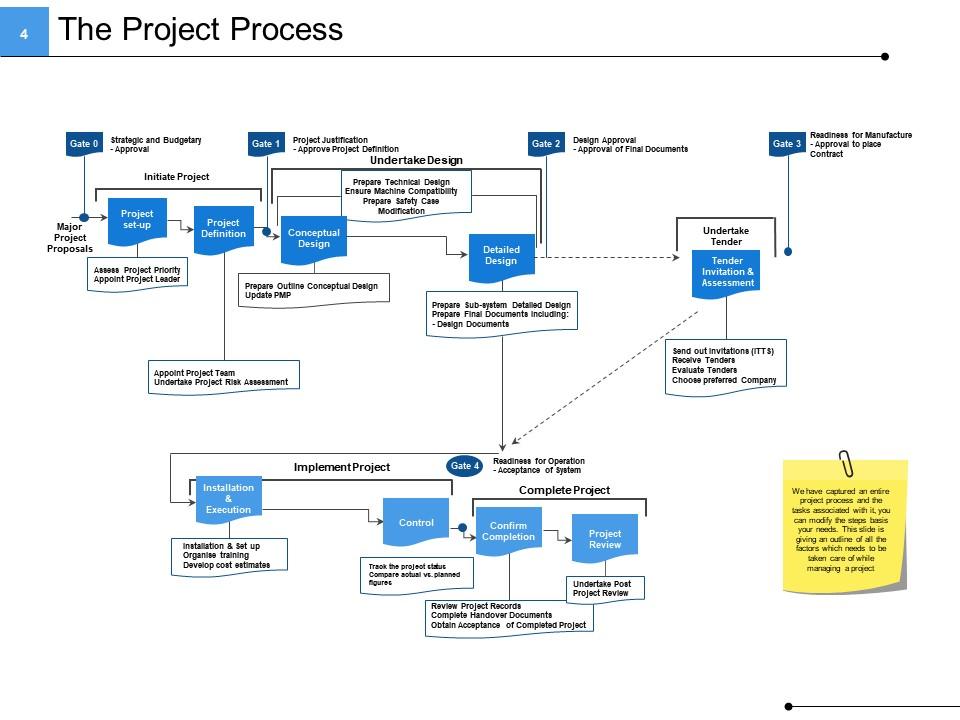
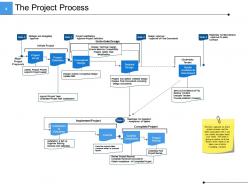
Slide 4: This slide shows the entire The Project Process with steps as captured by us. you can modify the steps on the basis of your needs.
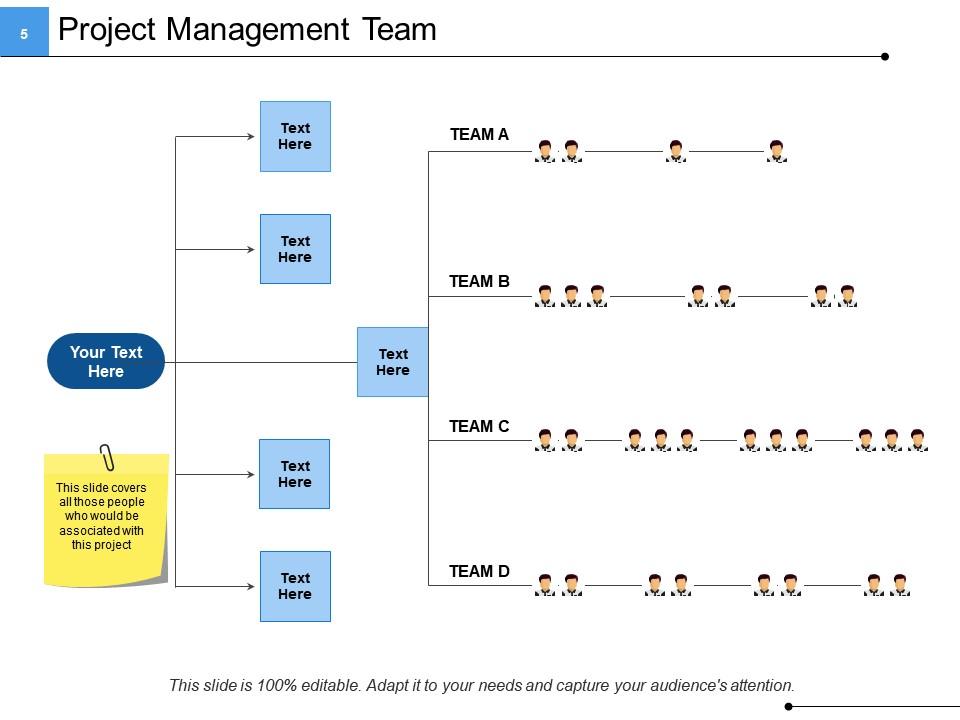
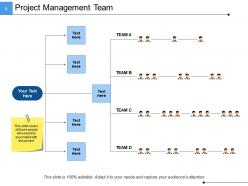
Slide 5: This slide presents a flow chart showing Project Management Team. It covers all the people associated with the project with their names and designations.
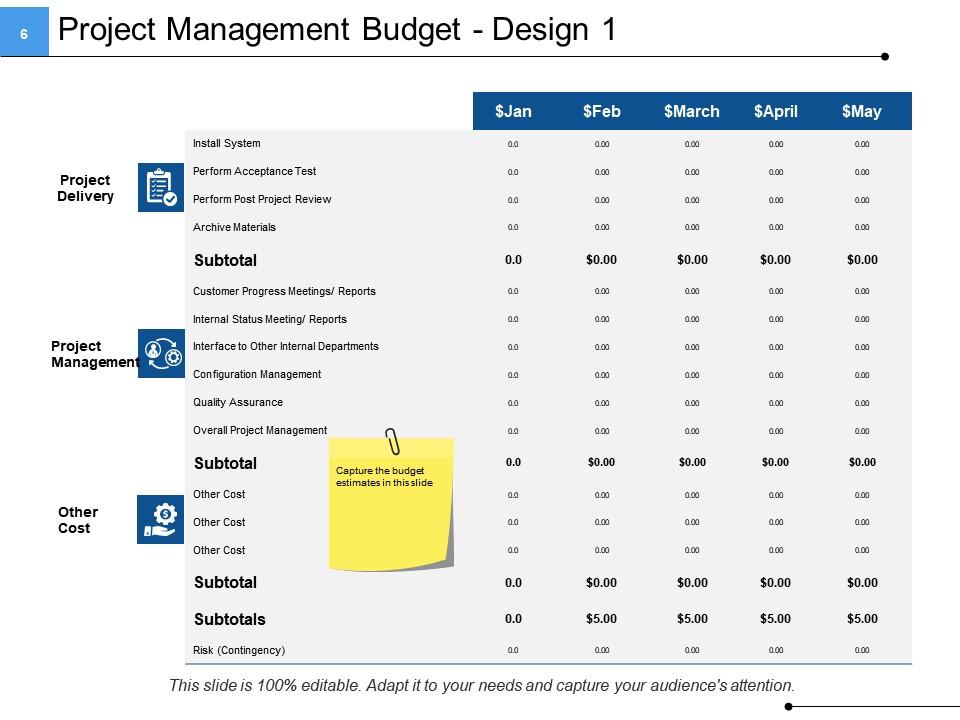
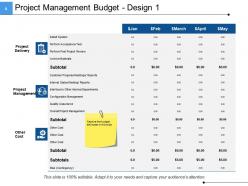
Slide 6: This slide shows Project Management Budget Design 1 which further shows the monthly Income as well as the Total Income.
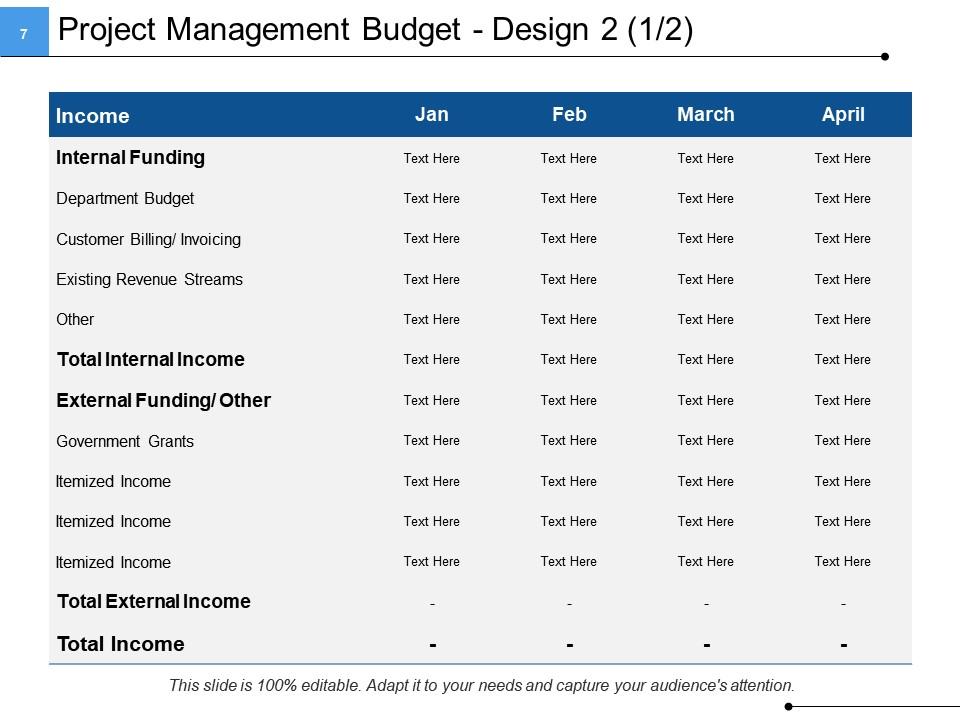
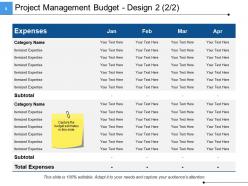
Slide 7: This slide shows Project Management Budget Design 2 which further shows the monthly Expenses as well as Total Expenses.
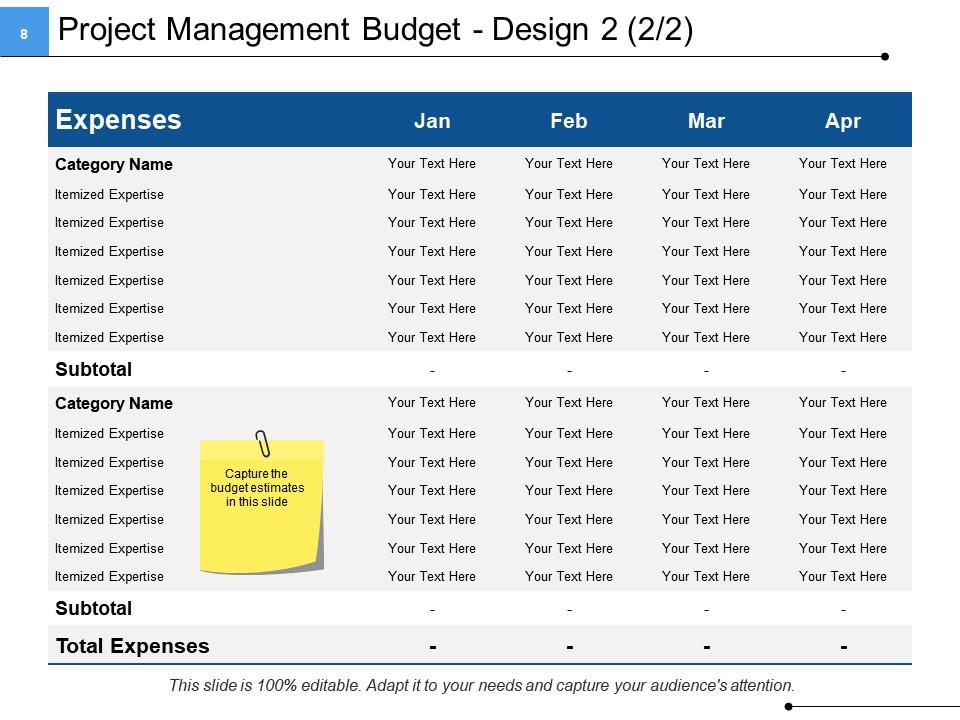
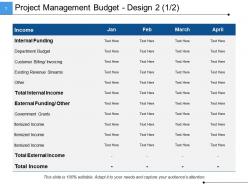
Slide 8: This slide also shows Project Management Budget Design 2 with a table to capture all the budget estimates.
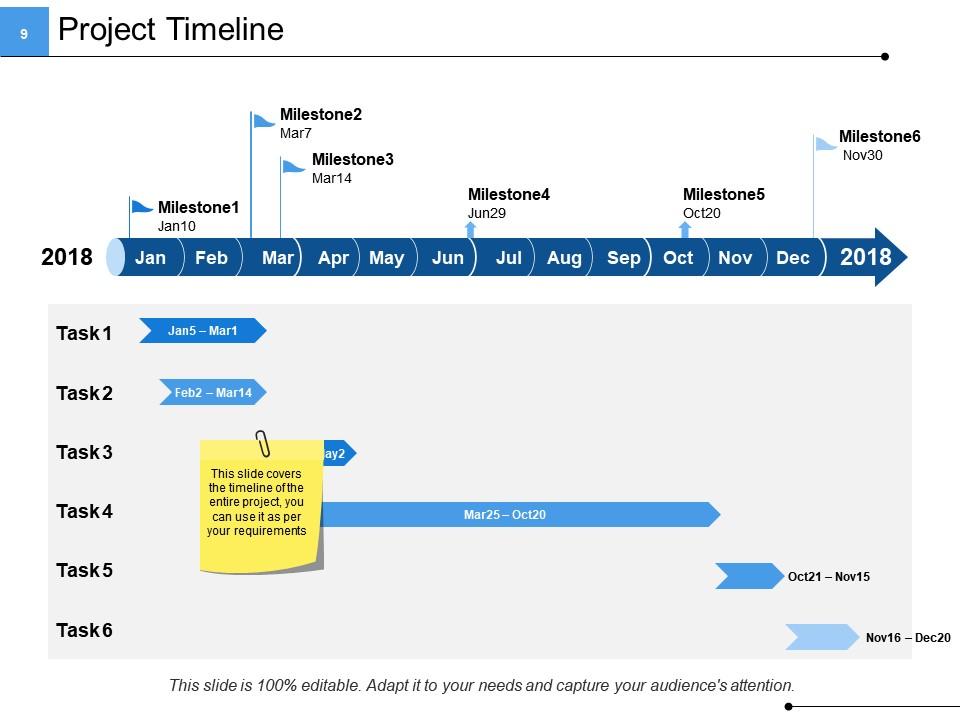
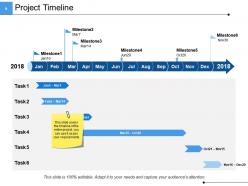
Slide 9: This slide shows the Project Timeline. Add your monthly or yearly milestones, tasks etc. in this timeline and use it.
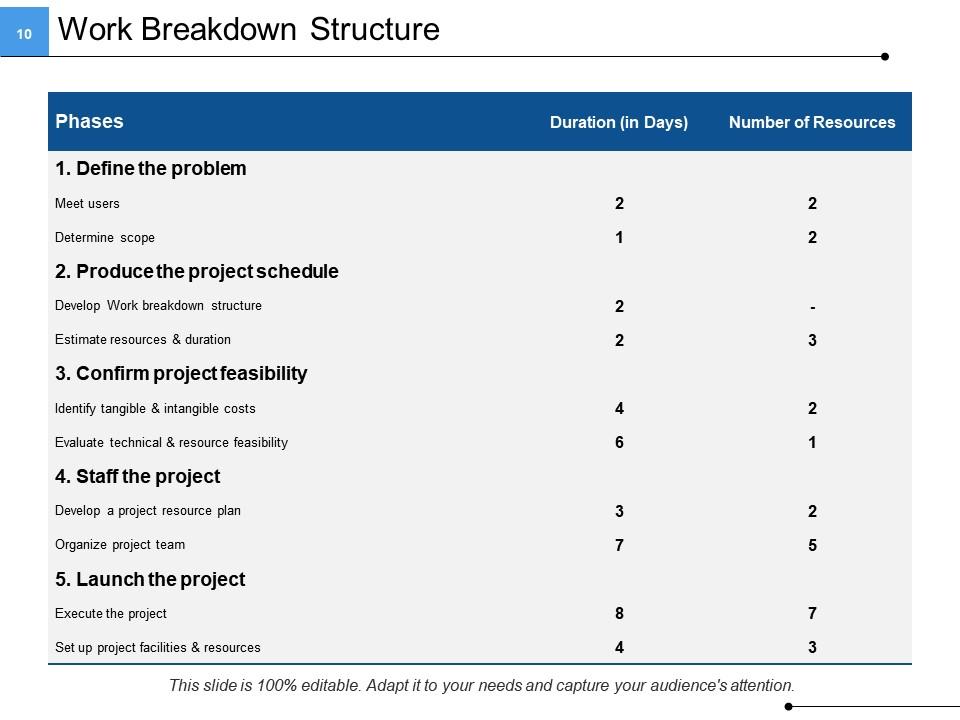
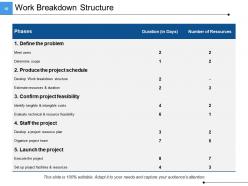
Slide 10: This slide shows Work Breakdown Structure with Phases, Duration ( In Days) and Number of Resources to add as per your business requirement.
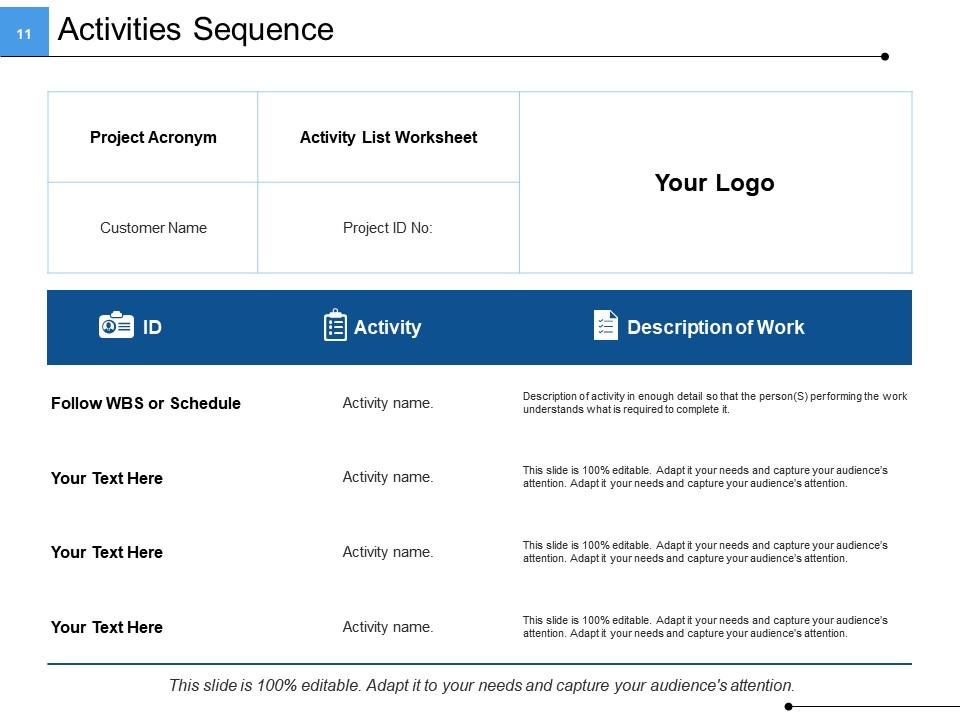
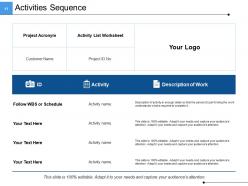
Slide 11: This slide showcases Activities Sequence. Prepare an activity sequence listing down the work which needs to be performed and its description.
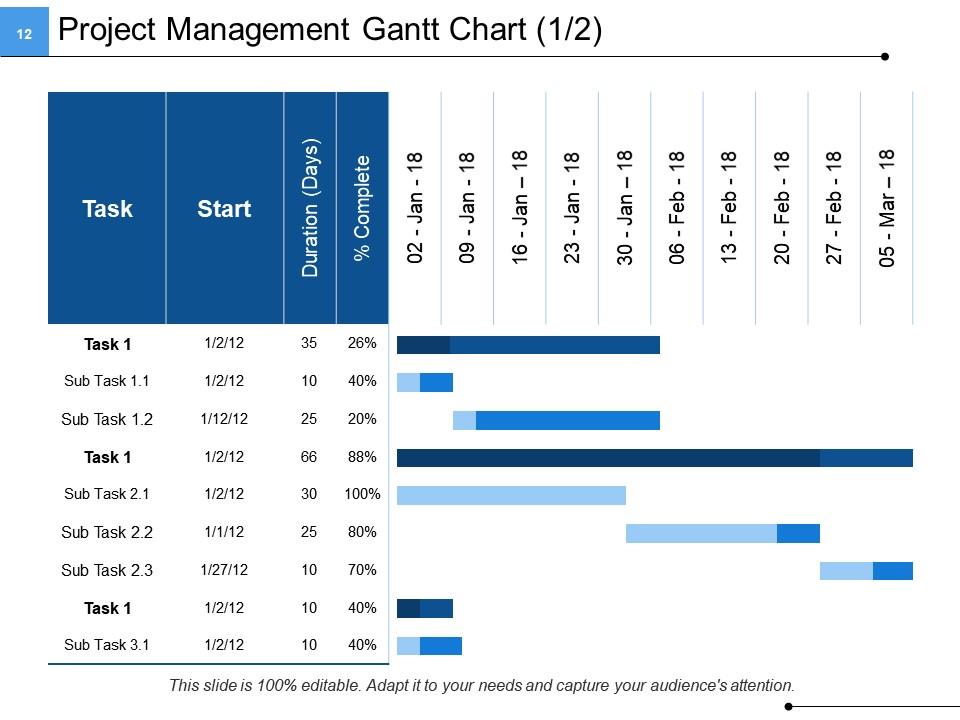
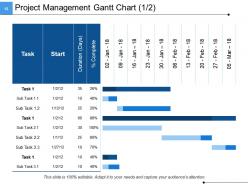
Slide 12: This slide shows Project Management Gantt Chart representing the various tasks to be performed along with their duration and degree of completion.
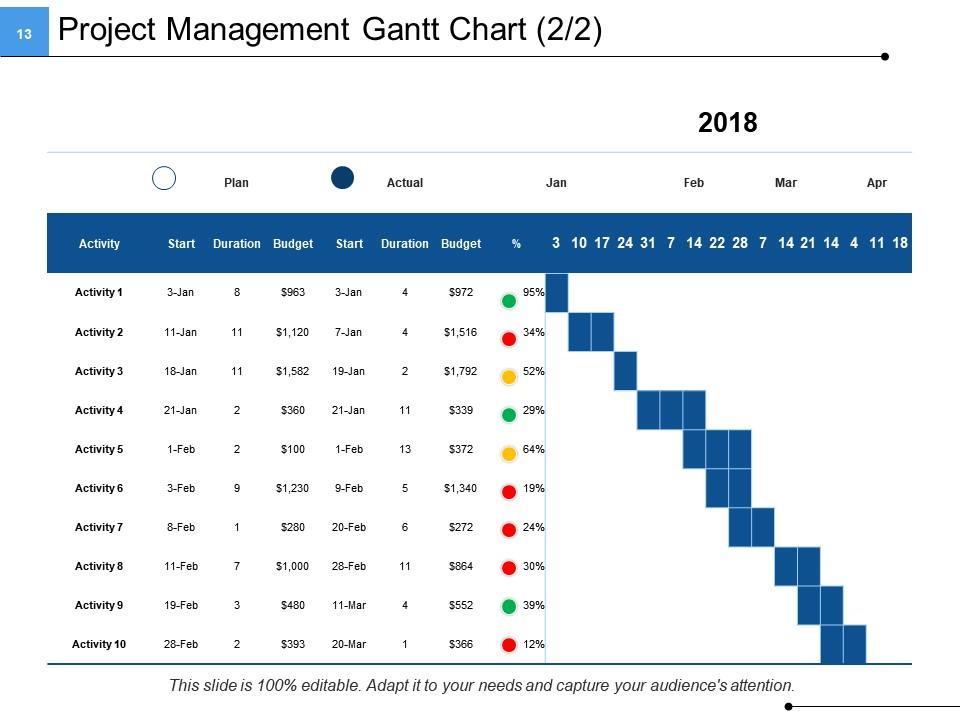
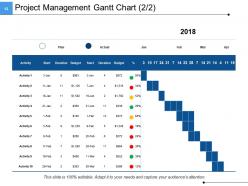
Slide 13: This slide also shows Project Management Gantt Chart. Use it on the basis of your business requirement.
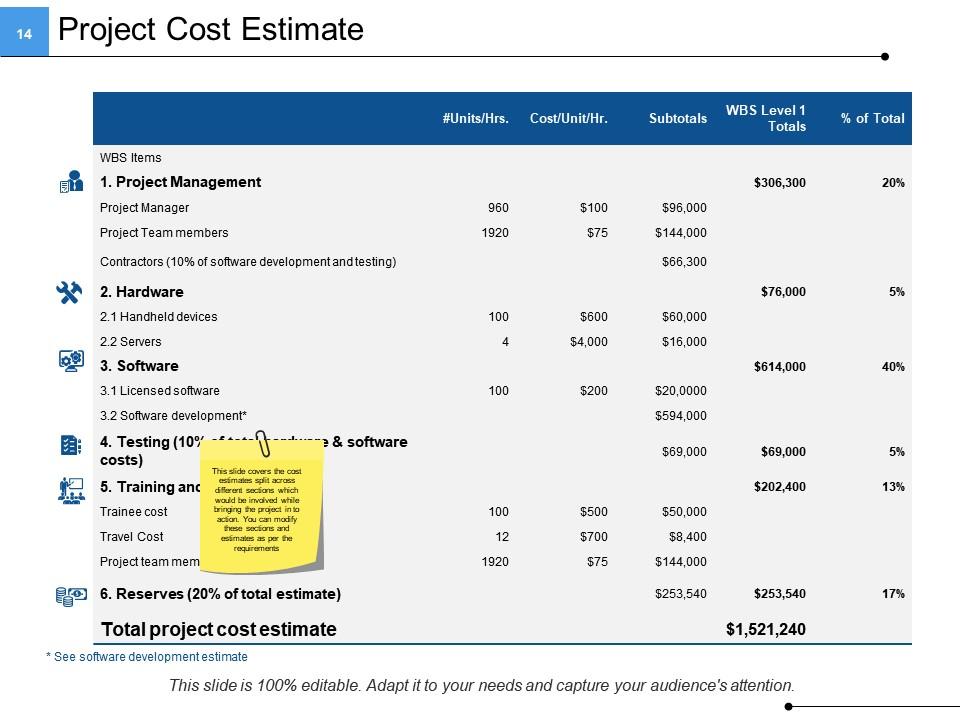
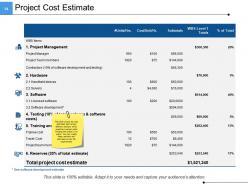
Slide 14: This slide covers the Project Cost Estimate split across different sections which would be involved in bringing the project into action. You can modify these sections and estimates as per the requirements.
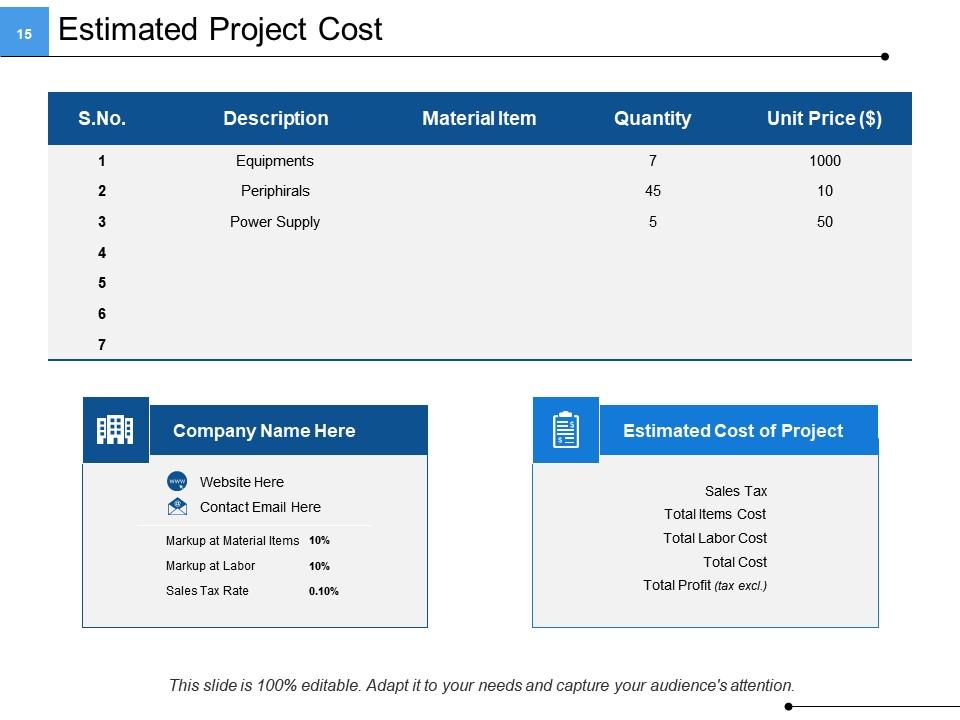
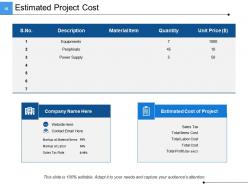
Slide 15: This slide shows the Estimated Project Cost with description, material item, quantity and unit price mentioned.
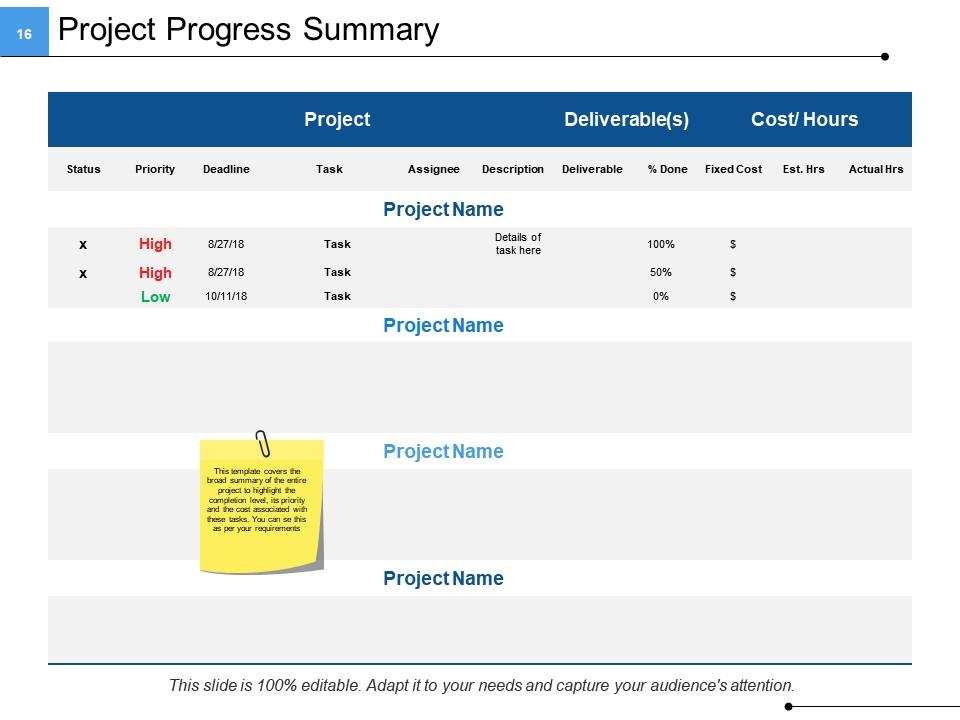
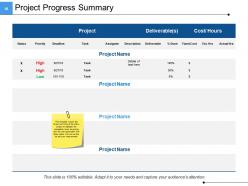
Slide 16: This template presents Project Progress Summary. It covers the broad summary of the entire project to highlight the completion level, its priority and the cost associated with these tasks. You can modify this as per your requirements.
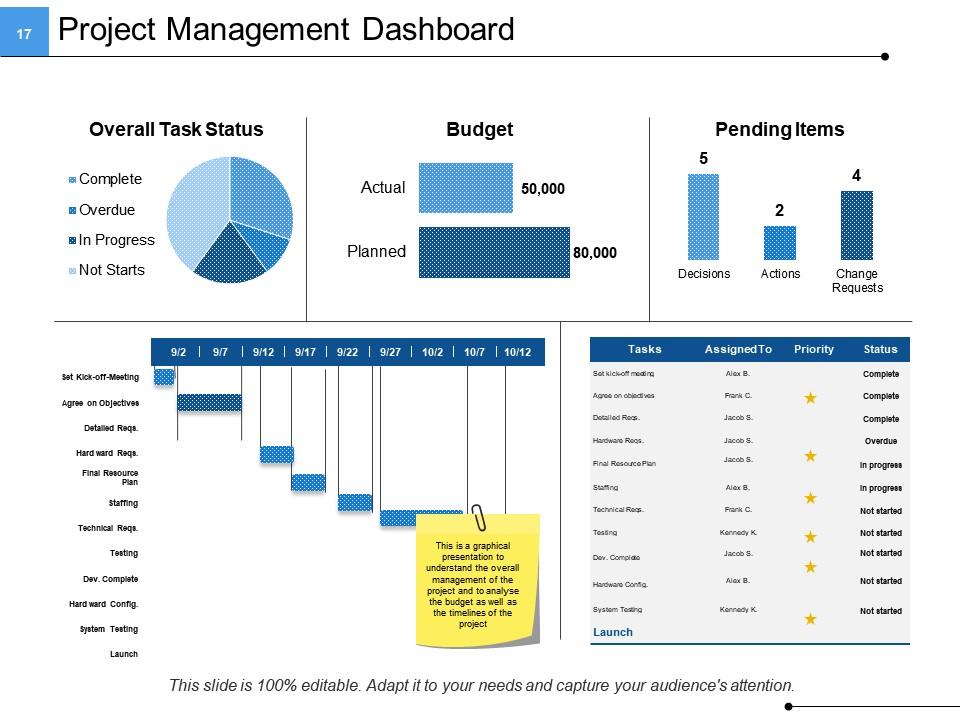
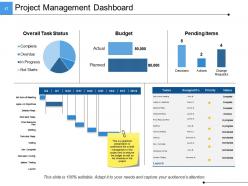
Slide 17: This slide presents Project Management Dashboard. It is a graphical presentation to understand the overall management of the project and to analyse the budget as well as the timelines of the project. The major sub headings include: Set Kick-off-Meeting, Agree on Objectives, Detailed Requirements, Hard ward Requirements, Final Resource Plan, Staffing, Technical Reqs., Testing, Dev. Complete, Hard ward Config., System Testing, Launch, Complete, Overdue, In-Progress, Not Started, Overall Task Status, Budget, Pending Items).
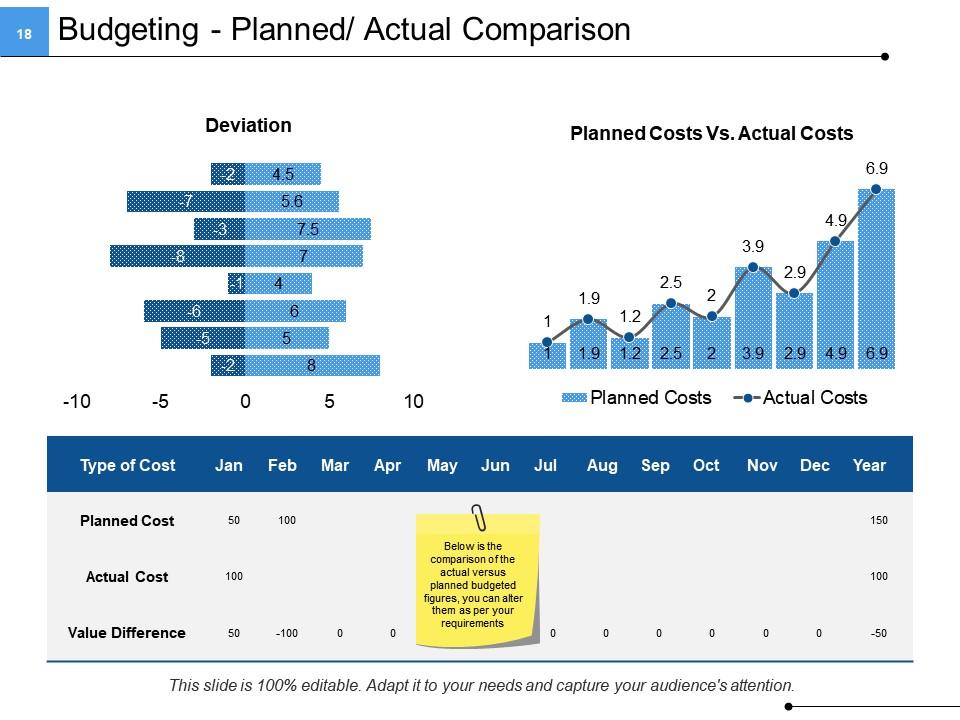
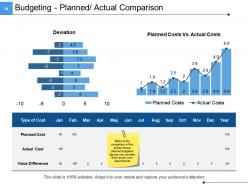
Slide 18: This slide shows Budgeting - Planned/ Actual Comparison in a graphical form. You can alter these figures as per your requirements.
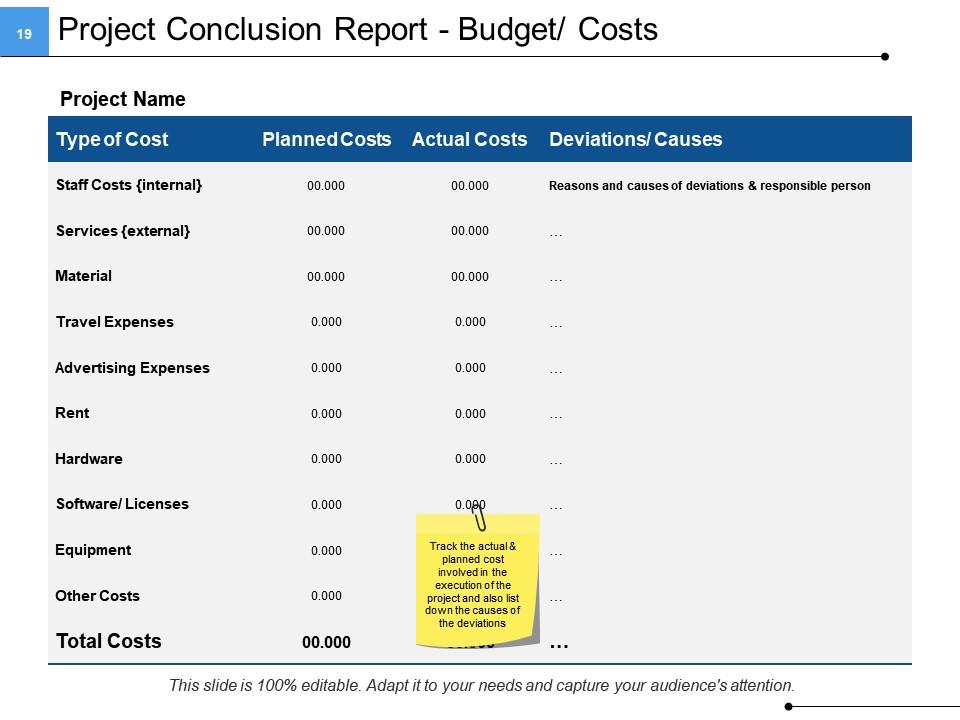
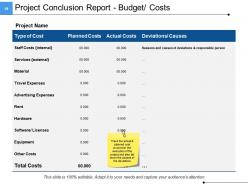
Slide 19: This slide shows Project Conclusion Report - Budget / Costs with Project Name to add. Track the actual & planned cost involved in the execution of the project and also list down the causes of the deviations.
Slide 20: This slide shows a Coffee Break image. You can alter the content as per need.
Slide 21: This is Project Cost Icons Slide displaying various icons. Modify as per your requirement.
Slide 22: This slide is titled Additional Slides to move forward. You can change the slide content as per need.
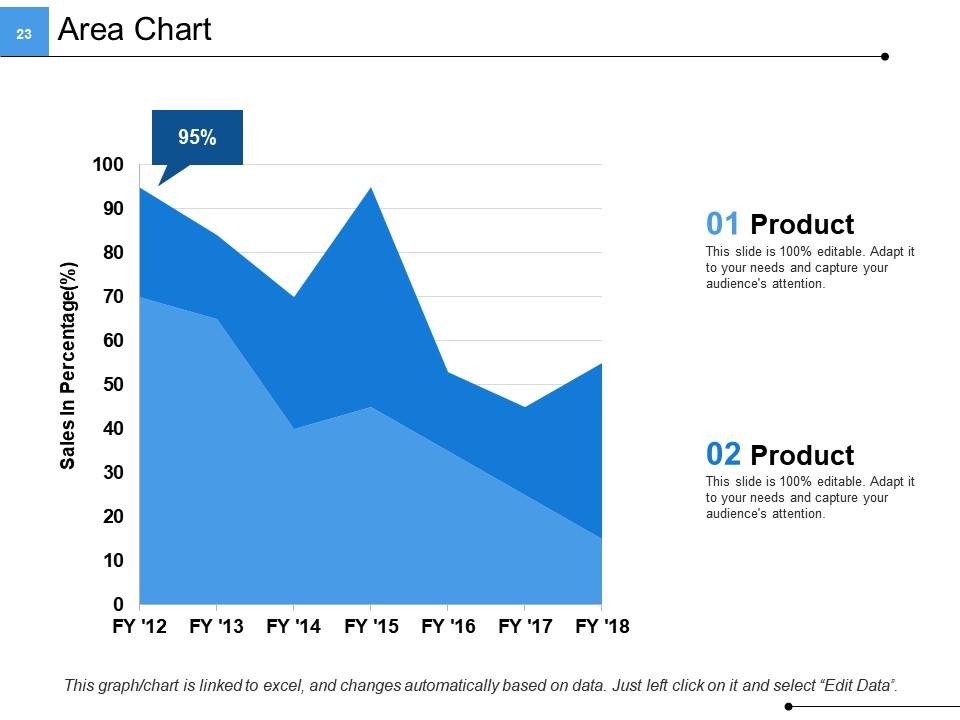
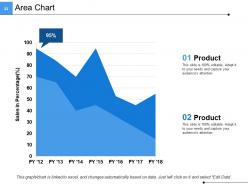
Slide 23: This is an Area Chart slide to present product/ entity comparison, information etc.
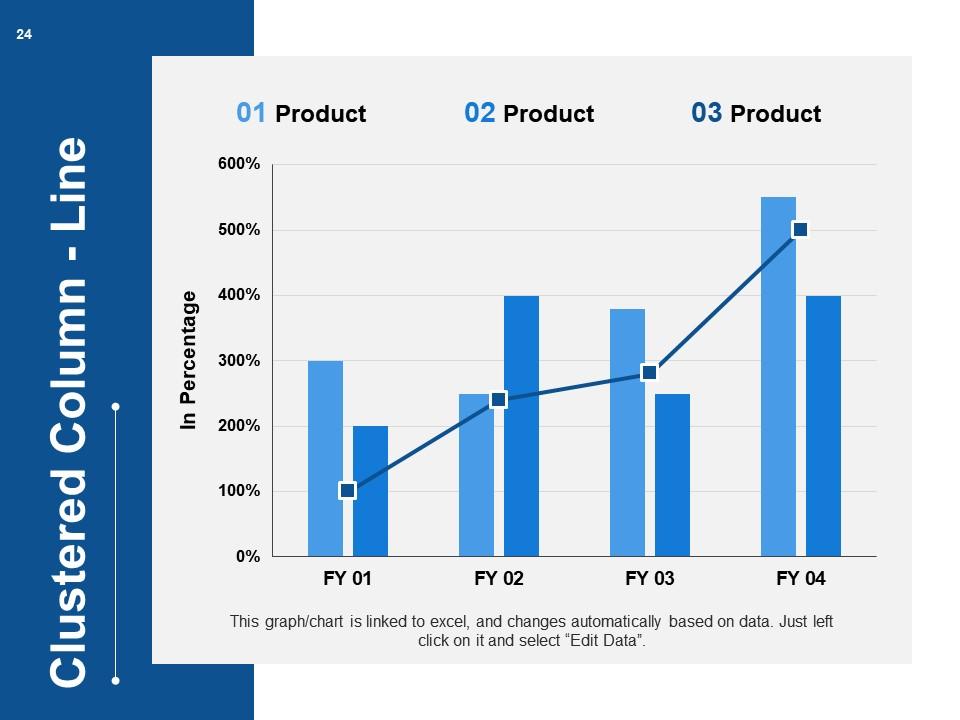
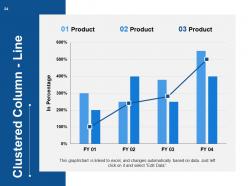
Slide 24: This is a Clustered Column - Line slide to present product/ entity comparison, specifications etc.
Slide 25: This slide contains Our Mission with text boxes and icon imagery.
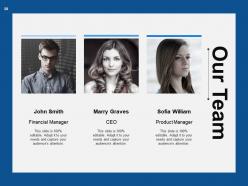
Slide 26: This slide showcases Our Team with Name and Designation to fill.
Slide 27: This is an About Us slide. State team/ company specifications here.
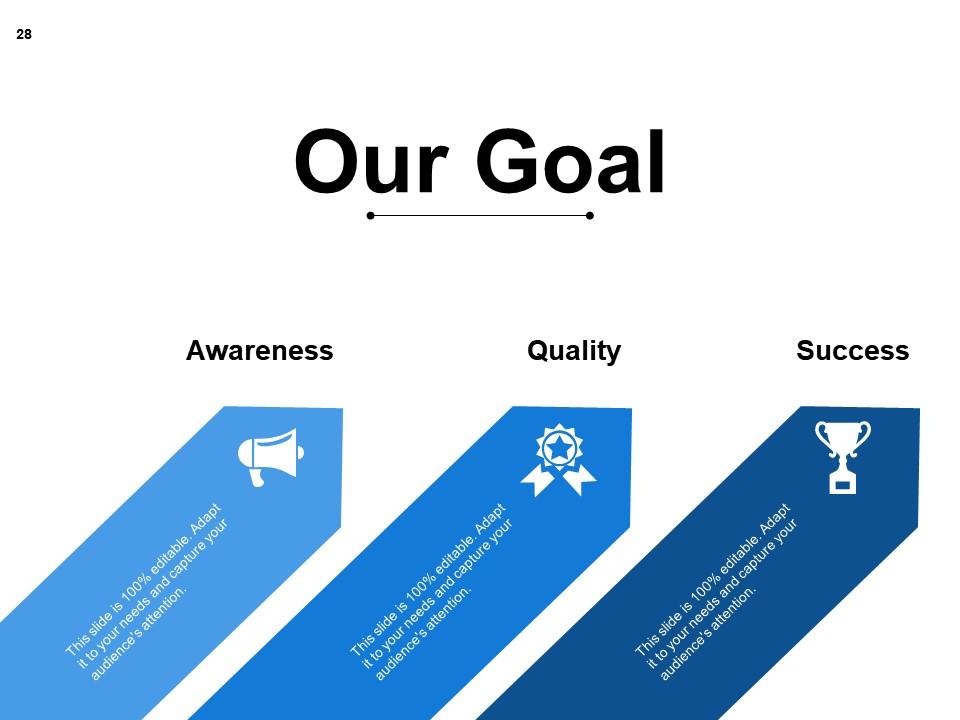
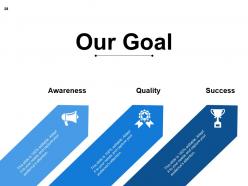
Slide 28: This is Our Goal slide to state your goals etc.
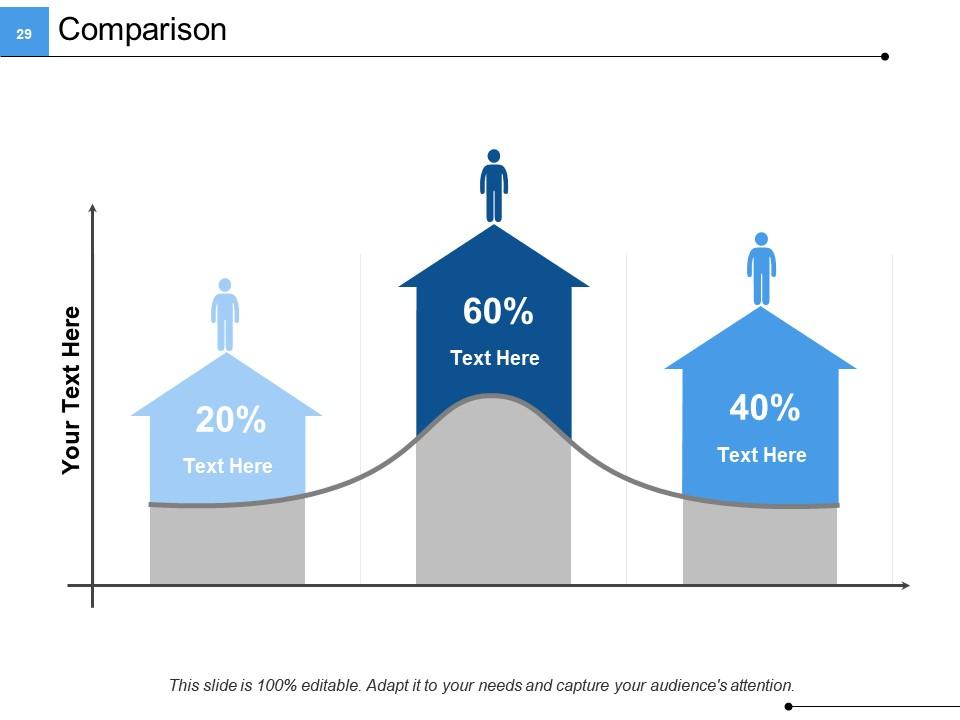
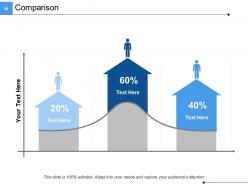
Slide 29: This slide shows Comparison in a creative graph image form. Use it for analysis, comparison etc.
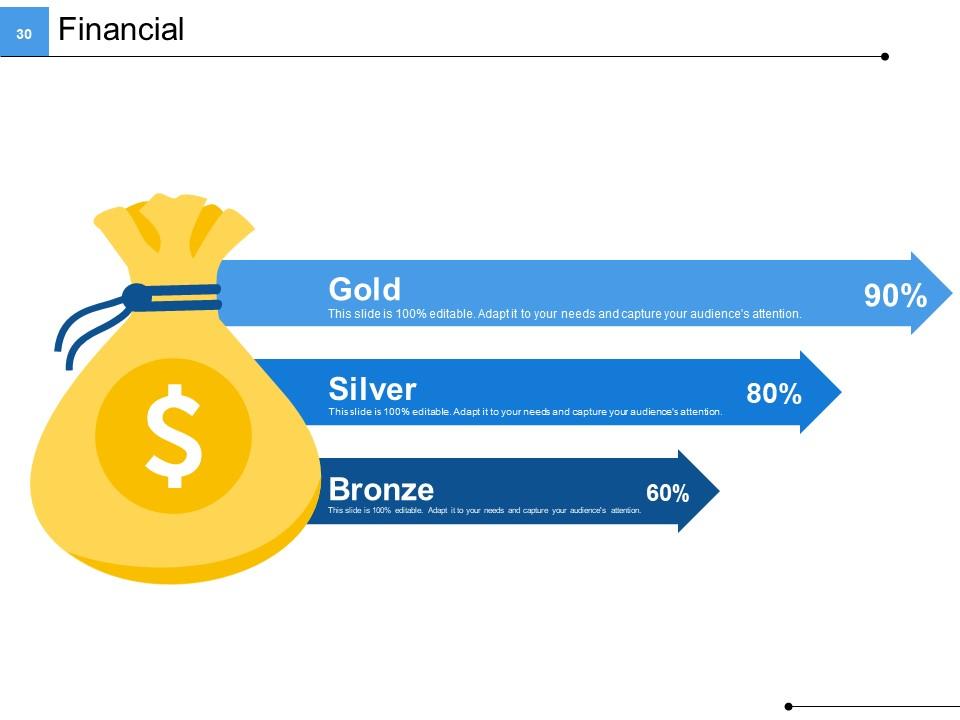
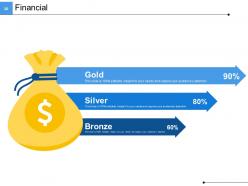
Slide 30: This is a Financial score slide. Use it to state financial aspects etc.
Slide 31: This is a Quotes slide to convey company/ organization message, beliefs etc. You may change the slide content as per need
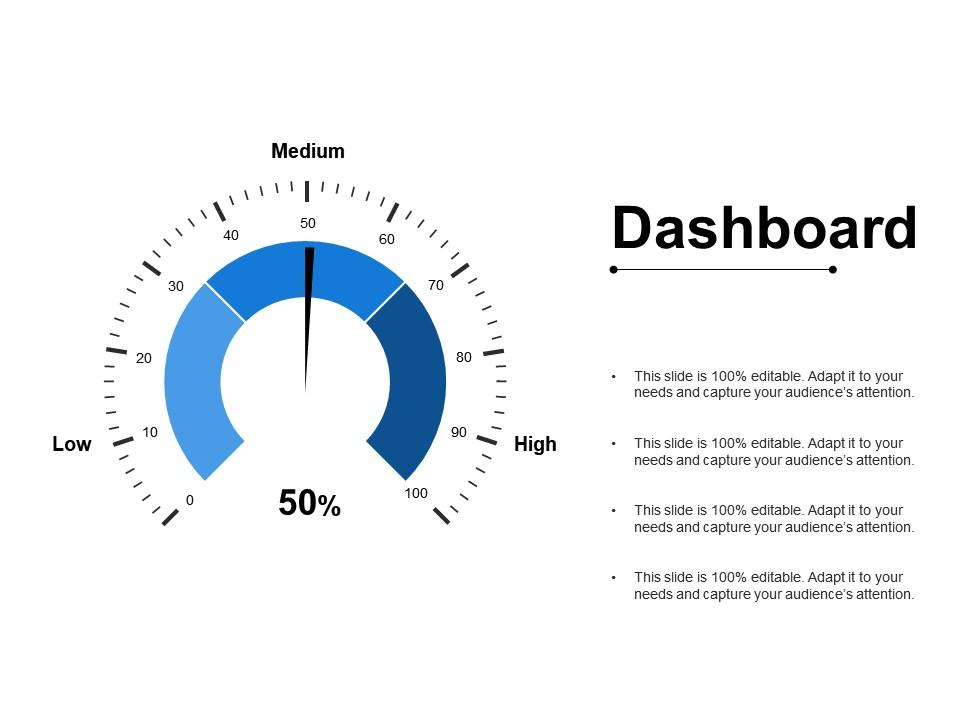
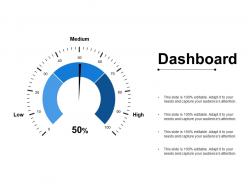
Slide 32: This is a Dashboard slide to state Low, Medium and High aspects, kpis, metrics etc.
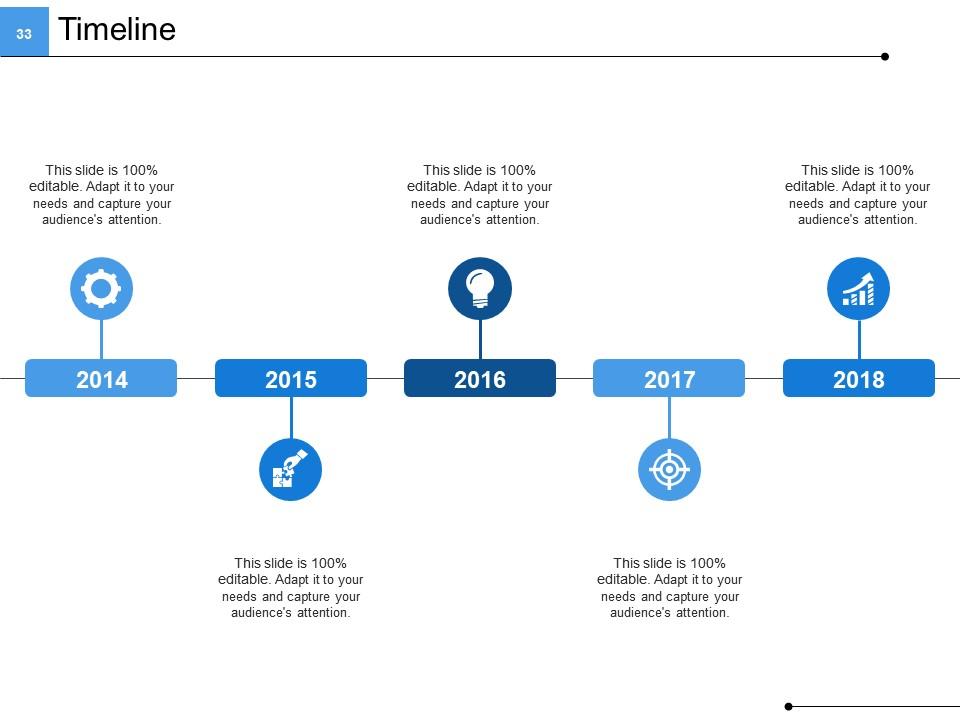
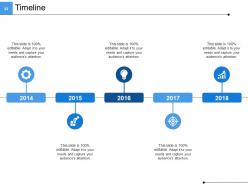
Slide 33: This is a Timeline slide to present important dates, journey, evolution, milestones etc.
Slide 34: This is a Silhouettes infographic slide to show information, specifications etc.
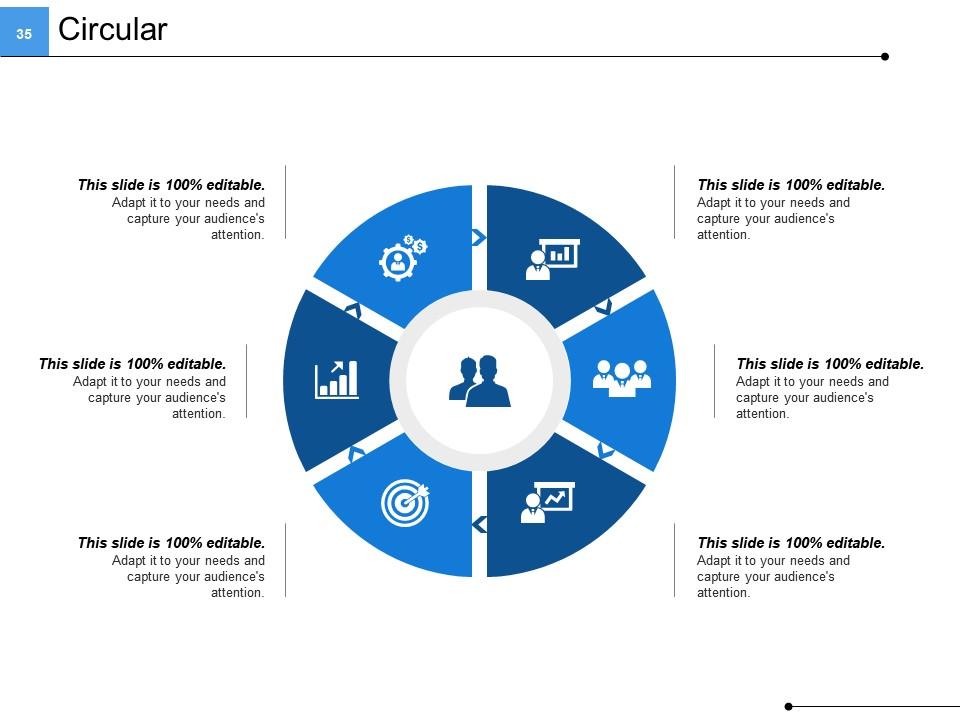
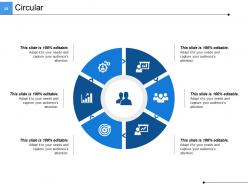
Slide 35: This is a Circular image slide. State specifications, information here.
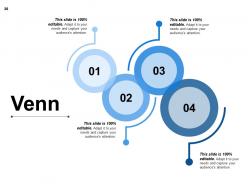
Slide 36: This is a Venn diagram image slide to show information, specifications etc.
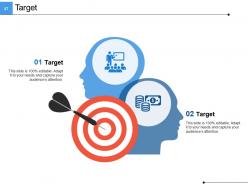
Slide 37: This is a Target slide with creative imagery. State targets, etc. here.
Slide 38: This is a Magnifying Glass image slide to show information, specifications etc.
Slide 39: This is a Mind map image slide to show information, segregation, specifications etc.
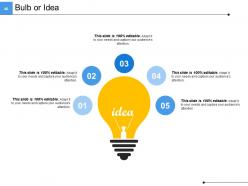
Slide 40: This is a Bulb or Idea image slide to show information, ideas, specifications etc.
Slide 41: This is a Thank You slide with Address# street number, city, state, Contact Numbers, Email Address.
Project Cost Powerpoint Presentation Slides with all 41 slides:
Convert data into decisions with our Project Cost Powerpoint Presentation Slides. They assist in making accurate calculations.
No Reviews
