


Product Launch Event Planning And Management Powerpoint Presentation Slides





Try Before you Buy Download Free Sample Product
 Impress Your
 Audience
 100%
100% Editable
 Save Hours
 of Time


Grab our insightfully designed template on Product Launch Event Planning and Management that incorporates all the activities of the event planning process. It includes venue booking, creating budgets and timelines, obtaining permits, etc. Our Project Management deck deals with arranging event equipment, risk management, live polling, and much more. Our Event coordination PPT showcases an overview of the company, its management team, and the services offered. It further comprises the organizations recent project information, an event industry market overview, and current trends. The event planning module presents the strategies for successful Project management and exhibiting pre, during, and post event activities. Furthermore, our event organization presentation contains a poster launch, developing a microsite, live polling, etc. Lastly, it covers the cost of company-provided services, challenges faced in the event, and related dashboards to track and analyze key performance metrics. Get access to our powerful Event Planning Powerpoint Presentation Slides template now.
People who downloaded this PowerPoint presentation also viewed the following :
Content of this Powerpoint Presentation
Slide 1: This slide introduces Product Launch Event Planning and Management. State your company name and begin.
Slide 2: This slide depicts the Agenda of the Presentation.
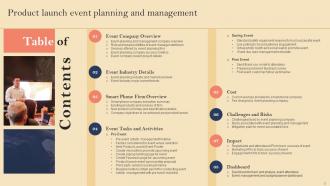
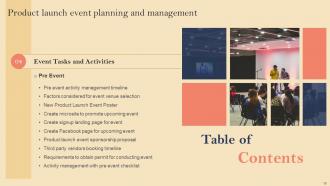
Slide 3: This slide shows Table of Content for the presentation.
Slide 4: This slide highlights title for topics that are to be covered next in the template.
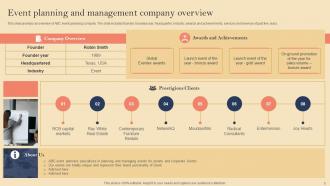
Slide 5: This slide elucidates the Event planning and management company overview.
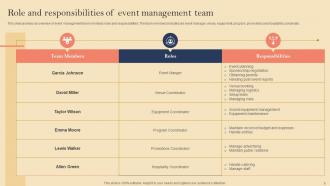
Slide 6: This slide states the Roles and Responsibilities of the Event Management team.
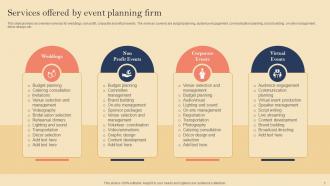
Slide 7: This slide gives a glimpse of the Services offered by the event planning firm.
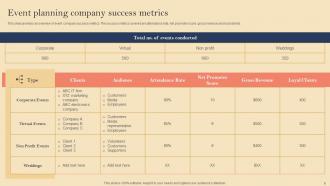
Slide 8: This slide elucidates the Event planning Company success metrics.
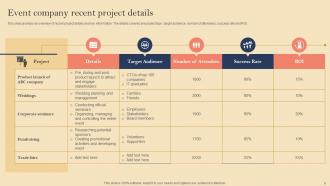
Slide 9: This slide provides an overview of recent project details and key information.
Slide 10: This slide contains the Title for the Topics to be covered in the next template.
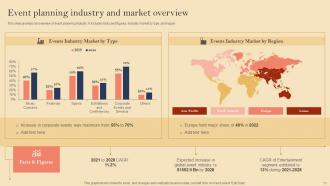
Slide 11: This slide displays the Event Planning industry and market overview.
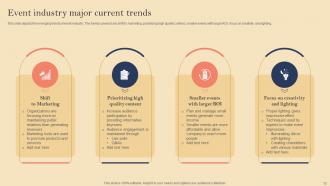
Slide 12: This slide showcases the Event industry major current trends.
Slide 13: This slide depicts the Heading for the Content to be discussed in the forth-coming template.
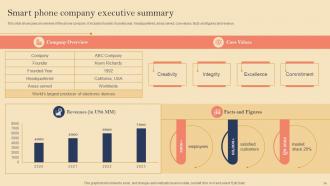
Slide 14: This slide reveals the Smart Phone Company executive summary.
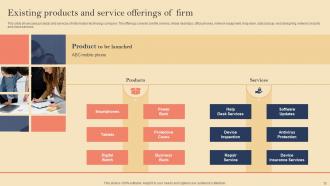
Slide 15: This slide shows the Existing products and service offerings of the firm.
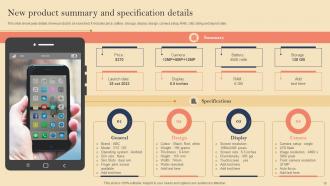
Slide 16: This slide describes the New product summary and specification details.
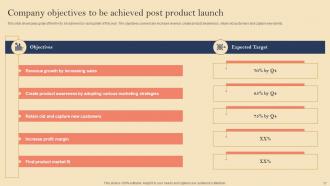
Slide 17: This slide presents the Company Objectives to be achieved post Product launch.
Slide 18: This slide includes the Heading for the Content to be discussed in the next template.
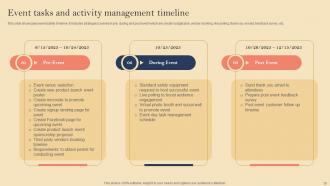
Slide 19: This slide showcases event tasks and activity management timeline.
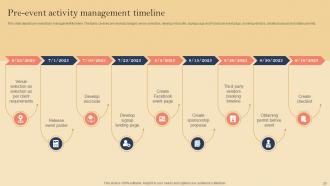
Slide 20: This slide depicts pre-event task management timeline.
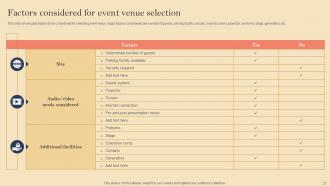
Slide 21: This slide elucidates the various factors to be considered for event venue selection.
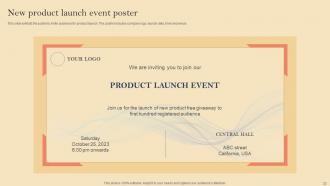
Slide 22: This slide exhibits the New Product Launch Event Poster.
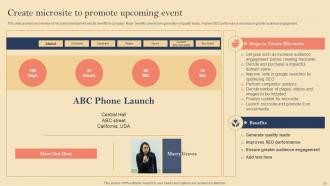
Slide 23: This slide provides an overview of microsite development and its benefits to the company.
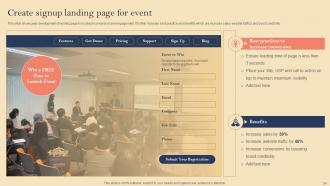
Slide 24: This slide highlights the Creation and Development of landing page to increase conversion and engagement.
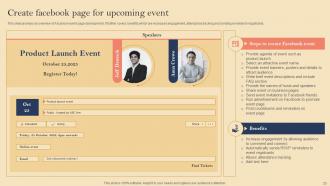
Slide 25: This slide depicts the Creation of the Facebook page for an upcoming event.
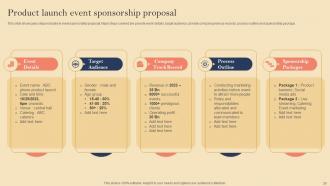
Slide 26: This slide showcases steps included in event sponsorship proposal.
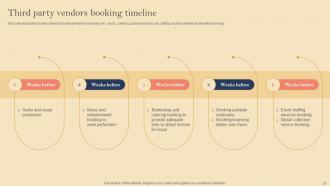
Slide 27: This slide incorporates the Third Party vendors booking timeline.
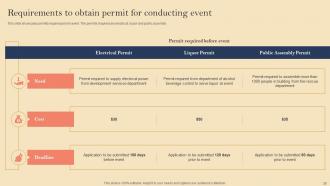
Slide 28: This slide includes the Requirements to obtain permit for conducting events.
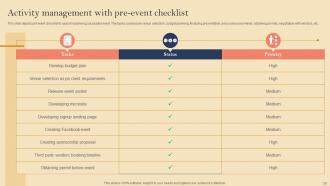
Slide 29: This slide covers the Activity management with pre-event checklist.
Slide 30: This slide provides information about the Heading for the Topics to be discussed in the upcoming template.
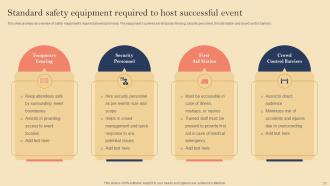
Slide 31: This slide is an overview of safety equipment's required to host successful events.
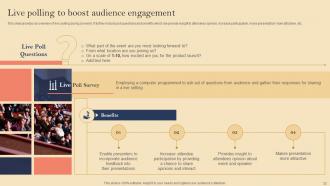
Slide 32: This slide showcases the Live polling to boost audience engagement.
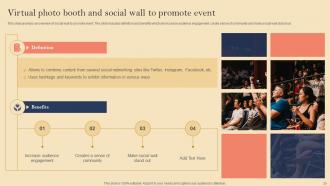
Slide 33: This slide displays the Virtual photo booth and social wall to promote an event.
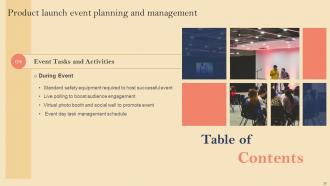
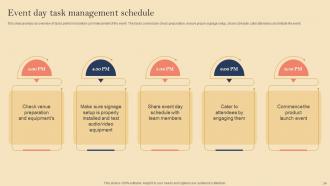
Slide 34: This slide presents the Event day task management schedule.
Slide 35: This slide states the Title for the Content to be discussed in the following template.
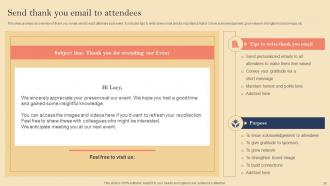
Slide 36: This slide shows the procedure of Sending personalized emails to all attendees.
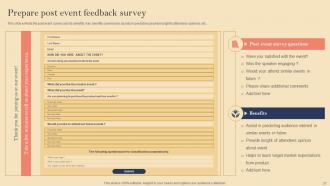
Slide 37: This slide exhibits the Preparation of Post event Feedback survey.
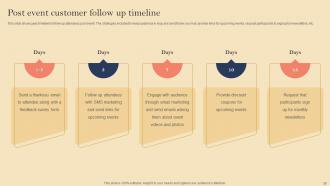
Slide 38: This slide showcases timeline to follow up attendees post event.
Slide 39: This slide depicts the Title for the Topics to be covered in the next template.
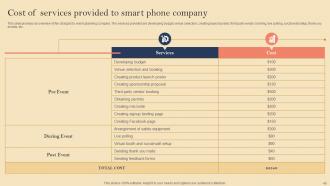
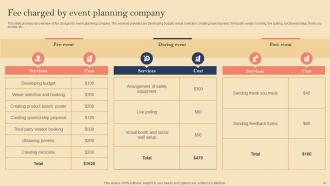
Slide 40: This slide incorporates the Cost of services provided to the Smart Phone Company.
Slide 41: This slide provides an overview of fee charged by event planning company.
Slide 42: This slide includes the Heading for the Topics to be covered in the following template.
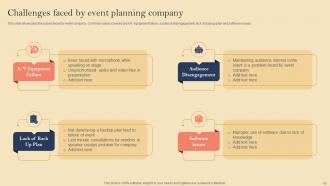
Slide 43: This slide showcases the issues faced by event company.
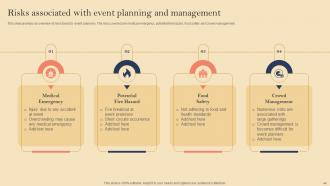
Slide 44: This slide reveals the Risk associated with the event planning and management.
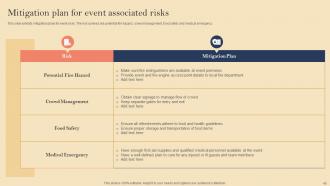
Slide 45: This slide exhibits mitigation plans for event risks.
Slide 46: This slide shows the Heading for the Content to be discussed in the next slide.
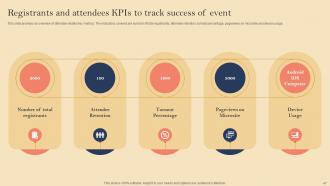
Slide 47: This slide provides an overview of the Registrants and attendees KPIs to track event's success.
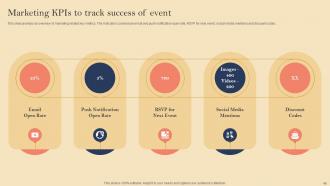
Slide 48: This slide covers the Marketing KPIs to track event's success.
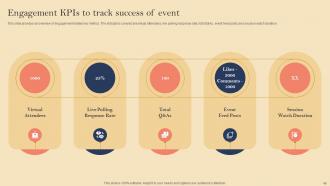
Slide 49: This slide displays the Engagement KPI's to track the success of an event.
Slide 50: This slide states the Title for the Topics to be covered in the next slide.
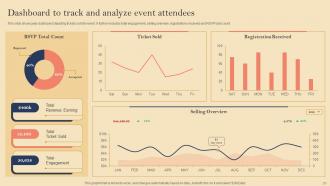
Slide 51: This slide showcases the Dashboard to track and analyze event attendees.
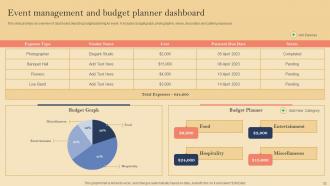
Slide 52: This is the Event management and budget planner Dashboard slide with tables and charts.
Slide 53: This is the Icons slide containing the numerous icons used in the presentation.
Slide 54: This slide is titled as the Additional Slides for giving some additional information.
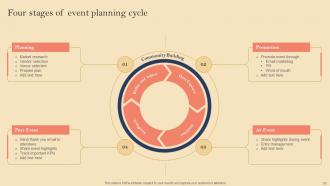
Slide 55: This slide depicts the Four stages of event planning cycle with related imagery.
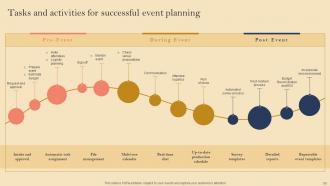
Slide 56: This slide illustrates the Tasks and activities for successful event planning.
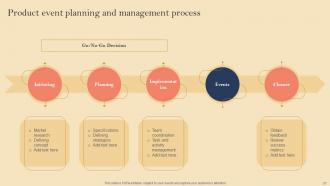
Slide 57: This slide shows the Product event planning and management process.
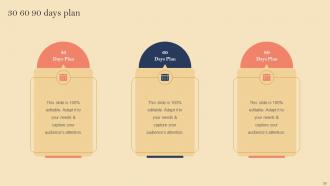
Slide 58: This slide provides 30 60 90 Days Plan with text boxes.
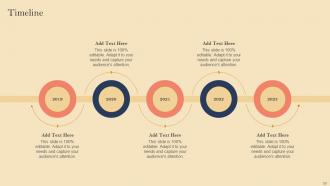
Slide 59: This is a Timeline slide. Show data related to time intervals here.
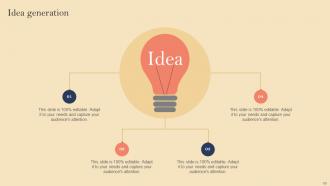
Slide 60: This is an Idea Generation slide to state a new idea or highlight information, specifications etc.
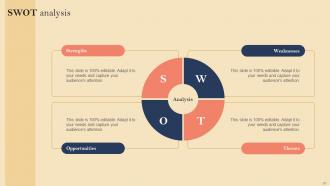
Slide 61: This slide shows SWOT describing- Strength, Weakness, Opportunity, and Threat.
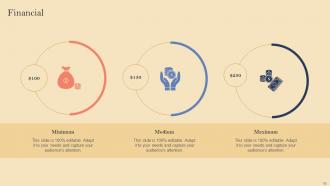
Slide 62: This is a Financial slide. Show your finance related stuff here.
Slide 63: This slide shows Post It Notes. Post your important notes here.
Slide 64: This slide contains Puzzle with related icons and text.
Slide 65: This is a Thank You slide with address, contact numbers and email address.
Product Launch Event Planning And Management Powerpoint Presentation Slides with all 70 slides:
Use our Product Launch Event Planning And Management Powerpoint Presentation Slides to effectively help you save your valuable time. They are readymade to fit into any presentation structure.





FAQs for Product Launch Event Planning And Management
Look, before you stress about venues and catering, figure out what you actually want from this thing. What's your main goal - creating hype, pushing sales, or just getting people to understand your product? Next up: who's your audience and what should they do after they leave? Set some real numbers you can track too - how many people, press coverage, leads, whatever matters to your business. I swear half the launch events I go to are gorgeous but totally pointless because nobody thought this stuff through first. Once you nail these basics down, picking everything else becomes so much simpler. Write it all down and make sure your team gets it.
First thing - dig into your CRM and analytics to see who's actually buying from you. Demographics, job titles, what keeps them up at night. But here's the kicker: the person using your product often isn't writing the check. Map out that whole buying committee because you need decision-makers there, not just the cheerleaders. Your sales team probably has solid intel on which prospects actually close too. Once you've got this figured out, picking the right venue and timing becomes way easier. Honestly, a simple one-page doc with your ideal attendee profile will save you tons of headaches later.
Okay so main costs you're looking at: venue, catering, tech stuff, marketing materials, and paying your team. Get quotes early because good venues disappear crazy fast, especially during busy seasons. Those random expenses always sneak up on you though - like shipping demo products or when someone decides to redesign everything last minute. Honestly, I'd set aside like 15-20% extra because something always costs more than expected. Start with what you absolutely need first. Then if there's money left over, add the fun extras.
Honestly, picking the right venue can totally make or break your launch. You need something that actually fits your brand - not just whatever looks cute for photos. Think about the practical stuff too: sound system, how people will move around, where they'll eat. I learned this the hard way when I picked a space that was way too big and everyone just stood awkwardly by the entrance. Visit places in person if you can. You'll get a gut feeling about whether it works. Trust me, a cramped room kills the vibe just as much as one that's too massive.
Honestly, you'll want to keep things moving - like 20-30 minute chunks before switching it up completely. Mix demos with Q&As and maybe throw in some surprise moments too. Trust me, sitting through 3 straight hours of presentations is brutal (been there). Get people involved as much as possible. Polls work great, live questions, hands-on stuff. Put your biggest announcements first when everyone's still awake, then use your best speakers for the middle drag. Oh, and definitely have tech backup plans ready - because something always breaks at the worst moment. End with clear action items so people actually know what to do next.
Start dropping teaser content on social about a month out - maybe 6 weeks if it's huge. Email campaigns work great for the details, and definitely hit up some influencers. Give your existing customers early access or exclusive previews. Makes them feel special plus creates that whole FOMO thing. Press releases are still worth doing (I know, feels old school but whatever). Industry publications might pick it up. Paid social helps you reach new people beyond your usual crowd. Just keep everything consistent - same vibe, same messaging. Ramp up the frequency as launch gets closer. Oh, and don't forget clear CTAs on everything.
Track the obvious stuff first - attendance, leads generated, media mentions, social engagement. But honestly? The real gold is in conversations with people who showed up. Were they genuinely pumped about your product or just there for free swag? Post-event sales matter most obviously. I'd send a survey within 48 hours while it's fresh. Also watch for follow-up questions and demo requests - that's usually a good sign people actually cared about what you presented.
Honestly, start simple with Eventbrite for registration - it's pretty foolproof. Slido saved my butt at the last conference I ran because interactive polls actually keep people awake (boring presentations are the worst). If you're doing virtual stuff, Zoom obviously, but Hoppe's decent for networking too. Oh and grab Asana or something similar to keep your team from losing their minds during planning. I made that mistake once - never again. Don't go crazy with too many tools at first though. Pick like two solid ones and add more if you need them later.
Get at least 3 quotes for each thing - catering, AV, decor, whatever you need. Don't just look at price though. Make sure they've done product launches before because honestly, the energy is way different than like a wedding or boring corporate thing. Call their references (ugh I hate phone calls too but do it anyway). Double-check they can handle your headcount and any weird requirements you have. Oh and definitely meet them first - video chat works - since you'll be stuck with them all day. Their personality matters more than you think. Once you pick someone, book them immediately because good vendors get snatched up fast.
Okay so first thing - get everything written down in a detailed run-of-show doc. Then do a full tech rehearsal the day before because something always breaks. Make sure one person handles all vendor communication or you'll go insane with everyone calling you. Your team needs to be there 2 hours early minimum. Honestly, keep a printed timeline too since your phone will definitely die when you need it most. Oh and create a contact sheet with everyone's numbers - caterers love showing up at random times. Test all the AV stuff, lighting, demos, everything.
Make a hashtag for your event and get people posting during it. Behind-the-scenes Instagram Stories are gold - way better than just formal shots. Live-tweet the good stuff as it happens. LinkedIn Live is actually pretty easy if you want to try it, though I know it sounds scary. After everything wraps up, milk all that content for at least a week. Turn speaker quotes into carousel posts, dump all your photos, repost what attendees shared. Seriously though, plan your post-event content beforehand or you'll be posting random crap just to stay active.
Dude, skip the boring presentation thing. Set up stations where people can actually mess around with your product themselves - way better than just talking at them. Live competitions are money, especially with prizes (doesn't matter if it's just a cheap t-shirt, people go crazy for free stuff lol). If you're confident your product kicks ass, do side-by-side demos with competitors. Before/after comparisons work too. The whole point is letting them feel how awesome it is instead of you just telling them. Trust me, hands-on beats PowerPoint every single time.
Get surveys out within 48 hours while everything's still fresh - trust me, response rates tank after that. Mix rating scales with open questions about content and logistics. I always ask "what would you change?" because honestly, people love to complain constructively! Set up a feedback email or Slack channel too for later thoughts. Your event team and vendors catch stuff you totally miss, so debrief with them. Oh, and actually USE the feedback next time - asking then ignoring it is the worst.
Strike while the iron's hot - hit up attendees within 48 hours with those demos or resources they asked about. Hot leads get priority for calls, obviously. Don't let your hashtag die either (I've seen so many events waste great momentum here). Turn your best announcements into blog posts or quick videos. Automated email sequences work great if you segment by how people acted at the event. Here's the thing though - you've got to book that next touchpoint fast. Whether it's a webinar or demo, schedule it before everyone forgets you exist.
Working with influencers is honestly a game-changer for launches. You get instant credibility plus their audience actually trusts what they say - beats random ads every time. The social proof alone is worth it when respected people vouch for your stuff. Don't just chase follower counts though. Find people whose audience matches who you're targeting. I learned this the hard way lol. Start reaching out like 6-8 weeks early because the good ones get booked up super fast. Their engaged followers will check out your launch way more than cold traffic ever would.
-
Delighted to see unique and eye-catching PowerPoint designs that are so easy to customize.
-
Innovative and Colorful designs.