

Product Strategy Framework Powerpoint Ppt Template Bundles





Try Before you Buy Download Free Sample Product
 Impress Your
Audience
 100%
Editable
 Save Hours
of Time


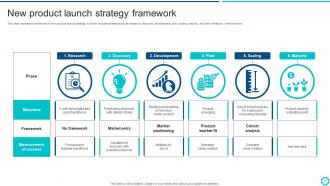
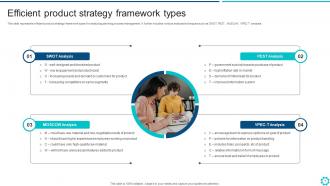
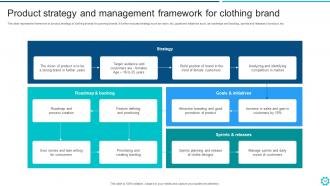
Introducing our comprehensive Product Strategy Framework PowerPoint PPT presentation, a game changing tool designed to empower businesses with successful product launches. This dynamic resource unveils a systematic approach to crafting winning product strategies, tailored for diverse markets. With a focus on e commerce and digital product strategies, this PPT delves into essential elements such as market analysis, competitive research, target audience identification, and positioning. Discover how to leverage market trends and customer insights to design innovative and compelling products that resonate with your audience. Navigate through the intricacies of product development, pricing, distribution, and promotional tactics, backed by real world case studies and best practices. Unlock the potential for exceptional product success and elevate your brands market presence with our Product Strategy Framework PPT. Master the art of product launches and seize new opportunities in the ever evolving business landscape.
People who downloaded this PowerPoint presentation also viewed the following :
Product Strategy Framework Powerpoint Ppt Template Bundles with all 22 slides:
Use our Product Strategy Framework Powerpoint Ppt Template Bundles to effectively help you save your valuable time. They are readymade to fit into any presentation structure.












FAQs for Product Strategy Framework Powerpoint
You need vision/mission stuff, target market, competitive positioning, and value prop. Product roadmap priorities too. Success metrics are huge - seriously, everyone thinks they'll figure those out later and it always bites them. Go-to-market plans and resource allocation, obviously. The real trick though? Making sure this isn't just a bunch of disconnected documents sitting in different folders. I'd start by writing down what you already have for each piece, then figure out which gaps are actually stopping your team from making decisions right now.
Look, market research is basically your safety net against building stuff nobody wants. It shows you what customers are actually dealing with vs what's in your head. I've watched so many teams just... skip this part? Then wonder why their features flop. Talk to real users - not just surveys or reports. Those conversations will completely change how you think about pricing and what to build first. Research helps you find the gaps your competitors missed and figure out which problems are worth solving. Trust me, it's way better than guessing.
Dude, customer feedback is literally your reality check - tells you if you're solving actual problems or just building stuff you think is neat. Use it to validate assumptions and figure out what to prioritize next. I've watched so many teams ignore this and then act shocked when nobody uses their product lol. Don't wait for feedback to come to you though. Hunt it down through surveys, interviews, whatever. The tricky part? People say one thing but do another, so watch for those gaps. Set up regular check-ins so you're always adjusting based on real user needs.
Honestly, I'd go with a scoring matrix - something like RICE (Reach, Impact, Confidence, Effort) works great because it makes you put actual numbers on things instead of just winging it. Map everything back to your main goals and user personas too. The hardest part? Getting everyone to agree on the scoring criteria beforehand - trust me on this one. List out all your features first, score them the same way across the board, then rank by total score. Makes it way easier to explain to stakeholders why feature A beat feature B.
Honestly, start by getting everyone to help build the product vision doc together - people actually care when they've had input. Bi-weekly strategy syncs are your friend for catching blockers early. OKRs work great since teams can see exactly what they're working toward. Cross-functional workshops break down those annoying silos (plus strategy stops feeling so theoretical). Create a simple one-pager with your key themes that people can actually reference without digging through decks. The whole thing has to feel collaborative though - nobody wants strategy shoved down their throat.
Honestly, you gotta watch both sides of this. Leading stuff like engagement and feature adoption gives you early warning signs - super helpful. Revenue and retention are what actually matter but they're slow to change. Pick maybe 3-5 metrics tops or you'll drown in spreadsheets (learned this the hard way). Monthly check-ins work well, just focus on trends instead of single data points. Oh, and figure out what "winning" looks like first - sounds obvious but most people skip this step. Short sentences mixed with longer ones keep it readable when you're presenting to stakeholders.
Don't try pleasing everyone - that's a recipe for disaster. Talk to actual users before building anything, seriously. I've watched teams waste months on features nobody cared about because they got obsessed with their "brilliant" ideas instead of solving real problems. Skip the vague goals too. "Boost engagement" means nothing - define what winning looks like upfront. Oh, and do your competitive research even if you think you're revolutionary (spoiler: you're probably not). Set clear metrics from day one and keep users in the loop constantly.
Product strategy is all over the place depending on your industry. Tech companies obsess over UX and shipping fast. Manufacturing? You're dealing with supply chains and compliance headaches instead. Healthcare takes forever - those approval processes are brutal. Consumer brands fight for shelf space and brand recognition. B2B software focuses on solving actual business problems and showing clear ROI. The timelines are completely different too. Honestly, I'd look at 2-3 companies doing well in your exact space first. Don't try to reinvent the wheel when you can learn from what's already working.
Check your strategy every quarter, minimum. Don't just wait for revenue to tank - though honestly, that's usually what gets the C-suite to finally listen. Track the early stuff instead: how users are acting differently, what competitors are doing, market shifts. Have your decision frameworks ready beforehand. When things change (and they will), you can quickly figure out if you need to pivot features or maybe go after different customers entirely. Oh, and keep your strategy docs updated - nobody wants to reference some dusty presentation from months ago.
Honestly, a product vision is like your team's GPS - it stops everyone from wandering off in random directions. I've watched so many teams just... build stuff without any real purpose behind it, and it's a mess. When someone suggests a feature, you can actually check if it fits your bigger picture instead of just saying "sounds cool, let's do it." Your stakeholders will get why they should care long-term too. Write one sentence that's specific enough to help with decisions but doesn't sound boring. Oh, and make sure your team actually gives a damn about it - otherwise it's just wall decoration.
Yeah definitely dig into competitor analysis - it's clutch for finding market gaps and backing up your product calls. I'm always creeping on their G2 reviews (probably too much lol) but the complaints section is literally a goldmine for opportunities. Check out their pricing models too, plus you can usually guess their roadmap from job postings they put up. Their positioning tells you a lot about what features they think matter most. The real trick though? Don't just copy their playbook. Use all that intel to figure out how you'll actually be different and what to build first.
Honestly, Miro's probably your safest bet here - tons of strategy templates you can just steal and tweak. Mural's solid too for the visual stuff. If your team's already living in Figma, might as well stick with what you know? Notion works if you want that weird hybrid doc thing, though I find it gets messy fast. Lucidchart's good for the more buttoned-up frameworks. Really depends on whether your team actually collaborates or just pretends to. Start with Miro though - it's designed for exactly this kind of work.
Start with connecting your product metrics to actual business numbers - feature adoption to revenue, retention to customer lifetime value, that stuff. I make a simple chart showing these links because it's so easy to get buried in product weirdness and lose sight of what actually matters for the business. Monthly check-ins with leadership work well (quarterly if things are more chill). Build your roadmap around business goals first, then work backwards to figure out which features you need. Oh and document this stuff where everyone can see it - your team needs to understand how their daily work ties to company wins.
Look, innovation's what stops your product from becoming yesterday's news. Competitors will eat your lunch if you're not evolving with what customers actually want. But here's what's wild - it doesn't have to be some crazy breakthrough feature. Sometimes it's just tweaking your process or finding a better way to solve problems. I've seen companies get obsessed with being "innovative" without thinking about whether it makes sense. Don't do that. Focus on stuff that actually moves the needle for your goals and fixes real customer pain points. Short bursts of smart changes beat flashy gimmicks every time.
Your roadmap should be flexible, not set in stone. Break everything into 4-6 week chunks instead of those massive quarterly plans that never work out anyway. Run quick experiments to test your assumptions, then use sprint reviews as strategy check-ins. The best product teams I know aren't afraid to pivot when data shows they're wrong. Keep your big vision intact but stay loose on execution. Oh, and definitely build in regular strategy retrospectives - you'd be surprised how much clarity you get from just stepping back occasionally. Short cycles are your friend here.
-
Excellent Designs.
-
Loved the templates on SlideTeam, I believe I have found the go to place for my presentation needs!