


Department Strategic Plan Powerpoint Ppt Template Bundles




Try Before you Buy Download Free Sample Product
 Impress Your
 Audience
 100%
100% Editable
 Save Hours
 of Time


Our Department Strategic Plan Powerpoint Ppt Template Bundles are topically designed to provide an attractive backdrop to any subject. Use them to look like a presentation pro.
People who downloaded this PowerPoint presentation also viewed the following :
Department Strategic Plan Powerpoint Ppt Template Bundles with all 17 slides:
Use our Department Strategic Plan Powerpoint Ppt Template Bundles to effectively help you save your valuable time. They are readymade to fit into any presentation structure.
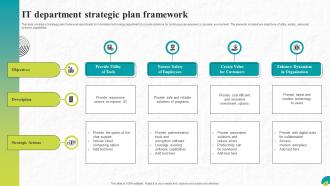
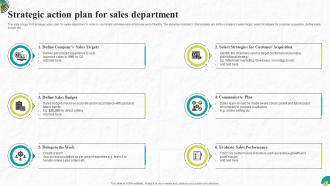
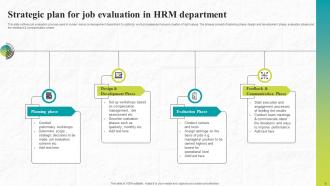
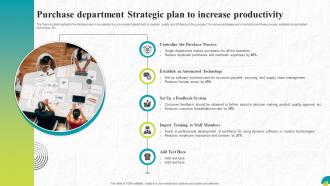






FAQs for Department Strategic Plan Powerpoint
Okay so for your strategic plan, you need five main things. Mission and vision first - I know they sound cheesy but trust me, they actually matter. Next, pick 3-5 specific objectives that connect to your company's bigger goals. Each objective needs measurable KPIs and realistic deadlines. Figure out your budget and resources upfront too, because there's nothing worse than planning something you can't afford. Last thing - assign ownership for everything. Someone's gotta be responsible or stuff just doesn't happen. Keep it straightforward, don't overthink it.
First thing - figure out what your company's vision actually means day-to-day, not just the polished version they put on the website. Map your department's goals directly to those bigger priorities. I know it sounds weird, but literally drawing lines between them on paper actually works (tried it myself). Each project you're working on should clearly connect to the company's main objectives. Be specific about how, not just "this supports growth" or whatever. Oh and definitely set up time with leadership to make sure you're on the right track. They'll appreciate you asking.
Pick 3-5 metrics that actually connect to what you're trying to accomplish - revenue growth, customer satisfaction, employee retention, whatever makes sense for your goals. Don't get sucked into vanity metrics that look impressive but don't really matter. I've seen teams waste so much time on those. Make sure you can track them consistently too, because there's nothing more frustrating than choosing something you can't measure properly. Keep them specific and time-bound. The whole point is knowing if you're actually making progress on the stuff that counts, so map each one back to your real objectives.
Don't just ask for feedback at the end - that's basically useless. Survey your main stakeholders first to figure out what they actually care about. Focus groups work great, but honestly? One-on-ones with department heads and frontline people give you the real dirt. They know what's actually broken. Also grab input from external partners or customers who'll be impacted. Here's the thing though - you have to show people how their feedback changed the plan. If they think you're just going through the motions, good luck getting them to participate next time.
Look, market research is basically your reality check - shows you what's actually going down vs what you think is happening. You can spot gaps, figure out what customers really want, catch trends that'll hit in the next few years. Without it? You're just guessing, and that always bites you later. The data helps you pick which opportunities are worth chasing and what threats to watch for. Oh, and definitely check that market analysis in the shared folder before your planning thing - saved me from making some questionable calls last quarter.
Check it every six months, but do a deep dive annually. Honestly, a year feels like forever these days with how fast stuff changes. Mid-year reviews are perfect for small tweaks - just making sure you're not totally off track. The annual one's where you really dig into everything: goals, numbers, what's happening in your market, budget changes, all that. I'd literally put both dates in your calendar right now. Trust me, when you're swamped later you'll be tempted to skip it, but don't. Future you will definitely appreciate staying on top of this stuff.
Honestly, the worst part is always resource constraints and getting your team to actually care. Daily fires will derail everything if you let them. Communication falls apart fast too - half the team forgets the plan exists or has no clue what they're supposed to do. Unrealistic timelines are basically guaranteed failure, learned that one the hard way. You absolutely need executive backing before you start anything, trust me on that. Set up regular check-ins from the beginning or you'll lose momentum completely. Change management sounds boring but it's literally make-or-break for keeping people aligned.
Honestly, you've gotta make it routine or it just won't stick. Monthly sync meetings work - yeah, they feel pointless at first but they catch problems early. Shared dashboards help too so people actually see how their stuff connects to everyone else's work. The trick is showing teams that helping others helps them too, not just making it some company mandate. I'd start small though - pick maybe two projects that naturally need multiple teams and use those as test cases. Once people see it working, they'll buy in way easier.
Hit up Sarah in Corporate Strategy first - she's super helpful and knows which resources actually work for different departments. The corporate planning team has templates that aren't terrible once you figure them out. Check the intranet for their strategic planning toolkit too (has stakeholder mapping, SWOT worksheets, all that stuff). Those quarterly workshops are honestly worth going to even though they sound boring - they break everything down pretty well. Oh, and the goal-setting frameworks are solid if you're into that structured approach.
Look, tech actually makes strategic planning way less painful. Project management tools like Asana keep everything organized instead of having stuff scattered everywhere. Real-time dashboards beat the hell out of endless spreadsheets - you can actually see what's working. Survey platforms make gathering feedback super easy too. The collaboration part is huge since your team can work from anywhere without version control nightmares. Oh, and automated data collection saves tons of time. My advice? Just pick one tool that fixes your biggest headache right now and go from there.
Honestly, you've gotta build in check-ins every few months so you're not stuck following some plan you made ages ago. Focus on what outcome you want, not exactly how to get there - gives you wiggle room when stuff changes. Track maybe 3-4 metrics that actually tell you something useful instead of drowning in spreadsheets (learned that one the hard way). The biggest thing though? Have a quick way to make calls when random opportunities show up. I've watched so many good plans crash because people got way too rigid about following them exactly.
Honestly, I'd go multi-channel with this. Email the plan but also do team meetings to walk through it - people learn differently, you know? Make a one-page summary with the key stuff everyone can actually reference. Those massive 20-page docs just die in inboxes anyway. Set up some Q&A time so people can ask questions and figure out how their work fits the bigger goal. Oh, and don't forget to bring it up in your weekly check-ins. Otherwise it'll just fade into background noise pretty fast.
You gotta figure out what actually motivates each person on your team first. Have real conversations - not just surface level stuff. What do they want? More skills, recognition, career moves, whatever. Then connect those personal goals to the big company stuff you need done. Most managers totally skip this part and wonder why nobody cares about quarterly targets or whatever. I learned this the hard way at my last job honestly. Keep checking in regularly and celebrate the small stuff too. Once people see how hitting these strategic goals helps THEM, everything changes. Try mapping it out this week.
Okay so first thing - grab a simple scoring system and rate each initiative on impact, feasibility, and how well it matches company goals. The highest scorers become your priorities, obviously. I know it feels weird ranking your own ideas, but you gotta be ruthless here! Look at dependencies too - some projects probably can't start until others finish. Mix in a few quick wins with your bigger long-term stuff so people stay motivated. Oh and definitely make some kind of visual roadmap. Trust me, when people can actually see why you chose what you chose, there's way less pushback later.
Honestly, three things always trip people up - money/staffing issues, other urgent stuff stealing attention, and teams just not wanting to change. Budget gets slashed or key people leave? Your timeline's toast. Plus everyone's constantly putting out fires instead of focusing on the bigger picture. People hate new processes - I swear some of the best strategies I've seen crashed and burned because nobody actually wanted to do things differently. What works: pad your timeline with extra resources, explain why you're changing things (like, a lot), find internal cheerleaders to help sell it. Break everything into quick wins too. Keeps people motivated when roadblocks inevitably show up.
-
Love the template collection they have! I have prepared for my meetings much faster without worrying about designing a whole presentation from scratch.
-
The PPTs are extremely simple to modify. Thank you for providing the slides that are ready to be used. They assist me in saving a lot of time.