

Procurement Strategy Powerpoint Ppt Template Bundles





Try Before you Buy Download Free Sample Product
 Impress Your
Audience
 100%
Editable
 Save Hours
of Time


Our Procurement Strategy Powerpoint Ppt Template Bundles are topically designed to provide an attractive backdrop to any subject. Use them to look like a presentation pro.
People who downloaded this PowerPoint presentation also viewed the following :
Procurement Strategy Powerpoint Ppt Template Bundles with all 17 slides:
Use our Procurement Strategy Powerpoint Ppt Template Bundles to effectively help you save your valuable time. They are readymade to fit into any presentation structure.








FAQs for Procurement Strategy Powerpoint
Start by mapping out where you're actually spending money - which categories matter most for value or create the biggest headaches. Market conditions are key too, like supplier availability and pricing trends. Your internal stakeholders will have their own needs (and they'll definitely let you know about them). Don't ignore compliance stuff either. Risk assessment is probably the biggest piece - supplier reliability, geographic concentration, all that. Oh, and factor in your company's broader goals and sustainability commitments if they're pushing that. Map your current situation first, then prioritize based on what'll actually move the needle.
Look, good supplier relationships are honestly everything in procurement. They'll save you money, get you better quality, and bail you out when things go sideways. I've seen it happen - companies with solid partnerships get priority when there's shortages, better pricing, and suppliers actually want to innovate with them. Without that relationship? You're just another customer placing orders. Trust me, when you need something urgently, those suppliers you've invested time in will move mountains for you. My advice: pick your top 5-10 strategic suppliers and schedule regular coffee chats or check-ins. Don't wait until contract renewal time.
Dude, you can't do procurement without decent tech anymore - it's like showing up to work with a Nokia flip phone. E-procurement platforms handle all your sourcing automatically, plus AI tools predict what you'll need and figure out the best supplier combos. The analytics give you real-time spending data which is honestly a game changer. Cloud solutions make collaborating with suppliers way easier too, especially when everyone's scattered around different offices. I'd start by looking at what tools you have now and see where the biggest workflow gaps are. Trust me, the right tech stack makes everything smoother.
Honestly, most procurement teams mess this up because they operate in a bubble. First thing - figure out what your company's actually trying to accomplish. Sounds basic, right? But seriously, so many people just order stuff without connecting it to bigger goals. Map everything you're buying to real business objectives: cutting costs, driving innovation, hitting sustainability targets, whatever. If leadership's pushing into new markets, your sourcing better support that with local suppliers or contracts that bend. Talk to other departments regularly - don't be that team that just processes orders. Oh, and ditch procurement-only KPIs. Use metrics that actually matter to the business.
Honestly, the three big ones that'll bite you are supplier dependency, wonky costs, and quality problems. Don't put everything with one supplier - I've seen that backfire so many times. Supply chain stuff can totally wreck your deadlines too (thanks, 2020). Diversify who you work with and write solid contracts with clear expectations. Do your homework on partners upfront instead of scrambling later. I always tell people - yeah, the cheapest bid looks tempting, but sometimes spending a little extra saves you from massive disasters down the road. Have backups ready.
Start by baking environmental and social criteria right into your supplier evaluation process. B-Corp or ISO 14001 certifications are good signs to look for. Honestly, most companies are doing this now so you're kinda behind if you're not. Add sustainability stuff to your RFP templates - waste reduction, ethical labor, local sourcing when it makes sense. Don't try to overhaul everything at once though. Pick one category first and see how it goes. The trick is making it standard practice instead of something you think about later. Oh, and carbon reduction commitments are huge right now if your suppliers actually have concrete plans.
Cost savings is the obvious one to start with - everyone's gonna ask about that anyway. Track your suppliers' on-time delivery and quality scores too. Lead times will bite you if you're not watching them (trust me on this one). I'd also throw in some risk stuff like supplier diversity and having backup plans. Oh, and don't skip stakeholder satisfaction surveys. Internal customers complaining about procurement is a red flag you can't ignore. Honestly though? Pick maybe 3-4 key things to focus on first. Building some massive dashboard you'll never look at is just busy work.
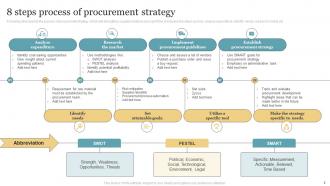
Look, market research is basically your roadmap before you start buying anything. You'll figure out who the main suppliers are, what pricing looks like, and what risks might bite you later. Think of it as scoping things out first - way better than jumping in blind. This intel helps you choose between single or multiple suppliers, set budgets that actually make sense, and find suppliers doing cool innovative stuff. Plus you'll catch market shifts before they mess up your supply chain. Honestly, skipping this step usually means you're overpaying somewhere. Start by mapping out the key players in your space.
Honestly, diversifying your suppliers is everything - COVID taught us that lesson brutally. I'd start by mapping who you currently work with and spotting those scary single-source situations. Multiple suppliers across different regions saves your butt when one area goes sideways. Build real relationships with local suppliers in your key markets too, not just transactional stuff. Technology helps with visibility but don't get too fancy at first. Focus on suppliers who can actually grow with you and hit quality marks consistently. Oh, and solid assessment processes are clutch - you'll thank yourself later when things get messy.
Look, start with something simple like office supplies or whatever you buy a ton of. Grab about 6 months of spending data and see what jumps out - trust me, there's always some weird pattern hiding in there. Track your suppliers' performance, how well they stick to contracts, basic cost trends. Honestly way better than just winging it based on hunches. The cool part is you can actually negotiate better when you know market rates and spot where different departments are buying the same stuff separately. Don't go crazy trying to analyze everything at once though. Pick one category, dig in, and you'll probably find money you're leaving on the table.
Honestly, the worst part is watching your whole strategy fall apart when the market shifts overnight. Suppliers get flaky, prices jump around like crazy, and suddenly your contracts don't make sense anymore. It's such a headache. You're stuck trying to be flexible but also keep things stable enough that operations don't completely tank. What's worked for me is building in wiggle room from day one - shorter contracts, backup suppliers, that kind of thing. Makes pivoting way less painful when everything inevitably goes sideways again.
Honestly, getting stakeholders involved early saves you so much headache later. You'll avoid those brutal "wait, this isn't what we wanted" conversations that make everyone miserable. Finance, end users, operations folks - they all have insights you'd never think of, plus they know suppliers and market stuff you don't. I learned this the hard way on a project last year. Build those relationships upfront through regular check-ins. Map out who matters most first. When you need approvals or have to change direction mid-stream, they're already invested in helping you succeed instead of fighting you.
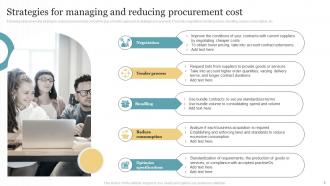
Think of negotiation as your reality check moment - you'll find out fast what actually flies versus what looked good in your head. Suppliers will show you their true boundaries, plus they'll often throw out ideas you never considered. I've had some game-changing moments where a supplier basically rewrote my whole approach (in a good way). Take notes during these conversations - you're getting free intel on pricing, capabilities, market weirdness. That stuff becomes gold for your next strategy round. Honestly, every negotiation is like getting a masterclass in how things really work.
Totally! Big companies have the right idea - just gotta make it work for your budget. Start with vendor consolidation and building solid relationships with suppliers. Those fancy million-dollar systems? Skip 'em. Instead, categorize your spending first, then set up basic approval processes. Here's what actually works: team up with other small businesses for volume discounts (seriously, this saves money). Simple vendor scorecards help too. Don't try fixing everything at once though - pick one thing and nail it. The standardized processes part is key, even if yours look way different than Amazon's.
So procurement's getting flipped upside down right now. AI and automation are making sourcing way less painful - honestly about time. Your suppliers need solid green credentials now too, it's not optional anymore. After all the supply chain chaos, everyone's obsessed with building in backup plans. The whole "squeeze suppliers for every penny" thing is dying out. Companies want actual partnerships now. My take? Start with a tech audit and figure out which suppliers could screw you if they disappeared tomorrow. Those fixes'll give you the biggest bang for your buck while you sort out the bigger strategy stuff.
-
Like always a great experience with you guys. Always there on the drop of hat to help.
-
This design is not only aesthetically pleasing but it has many uses making the cost worthwhile. The graphics look stunning, and you can edit them as per your needs.