

Procurement Process Powerpoint Ppt Template Bundles




Try Before you Buy Download Free Sample Product
 Impress Your
 Audience
 100%
100% Editable
 Save Hours
 of Time


Introducing our Procurement Process PowerPoint presentation, a comprehensive guide to revolutionize your approach to acquiring resources. Dive into an in-depth exploration of efficient procurement procedures, unveiling strategic insights into the procurement method and the intricacies of a well-designed procurement system. This PPT demystifies the complexities of sourcing and acquiring goods, presenting a step-by-step roadmap for optimal procurement performance. From understanding procurement methodologies to implementing streamlined processes, empower your team with the knowledge needed to navigate the procurement landscape successfully. Whether you are a seasoned professional or new to procurement, this presentation is your key to mastering the art and science of effective resource acquisition. Elevate your procurement process with our insightful and user-friendly PowerPoint presentation.
People who downloaded this PowerPoint presentation also viewed the following :
Procurement Process Powerpoint Ppt Template Bundles with all 25 slides:
Use our Procurement Process Powerpoint Ppt Template Bundles to effectively help you save your valuable time. They are readymade to fit into any presentation structure.
-
Procurement Process
-
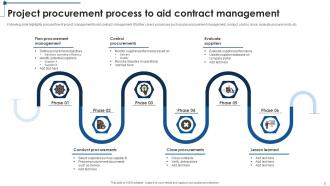
Project procurement process to aid contract management
-
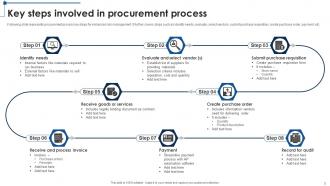
Key steps involved in procurement process
-
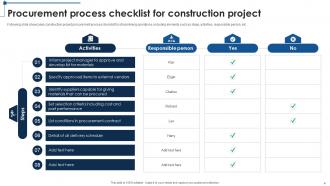
Procurement process checklist for construction project
-
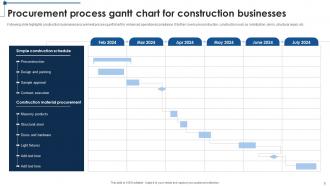
Procurement process Gantt chart for construction businesses
-

Digital procurement process to improve business efficiency
-
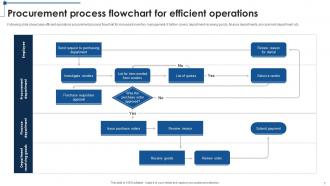
Procurement process flowchart for efficient operations
-
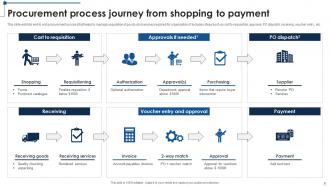
Procurement process journey from shopping to payment
-
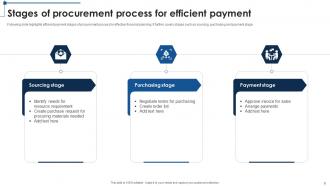
Stages of procurement process for efficient payment
-
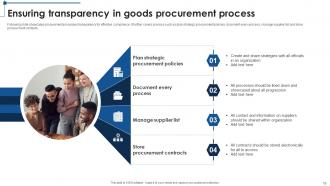
Ensuring transparency in goods procurement process
-
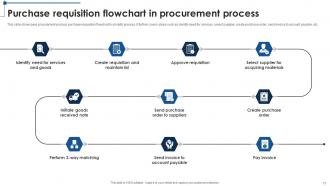
Purchase requisition flowchart in procurement process
-
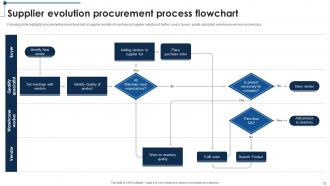
Supplier evolution procurement process flowchart
-
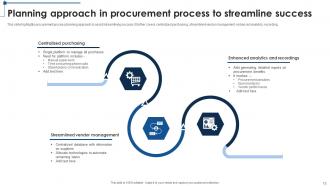
Planning approach in procurement process to streamline success
-
Management operation cycle icon for procurement process
-
Warehouse logistics management icon for effective procurement process
-
System process automation icon for efficient procurement
-
Procurement Process
-

-

-

-

-

-

-

-

FAQs for Procurement Process Powerpoint
So basically you've got five main steps to deal with. First, figure out what you actually need and get the budget approved - that part's usually easier said than done. Then you find suppliers, either your usual ones or run a whole competitive thing. Next comes evaluating all the bids based on price, quality, timing, whatever matters most. Award the contract after that. Finally there's managing the supplier relationship ongoing. Oh and definitely keep good records of everything because auditors will come sniffing around eventually and they're picky about documentation. It's pretty standard stuff but can get messy fast.
Honestly, start tracking KPIs right from day one - delivery times, quality stuff, costs, all that. Don't wait until contract renewal when you're scrambling trying to remember if they actually sucked or not (been there!). Scorecards help a ton since they're visual. Set up quarterly check-ins to stay on top of things. Oh and definitely loop in the actual users - they always spot problems we miss in procurement. Makes such a difference when it's routine instead of reactive. That way you're not making blind decisions when contracts come up.
Honestly, tech has completely changed how procurement works. Most of the tedious stuff gets automated now - vendor sourcing, approvals, all that. AI handles spend analysis pretty well, and e-procurement platforms cut out so many annoying email back-and-forths. Cloud systems let you see what's happening across your whole pipeline in real time, which is huge for compliance. ROI's usually decent too. My advice? Start small with something like purchase requisitions first. Don't try to flip everything digital at once - I've seen that go sideways fast. You can always build from there.
Ugh, procurement is rough - supplier delays, budget blowouts, and quality disasters are basically guaranteed. I swear, it's like herding cats sometimes. Build solid relationships with vendors early though, that actually helps. Lock down your specs before sourcing anything or you'll get budget creep for sure. Quality issues? Usually happens when you don't communicate expectations clearly enough. Oh, and always have backup suppliers lined up. Give yourself way more time than you think you need too - I learned that one the hard way. Over-communicate everything with suppliers, seriously.
Honestly, just bake it right into your vendor screening from day one. Ask about labor practices and environmental stuff upfront - before you even look at their pricing. Your RFPs should have specific ethics questions, not just the usual business stuff. Require actual proof too, like certifications or audit reports. Don't just set it and forget it though. Check in regularly once they're working with you, maybe quarterly or whatever makes sense. Oh and definitely put penalty clauses in your contracts for violations. Sounds harsh but you'll thank me later when suppliers actually follow through.
Check their finances first - last thing you need is them folding halfway through your contract. Quality track record matters obviously, plus can they actually deliver on time and scale up if you grow? Tech integration is huge too if your systems need to talk to theirs. Honestly though, the relationship side is just as critical. I've watched solid partnerships completely implode because the teams hated working together - such a waste. Cultural fit isn't just corporate BS, it actually matters. Run a small pilot project first to see how it goes before you sign anything big.
So procurement is basically where everything starts in your supply chain. You're picking suppliers, hammering out contracts, building relationships - all that foundational stuff. And honestly, these choices ripple through everything else. Bad supplier? You'll be scrambling with stockouts later. Good one? Smooth sailing with predictable delivery times and better quality. The costs and risks flow directly from these decisions too. I've seen companies treat it like just buying stuff, but really it's way more strategic than that. Take a look at your current suppliers and trace how their performance affects the rest of your operations - you might be surprised what you find.
Honestly, competitive bidding is your friend here - gets suppliers fighting for your business. Buy in bulk when it makes sense, and build solid relationships with maybe 2-3 suppliers per category. Don't just look at sticker price though! Total cost matters way more. I learned this the hard way when we bought "cheap" equipment that broke constantly. Sometimes spending extra upfront saves you tons on repairs later. Oh and consolidating vendors helps too since you're buying more from fewer people. Just make sure you actually evaluate them properly - cost AND quality both matter.
So basically, pull all your spending data into Excel or whatever BI tool you've got. Look for patterns in delivery times, quality scores, cost trends - that kind of stuff. Most teams just sit on mountains of this data and never touch it, which is honestly crazy. You'll start seeing which suppliers are actually worth keeping and which contracts are total duds. Start small though - just focus on spotting your biggest spending patterns first. Once you dig in, it's pretty wild how obvious the underperforming vendors become. Then you can use that info to negotiate better deals or find new suppliers before problems hit.
So direct procurement is basically anything that goes straight into what you're actually making or selling - raw materials, components, that kind of stuff. Indirect is all the other random things you need to keep the business running. Office supplies, software licenses, consulting help, whatever. Here's the thing though - direct procurement actually impacts your product quality and costs right away, while indirect just keeps everything functional behind the scenes. Oh, and the sourcing approaches are completely different for each one. Direct costs are way easier to predict since they just go up and down with how much you're producing.
So the deal with regulatory stuff is it basically controls how complicated your procurement gets. Like, healthcare companies have to jump through a million FDA hoops, which is honestly such a pain. Government contractors? They're stuck with FAR regulations that slow everything to a crawl. Financial services has their own headaches too. More regulations = more paperwork, audits, and approval steps you can't skip. I'd probably figure out which specific rules actually apply to what you're buying first - that way you're not overdoing it where you don't need to. Then just build your process around those must-haves.
Start with demand forecasting - look at your historical data and market trends to figure out what you actually need. ABC analysis is clutch for prioritizing your high-value stuff that eats up capital. Just-in-time ordering works well for predictable items, but supply chain issues can totally screw you over (trust me on this one). Calculate safety stock based on lead time changes and demand swings. Set up reorder points with automated alerts so you're not panicking at the last second. Honestly, just categorizing everything first makes the whole process way smoother.
Honestly, getting all the departments talking before you buy anything is a game changer. Finance catches budget red flags early. Operations knows what'll actually work day-to-day. End users can tell you if something's garbage before you're stuck with it - learned that one the hard way! Different teams also have their own vendor connections, which is pretty useful. Don't wait until you've already picked someone to loop everyone in. Just do a quick meeting upfront with all the stakeholders. Trust me, it beats dealing with angry emails later when nobody can figure out how to use whatever you bought.
Honestly, procurement's changed a lot - you need way more than just negotiation skills now. Data analysis is huge since you're constantly digging into supplier metrics and market stuff. Communication matters more than most people think because you're basically the middleman between departments all day. Oh, and you definitely can't avoid the tech side anymore with all these digital platforms. Project management helps too, though that one's kinda obvious. I'd say figure out which area feels shakiest for you right now and tackle that first.
Dude, procurement is getting wild right now. AI's handling demand forecasting and vendor scoring automatically - saves so much time. Companies are obsessed with sustainability too, making ESG stuff a huge factor when picking suppliers. Digital platforms finally killed those nightmare email chains (thank god). Real-time analytics for spend tracking is pretty much expected now. The coolest part? Everyone's ditching transactional relationships for actual strategic partnerships. Honestly, even basic automation tools can save you hours weekly. Start small with whatever process annoys you most - you'll be surprised how much easier things get.
-
The design is clean-cut, modern, and sleek, keeping the users' needs in mind. The multiple uses make this product worth every penny!
-
Awesome use of colors and designs in product templates.