


Procurement Value Powerpoint Ppt Template Bundles




Try Before you Buy Download Free Sample Product
 Impress Your
 Audience
 100%
100% Editable
 Save Hours
 of Time


Our Procurement Value Powerpoint Ppt Template Bundles are topically designed to provide an attractive backdrop to any subject. Use them to look like a presentation pro.
People who downloaded this PowerPoint presentation also viewed the following :
Procurement Value Powerpoint Ppt Template Bundles with all 25 slides:
Use our Procurement Value Powerpoint Ppt Template Bundles to effectively help you save your valuable time. They are readymade to fit into any presentation structure.






FAQs for Procurement Value Powerpoint
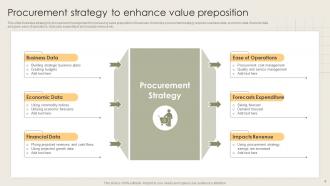
Procurement value comprises cost savings, supplier relationship management, risk mitigation, process efficiency, and strategic sourcing capabilities. These components work synergistically to enhance operational performance, with organizations in manufacturing, healthcare, and retail finding that effective procurement strategies deliver improved supplier quality, reduced operational costs, and enhanced competitive positioning in increasingly complex market environments.
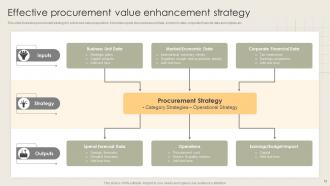
Effective procurement strategies enhance business performance by optimizing supplier relationships, streamlining cost management, ensuring quality control, and accelerating delivery timelines. Through strategic sourcing and supplier diversification, organizations across manufacturing, healthcare, and retail sectors reduce operational costs, minimize supply chain risks, and improve product quality, ultimately delivering competitive advantage and enhanced profitability.
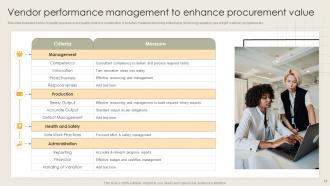
Procurement value metrics include cost savings, supplier performance scores, contract compliance rates, procurement cycle time, and spend under management percentages. These measurements enable organizations to track operational efficiency, risk mitigation, and strategic sourcing outcomes, with many companies finding that comprehensive procurement analytics deliver enhanced supplier relationships, reduced costs, and improved competitive advantage.
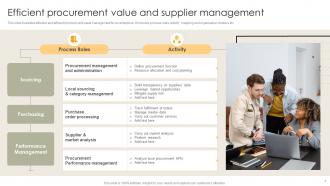
Supplier relationship management significantly enhances procurement value by improving cost negotiations, ensuring quality consistency, reducing supply chain risks, and fostering innovation partnerships. Through strategic collaboration and performance monitoring, organizations streamline operations, secure better pricing terms, and develop long-term competitive advantages, with many companies finding that strong supplier relationships ultimately deliver 15-25% cost savings and improved service reliability.
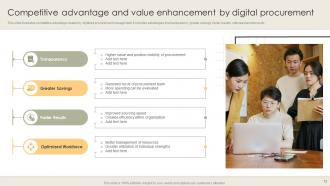
Technology streamlines procurement through automated sourcing, AI-driven supplier selection, predictive analytics, electronic procurement platforms, and real-time spend visibility systems. These digital solutions enhance efficiency by reducing manual processes, accelerating approval cycles, and optimizing supplier relationships, while delivering cost savings and strategic insights that enable procurement teams to focus on value-added activities.
Sustainable procurement contributes to long-term value by reducing operational costs, mitigating supply chain risks, enhancing brand reputation, ensuring regulatory compliance, and fostering innovation partnerships with environmentally conscious suppliers. This strategic approach enables organizations across manufacturing, retail, and healthcare sectors to achieve cost savings through energy efficiency, secure resilient supplier relationships, and ultimately deliver competitive advantage while meeting increasingly stringent environmental standards.
Procurement value differs significantly across industries, with manufacturing focusing on supply chain optimization and cost reduction, healthcare prioritizing compliance and quality assurance, technology emphasizing innovation partnerships, and financial services concentrating on risk management and regulatory adherence. These sector-specific approaches enable organizations to streamline operations, enhance competitive positioning, and deliver targeted outcomes that align with their unique operational requirements and strategic objectives.
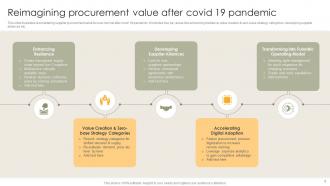
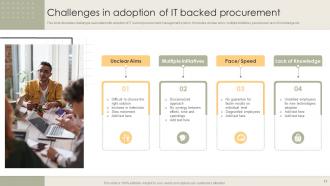
Organizations face challenges in realizing procurement value including fragmented supplier relationships, limited spend visibility, manual processes, inadequate technology integration, and misaligned strategic objectives. These obstacles often result in missed cost-saving opportunities, reduced operational efficiency, and weakened supplier partnerships, with many companies finding that streamlined procurement systems ultimately deliver enhanced transparency, better negotiation outcomes, and significant competitive advantage.
Cross-functional collaboration enhances procurement outcomes by integrating insights from finance, operations, legal, and technical teams, enabling better supplier evaluation, risk assessment, and strategic sourcing decisions. This collaborative approach streamlines contract negotiations, improves supplier relationships, and ensures procurement aligns with broader business objectives, ultimately delivering cost savings, operational efficiency, and competitive advantage across organizations.
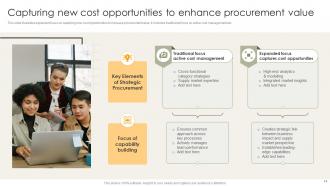
Total cost of ownership is crucial for procurement value as it encompasses purchase price, maintenance, operational costs, training expenses, and disposal fees throughout an asset's lifecycle. This comprehensive approach enables organizations to make strategic decisions beyond initial cost, with manufacturing companies and healthcare institutions finding that TCO analysis reveals hidden expenses, optimizes resource allocation, and delivers long-term competitive advantage.
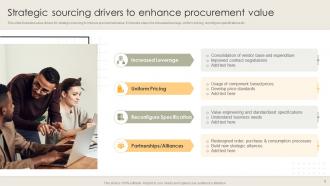
Local sourcing typically delivers faster delivery times, stronger supplier relationships, and reduced transportation costs, while global sourcing offers broader supplier pools, cost advantages, and access to specialized capabilities. The strategic combination enables organizations to optimize procurement value by balancing speed and relationship benefits with cost efficiency, ultimately delivering enhanced supply chain resilience and competitive advantage.
Current procurement trends shaping value creation include digital automation, sustainable sourcing, strategic supplier partnerships, AI-driven analytics, and integrated supply chain visibility. These technologies streamline operations by reducing manual processes, enhancing decision-making accuracy, and minimizing supply risks, with many organizations finding that strategic procurement ultimately delivers significant cost savings and competitive advantage.
Procurement teams leverage data analytics to drive value by identifying cost-saving opportunities, optimizing supplier performance, predicting market trends, and streamlining contract negotiations. Through advanced analytics platforms, organizations enhance spend visibility, automate risk assessments, and accelerate decision-making processes, with many finding that data-driven procurement strategies deliver significant cost reductions and improved supplier relationships.
Procurement professionals require skills in strategic sourcing, supplier relationship management, contract negotiation, data analytics, and risk assessment to maximize value creation. These competencies enable teams to identify cost-saving opportunities, build stronger partnerships, and make data-driven decisions, with many organizations finding that upskilled procurement teams deliver significant operational efficiency and competitive advantage.
Ethical procurement practices enhance stakeholder value by ensuring supply chain transparency, reducing regulatory risks, and strengthening brand reputation through responsible sourcing decisions. These approaches deliver competitive advantages by building consumer trust, attracting socially conscious investors, and creating operational resilience, with many organizations finding that ethical standards ultimately drive both profitability and sustainable growth.
-
“As you have innovative ideas and they are all customizable, this saves a huge chunk of your time to prepare well-read presentations.”
-
“Excellent information with easy access.”