


Project Management Case Studies Powerpoint Presentation Slides PM CD




Try Before you Buy Download Free Sample Product
 Impress Your
 Audience
 100%
100% Editable
 Save Hours
 of Time


Check out our efficiently designed PowerPoint presentation on Project Management Case Studies. These case study templates provide a real-life scenario of project management processes. The effective strategies and methodologies covered in this PPT can help project managers overcome their daily challenges and optimize operations. Initially, the deck covers case study templates of major brands such as Sydney opera house construction, Apple iPhone development, and Ubers disruptive business model. Additionally, the deck covers some generic case studies for the agile approach, such as the Insurance company case for agile project management practice, adoption of the agile approach, and more. Furthermore, our Case study templates PPT covers the automotive industry, construction industry, content development, electric cars construction by Tesla, and more. Lastly, the presentation highlights project management methodologies templates such as e-commerce platform expansion, infrastructure development, data center business, portfolio management, and maturity practices. Get access to these 100percent editable PowerPoint templates.
People who downloaded this PowerPoint presentation also viewed the following :
Content of this Powerpoint Presentation
Slide 1: This slide showcase title Project Management Case Studies. State Your Company Name
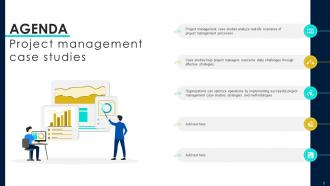
Slide 2: This slide showcase title AGENDA.
Slide 3: This slide provides case study of company that uses effective agile project management and stakeholder collaboration for successful implementation.
Slide 4: This slide provides importance and benefits of focusing on effective project management and scheduling to assure successful completion of project within timeline.
Slide 5: This slide provides comprehensive overview of Apple company that implemented agile project management methodology to develop and transform smartphone industry.
Slide 6: This slide showcases role of project management approach and techniques used by Uber company to improve goodwill and assure global market expansion.
Slide 7: This slide presents case study of company that uses hybrid project management approach to serve customer needs improving goodwill and customer experience.
Slide 8: This slide represents case study of insurance company that introduced new management and agile approaches to deliver projects within timeline.
Slide 9: This slide showcases case study that helps to understand integration of agile project management approach with teamwork to increase engagement rate and collaboration.
Slide 10: This slide showcases improvement in company project due to team coordination that is achieved by adopting basic fundamentals of project management.
Slide 11: This slide showcases case study representing automotive company that used integrated project management solution for effective and proper utilization od resources.
Slide 12: This slide provides case study of company that focuses on helping project managers to achieve goals by using project management techniques.
Slide 13: This slide represent use of integrated project management system to innovate and digitalize processes of construction industry.
Slide 14: This slide highlights case study of Netflix platform that uses agile project management approach to achieve its end goals.
Slide 15: This slide showcases structured overview of Tesla electric car project that revolutionize automotive industry.
Slide 16: This slide provides overview of company case study to improve utilization through project management processes.
Slide 17: This slide provides case study of company using project management approach to increase its forecasting outlook and goodwill.
Slide 18: This slide provides overview of company using agile project development approach to improve online sales and expand ecommerce platform.
Slide 19: This slide covers case study of construction and infrastructure project that implemented project planning and collaboration approach for successful completion.
Slide 20: This slide provides case study for project management that help companies to manage and consolidate data centers for enhanced capacity.
Slide 21: This slide showcases case study to develop scalable and efficient infrastructure for high density data storage centers.
Slide 22: This slide provides case study of finance company that integrate project portfolio tool to ensure effective management and resource allocation.
Slide 23: This slide provides case study depicting improvement in immediate returns of company using effective project and portfolio management tools and solutions.
Slide 24: This slide provides case study of insurance company that implemented hybrid agile project management approach to solve challenges and enhance client satisfaction.
Slide 25: This slide represents case study of consulting firm using project management best practices to improve operational efficiency and maturity ratings.
Slide 26: This slide shows all the icons included in the presentation.
Slide 27: This slide is titled as Additional Slides for moving forward.
Slide 28: This is an Idea Generation slide to state a new idea or highlight information, specifications etc.
Slide 29: This slide contains Puzzle with related icons and text.
Slide 30: This slide provides 30 60 90 Days Plan with text boxes.
Slide 31: This is a Thank You slide with address, contact numbers and email address.
Project Management Case Studies Powerpoint Presentation Slides PM CD with all 39 slides:
Use our Project Management Case Studies Powerpoint Presentation Slides PM CD to effectively help you save your valuable time. They are readymade to fit into any presentation structure.
-
Project Management Case Studies
-
Project management case studies
-
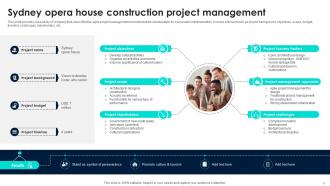
Sydney opera house construction project management
-
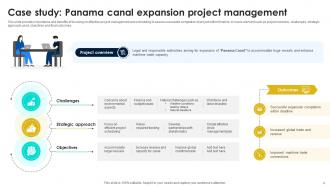
Case study Panama canal expansion project management
-
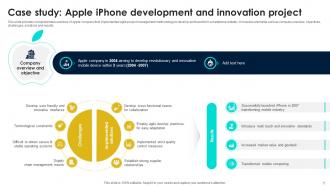
Case study Apple iPhone development and innovation project
-
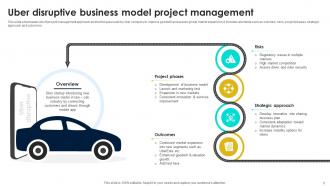
Uber disruptive business model project management
-
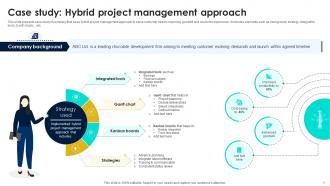
Case study Hybrid project management approach
-
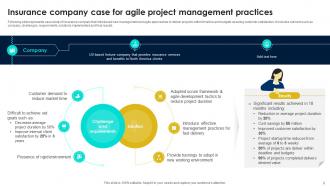
Insurance company case for agile project management practices
-
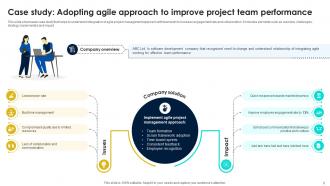
Case study Adopting agile approach to improve project team performance
-
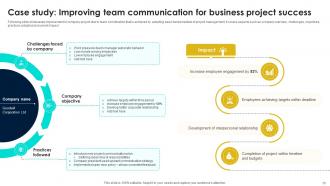
Case study Improving team communication for business project success
-

Integrated project management approach for automotive industries
-

Project management strategy for effective marketing campaign of company
-
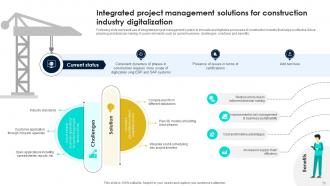
Integrated project management solutions for construction industry digitalization
-
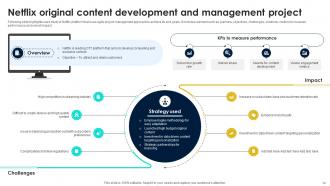
Netflix original content development and management project
-
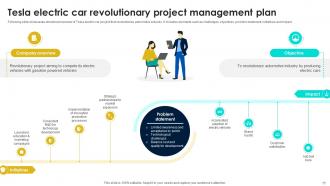
Tesla electric car revolutionary project management plan
-
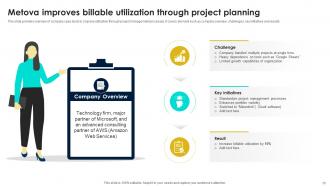
Metova improves billable utilization through project planning
-
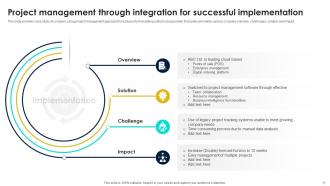
Project management through integration for successful implementation
-
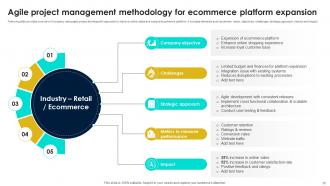
Agile project management methodology for ecommerce platform expansion
-
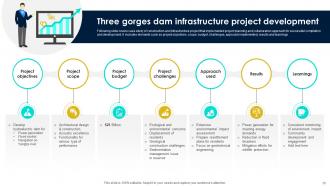
Three Gorges Dam Infrastructure Project Development
-
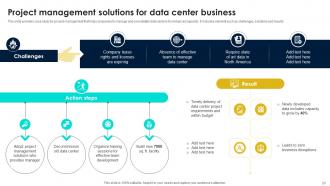
Project management solutions for data center business
-
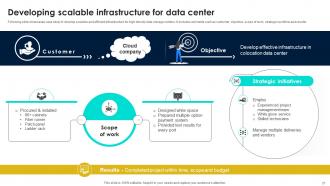
Developing scalable infrastructure for data center
-
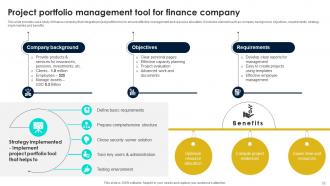
Project portfolio management tool for finance company
-

Increase ROI through improvement in portfolio and project management
-
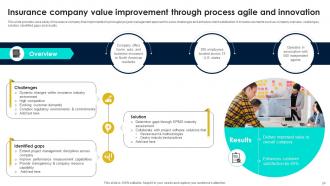
Insurance company value improvement through process agile and innovation
-
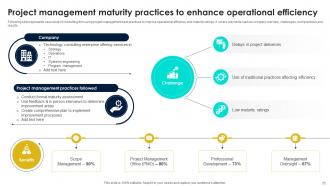
Project management maturity practices to enhance operational efficiency
-
Icons Slide for Project Management Case Studies
-

Additional Slides
-
Idea generation
-
Puzzle
-
Project Management Case Studies Pm Cd
-
Thanks for watching
-

-

-

-

-

-

-

-

FAQs for Project Management Case Studies Powerpoint Presentation
So from what I've seen, the best PM case studies always nail a few basics. Clear scope definition is huge - no one wants to deal with scope creep hell. Communication with stakeholders needs to be rock solid, plus your team actually has to talk to each other (crazy concept, right?). Timeline management and budget control are obvious ones. Risk identification upfront saves your ass later. Oh, and measurable milestones throughout keep everyone sane. The PMs who really succeed? They pivot when shit hits the fan instead of stubbornly following some outdated plan. Document everything you learn - future you will thank you.
Pick what fits your actual situation, not what's trendy right now. Agile's amazing for software where requirements keep shifting and you need quick pivots. But waterfall? Still perfect for construction or manufacturing with fixed, clear requirements upfront. I've watched way too many teams jam Agile into projects where it makes zero sense just because everyone's doing it. Most real projects end up needing some hybrid approach anyway. Match your method to how uncertain your project is, how involved stakeholders will be, and your timeline. Sounds boring but it actually works.
Honestly, failed projects teach you way more than successful ones ever will. Poor communication kills most projects before they even get started - I've watched teams implode because nobody was on the same page from day one. Unrealistic deadlines and scope creep don't help either. Here's what actually works: do proper risk assessments upfront, set clear expectations (like, really clear), and build in buffer time because something always goes wrong. Regular check-ins save your butt too. Oh, and keep a doc of what went sideways so you don't repeat the same mistakes twice.
Look, I've seen this play out so many times - projects die when stakeholders get blindsided. The successful ones? They're checking in constantly, mapping everyone out from the start, and actually listening to feedback (even the brutal stuff). Failed projects almost always ignored key people or surprised them with major decisions. Honestly, it feels like too much work upfront, but those regular touchpoints are everything. You'll get cleaner requirements, way fewer scope disasters, and people actually backing you when shit hits the fan. Trust me on this one.
Honestly, risk management separates projects that work from total disasters. Good project managers spot problems early and actually have backup plans. The disasters? They ignore warning signs or catch issues way too late. Here's the thing - successful teams make risk discussions part of their regular meetings, not some boring one-off task. I've seen this work so many times. Just build it into your weekly check-ins and you'll avoid those nightmare scenarios where everything falls apart at once. Trust me, your future self will thank you when you're not scrambling to fix preventable problems.
Honestly, cultural stuff will make or break your project. Germans want every detail mapped out from day one, but other cultures are way more go-with-the-flow. You'll run into weird hierarchy things too - like who can actually make decisions in meetings. My advice? Talk to your team leads early about how their cultures handle conflict and deadlines. Some people think being direct is rude, others think you're wasting time if you're not. Build in extra coordination time because this stuff always takes longer than you think it will.
Honestly, I'd focus on schedule adherence, budget variance, and stakeholder satisfaction first - those three are like the holy trinity of predicting if a project actually worked. Quality metrics are important but super hard to compare across different types of projects, which is annoying. Scope creep percentage is sneaky good too since it usually shows up right before everything else falls apart. Oh, and if you're doing agile stuff, team velocity matters a lot. Start tracking those four and you'll spot most disasters way before they blow up in your face.
Ugh, when stuff goes sideways you gotta move quick. Get everyone together and figure out what actually changed - timeline, budget, all of it. Then decide what's absolutely must-have versus what you can ditch or push back. Honestly, communication is everything because nobody likes getting blindsided later. Maybe you'll need to shuffle resources around or bring in more people. Sometimes you're basically starting over with your whole approach. Just stay flexible and keep people in the loop. Oh, and write down what you're changing - trust me, you'll thank yourself later when someone asks why you made those calls.
Ugh, so many things go wrong! Language barriers are huge, plus cultural stuff gets messy fast. Teams end up in these information bubbles where nobody talks to each other. Then you've got people who want different communication styles - some love email, others need face-to-face meetings. Time zones absolutely kill productivity when you're dealing with remote folks. Bad documentation makes everything worse, and when roles aren't clear? Forget about it. Honestly though, most problems start because teams don't figure out communication rules early enough. Set up a simple matrix showing who needs what info and how they want it delivered.
Dude, you'll see like 30-40% better efficiency with the right tech setup. Real-time stuff through Slack keeps everyone looped in. Time-tracking is honestly where it's at - finally know where your day actually goes instead of wondering. Asana handles the task juggling pretty well too. Companies like Spotify cut their meeting time by 25% just because people stay updated automatically. Dashboards give you that bird's eye view of everything. Oh, and don't go crazy buying everything at once - pick whatever fixes your biggest headache first, then build from there.
Honestly, good team vibes matter way more than people think - sometimes even more than having the best tech skills or biggest budget. Trust me on this one. When everyone actually talks to each other and feels safe speaking up, you'll crush problems before they get huge. Leadership isn't about micromanaging (wish someone told me that earlier lol). It's creating space where people aren't scared to mention red flags. I've seen mediocre teams with solid chemistry beat out way more talented groups who can't stand each other. Start building those relationships immediately - don't wait until you're already behind schedule.
Ugh, budget constraints are brutal - you're constantly having to pick what stays and what goes. Slack launched with just basic messaging because they couldn't afford all those fancy integrations yet. Same with Dropbox starting super simple instead of going full enterprise right away. I always try to cut scope before cutting quality, you know? Focus on the core stuff first. The trick is getting everyone on the same page early about what's actually essential vs what would just be nice to have. That way when the money talk happens, you're making smart cuts instead of just panicking and slashing everything.
Most case studies I've seen focus on three big things: getting stakeholders involved, transferring knowledge properly, and measuring actual impact. Training internal teams instead of hiring endless consultants is way smarter budget-wise. They document everything and set up feedback loops to track long-term results. The winners? Projects that locked down funding early and created governance that survives staff turnover. Honestly, the post-implementation reviews are where you'll find the real gold - that's where they spill what actually worked versus what sounded good on paper.
Honestly, case studies are like gold for building training that doesn't suck. Look at your real project wins and disasters - you'll spot the same skill gaps over and over. Stakeholder communication falling apart, scope creep getting out of hand, that kind of thing. Way better than those boring generic courses everyone sleeps through! Then you can create scenarios based on actual situations your people will deal with. Oh, and they're great for figuring out which soft skills matter as much as the technical stuff. Start with your own company's stories first - they hit different when people recognize the context.
Hey! So I've been seeing some interesting shifts in PM work lately. AI's everywhere now - teams are using it for risk assessment and predicting project outcomes. Also, companies are obsessing over stakeholder experience way more than just hitting deadlines. Remote work kinda accelerated everything too, honestly. Most PMs are mixing agile with traditional methods now instead of picking one side. The role's getting more strategic and people-focused - soft skills like emotional intelligence matter as much as the technical stuff. I'd definitely brush up on data analytics and stakeholder management if you're looking to stand out.
-
The templates you provide are great! They have saved me tons of time and made my presentations come alive. Thank you for this awesome product. Keep up the good work!
-
Happy to incorporate such stunning templates in my presentation. Made my presentation look professional and engaging.