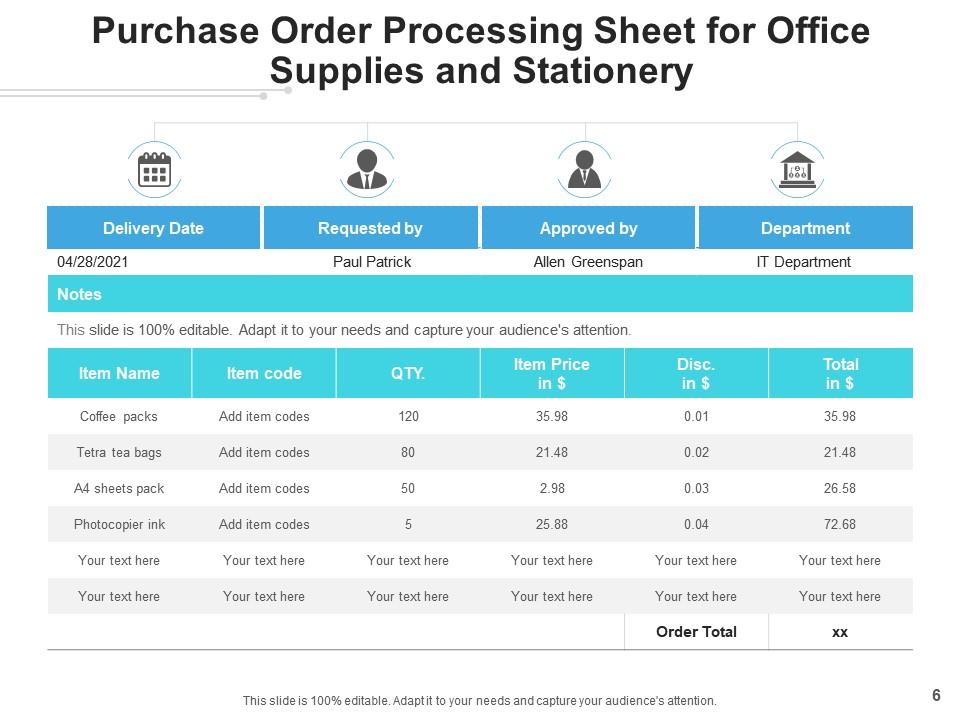
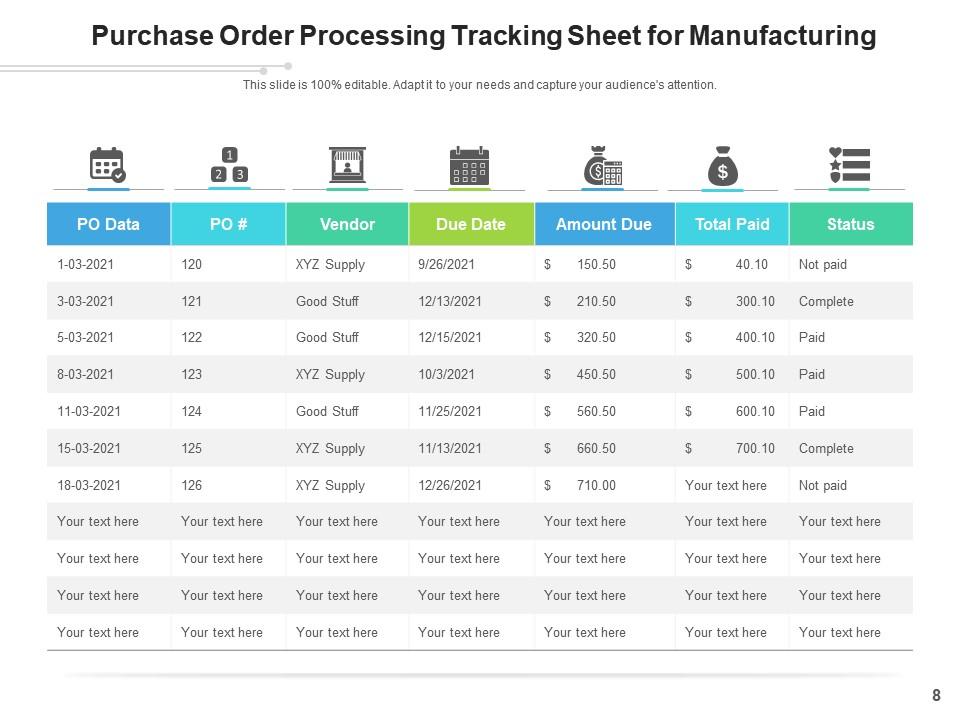
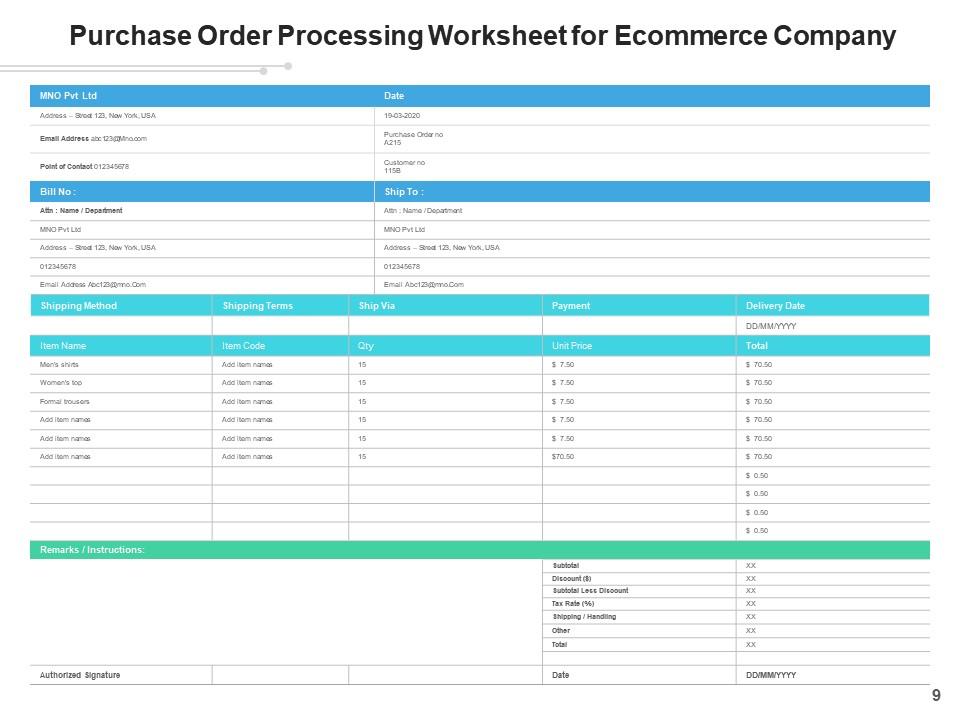
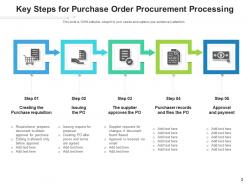
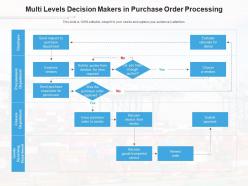
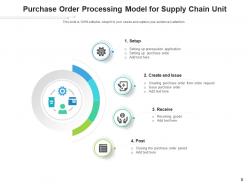
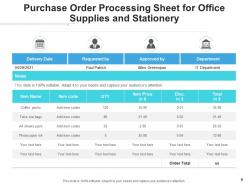
Purchase Order Processing Procurement Department Stationery Manufacturing Ecommerce
Try Before you Buy Download Free Sample Product
Audience
Editable
of Time
Our Purchase Order Processing Procurement Department Stationery Manufacturing Ecommerce are topically designed to provide an attractive backdrop to any subject. Use them to look like a presentation pro.
People who downloaded this PowerPoint presentation also viewed the following :
Purchase Order Processing Procurement Department Stationery Manufacturing Ecommerce with all 12 slides:
Use our Purchase Order Processing Procurement Department Stationery Manufacturing Ecommerce to effectively help you save your valuable time. They are readymade to fit into any presentation structure.
FAQs for Purchase Order Processing Procurement Department
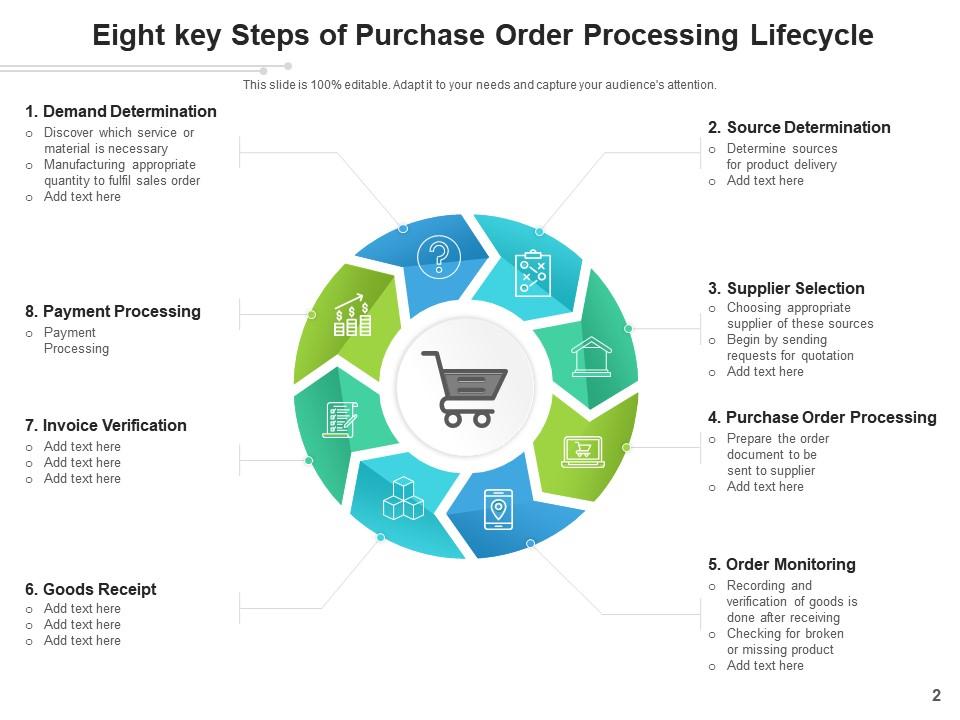
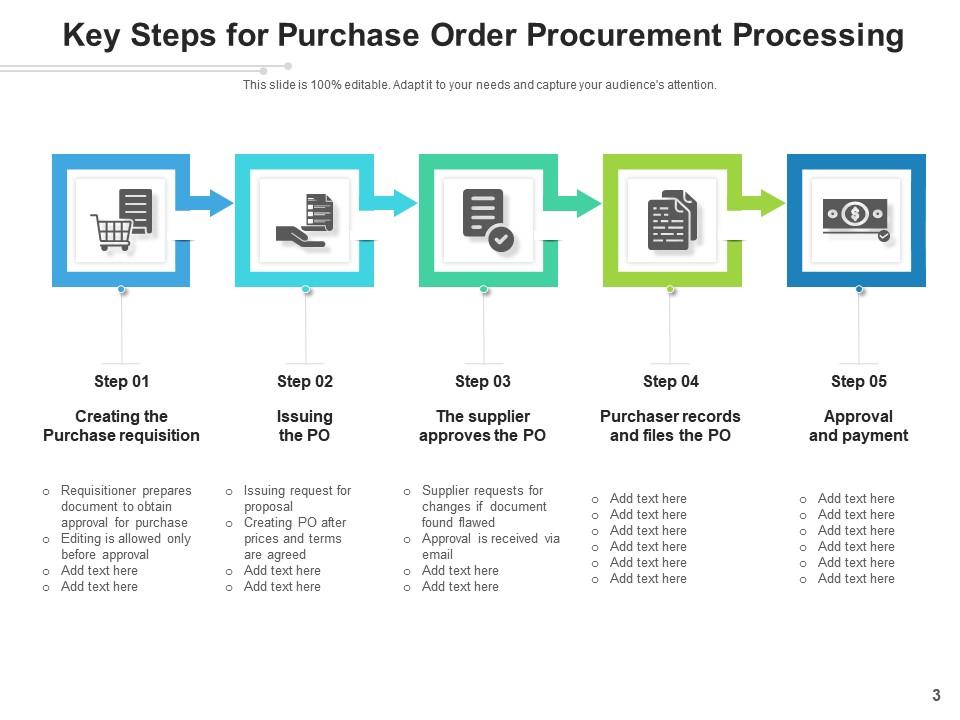
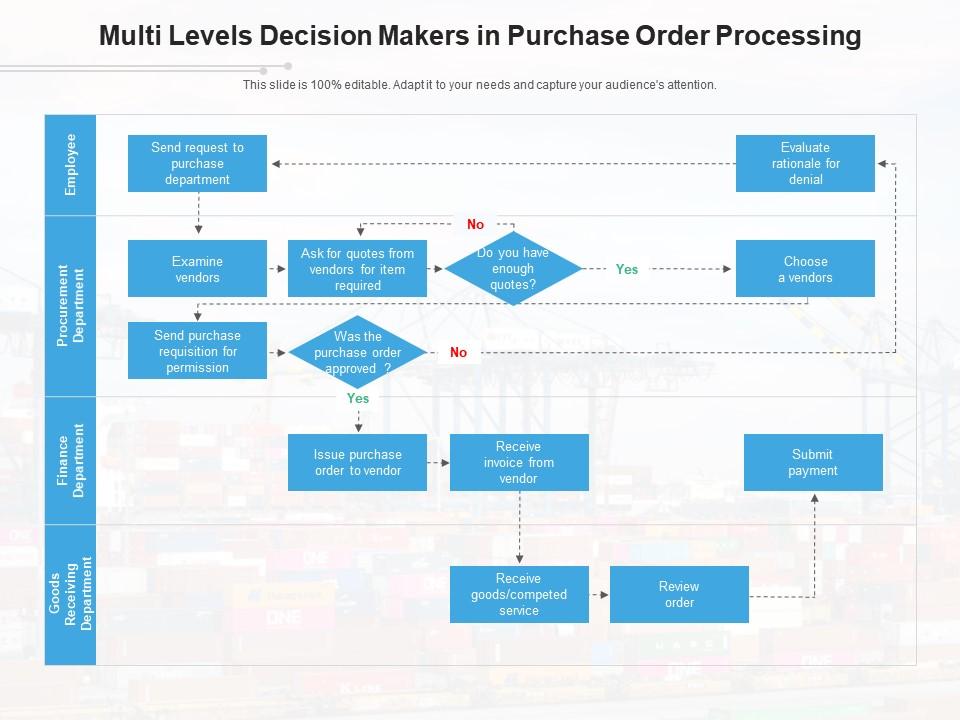
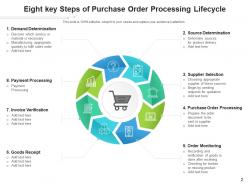
So basically you create your PO and get it approved (which honestly can drag on forever if you've got one of those companies with crazy approval chains). Then send it to your vendor and wait for them to confirm. After that it's just tracking the delivery, receiving whatever you ordered, and getting the invoice processed for payment. Document everything though - any delays, changes, whatever. Oh and definitely keep procurement, receiving, and AP talking to each other or stuff gets lost and payments get stuck. Pretty standard process once you get the hang of it.
Honestly, automation is a total lifesaver for PO processing. You'll stop doing all that tedious data entry and chasing people around for approvals. Set up workflows so orders automatically go to whoever needs to sign off based on the amount or what you're buying. Way fewer mistakes too - I swear there's always some typo when you're rushing through spreadsheets at 4pm on Friday. The best part? You can actually see where each order is stuck instead of playing email tag. I'd start with whatever PO types you do most often, then expand from there.
Honestly, vendor management makes or breaks your whole PO process. Good relationships mean faster approvals and way fewer headaches down the line. Trust me on this - vendors you work well with will actually tell you when something's going wrong instead of just letting your order disappear into the void. Set clear expectations early about formats and workflows. I'd start with your top 5 vendors and get those processes locked down first. Once you've got those running smooth, the rest becomes so much easier. It's like... fix the biggest problems first, then tackle everything else.
So most companies set up approval workflows - basically multiple people have to sign off before orders go out. Catches those annoying typos that always sneak through somehow. Their systems also run automated checks to flag weird amounts or wrong vendor details. Oh, and they cross-reference everything with existing contracts to make sure pricing matches up. Random PO audits happen too, though honestly those are kind of a pain. But seriously, the approval step is clutch even though it feels slow - trust me, it beats dealing with mismatched invoices later when accounting's breathing down your neck.
Ugh, approval bottlenecks are the absolute worst - especially when your manager's traveling and you're just sitting there waiting. Data entry screwups kill me too. Wrong item codes, messed up quantities, pricing that doesn't match... it all snowballs into chaos later. And don't get me started on vendors who go radio silent when you need updates. Honestly, I've learned to triple-check everything before sending orders out. Also setting up those approval workflows upfront? Total game changer. Way better than scrambling to fix everything after the fact.
So basically, your PO processing is what controls when stuff shows up and how much you get. Good processing means your inventory counts stay accurate - no more "wait, where did this random shipment come from?" headaches that totally throw off your numbers. The trick is making sure your system updates right when you receive orders. Otherwise you're selling stuff you don't actually have, which sucks. Bad PO handling just creates chaos - you're either out of stock or drowning in inventory nobody wants. Honestly, solid receiving procedures are everything. Update your system immediately and your inventory data won't lie to you.
So I'd definitely go with something like SAP Ariba or Coupa for the main platform - they're solid for automating PO workflows. OCR tech is a game changer too, pulls data right from vendor invoices so you're not stuck typing everything manually. API connections between your accounting software and procurement tools will cut out all that duplicate entry work. Electronic signatures make approvals way faster (honestly wish more companies used them). Oh, and don't try to automate everything at once - that's a recipe for chaos. Map out what you're doing now, then tackle one bottleneck at a time.
Dude, analytics seriously changed how we handle PO decisions. You'll catch supplier patterns that would take forever to spot manually - like which vendors are always late with their "supply chain issues" excuses. Seasonal trends become super obvious too, so you actually know when to reorder stuff. The budget alerts are clutch - they've saved us from so many overruns. Oh and the automated notifications for weird spending or low inventory? Game changer. Instead of scrambling to fix problems, you're ahead of them. Way less stressful than the old days of guessing.
Start with dollar thresholds - like anything over $1K needs manager approval, $5K needs director, etc. Document this somewhere people can actually find it (not buried in some random folder). The person buying stuff can't approve their own purchase - basic separation there. Automate the routing if you can, otherwise POs just sit forever in email. Set deadlines for each step and have backup approvers. Honestly, most companies mess this up by making it too complicated. Map out what you're doing now first - I bet you'll spot the bottlenecks pretty quick.
Oh man, compliance stuff is such a headache but it'll absolutely kill your PO processing if you ignore it. Your team needs to check all the regulatory boxes - taxes, environmental regs, whatever your industry requires. Some vendors are super picky about contract terms and certifications too. What I'd do is build those compliance checks right into your approval process from the start. Set up templates with automated validations so you're not fixing everything after the fact. Trust me, way easier than dealing with rejected orders later.
Ugh, slow PO processing is such a money drain. Late fees pile up fast, and you'll miss those early payment discounts that actually add up. Your vendors start getting annoyed too - honestly, I've seen relationships go sour over this stuff, then suddenly you're stuck with crappier terms. Cash flow planning becomes impossible when payments are all over the place. Operations get messy with delayed orders causing stockouts. One delayed PO somehow turns into problems everywhere - it's weird how that happens. Get some automated workflows going so approvals don't sit on someone's desk forever.
Track your cycle time first - that's request to delivery. Then look at approval bottlenecks, error rates, and supplier compliance. Cost savings matter obviously, but here's what I'd really watch: your team's stress levels and overtime hours. If people aren't constantly chasing missing orders or fixing screwups, you're golden. Short sentences mixed with longer ones help you spot patterns. Set up a monthly dashboard and review quarterly trends. Oh, and don't get too caught up in perfect metrics - sometimes the vibe check is more telling than the numbers.
Start with weekly meetings between all the departments - purchasing, finance, ops, whoever's making requests. Trust me, email chains are a nightmare for tracking this stuff. Set up a shared dashboard or maybe dedicated Slack channels so everyone can see order status without playing phone tag. Clear escalation rules help too, plus standard lead times that actually make sense. The transparency thing is huge - people get way less cranky when they know what's happening with their orders. I'd probably test it with just one department first, work out the kinks, then expand from there.
So basically, trade rules mess with your international POs in three big ways: paperwork requirements, what you can even bring in, and costs from tariffs. Each country's got its own weird rules too. You'll be dealing with certificates of origin, import licenses, product codes - honestly the whole thing's pretty annoying until you get used to it. Lead times get way longer because of customs delays. I'd definitely find suppliers who actually know export stuff inside and out. Oh, and always pad your timelines because regulatory processing takes forever.
So basically, connecting your ERP to purchase order stuff cuts out all that tedious manual data entry you're probably drowning in right now. Everything updates automatically - inventory, accounting, vendor info - which means way fewer mistakes. Month-end becomes so much easier, trust me on that one. You can set up approval workflows that run themselves, and the spend analytics get way better since data flows between systems smoothly. Oh, and definitely start with your biggest vendors first. You'll see results immediately and it'll give you momentum to keep going.
-
Really like the color and design of the presentation.
-
Qualitative and comprehensive slides.
-
Very well designed and informative templates.
-
Editable templates with innovative design and color combination.