


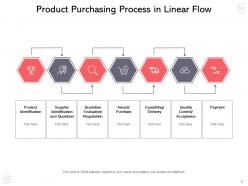
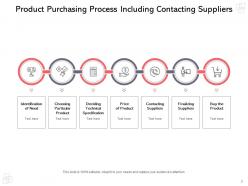
Purchasing Process Quotation Evaluation Negotiation Supplier Quality




Try Before you Buy Download Free Sample Product
 Impress Your
 Audience
 100%
100% Editable
 Save Hours
 of Time


You want to impress your audience with the ease with which you present your Purchasing Process Quotation Evaluation Negotiation Supplier Quality? Then let the professionals help create slideshows and templates that you can conveniently control.
People who downloaded this PowerPoint presentation also viewed the following :
Purchasing Process Quotation Evaluation Negotiation Supplier Quality with all 12 slides:
The right colour contrast the right font size the right animation. These are all what you should look for in a quality Purchasing Process Quotation Evaluation Negotiation Supplier Quality and you are sure to get it here.
FAQs for Purchasing Process Quotation Evaluation
Focus on the basics first - defect rates, on-time deliveries, and cost variance. Lead times matter too since nobody wants to wait forever for stuff. If you're dealing with regulated industries, definitely track compliance scores (learned that one the hard way). Financial stability is huge for your critical suppliers - you don't want them going under mid-contract. Honestly, resist the urge to measure everything. Pick 3-4 metrics that actually move the needle for your business. Set up a scorecard, review monthly with key suppliers, and you're golden.
Honestly, tech is a game-changer for supplier stuff. Start by ditching those endless spreadsheets - get everything into one system first. Supplier portals make communication way smoother, plus you can automate contract renewals and track performance in real-time. AI does the heavy lifting on risk assessment (which used to take forever). Digital onboarding cuts your timeline from weeks to just days. Oh, and automated invoicing kills those annoying email chains. The risk analysis part is pretty cool - it's like having early warning signals. Focus on automating your biggest manual headaches first, that's where you'll see results fastest.
Hey! So basically you want to hit five main things when picking suppliers. Quality comes first - seriously, cheap crap will bite you later. Cost and payment terms are obvious. Check if they actually deliver on time and can grow with you. Financial stability matters too because nobody wants their supplier going belly-up mid-project. Communication is huge - are they easy to reach or do they ghost you? Oh, and make a little scoring sheet to compare them all. Sounds nerdy but it actually helps when you're drowning in options.
Dude, cultural stuff is huge when dealing with suppliers. Some want everything super formal and hierarchical, others are totally cool with casual chats. Time zones already suck without throwing language barriers on top! Each culture handles deadlines differently too - what feels urgent to you might not to them. Quality expectations vary wildly. Honestly, I learned this the hard way with a supplier in Japan who thought my direct emails were rude. Do your research beforehand about their business style. Maybe get someone who knows the culture to help out, or at least read up on basic etiquette. It'll save you tons of headaches later.
Get a solid evaluation process going first - check their finances, quality standards, compliance stuff. The paperwork matters but honestly? The relationship side is huge too. Set up a proper onboarding checklist covering contracts, insurance, system integrations. Assign someone as their main contact for the first few months because those "who do I even call" moments kill momentum fast. Kickoff meetings with key people from both teams work wonders for setting expectations early. Oh and document everything - I can't stress this enough. Regular check-ins catch problems before they blow up.
Honestly, diversifying suppliers saved my butt during COVID - like half our vendors just vanished overnight, it was insane. Don't put everything with one supplier, that's asking for trouble. Map out who's critical and find 2-3 backups for your most important stuff. I'd start with your top 10 suppliers this quarter since that's where you'll see real results. Check their financial health regularly too - nobody wants surprises there. Maybe look into bringing some operations closer to home? Geographic spread helps but sometimes you need things nearby. Build actual relationships with these people, not just transactional stuff.
Honestly, you gotta talk to your suppliers constantly or you'll have no clue what's happening. Set up monthly check-ins and make sure they know exactly what you expect from day one. The worst supplier disasters I've seen? Usually happened because someone went radio silent for months. Your suppliers should feel totally comfortable calling you when stuff hits the fan - and trust me, it will. Short bursts work better than long meetings anyway. Oh, and map out how often you're actually talking to each key supplier right now. You might be surprised how little it actually is.
So supplier audits are basically your way of keeping tabs on what's actually happening at your suppliers' facilities. You can't just trust they're doing what they promised, right? Regular check-ins help you catch quality problems before your customers do - which honestly saves you so much headache later. Your suppliers also tend to stay on their toes when they know you're paying attention. I'd start with whoever's most critical to your business first. Don't make it a one-and-done thing though. Problems have a funny way of creeping back in if you're not watching. It really does strengthen those relationships too when you're actively involved.
Stop thinking of suppliers as just vendors - they're actually partners. Set up quarterly check-ins to talk about what's working, what isn't, and where things are headed. Share your roadmap so they can plan ahead too. Pay invoices on time (I know, obvious but people mess this up constantly). Get them involved early when you're developing new stuff. When problems pop up, work through solutions together instead of just pointing fingers. The whole "genuine relationship" thing sounds cheesy but it works. Pick your top 2-3 suppliers and get those quarterly meetings on the calendar this month.
So basically you want to bake sustainability right into how you pick suppliers from the start. Set hard requirements - carbon goals, fair labor stuff, waste management, whatever matters to your business. Don't just trust what they tell you though, actually audit them regularly. Some companies I know use these sustainability scorecards which is honestly pretty smart for tracking progress. Put all this directly in your contracts and RFPs too. Oh and make it clear this isn't optional - it's just how you do business now. Once suppliers know you're serious about it, they'll step up.
Ugh, communication breakdowns are the worst - everyone's speaking different languages basically. Quality standards get messy when each supplier has their own way of doing things. Payment terms? Total nightmare trying to keep track of who wants what when. Honestly, the performance comparison thing drives me crazy because their metrics never line up. How do you compare supplier A's reports to supplier B's completely different format? Price changes hit harder too since contracts renew at random times. Oh and don't get me started on playing relationship politics with multiple vendors. Get a supplier management system ASAP - wish someone had told me that earlier. Standardize whatever you can.
Dude, you'll be shocked how much clearer everything becomes once you start tracking the right numbers. I'm talking delivery times, quality scores, how much you're spending with each vendor - stuff that's impossible to keep straight in your head. The patterns jump out at you pretty fast. You can actually see which suppliers are reliable vs the ones always making excuses. Then you've got real ammunition for contract negotiations instead of just winging it. Oh and predicting problems before they blow up? Huge win. Just start simple - track basic delivery and quality data first, maybe throw together some charts to watch trends.
Look, political stuff can totally wreck your supplier game overnight. Trade wars and sanctions just randomly cut off your sources or jack up prices. I always tell people to spread suppliers across different regions - don't put all your eggs in one basket, you know? That "amazing deal" from a sketchy country might bite you later when their government goes sideways. Currency swings from political drama will mess with your costs too. Honestly, having backup suppliers mapped out isn't optional anymore. You'll thank yourself when the next trade fight breaks out and you're not panicking.
Honestly, contracts are like your insurance policy for dealing with suppliers. They spell out what you expect, when you want it, and what happens if stuff goes wrong. Flying without them? Big mistake. You'll have no way to push back when vendors mess up deadlines or send you garbage work. Quality standards, payment terms, performance stuff - get it all in writing upfront. Your legal people will thank you later. Here's the thing though - don't just stick them in a drawer somewhere. Pull them out during reviews and actually use them to keep suppliers in line.
So first things first - figure out what regulations actually hit your industry, then build a solid checklist covering certs, audits, all that stuff. Honestly, I can't tell you how many companies I've watched get completely screwed because they just assumed their suppliers stayed compliant without bothering to check. You'll want regular reviews built right into your onboarding process. Set up those automated reminders for when certificates expire - trust me on this one. Document everything like crazy so if regulators show up, you're covered. Oh, and create some kind of simple tracking system to watch compliance status in real-time.
No Reviews