


Qualitative Research Powerpoint Ppt Template Bundles




Try Before you Buy Download Free Sample Product
 Impress Your
 Audience
 100%
100% Editable
 Save Hours
 of Time


Our Qualitative Research Powerpoint Ppt Template Bundles are topically designed to provide an attractive backdrop to any subject. Use them to look like a presentation pro.
People who downloaded this PowerPoint presentation also viewed the following :
Qualitative Research Powerpoint Ppt Template Bundles with all 16 slides:
Use our Qualitative Research Powerpoint Ppt Template Bundles to effectively help you save your valuable time. They are readymade to fit into any presentation structure.





FAQs for Qualitative Research Powerpoint
So quantitative is your numbers game - surveys, stats, data you can actually measure. You'll need like 500+ responses to make it worthwhile. Qualitative is totally different though. Way messier but honestly more interesting? It's all about the "why" - interviews, focus groups, watching people do stuff. Your sample size drops to maybe 15-30 people, but you get those deeper insights that spreadsheets can't capture. Really depends if you're trying to measure something or understand it. Both have their place, just different tools for different questions.
Triangulation is your best friend here - grab data from multiple sources instead of relying on just one interview or group. Different perspectives on the same topic will strengthen everything. Member checking is honestly game-changing too. Go back to participants with your findings and literally ask "does this sound right to you?" It's like getting them to fact-check how you interpreted their words. Oh, and document your process religiously. Note any biases you catch yourself having. The more you show your work, the more people will trust your conclusions. Transparency wins every time.
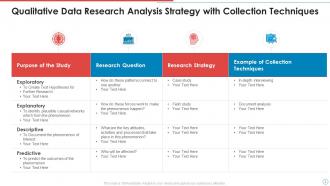
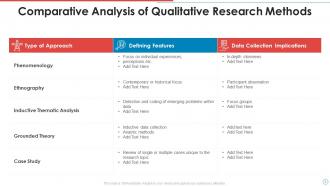
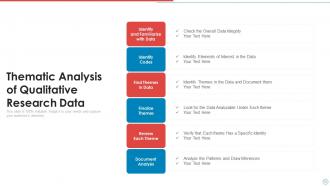
Okay so thematic analysis is perfect for sorting through all your messy interview data and stuff. You're looking for patterns - like when multiple people mention the same things or ideas. Read through everything and highlight bits that stand out, then group similar stuff together. Eventually you'll spot bigger themes emerging. Honestly, it's kind of like puzzle pieces clicking into place once you get the hang of it. Don't stress too much about your first round of categories being perfect. You can always shuffle things around later when clearer patterns show up. Just dive in and start coding!
Start by just being honest about your biases upfront - write them down. I always keep reflexive notes during research about my assumptions and how they're probably messing with my interpretations. Get multiple data sources and do member checking to validate findings. Seriously saves you from those "oh crap, I totally projected my own stuff here" realizations later. Having another researcher review your coding helps too, though I know that's not always realistic. You can't be completely neutral anyway, so transparency about where you're coming from matters more. Quick mindset check before each session works wonders.
Okay so the main things: informed consent, confidentiality, and making sure you don't harm anyone. Qualitative stuff gets messy because you're dealing with people's personal stories - sometimes really sensitive ones. You've got to think about power dynamics too, especially with vulnerable groups. The consent thing is annoying because your study will probably change as you go along, so static forms don't always cut it. I'd do regular check-ins with participants throughout. Better to be overly cautious than screw someone over, you know?
Honestly, qualitative research is perfect for messy social stuff because it digs into the "why" behind what people do. Numbers can't capture someone's actual experience with poverty or discrimination - you need their stories. It's way more detailed than surveys. Like, you'll discover cultural factors and weird connections you never expected. The whole point is getting those deep insights so when you design programs or policies, they actually make sense for real people's lives. I've seen too many well-meaning initiatives fail because researchers didn't bother understanding the human side first.
Honestly, just chat with them for a bit before you even hit record - makes such a difference. Ask questions that get them telling stories, not just "yes" or "no" stuff. And actually listen to what they're saying instead of thinking about your next question (I'm terrible at this sometimes). When they say something interesting, dig deeper with "tell me more" or "how'd that make you feel?" Meet somewhere they're comfortable too - their office or grab coffee. Oh, and don't make it feel like you're interrogating them. It should flow like a normal conversation.
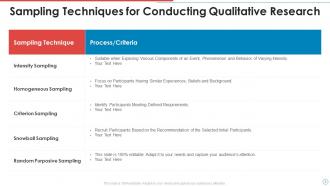
Hey! So with qualitative research, you're looking at way smaller numbers - like 6-20 people instead of hundreds. The whole point is different than quant studies. You don't need statistical significance or anything like that. Instead, you're aiming for "saturation" - basically when new interviews stop giving you anything new to work with. I always think of it as quality over quantity, you know? You want deep, rich insights rather than broad coverage. Honestly, I'd rather have 10 really good participants who can actually speak to what I'm studying than 50 random people. Focus on finding the right voices for your research questions.
Case studies are amazing for getting deep into messy, complex situations - way better than surveys for understanding the "why" behind what people do. You can pivot your approach when something interesting pops up. Some of my biggest research wins came from random case study discoveries, honestly. The downside? They eat up tons of time and you can't really apply findings to other situations. Plus your own biases can sneak in without you realizing. Only go this route if you genuinely need depth over breadth. Oh, and budget like double the time you think it'll take.
Honestly, storytelling beats quote-dumping every time. Pick your best quotes strategically instead of plastering them everywhere. Concept maps are clutch for showing how themes connect - way better than boring text blocks. Tables actually work great for organizing themes (I know, sounds weird for qual data but trust me). If you're tracking processes, timelines help tons. The goal? Make people *feel* your findings, not just scan them. Start with your 3-4 biggest stories first, then figure out visuals from there. Your audience needs to connect emotionally with the data.
So triangulation is basically using multiple approaches to make your findings more solid. Interview different groups, then maybe do some observations too - mixing methods like that really helps. Having another researcher look at your data independently is clutch (honestly my go-to move because they'll spot stuff you totally missed). You can also try different theoretical frameworks on the same results. Oh, and collecting data at different times or places counts too. Even just combining two methods will make a huge difference in how credible your work looks. It's way better than relying on just one approach.
Oh man, culture affects literally everything in qualitative research. People from different backgrounds have totally different ideas about what's okay to share with strangers. Some cultures are super direct, others beat around the bush forever. Power dynamics get weird too - like participants might just tell you what they think you want to hear. I learned this the hard way once. You'll want to maybe get local interviewers who actually understand the cultural stuff. Spend time learning the norms first. And definitely run your findings by people from that culture before you wrap up - they'll catch things you'd never notice.
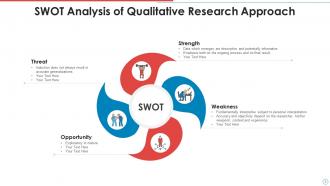
Your own biases can totally mess with how you read qualitative data. Like, you'll unconsciously grab quotes that fit what you already think and completely miss themes that don't match your expectations. It's such a pain because we can't help bringing our own stuff into it - your background, beliefs, even if you had a bad morning affects how you code interviews. I learned this the hard way on my last project. Best thing is just owning it upfront and putting checks in place. Get multiple people coding, document why you made certain choices, and actually hunt for data that proves you wrong.
So many good tools out there for this! Video calls work great for remote interviews, and there are apps where you can jot down field notes on your phone. For analysis, NVivo and Atlas.ti are solid choices - they'll help you code themes and find patterns in all that text data. Excel works too if you're on a budget. I'm probably weird but I still use sticky notes sometimes when I need to think things through visually. Don't try to learn everything at once though. Pick one coding program first, get the hang of it, then branch out from there.
Mix up your sampling approach - get different perspectives, then keep going until themes start repeating. That's when you know you're hitting saturation. I'd shoot for 12-15 people minimum, though it really depends how complex your topic is. Double-check your interpretations with participants afterward (saves you from looking totally off-base). Try combining interviews with observations if you can. Document everything - you'll know when new interviews aren't adding much. Oh, and set your stopping point beforehand so you won't overthink it later.
-
Great product with effective design. Helped a lot in our corporate presentations. Easy to edit and stunning visuals.
-
Colors used are bright and distinctive.