


Recruitment Framework Powerpoint Ppt Template Bundles




Try Before you Buy Download Free Sample Product
 Impress Your
 Audience
 100%
100% Editable
 Save Hours
 of Time


Our Recruitment Framework Powerpoint Ppt Template Bundles are topically designed to provide an attractive backdrop to any subject. Use them to look like a presentation pro.
People who downloaded this PowerPoint presentation also viewed the following :
Recruitment Framework Powerpoint Ppt Template Bundles with all 25 slides:
Use our Recruitment Framework Powerpoint Ppt Template Bundles to effectively help you save your valuable time. They are readymade to fit into any presentation structure.









FAQs for Recruitment Framework Powerpoint
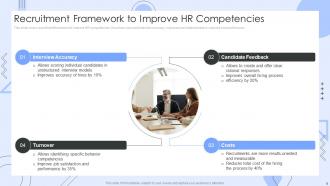
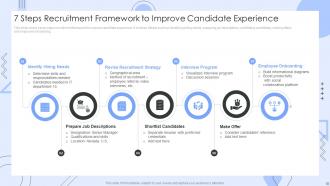
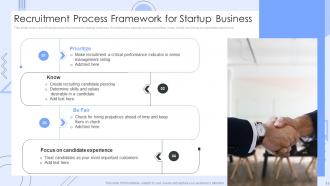
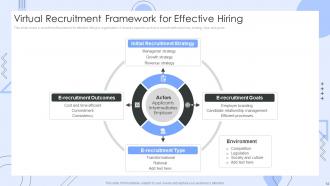
So you need four main things for recruiting that actually works: solid job descriptions with clear candidate profiles, diverse sourcing (job boards, referrals, social media - the whole thing), a consistent interview process, and decent candidate experience throughout. Most people mess up the sourcing part tbh. Just posting jobs doesn't cut it anymore - you've got to actively hunt for people. Oh, and build in feedback loops so you can see what's actually working. I'd start by looking at your current setup and fixing whatever's broken first. Way easier than overhauling everything at once.
Having a good recruitment process totally smooths out the candidate experience. Your applicants won't be left wondering what happens next or dealing with awkward silence. They'll actually know the timeline upfront. When your team follows consistent communication standards, nobody gets forgotten - and honestly, we've all been that candidate waiting by the phone! Response times get faster too since everything's streamlined. Oh, and mapping out every touchpoint first is clutch. Set clear expectations for when you'll get back to people. Makes a huge difference.
Think of employer branding as your recruitment cheat code, honestly. Good candidates will already know about you and actually want the job before you even start interviewing. Your recruiters won't have to work as hard selling the company, plus you'll get way better applicants in your pipeline. People stick around longer too since they know what they're signing up for. Here's the thing though - your job posts, interviews, and messaging all need to match whatever culture you're pushing. I've seen companies mess this up so badly. If there's a disconnect between your brand and reality, you'll attract the wrong people every time.
Start with resume screening - AI tools handle that grunt work way better than humans anyway. Get an ATS system set up because juggling emails and spreadsheets is honestly painful. Calendar integration for scheduling interviews is a game changer too. Oh, and video interview platforms save tons of time if you're dealing with remote candidates. Skills assessments can weed people out early so you're not wasting hours on interviews. Don't try implementing everything at once though - I made that mistake before. Pick whatever's driving you most crazy right now and fix that first.
Track time-to-hire, cost-per-hire, and offer acceptance rates for the basic stuff. Quality-wise, look at performance ratings, 6/12 month retention, and how happy hiring managers are. Candidate experience matters too - people will trash you online if the process sucks, trust me. Oh, and diversity metrics so you're not accidentally filtering people out. Honestly though? Start with just 3-4 metrics that actually matter to your company. You can always add more later once you've got the data flowing consistently.
So you'll basically need to overhaul how you recruit people. First thing - check your job postings for weird biased language that might scare people off. Then expand where you're advertising these roles, and definitely train your interview team on unconscious bias stuff. More work initially, yeah, but your talent pool gets so much wider. I've seen companies miss amazing candidates just because their process was too narrow. Short version: review everything and spot where people might be bailing due to barriers you didn't even know were there. Different backgrounds need different approaches to feel welcome in your process.
Honestly, the toughest part is dealing with hiring managers who think their current process is fine - they hate being told to change anything. Your recruiting team will probably grumble too, especially the ones who've been doing things the same way forever. Consistency becomes a mess at first because everyone interprets the new rules differently. Oh, and don't expect to see real results for a while since measuring this stuff takes time. I'd say pick one team that's actually excited about trying something new, get a few wins with them, then wave those success stories around to shut up the doubters.
Every industry has different hiring priorities, so you'll need to tweak your approach. Tech companies love their coding tests and "culture fit" nonsense. Healthcare? All about those certifications and compliance stuff. Finance gets obsessed with background checks and risk assessment. Your timeline expectations need to shift too. Startups might hire someone by Friday, but government jobs take forever because of security clearances. It's honestly wild how different they are. Best move is chatting with hiring managers in whatever industry you're targeting. They'll give you the real scoop on what actually matters for landing roles in their space.
You really need both sides working together or it'll fall apart. HR knows all the process stuff and legal requirements - they keep things consistent across different roles. But hiring managers? They actually understand what skills matter day-to-day and can catch weird vibes in interviews that might be red flags. Without that teamwork, you get either a perfect-on-paper process that hires terrible people, or complete chaos that lands you in legal trouble. Honestly, the best results happen when HR's systematic approach meets managers' gut instincts about their teams. Have them build those competency definitions together from the start.
Quick pulse surveys work wonders - even just 2 questions after interviews. Get hiring manager feedback on your sourcing quality too. Then do post-hire check-ins to see if your process actually worked. Make it automatic, not something you randomly remember to do. Honestly, tracking patterns matters way more than obsessing over individual responses. I'd start with just one feedback point this quarter though. Don't go crazy trying to capture everything at once - you'll burn out your team. Regular retrospectives with hiring managers are clutch for spotting what's working.
Stop putting all your eggs in the job board basket - that's amateur hour. Employee referrals are gold since people usually recommend solid candidates. LinkedIn's great for hunting down passive talent who aren't actively looking. Also, build relationships with universities or coding bootcamps in your area. Social media recruiting is everywhere now, especially if you're after younger folks. Honestly, the trick is figuring out where your dream candidates actually spend their time, then showing up there consistently. Audit what you're doing now and pick 2-3 new spots to experiment with this quarter.
Legal stuff controls literally everything when you're building a hiring process. Job descriptions, interview questions, who you pick - it all has to follow anti-discrimination laws and privacy rules first. Honestly pretty annoying sometimes but beats getting sued. You'll need solid documentation for every decision and consistent ways to evaluate people. Oh and audit trails - can't forget those because someone will ask later why you hired person A over person B. Super boring but necessary. Don't launch anything without running it past your legal team or HR compliance folks first.
Dude, data analytics seriously changes everything about hiring. Instead of going with your gut, you get real proof of what works. Track which job boards actually bring good people - spoiler alert, it's probably not the expensive ones. Look for patterns in who succeeds at your company and how long your process takes. Honestly, most managers think they know their hiring inside out but the numbers tell a different story. You don't need anything fancy to start. Just measure time-to-hire and where your best candidates come from for like three months. The insights will surprise you, and you'll finally know which candidates will actually stick around.
Honestly, the best thing about a solid recruitment framework is how it weaves diversity right into every step. Set some actual targets, clean up those job posts (seriously, audit them for weird biased language - you'll find stuff), and standardize interview questions so people aren't just winging it. I've seen companies think they're diverse but then realize they're only posting jobs on like two websites. Tracking metrics shows you what's really happening vs what you think is happening. It's way better than just crossing your fingers and hoping good candidates magically appear.
Honestly, training is make-or-break here. Your framework will just collect dust if people don't know how to actually use it. Hiring managers need to understand the assessment criteria and interview techniques. HR folks need the deep dive on mechanics plus how to coach others. I'd start with pilot training for key people first - way easier than trying to train everyone at once. Oh, and don't forget refresher sessions! Even the best framework gets rusty without practice. Companies spend crazy money on these systems then wonder why adoption sucks. It's usually because they skipped proper training.
-
Making a presentation has never been this easy for me. Thank you SlideTeam for offering a splendid template library.
-
Extremely professional slides with attractive designs. I especially appreciate how easily they can be modified and come in different colors, shapes, and sizes!