


Recruitment process template 3 presentation portfolio





Try Before you Buy Download Free Sample Product
 Impress Your
 Audience
 100%
100% Editable
 Save Hours
 of Time


Halt the flow of false information with our Recruitment Process Template 3 Presentation Portfolio. It will end further instigation.
People who downloaded this PowerPoint presentation also viewed the following :
Recruitment process template 3 presentation portfolio with all 5 slides:
Have a broader choice at hand with our Recruitment Process Template 3 Presentation Portfolio. Get access to diverse backgrounds.
FAQs for Recruitment process template
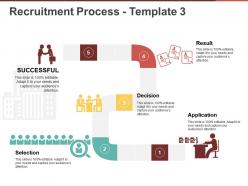
So there's like 5 main steps: job analysis, sourcing candidates, screening/interviews, picking someone, then onboarding. Honestly, spend extra time upfront defining what you actually need - I can't stress this enough. Cast a wide net when looking for people, use multiple channels. Screen resumes carefully (this is where most people mess up because they're in a rush). Do structured interviews, make decisions based on your criteria, then get them settled in smoothly. Oh and don't skip steps just because you're desperate to fill the spot! Better to wait than deal with a bad hire later.
Honestly, recruitment templates are game-changers. You're not reinventing the wheel every time you need to hire someone. Job descriptions, interview questions, evaluation stuff - it's all there ready to go. Saves me like 30-40% of my time, no joke. Also keeps you consistent which is huge for avoiding bias and legal issues. Everyone gets judged on the same stuff, which feels way more fair. My advice? Start with whatever roles you hire for most often. I made the mistake of trying to template everything at once - don't do that lol. Build them out gradually and you'll actually use them.
Okay so you'll want to hit the main stuff first - job analysis, posting creation, sourcing candidates, screening criteria. Then map out your interview structure and decision process. Timeline expectations are super boring but you gotta include them, plus who does what at each stage. Honestly, standardized evaluation forms saved my butt so many times when I couldn't remember what I asked people. Don't forget reference checks and feedback loops - candidates hate being ghosted. Oh, and make it flexible enough that you can tweak it later for different roles.
So each industry tweaks their hiring process differently, right? Tech companies obsess over coding tests and culture fits. Healthcare's super strict about certifications - makes sense since people's lives are on the line. Manufacturing focuses on safety protocols and whether you can actually do the hands-on work. Finance is probably the most paranoid with all their background checks and regulatory stuff, but honestly I get it given how much money flows through there. Timeline matters too. Startups will hire you in a week, while government jobs... good luck waiting 6 months lol. Figure out what actually makes someone successful in your field, then build around that instead of copying some random template online.
Dude, tech has completely taken over recruiting. ATS systems scan resumes before you even get to them, which is honestly kind of wild when you think about it. Job postings go out automatically across platforms, video interviews save tons of time, and chatbots handle basic questions. The data you get is pretty sweet too - response rates, best hiring sources, how long everything takes. Oh, and candidates get this personalized experience now. But here's the thing - don't let all this automation make you forget about actually talking to people. Let tech do the boring stuff so you can focus on real conversations.
So basically you want to standardize everything to cut out bias. Same interview questions for everyone, diverse panels doing the interviews, focus on actual skills instead of "culture fit" - which let's be real, usually just means hiring carbon copies of existing staff. Post jobs on diverse boards, not just the usual spots. Clean up your job descriptions too - they're probably full of weird gendered language you don't even notice. The whole point is making it so structured that people's unconscious biases can't sneak in as easily. I'd start by going through your current template with fresh eyes and see what jumps out as potentially off-putting.
Track time-to-hire and offer acceptance rates first - those two will tell you the most. Cost-per-hire and candidate quality scores matter too, but honestly I'd add those later once you've got the basics down. Where your best people come from is huge - some job boards are amazing, others are complete wastes of money. Candidate experience scores help, but don't go overboard tracking everything. Pick maybe 4-5 things you'll actually look at each month. I learned this the hard way - had like 15 different metrics I never reviewed. Better to focus on what actually moves the needle, you know?
So basically it gets your whole team on the same page about hiring - like who's doing what and when. Everyone uses the same criteria to evaluate people, which is honestly such a relief because you won't have those awkward moments where someone's like "wait, where are we with this candidate again?" Your interviewers can pass people along smoothly between stages, and nobody falls through the cracks. The timeline stuff stays clear too. It's one of those things that seems obvious but makes a huge difference once you actually have it set up.
Templates are honestly a lifesaver because they stop you from making those classic hiring screwups. Like when you're swamped and end up asking totally different questions to each candidate - then you can't even compare them properly. Super frustrating. With a template, you'll stay consistent and actually evaluate people fairly. Plus it works as your checklist so you don't skip stuff like reference checks or forget approval processes. I learned this the hard way after accidentally leaving candidates hanging for way too long. Templates keep your timeline on track.
Honestly, I'd check them quarterly if you're hiring regularly. Six months absolute minimum though. The market's crazy right now - stuff gets stale fast. After every 10-15 hires with the same template, do a quick scan too. Also update when you get weird candidate feedback or if there's new legal stuff (ugh, there's always something). Set a calendar reminder or you'll totally forget. Maybe give someone on your team ownership so it actually happens? I learned that the hard way - kept meaning to update ours and suddenly realized we were using templates from like 2022.
Your template can totally help you land great people! Focus on showcasing growth opportunities and culture in job descriptions rather than just listing what you need. Top candidates want to know where they're headed, you know? Speed matters a ton - build tight timelines into your process because good people disappear quickly. Personalized touches throughout keep candidates from feeling like they're on some assembly line, even when you're using templates. Honestly, the best approach is staying consistent with your process while keeping enough flexibility for those amazing candidates who come along.
Honestly, having a structured process is a game-changer for candidates. They know what to expect instead of wondering if their application disappeared into the void. Map out every step from application to offer first - that's your foundation. Then assign someone to handle communication at each stage so people aren't waiting weeks for updates. Short timelines, consistent check-ins, standardized feedback. It keeps your hiring team organized too, which... let's be real, we all need that help. Don't forget to ask candidates for feedback along the way. You'll catch things you missed and keep improving the whole experience.
Start with anti-discrimination stuff - that's where you'll get burned if you mess up. Your template needs equal opportunity language and can't ask about age, religion, kids, any of that. Data protection matters too since you're collecting personal info. Some states now require salary ranges posted, so check if that applies to you. Background check disclaimers and at-will employment language should be in there as standard. Honestly, I'd have a lawyer look it over once before you use it. Way cheaper than fixing problems later.
Honestly, candidate feedback is like having a mirror held up to your hiring process - and sometimes it's not pretty. People will straight up tell you when your interviews are a mess or when you're ghosting them for weeks. We learned this the hard way when candidates kept saying our technical test was ridiculously long (oops). Post-interview surveys work great, or just ask people who turn down your offers why they said no. The real trick though? Actually doing something about what you hear instead of just nodding and filing it away somewhere.
Map out your main stages first - screening, interviews, assessments, then decision time. Give each step clear timelines and assign who owns what. I've watched so many pretty templates completely implode because they're way too rigid, honestly. Build in feedback loops from the start. Document your evaluation criteria upfront so all your hiring managers stay consistent. The whole point is making something your team will actually follow instead of finding workarounds for. Oh, and definitely test it on a couple roles first - see what breaks and fix it before rolling out everywhere.
-
Great experience, I would definitely use your services further.
-
Editable templates with innovative design and color combination.